






17th Century Wainscot Chair
When you encounter a 17th century wainscot chair, you face a solid wooden seat rooted in Jacobean domestic life.
17th Century Wainscot Chair
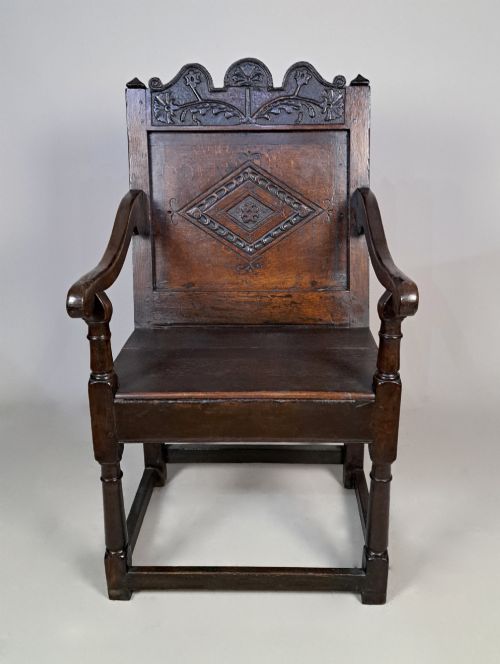
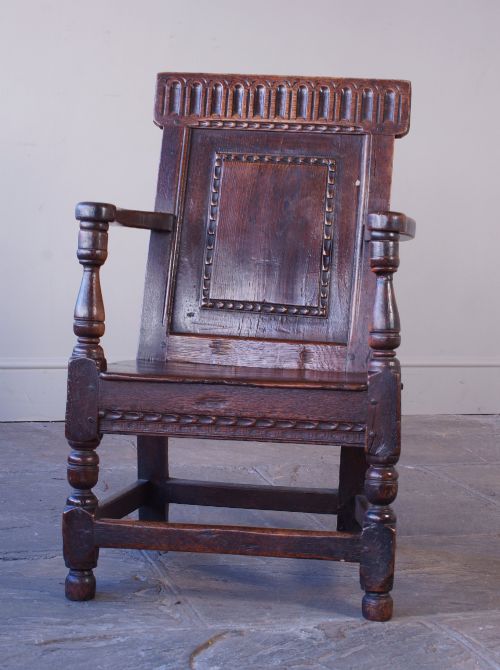
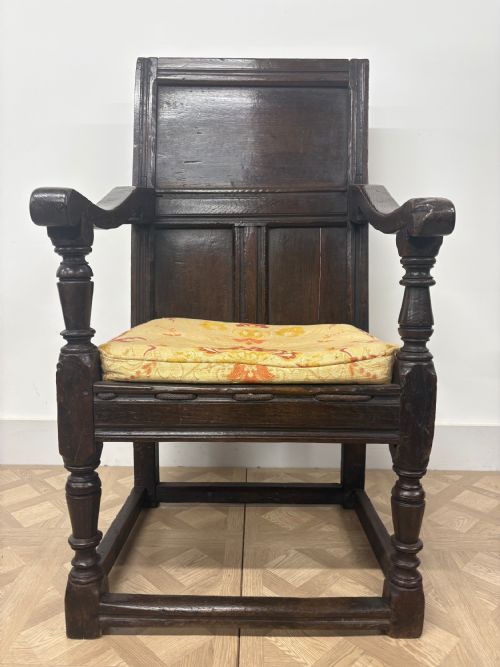
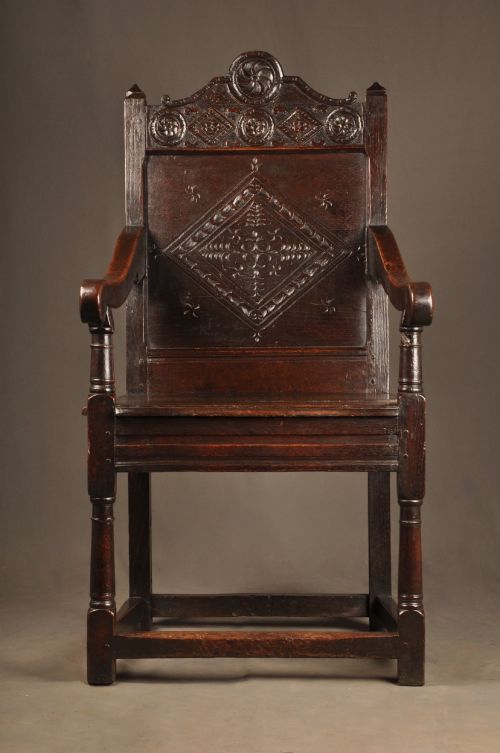
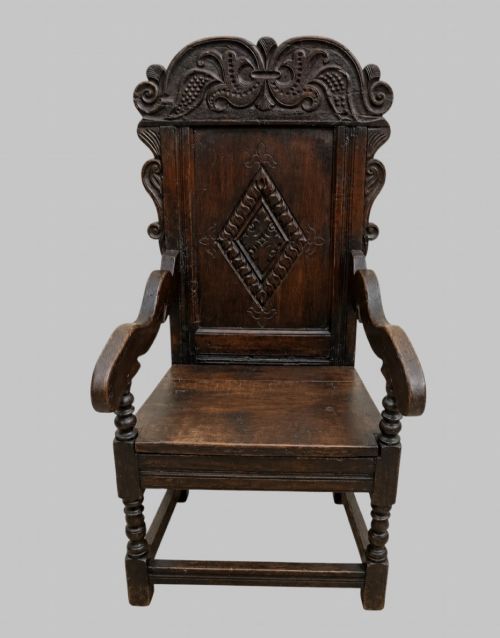
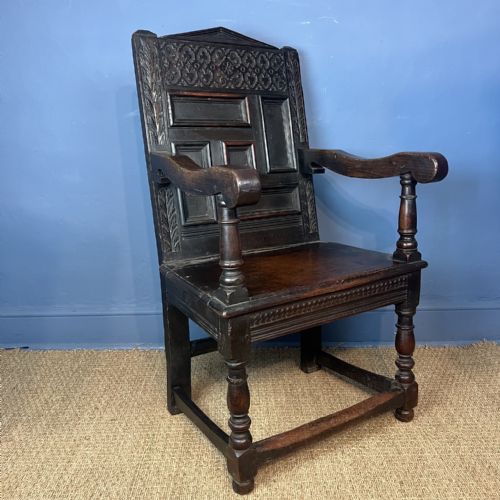
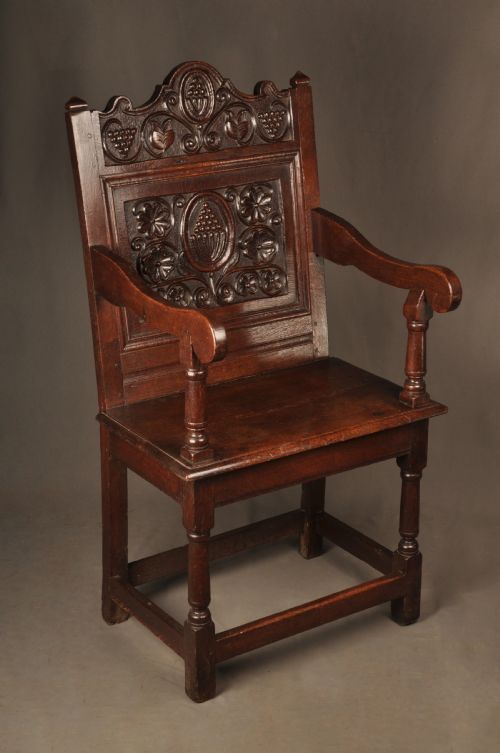
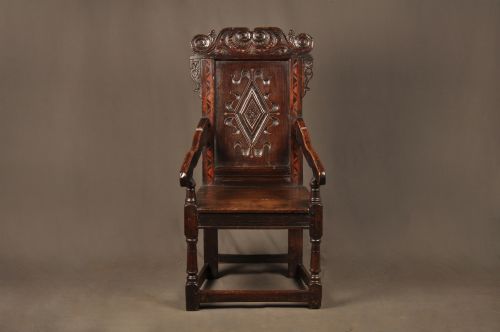
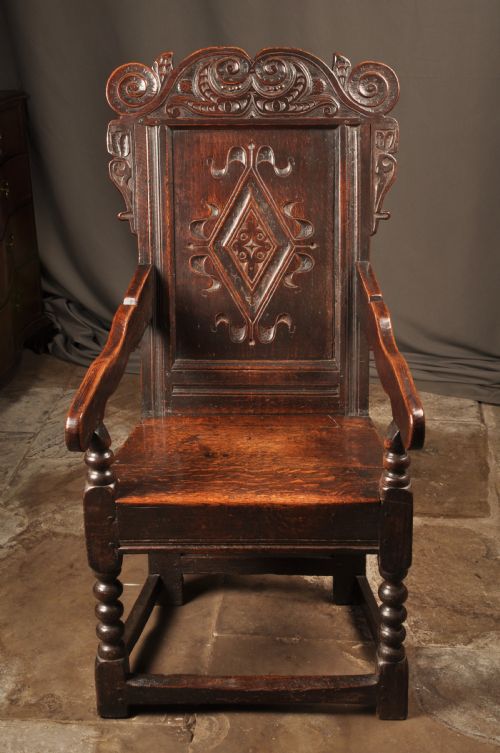
A 17th century wainscot chair is a heavy wooden armchair constructed primarily from solid oak panels, built to serve as a substantial seat of authority in early households. Buyers exploring this selection will encounter regional variations originating from Yorkshire, Lancashire, Cheshire, the West Country, Wales, and Scotland.
While authentic examples date directly from the 1600s, including periods spanning James I, Charles I, and Charles II reigns, subsequent centuries produced revival pieces. Nineteenth-century interpretations replicate the Jacobean manner, offering the visual weight and carved character of earlier periods.
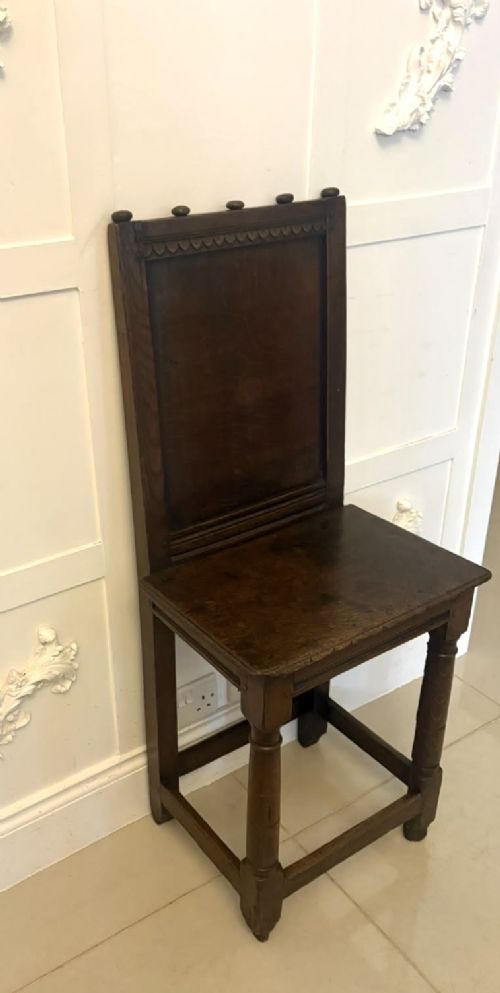
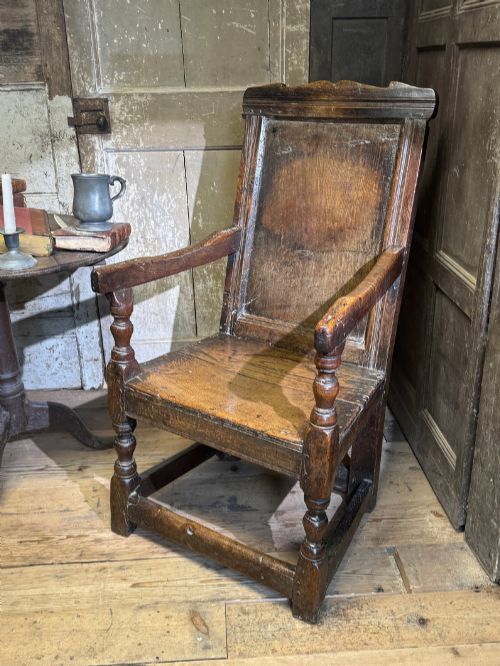
Most entries function as armchairs, though the records also encompass side chairs, hall chairs, and smaller scaled pieces intended for ladies or children. These heavy timber seats frequently feature enclosed panelled backs and substantial armrests.
Materials and construction methods
Makers relied on solid oak as the primary structural timber, occasionally incorporating secondary woods such as elm alongside textile, leather, metal studs, and velvet for upholstery or padding. Wood inlay also appears on specific regional pieces.
Joinery techniques relied on pegged mortise and tenon joints to secure the heavy panels without modern adhesives, creating rigid frames designed to endure centuries of daily use.
17th Century Wainscot Chair Retail Price Guide 2026
Typical asking prices for 17th century wainscot chair among the pieces listed under this phrase on Sellingantiques today, from the lower quarter to the upper quarter. They describe what is for sale here now, not the wider market.
Makers occasionally sized these imposing seats down for children or ladies, proving that even seventeenth-century masters understood the appeal of miniature furniture.
Factors of construction and design
The depth and execution of carved ornamentation dictate much of the visual character, separating utilitarian seating from master chairs adorned with intricate strapwork or figural motifs. Regional carving styles, such as those associated with Yorkshire or Lancashire workshops, display distinct local sculptural standards.
Proportion and structural integrity define the remaining differences across the range, where untouched original timber surfaces and unaltered panel construction hold greater distinction than heavily restored or later nineteenth-century revival iterations.
The 17th Century Wainscot Chair Glossary
- Wainscot chair
- A heavy wooden armchair constructed with panelled backs, traditionally derived from oak panelling techniques.
- Jacobean
- The stylistic period spanning the reign of James I from 1603 to 1625, characterised by rigid symmetry and strapwork carving.
- Backstool
- An early form of upholstered or panelled chair built without arms, functioning similarly to a modern side chair.
- Joined chair
- Furniture constructed using interlocking mortise and tenon joints secured with wooden pegs rather than iron nails.
17th Century Wainscot Chair: Frequently Asked Questions
How do I identify a period piece?
Examine the construction methods, tool marks, and timber ageing visible on the oak panels and joints. Period examples display hand-split or sawn surfaces consistent with seventeenth-century carpentry.
Compare the carving style and regional traits against documented examples from Yorkshire, Lancashire, or Wales. Later nineteenth-century revivals often betray their origins through machine tooling and different patination.
Where were these chairs used?
These heavy wooden seats stood in the principal rooms of seventeenth-century homes, often reserved for the head of the household or honoured guests. Their solid panelled construction protected the sitter from draughts in unheated halls.
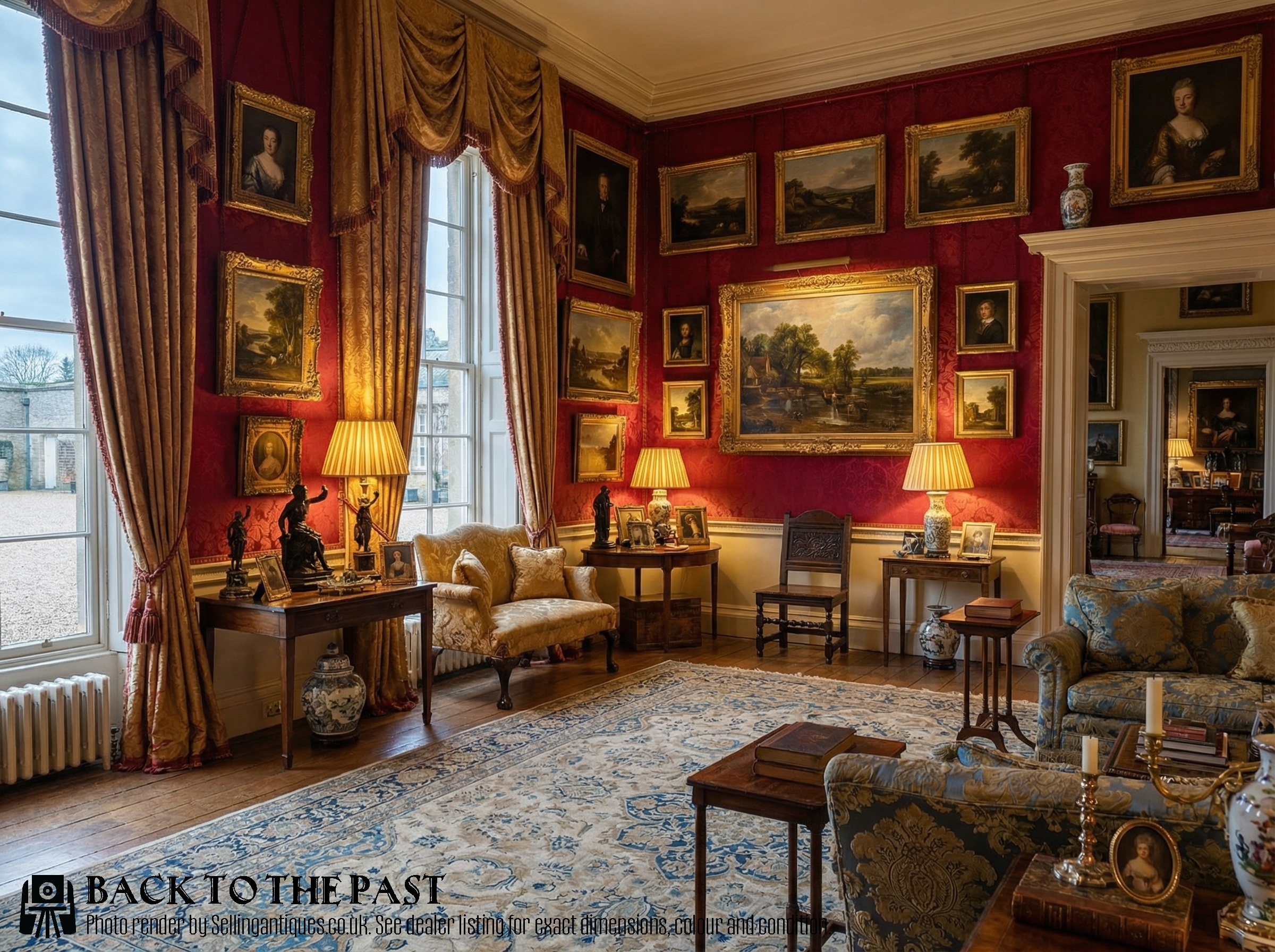
Later eras repurposed them as hall chairs or decorative showpieces in period-styled interiors. Their imposing scale suited formal reception spaces rather than casual seating areas.
How should I care for historic oak?
Maintain a stable indoor humidity level to prevent the solid oak panels from splitting or warping over time. Avoid placing the wood near direct heat sources or in strong sunlight.
Apply traditional beeswax periodically to nourish the surface and preserve the natural patination. Clean gently with a dry or barely damp cloth without chemical polishes.
What defines regional variations?
Regional pieces display distinct carving motifs and construction preferences tied to specific geographic workshops. Yorkshire and Derbyshire examples frequently feature carved lunettes, guilloche patterns, and cresting rails.
Scottish and Welsh pieces often incorporate local timber selections and unique proportions suited to domestic traditions of those regions. These localized traits help specialists attribute provenance.