

Antique Oak Panel Chair
An antique oak panel chair brings heavy timber, high backs and centuries of domestic history straight into a room.
Antique Oak Panel Chair
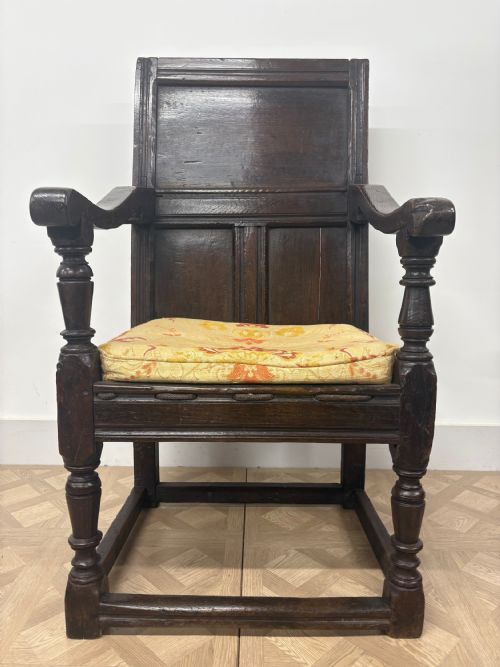
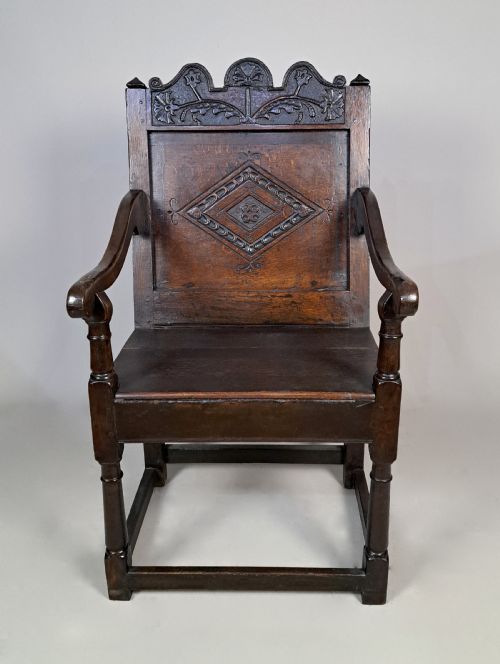
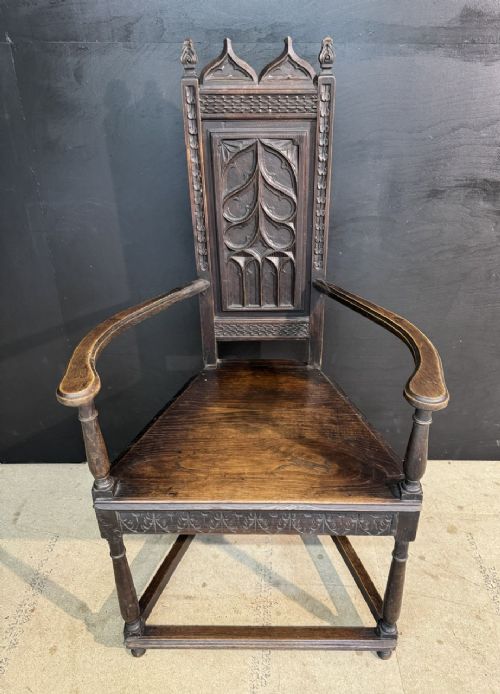
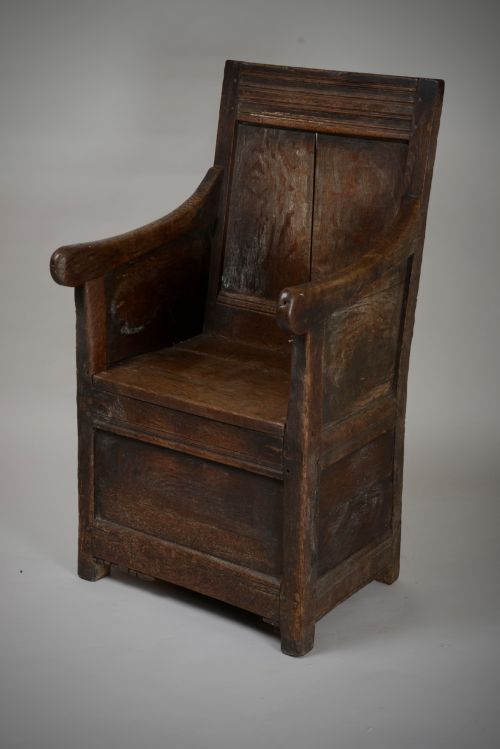
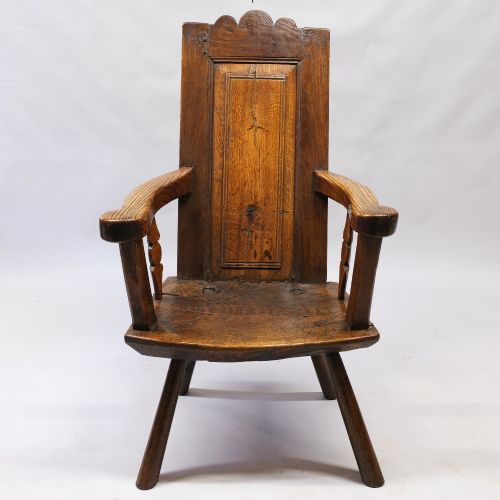
When you search for an antique oak panel chair, you encounter sturdy wooden seating built around solid upright frames and flat wooden backs. These pieces range from early wainscot forms originating in the seventeenth century to later revival styles produced during the Victorian and Edwardian eras.
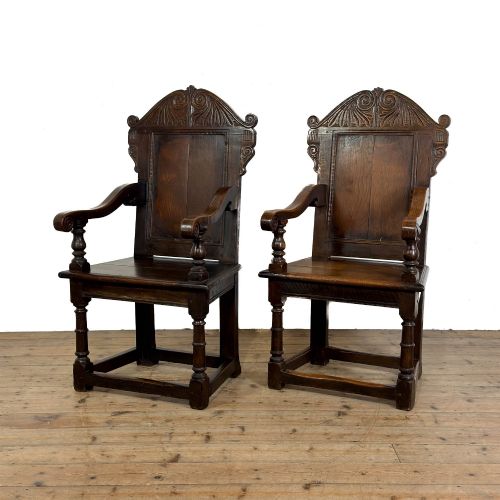
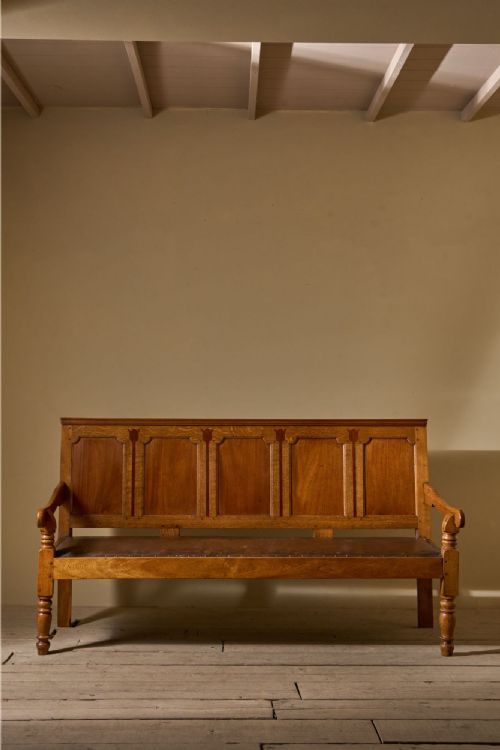
The selections on this page draw heavily from regional English, Welsh, and Scottish traditions, taking forms such as wainscot armchairs, hall chairs, and panel-backed settles. Many examples show the solid construction methods of early carpenters who relied on mortise and tenon joinery rather than metal fixings.
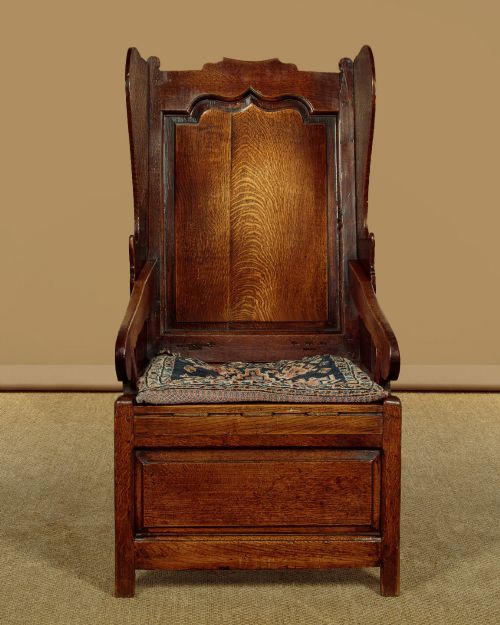
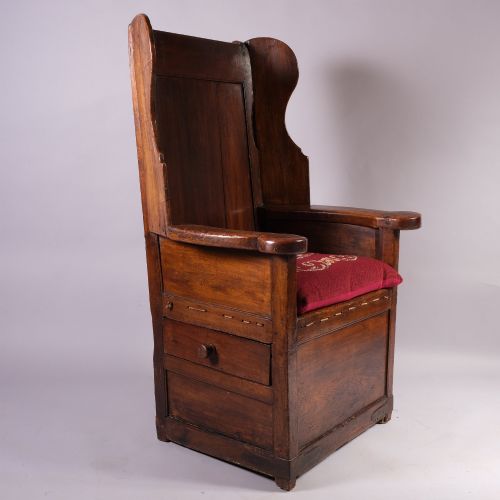
Beyond standard armchairs, the inventory includes specialised forms like lambing chairs with protective side wings and smaller side chairs meant for dining or hall use. Each version displays the distinct regional carving habits of districts like Yorkshire, Lancashire, and the West Country.
Materials and construction methods
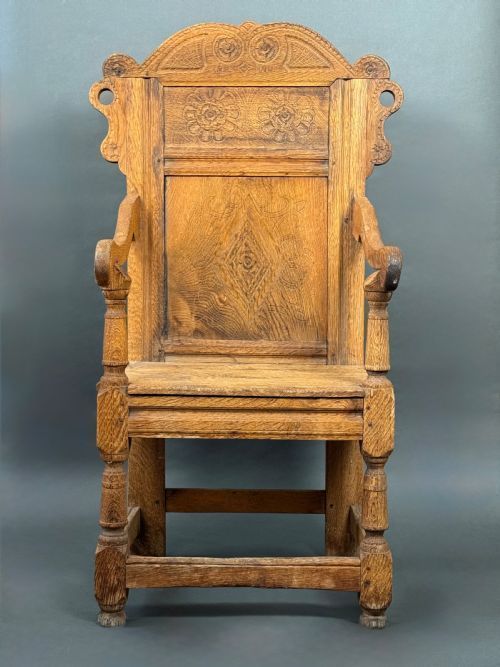
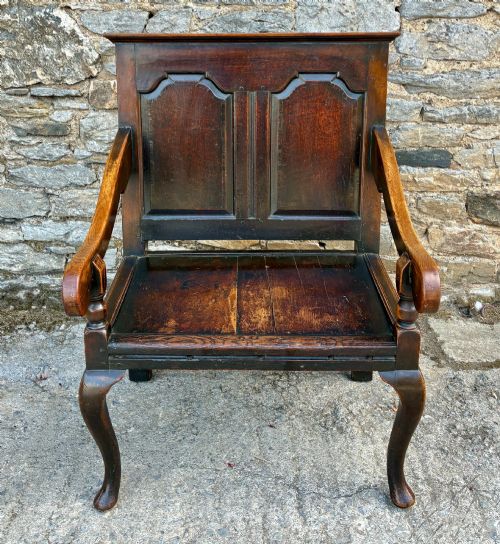
The primary material across these listings is solid oak, selected for its density and strength by regional craftsmen. Joiners used heavy timber panels fitted into grooved framing uprights to construct rigid backs that resisted warping over decades of daily use.
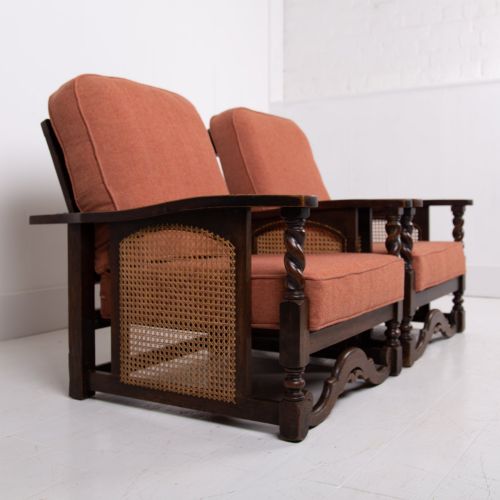
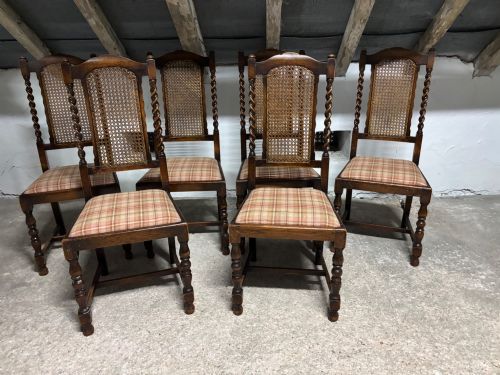
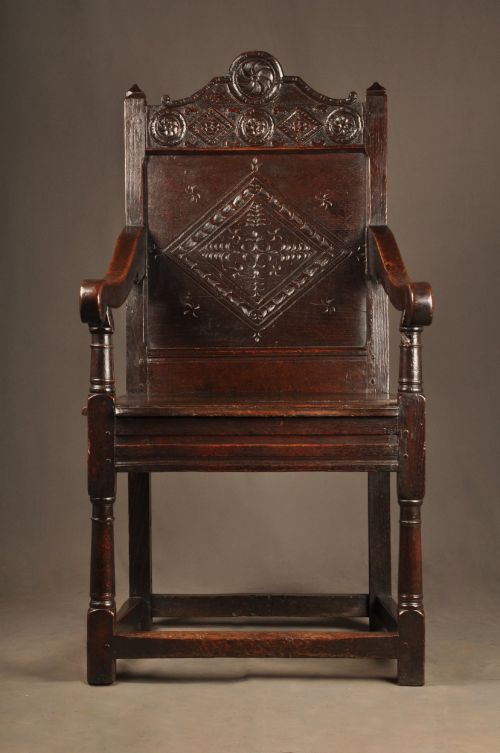
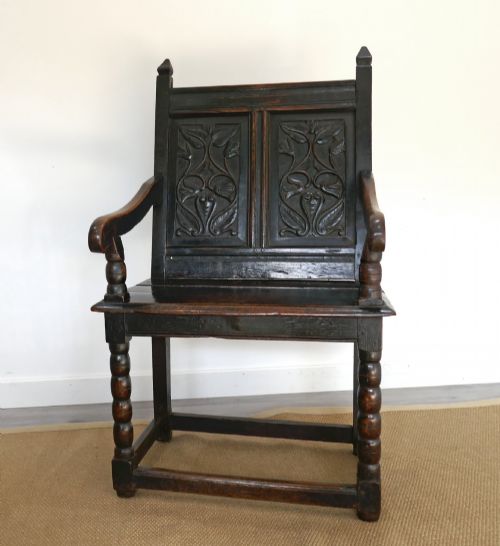
Surfaces frequently show hand-cut decoration, utilising gouges and chisels to apply guilloche patterns, scrolling foliage, and tulip motifs directly onto the wood. Some examples incorporate secondary materials like cane, leather, fabric, textile, or brass elements for added comfort and visual contrast.
Many chairs utilise wooden pegs, known as trenails, to secure the joints firmly together without relying on modern glues or iron nails. Natural wood inlay and simple turned spindles also appear on specific regional models to break up expanses of flat grain.
Antique Oak Panel Chair Retail Price Guide 2026
Typical asking prices for oak panel chair among the pieces listed under this phrase on Sellingantiques today, from the lower quarter to the upper quarter. They describe what is for sale here now, not the wider market.
Early lambing chairs included enclosed under-seat compartments originally built to keep newborn livestock warm near the cottage hearth.
Factors that determine quality
Quality rests significantly on the proportion of original timber remaining in the frame versus later replacement parts or reconstructed sections. Early chairs retaining their original panel backs, arm supports, and lower stretchers hold greater integrity for collectors.
The depth, crispness, and complexity of the hand-carved detail separate ordinary country pieces from workshop masterworks produced in major regional centres. Sharp, well-defined geometric patterns and deep relief carving indicate skilled handwork by competent joiners.
Surface finish and the presence of natural patination accumulated over centuries dictate visual appeal. Untouched timber surfaces displaying deep waxy polish and rich natural colour rate higher than stripped or heavily over-restored woodwork.
The Antique Oak Panel Chair Glossary
- Wainscot chair
- A heavy wooden armchair constructed with panelled backs and solid wooden seats, common in the seventeenth century and earlier. These sturdy seats served as primary domestic furniture before upholstered chairs gained widespread popularity.
- Mortise and tenon
- A traditional woodworking joint where a projecting tongue on one piece fits snugly into a corresponding cavity in another. This method provides the structural strength found in early frames without requiring metal fasteners.
- Lambing chair
- A traditional high-backed wooden seat featuring solid wings designed to block draughts near hearths and fireplaces. They often include enclosed lower storage compartments or simple rocking bases.
- Settle
- A long wooden bench with a high panelled back and solid arms, often incorporating storage beneath the seat. They stood near firesides to shield occupants from cold air currents in domestic halls.
- Trenail
- A cylindrical wooden peg used to secure traditional joints firmly in place. Craftsmen drove these pins through pre-bored holes in the mortise and tenon connections.
- Jacobean revival
- A nineteenth-century design movement that copied the heavy proportions, dark timber, and geometric carving styles of the early seventeenth century. Makers during the Victorian era produced these pieces to satisfy a growing interest in historic domestic aesthetics.
Antique Oak Panel Chair: Frequently Asked Questions
How do I date an antique oak panel chair?
Dating relies on examining the construction methods, tool marks left by hand saws, and the style of the carved decoration on the panel back. Early seventeenth-century examples usually feature heavier proportions and pegged joints, whereas later revival pieces show nineteenth-century manufacturing techniques.
Wood shrinkage, fastener types, and regional design traits also offer clues regarding when a chair was built. Comparing the joinery against documented historical pieces helps narrow down the decade of production.
What is a wainscot chair?
A wainscot chair is a heavy wooden armchair built with a flat panelled back and a solid timber seat. These pieces originated during periods when wood panelling was common in domestic interiors and oak was the primary structural material.
Craftsmen built them to withstand heavy daily use, making them durable items that survived through multiple generations. Their rigid construction makes them distinct from lighter upholstered seating introduced in later centuries.
Where were these chairs originally made?
Many pieces originated in regional workshops across England, Wales, and Scotland, utilising local timber supplies. Districts like Yorkshire, Lancashire, and the West Country developed distinct carving patterns that identify where a piece was built.
Makers incorporated local design preferences, resulting in regional variations like Welsh great chairs or northern lambing seats. This geographical diversity allows collectors to trace specific stylistic traits back to particular areas.
How do I care for antique oak furniture?
Preserving these surfaces requires maintaining stable indoor humidity levels and keeping timber away from direct heat sources. Extreme temperature changes cause the wood to dry out and split along the grain.
Applying microcrystalline wax periodically helps nourish the surface and protect the natural finish without building up heavy residues. Avoid harsh chemical cleaners that strip the historic patination accumulated over centuries.
Are these chairs comfortable to sit in?
Early wooden chairs were built primarily for upright posture and structural strength rather than modern lounging comfort. Adding fitted cushions or loose squabs helps soften the hard wooden seat during daily use.
Many owners place these pieces in hallways or corner spaces where they function as accent seating rather than primary living room chairs. Their solid proportions provide sturdy support despite the lack of deep padding.