



Antique Oak Seat
An antique oak seat brings solid vernacular character and centuries of functional utility into a modern room.
Antique Oak Seat
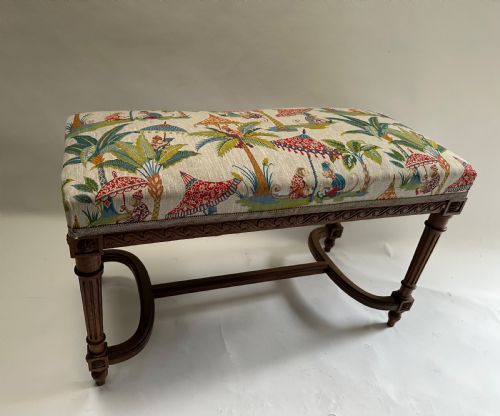
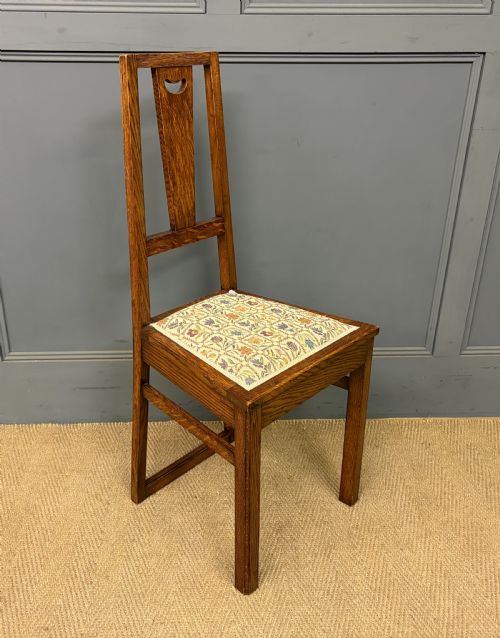
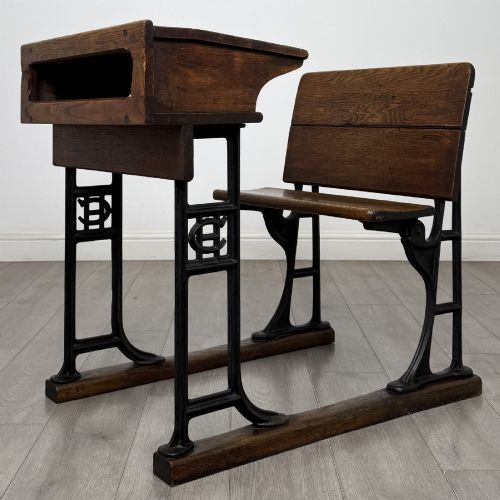
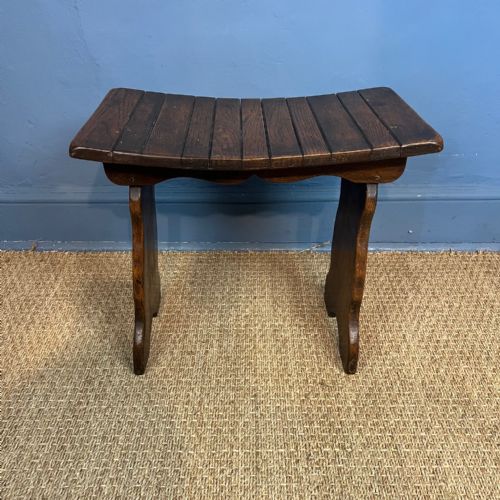
The term antique oak seat covers a wide array of domestic furniture designed for sitting, from straightforward kitchen stools and Windsor chairs to substantial settles and long hall benches. Pieces span several centuries, with particular representation from the eighteenth and nineteenth centuries, alongside Edwardian revivals and Arts and Crafts productions.
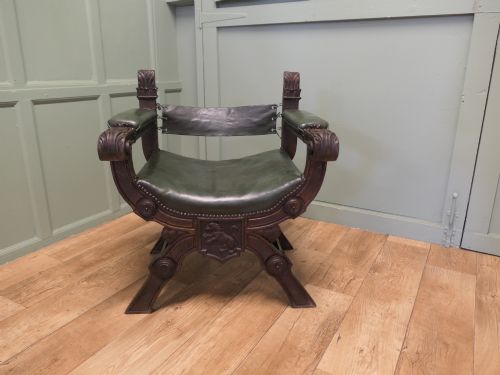
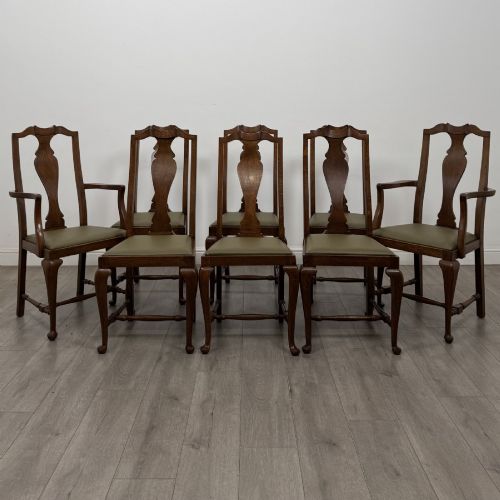
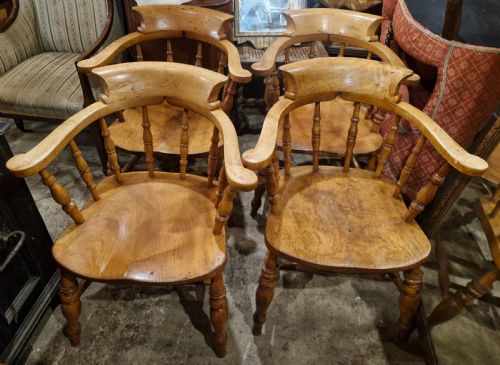
Domestic seating forms on this page include dining chairs, office swivel chairs, armchairs, and folding monk's benches that convert into small tables. Buyers encounter both rustic country pieces made by regional joiners and more formal urban designs influenced by Gothic Revival or Queen Anne styles.
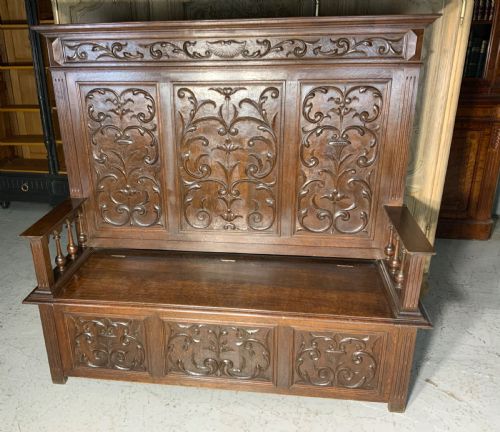
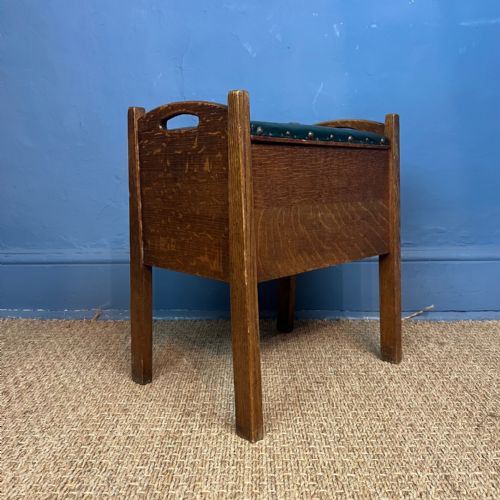
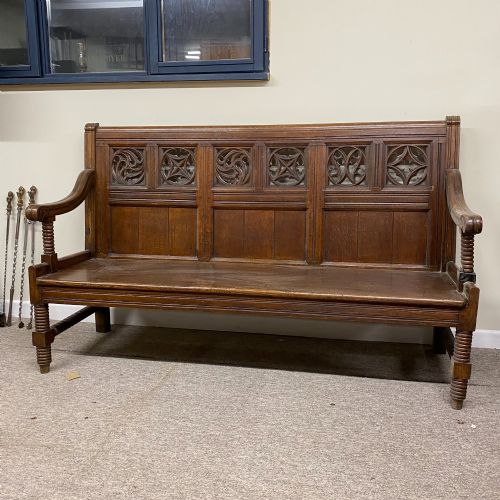
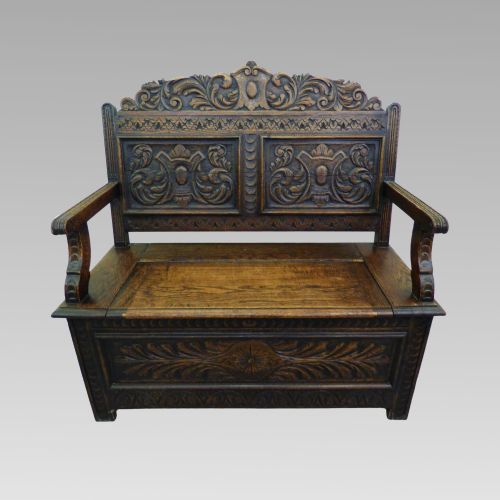
Longer forms such as settles, tavern benches, and window seats frequently incorporate storage boxes beneath their hinged lids or display carved panelwork along the backrests. These items served functional roles in farmhouses, halls, and public houses before entering the domestic antiques market.
Materials and construction methods
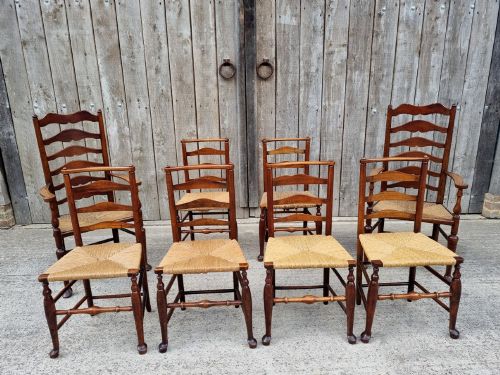
Solid timber forms the structural core of these items, with oak serving as the primary material complemented by secondary woods like elm, beech, and sycamore in country Windsor chairs and ladder backs. Joinery typically relies on mortise and tenon joints secured with wooden pegs, supplemented by turned spindles and steam-bent components.
Upholstered versions incorporate traditional stuffing materials beneath leather, velvet, or woven rush seats, while plain wooden examples display pegged plank construction and carved surface decoration such as trefoils or linenfold panels. Surface finishes range from original wax patination and historic paint to later polish applied during nineteenth-century restorations.
Antique Oak Seat Retail Price Guide 2026
Typical asking prices for oak seat among the pieces listed under this phrase on Sellingantiques today, from the lower quarter to the upper quarter. They describe what is for sale here now, not the wider market.
Listings feature oak seats spanning the eighteenth, nineteenth, and early twentieth centuries alongside revival styles.
Distinctions in construction and provenance
Variations in quality often rest on the integrity of the timber selection, the crispness of hand-carved details, and the survival of original surface finishes rather than polished modern restorations. Regional vernacular pieces display differing levels of joinery skill, from simple pegged construction to sophisticated turning and shaping.
Morris And Co·Gillow S·Shoolbred
The Antique Oak Seat Glossary
- Settle
- A high-backed wooden bench with solid arms and an enclosed base often used for storage. This form protected sitters from draughts in early domestic interiors.
- Windsor chair
- A traditional seating form featuring a solid wooden seat into which turned legs and a spined back are wedged directly. Regional variations include hoop backs and comb backs.
- Joint stool
- A low four-legged wooden stool constructed with mortise and tenon joints rather than turned legs. These items preceded individual dining chairs in early households.
- Monk's bench
- A convertible piece of furniture featuring a hinged top that folds down over the arms to form a small table. It combines seating and surface utility.
- Lathe back
- A chair design incorporating horizontal wooden slats curved to fit the sitter's back. This style is frequently found on nineteenth-century country kitchen chairs.
Antique Oak Seat: Frequently Asked Questions
How do I date an oak settle?
Dating an oak settle involves examining the construction methods, such as hand-cut peg holes, panel thickness, and tool marks left by early joiners. Regional styles and changes in carving motifs also provide clues to the century of manufacture.
Later Victorian and Edwardian revival pieces often display machine-sawn timber and standardised hardware underneath the patinated exterior. Comparing the wear patterns around the armrests and foot rails helps confirm the age of the woodwork.
Where were Windsor chairs used?
Windsor chairs served primarily as sturdy utility seating in kitchens, farmhouses, and informal dining spaces across England and Wales. Their robust pegged construction made them suitable for daily domestic tasks.
Over time, lighter models were adopted for writing desks and tavern seating. Their comfortable carved seats and supportive spindles ensured widespread popularity throughout the nineteenth century.
Are box settle seats authentic?
Box settles feature integrated storage compartments beneath the seat, accessed via a hinged wooden lid. This design allowed households to store blankets, boots, or dry goods out of sight.
When evaluating these compartments, check the interior boards and hinge mechanisms for consistency with the rest of the frame. Original hinges and hand-planed internal surfaces indicate a unified period piece.
How should I clean antique oak?
Cleaning antique oak requires gentle removal of surface dust using a soft, dry cloth rather than harsh chemical sprays. Applying a quality beeswax helps nourish the dry timber and preserves the historic patina.
Avoid placing wooden seats near direct heat sources or in strong sunlight, which can cause the grain to split. Regular minimal maintenance protects both the original finish and the pegged joinery.