


Edwardian Piano Bench
An Edwardian piano bench provides practical seating for the music room while adding period character to a modern interior.
Edwardian Piano Bench
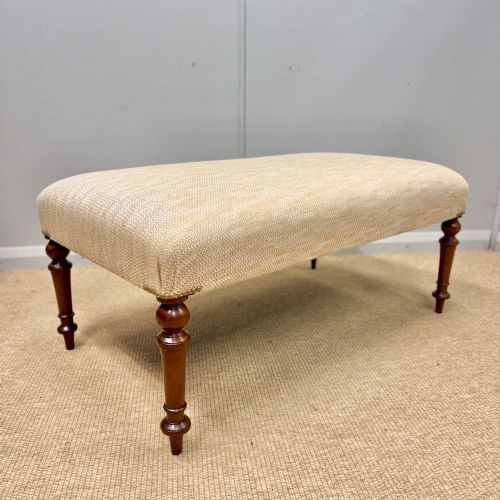
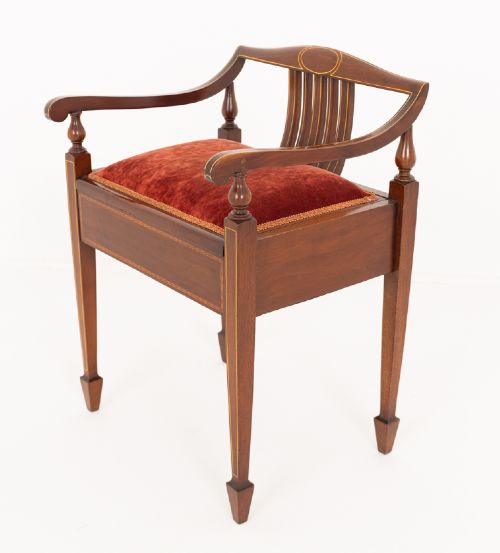
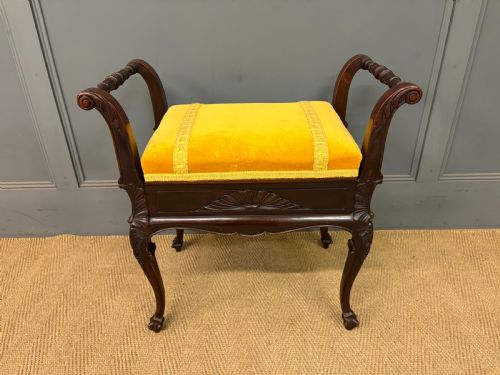
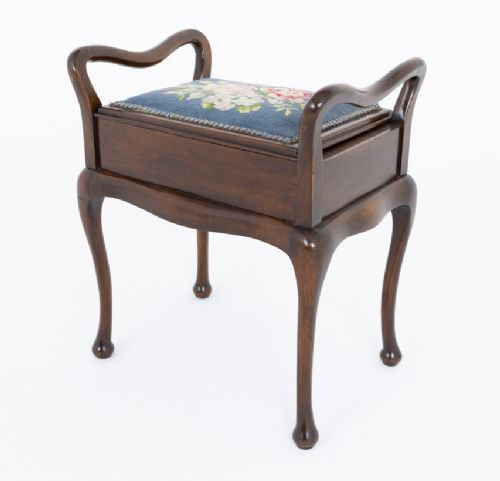
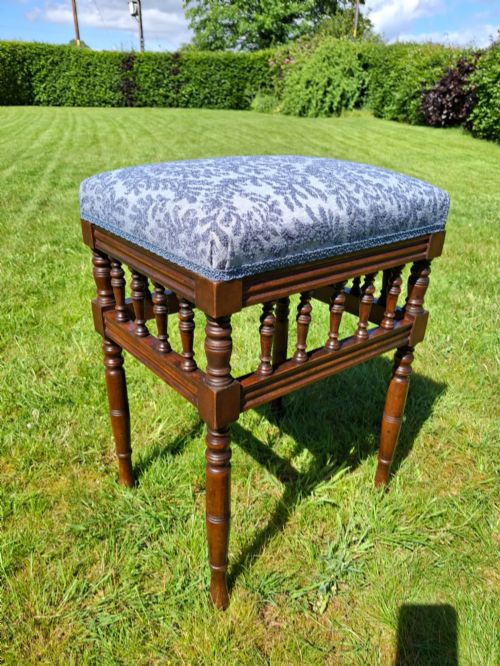
An edwardian piano bench is a specialised seat designed to accommodate one or two players at the keyboard, frequently featuring a lift-up lid to store sheet music. The most common form on this page is the mahogany single or duet stool, often embellished with delicate inlay or standing on slender turned legs.
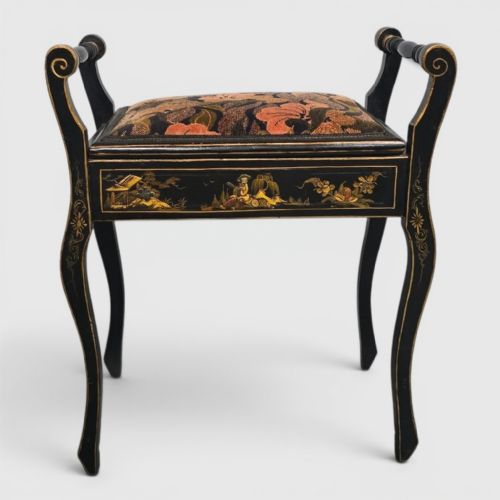
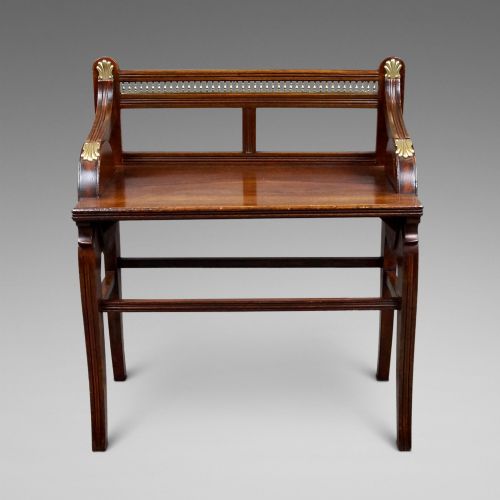
Beyond standard solo and duet piano stools, the selection includes window seats, dressing table stools, and music locker stools spanning the late nineteenth century through to the nineteen-twenties. These pieces draw upon georgian revival, sheraton revival, and arts and crafts styles, reflecting the eclectic domestic tastes of the era.
Makers such as jas shoolbred contributed to this output, producing robust seating in walnut, mahogany, oak, and ebonised timber. Many examples incorporate clever mechanical provisions, from revolving seats to X-frames and cross stretchers, designed for durability and ease of use in the parlour.

How they were made
Timbers like mahogany, walnut, and satinwood form the structural foundation of these benches, often shaped with inlaid decorative motifs or turned legs. Workshops utilised brass hardware for hinges and castors, adding functional detail to the polished wood.
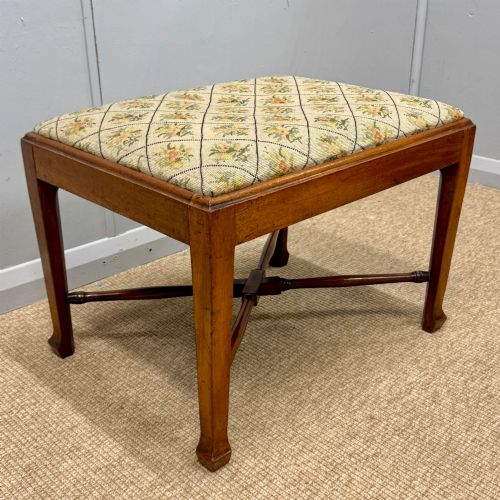
Upholstery relies on traditional textiles, velvet, and tapestry, frequently mounted over buttoned or sprung seats for comfort during long practice sessions. Craftspeople employed joinery techniques such as cross stretchers and X-frames to ensure stability under regular weight.
Edwardian Piano Bench Retail Price Guide 2026
Typical asking prices for edwardian piano bench among the pieces listed under this phrase on Sellingantiques today, from the lower quarter to the upper quarter. They describe what is for sale here now, not the wider market.
The inventory spans the nineteenth century, the Edwardian period, and the nineteen-twenties.
What varies in quality
The distinction between standard commercial production and finer output rests in the crispness of the timber inlay and the weight of the mahogany or walnut employed. Superior examples exhibit refined carving on the legs and tighter joinery in the frame construction.
Internal engineering also dictates worth, particularly the smoothness of the lift-up mechanism or the stability of a revolving seat screw. The choice of covering material, from simple fabric to deep buttoned velvet, marks the difference between basic utility and a grander parlour piece.
Jas Shoolbred
The Edwardian Piano Bench Glossary
- Duet stool
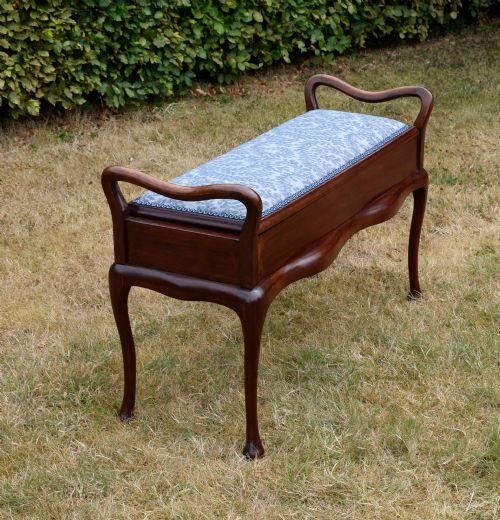
- A wider bench designed to seat two pianists side by side at the keyboard. These often incorporate larger internal compartments for shared sheet music collections.
- Inlay
- The technique of embedding contrasting strips of wood or lighter satinwood into the primary timber surface to create decorative patterns. It defines much of the sheraton revival aesthetic.
- Cross stretcher
- An X-shaped timber brace connecting the legs beneath the seat to provide structural rigidity. It appears frequently on dressing table stools and heavier benches.
- Ebonised
- Timber treated with a dark finish to imitate the dense, black appearance of ebony. This treatment was popular for occasional seating during the late nineteenth and early twentieth centuries.
- Music locker
- A dedicated storage compartment hidden beneath a lift-up seat lid. It held paper folios and bound sheet music within easy reach of the player.
Edwardian Piano Bench: Frequently Asked Questions
What is a piano bench used for?
These benches provide stable, comfortable seating for musicians while seated at a piano or keyboard. Their height allows proper posture and reach across the keys.
Many designs also include internal storage space beneath the seat for organising sheet music and practice books out of sight.
Can I use these benches in other rooms?
These pieces function well as dressing table stools in bedrooms or as window seats in living areas. Their compact proportions make them useful wherever occasional seating is required.
Lift-up variants also offer discreet storage for blankets or magazines in modern hallways and sitting rooms.
What is the difference between a solo and duet stool?
Solo stools are built for single players, offering a compact square or rectangular seat with simple lift-up mechanisms. They suit smaller spaces and individual practice.
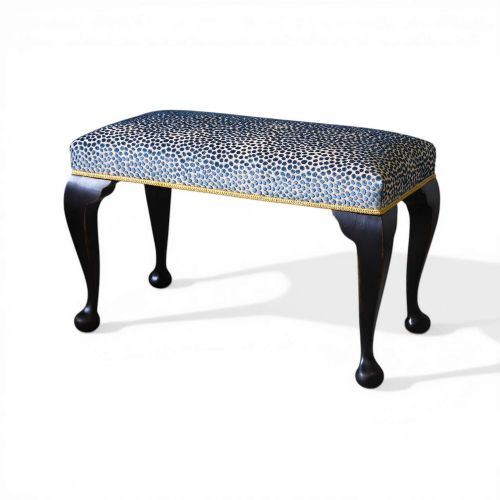
Duet stools are significantly broader to accommodate two people, frequently featuring larger music compartments and sturdier frames with cross stretchers.