



Padded Piano Seat
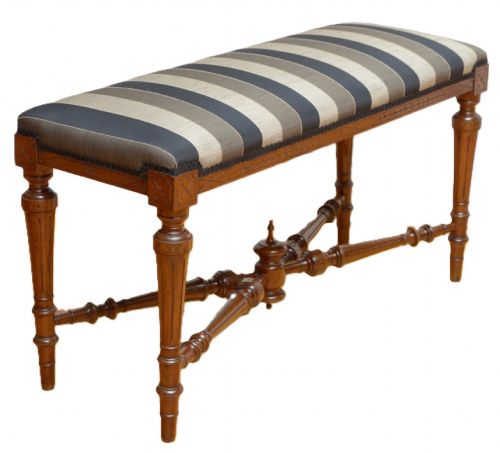
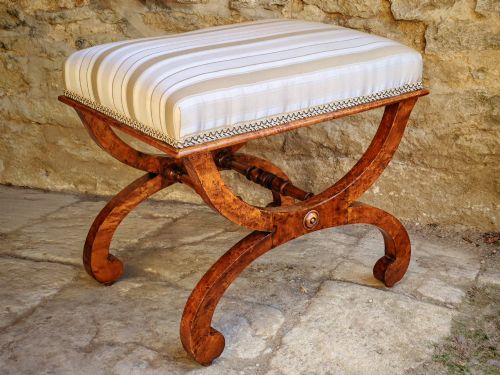
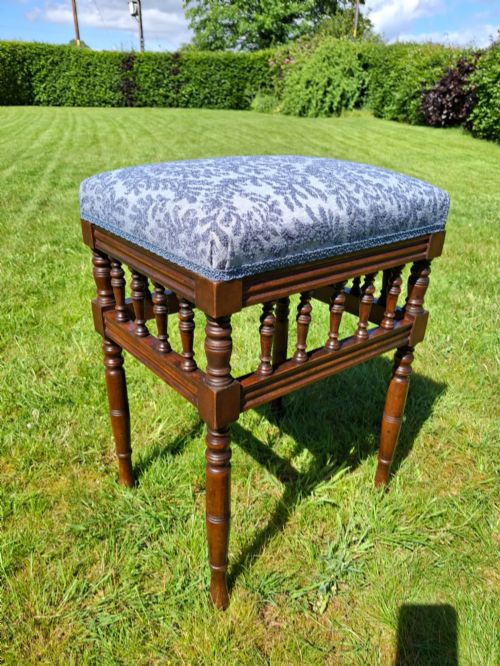
A padded piano seat gives you a firm, supportive perch at the keyboard while bringing period timber into your room.
Padded Piano Seat
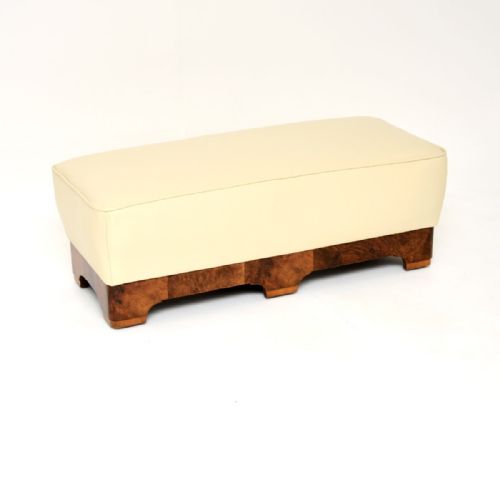
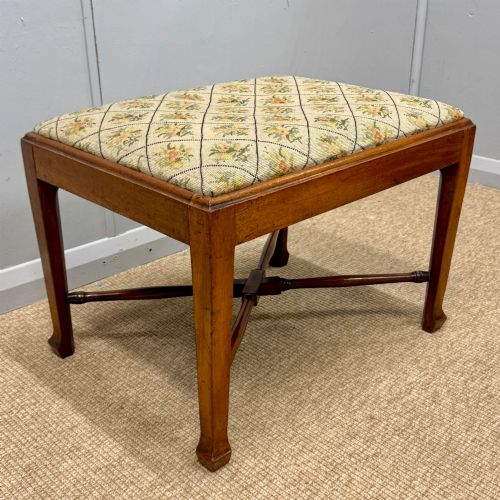
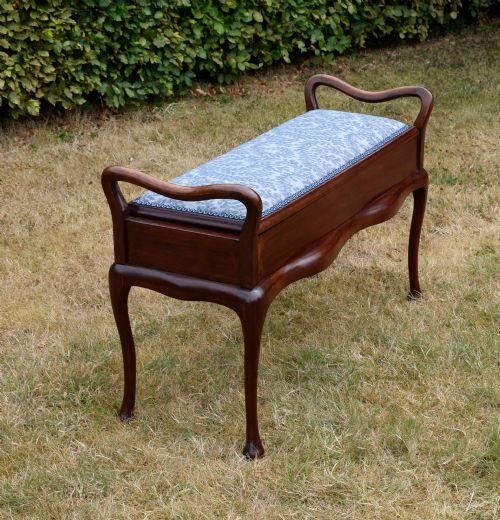
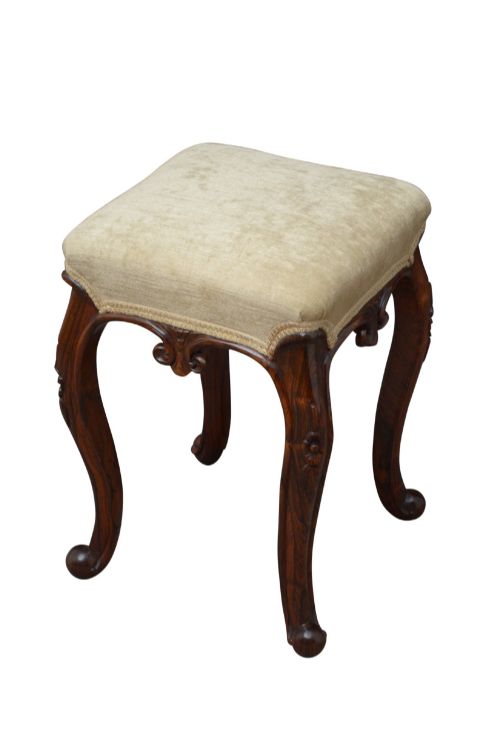
A padded piano seat is a functional musical accessory designed for keyboard players, appearing in forms such as duet stools, revolving seats, and hinged storage benches. When you search for a padded piano seat, you encounter pieces spanning from the mid-nineteenth century through the Edwardian era and into the Art Deco period.
Makers such as James Shoolbred produced practical variations alongside standard adjustable versions. Whether you need a simple mahogany frame or an inlaid Edwardian piece, the selection covers diverse domestic music rooms of the past.
Materials and construction
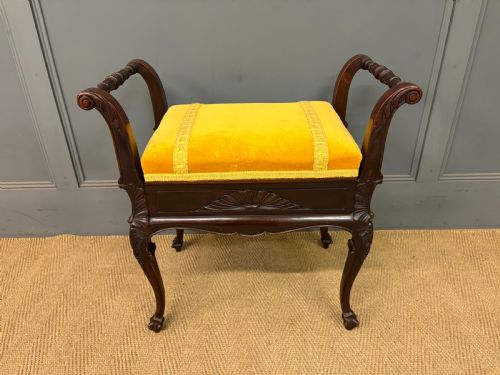
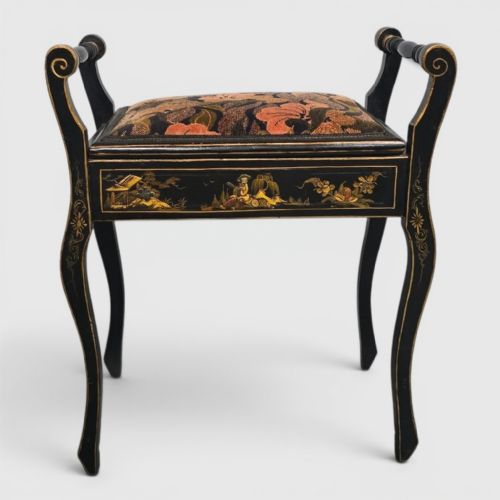
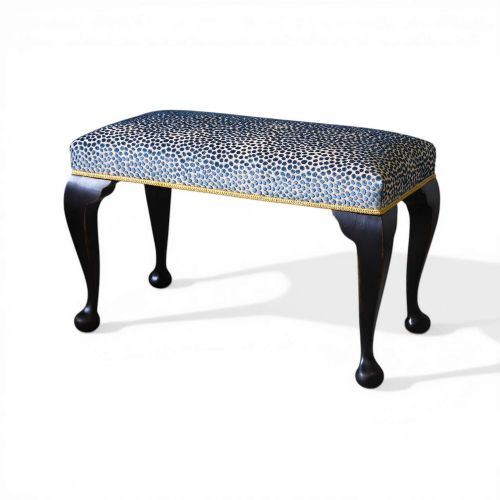
Cabinet makers utilised solid woods including mahogany, walnut, rosewood, oak, and ebonised timber to build the structural frames. Turning, carving, and inlay work defined the legs and aprons, yielding cabriole, turned, and carved supports.
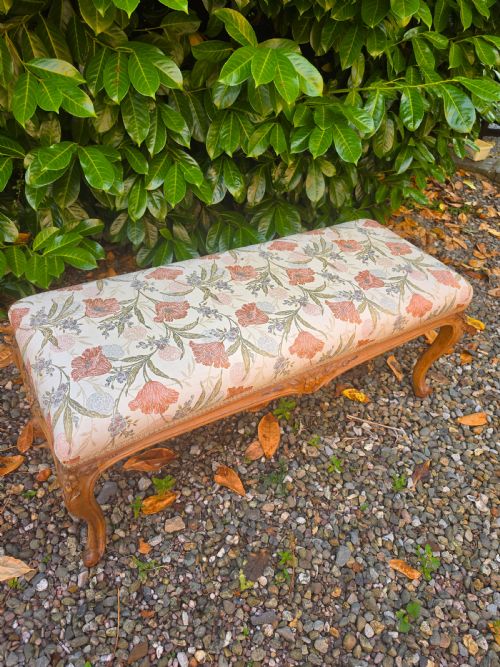
Upholstery completed the seats using traditional textiles such as velvet, leather, tapestry, needlepoint, and fabric. Brass hardware often featured in the rising and revolving mechanisms of adjustable models.
Some Victorian duet stools doubled as secret sheet music hiding spots via clever hinged seats.
Assessing quality and craftsmanship
Quality rests in the choice of timber and the crispness of the carving or inlay on the frame. Denser woods like walnut and rosewood, alongside figured veneers such as burr walnut and burr maple, indicate finer production.
The sophistication of the mechanism also separates standard stools from superior examples. Rising screws, smooth revolving actions, and intact hinged storage compartments demonstrate careful engineering alongside robust joinery.
Jas Shoolbred·James Shoolbred
The Padded Piano Seat Glossary
- Duet stool
- A wider bench designed to seat two musicians side by side. These long forms often incorporate hinged seats for sheet music storage.
- Revolving piano stool
- A seat with a threaded central screw allowing the player to adjust the height by spinning the top. This mechanism usually relies on a cast iron or wooden screw.
- Cabriole leg
- A furniture leg that curves out and then in, mimicking an animal's leg. This shape appears frequently on Victorian and Queen Anne style walnut frames.
- Ebonised
- Timber treated with a dark finish to imitate ebony. This technique was popular for decorative contrast in the late nineteenth century.
- Needlepoint
- Hand-stitched canvas work used for upholstery. It provides a textured, decorative surface for the padded top.
Padded Piano Seat: Frequently Asked Questions
What is a duet piano stool?
A duet piano stool is an extended bench built to accommodate two people playing side by side. Many of these longer versions feature hinged tops that lift to reveal interior storage compartments for sheet music.
They emerged strongly during the nineteenth century as domestic music-making became a popular household pastime.
How do revolving piano seats work?
Revolving piano seats operate on a central threaded spindle that allows the player to spin the top clockwise or anti-clockwise to raise or lower the seating height. This mechanical adjustment helped musicians find the correct posture for the keyboard.
Enclosed box bases often conceal the working screw mechanism while providing stability.
Which woods are most common?
Walnut and mahogany dominate the timber frames across Victorian and Edwardian examples. Cabinet makers also utilised rosewood, oak, and ebonised finishes.
Figured veneers like burr walnut and burr maple appear on more decorative mid-nineteenth century and Art Deco pieces.
How do I style a piano stool today?
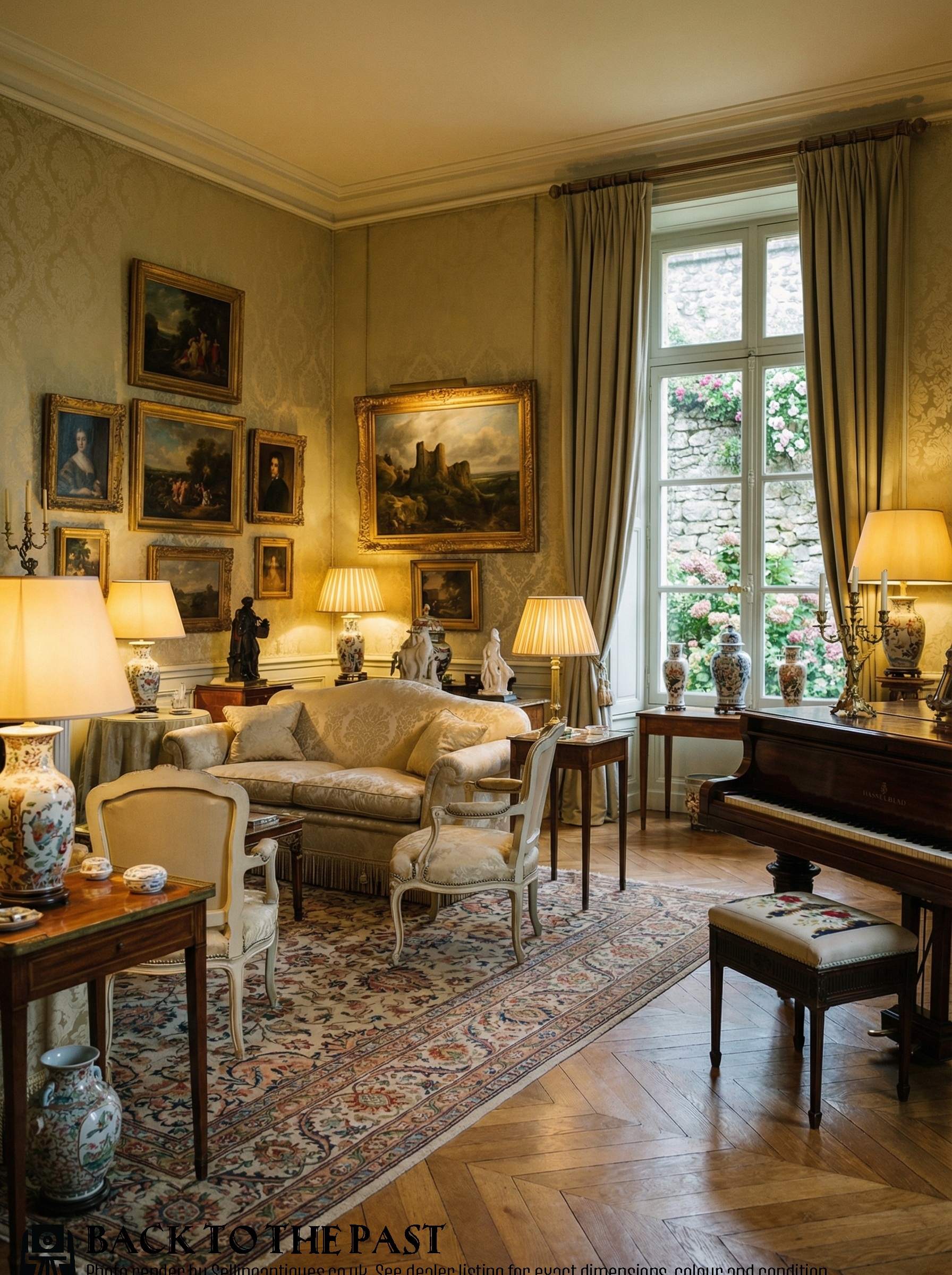
You can use a piano stool anywhere extra seating or a low surface is required in a room. Their compact dimensions make them suitable as dressing table stools, window seats, or small hallway benches.
The varied upholstery fabrics, from leather to tapestry, help them integrate into traditional and modern interiors.