
Victorian Mahogany Stool
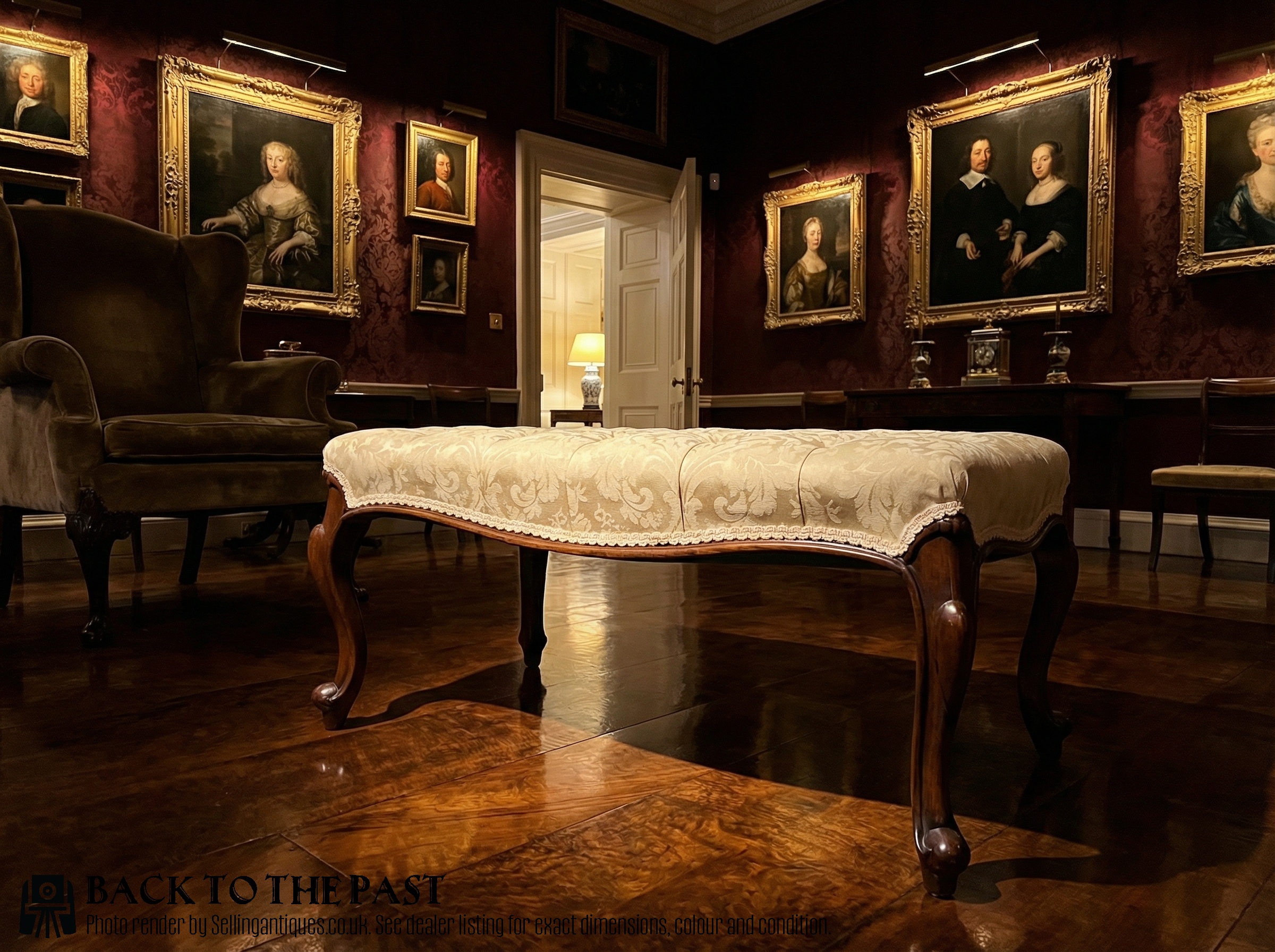
A victorian mahogany stool brings practical seating and period character into a room, spanning modest footstools and elaborate adjustable piano seats.
Victorian Mahogany Stool
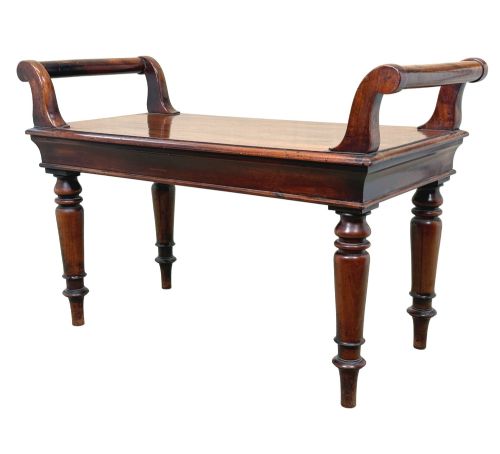
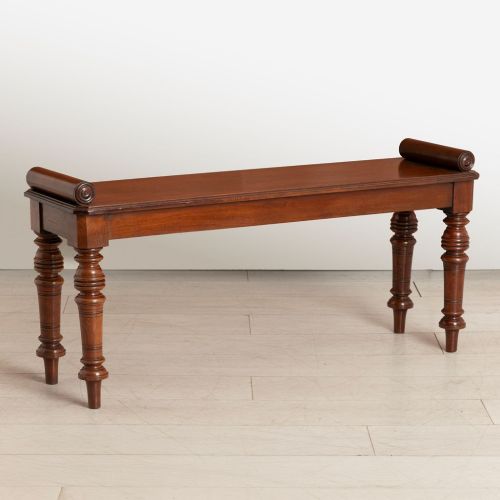
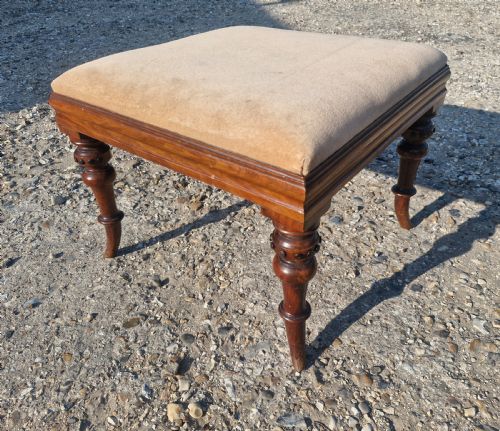
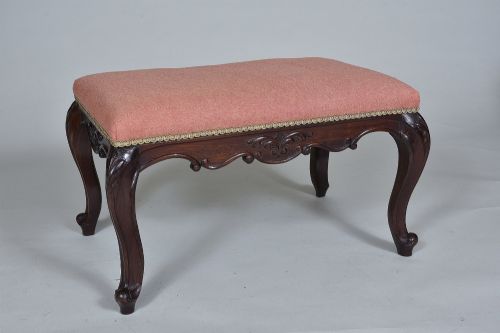
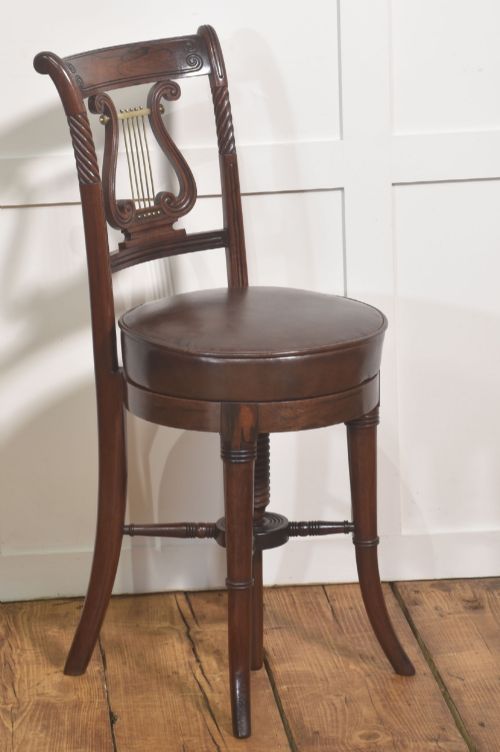
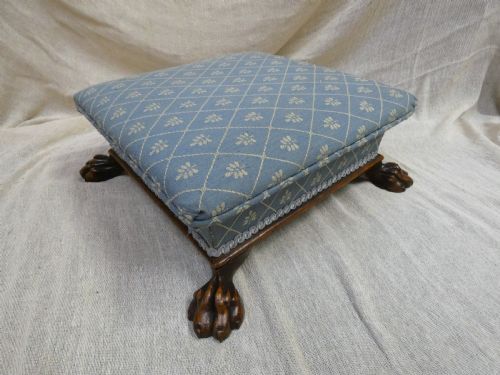
A victorian mahogany stool encompasses several functional forms, most commonly footstools, piano stools, and window seats originating from the nineteenth century.
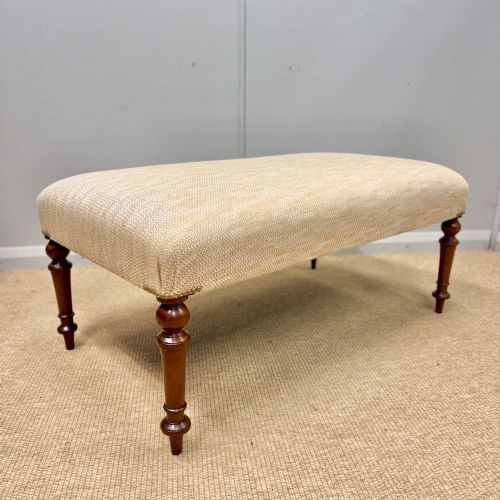
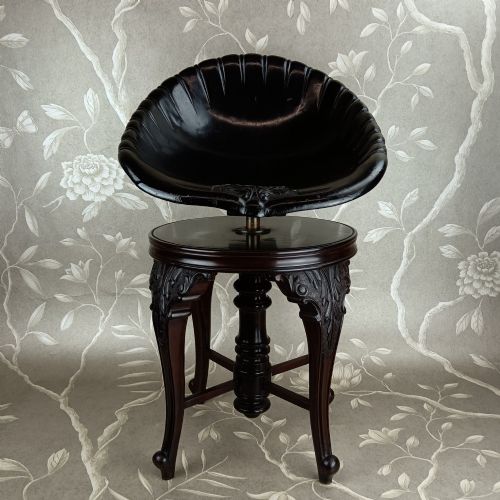
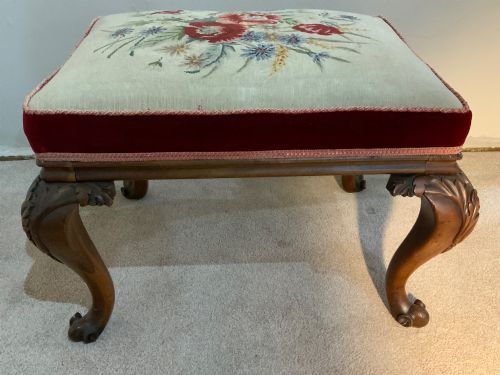
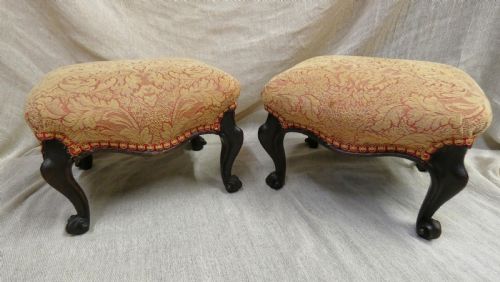
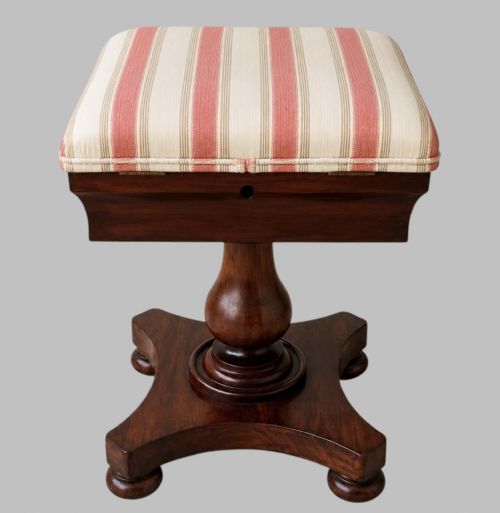
The selection ranges from low upholstered footstools on cabriole legs to swivel-top piano stools and long window seats designed for country house interiors.
Makers utilised dense timber alongside various upholstery textiles to create durable seating that complemented period parlour and drawing room furnishings.

Materials and Construction
Makers constructed frames primarily from solid mahogany, occasionally incorporating brass castors, turning details, and carved cabriole legs.
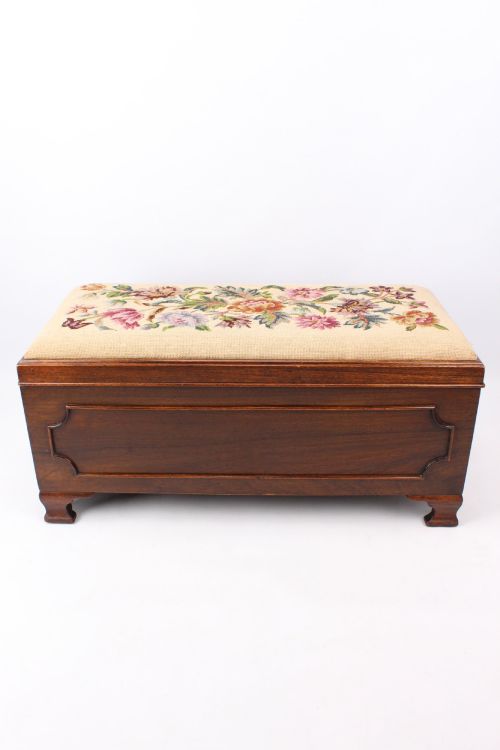
Upholstery methods involved securing fabric, leather, velvet, or needlework tapestry over padding to finish the seats.
Victorian Mahogany Stool Retail Price Guide 2026
Typical asking prices for victorian mahogany stool among the pieces listed under this phrase on Sellingantiques today, from the lower quarter to the upper quarter. They describe what is for sale here now, not the wider market.
Listings feature nineteenth-century seating constructed from mahogany, incorporating brass hardware, leather, wool tapestry, and velvet upholstery.
Craftsmanship and Proportion
Quality shows in the precision of the timber carving, the stability of the frame joints, and the integrity of any mechanical adjustment mechanisms.
Fine examples maintain balanced proportions and retain original upholstery materials or sympathetic period textiles.
Jennens and Bettridge·Jas Shoolbred·Howard and Sons·Hallett and Sons·Gillows·Waring and Gillows·Brooks
The Victorian Mahogany Stool Glossary
- Cabriole leg
- A furniture leg that curves outward at the knee and tapers inward to an ankle, common on mid-nineteenth-century seating. This shape draws inspiration from animal limbs.
- Metamorphic
- Describing furniture designed to transform into another form, such as a gout stool that adjusts angles for resting feet. These pieces utilise clever internal hinges and ratchets.
- Needlework
- Hand-stitched textile designs using wool or silk threads, frequently seen covering Victorian footstools. These decorative panels display botanical or geometric motifs.
- Revolving
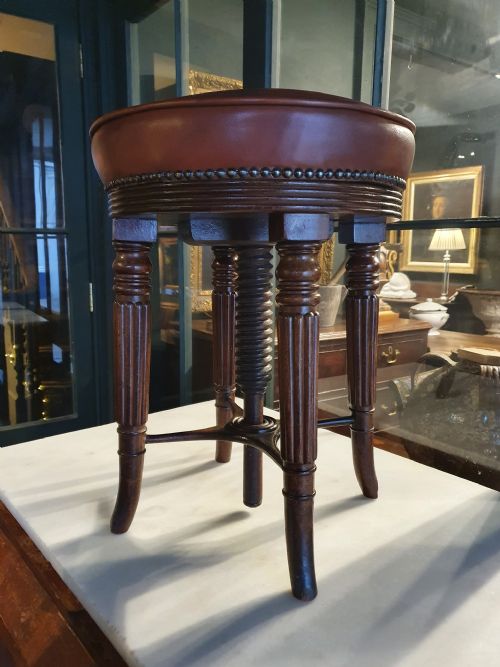
- Describing piano stools and piano chairs featuring a threaded central screw mechanism that allows the seat height to be adjusted by spinning the top. This innovation accommodated different musicians.
- Window seat
- A long, bench-like stool proportioned to sit beneath a window recess. These pieces often feature upholstered tops and decorative show-wood frames.
Victorian Mahogany Stool: Frequently Asked Questions
How do I adjust a piano stool?
Adjustable piano stools operate via a central wooden or metal screw mechanism hidden beneath the seat top. Turning the upholstered cushion clockwise or anticlockwise raises or lowers the seating height.
Older mechanisms may require a locking lever to be released before the screw turns freely. Regular gentle waxing keeps the internal wooden threads functioning smoothly.
What distinguishes a window seat from a footstool?
Window seats are longer, narrower benches specifically proportioned to sit beneath nineteenth-century windows. They often feature finished show-wood frames designed to be viewed from multiple angles.
Footstools are smaller and lower, intended purely for resting feet rather than supporting seated occupants. Their construction focuses on stability and comfortable upholstery padding.
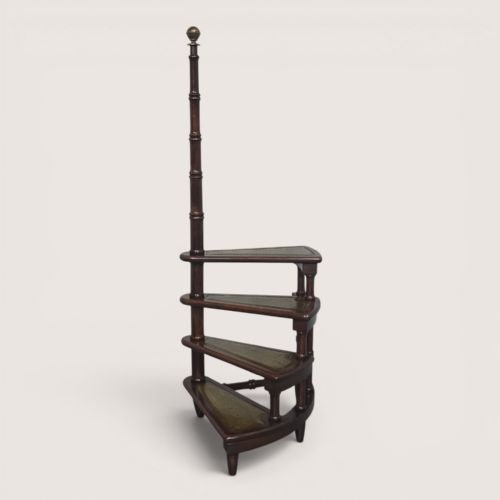
Are library steps considered stools?
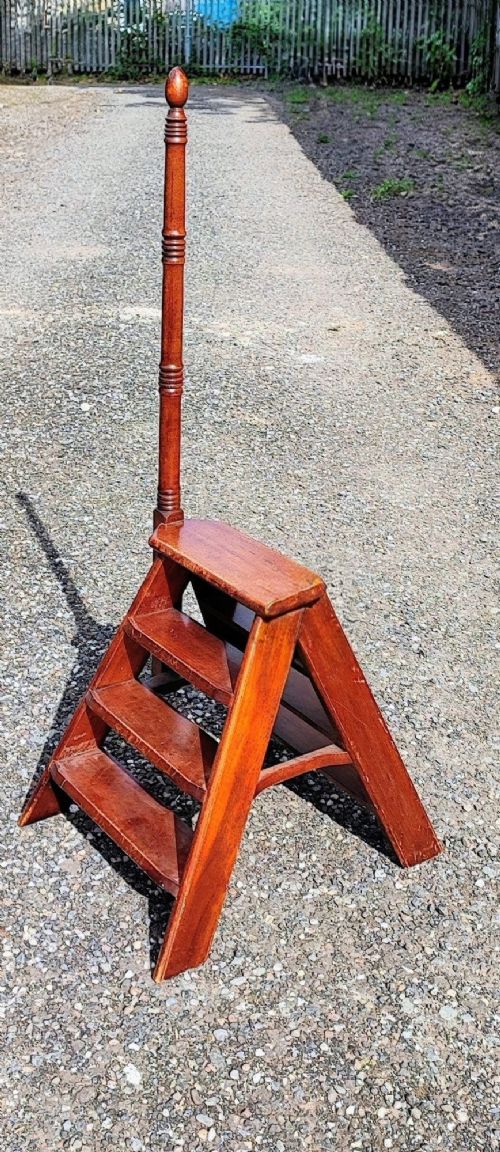
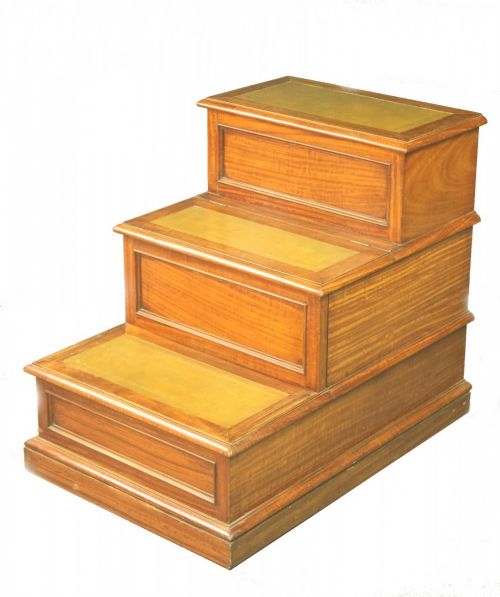
Library steps share construction materials and timber frames with stools but serve an entirely different vertical purpose. They provide tiered access to high bookshelves rather than seating.
Many examples incorporate leather-topped treads and folding or spiral configurations suited to domestic studies.
How should I clean mahogany frames?
Maintain mahogany timber by dusting with a soft, dry cloth to remove surface particles. Avoid modern silicone sprays that build up residue over time.
Apply a traditional beeswax polish sparingly to nourish the grain and preserve the deep reddish-brown tone. Buff gently with a clean cloth to restore a natural lustre.