
Dark Mahogany Stool
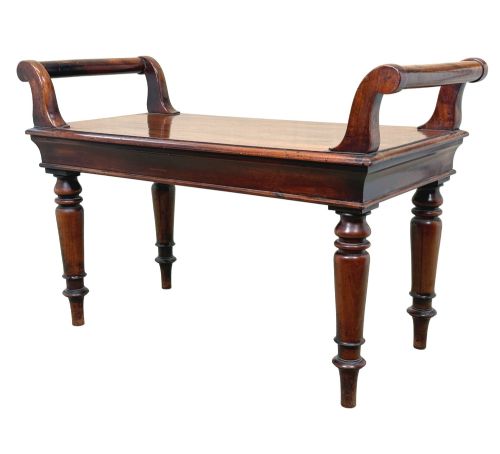
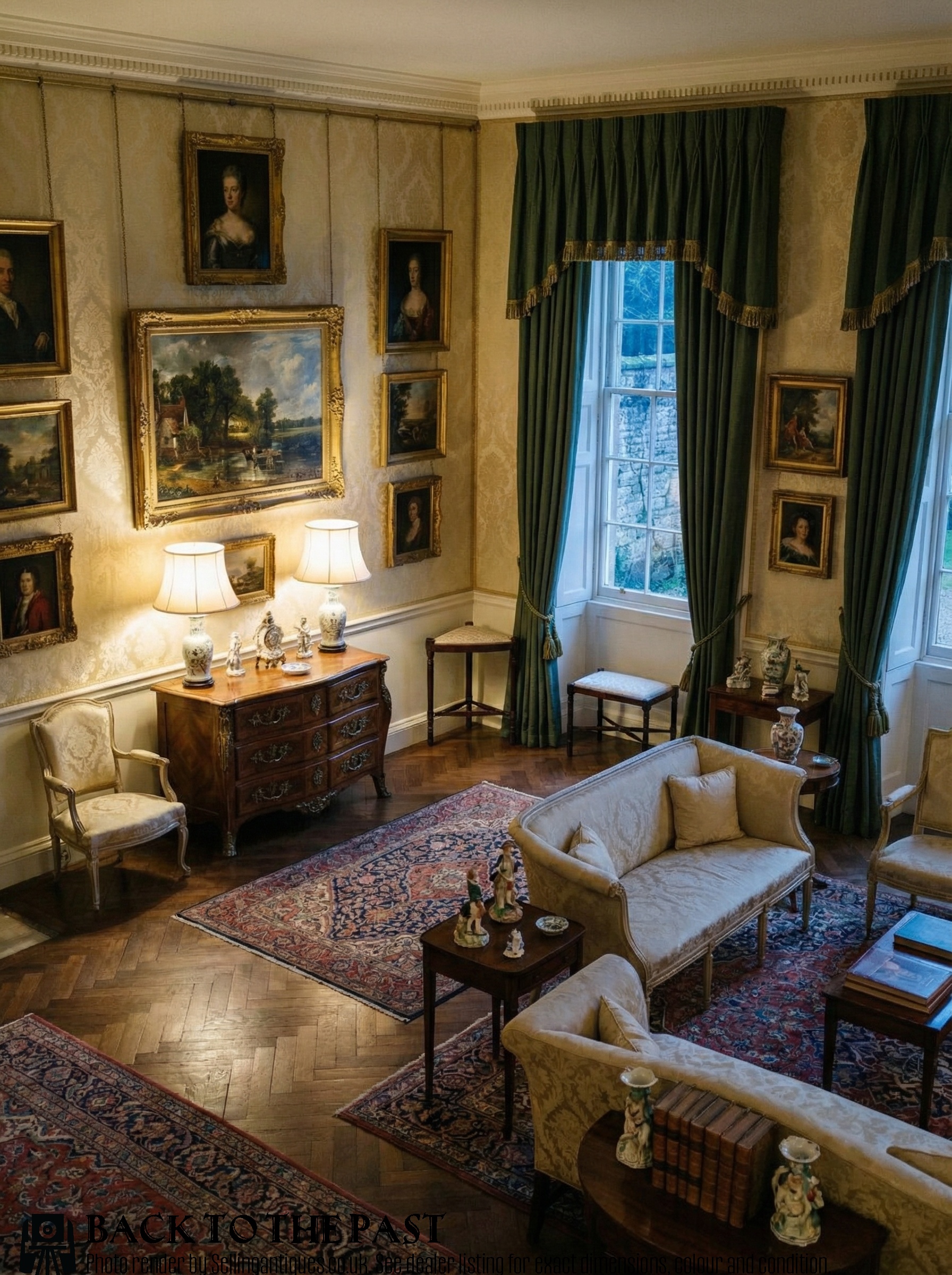
A dark mahogany stool brings dense timber and traditional seating forms together, offering a practical seat that anchors a room.
Dark Mahogany Stool
The pieces appearing most frequently span the Victorian and Edwardian eras, alongside earlier Georgian, Regency, and 18th century examples.
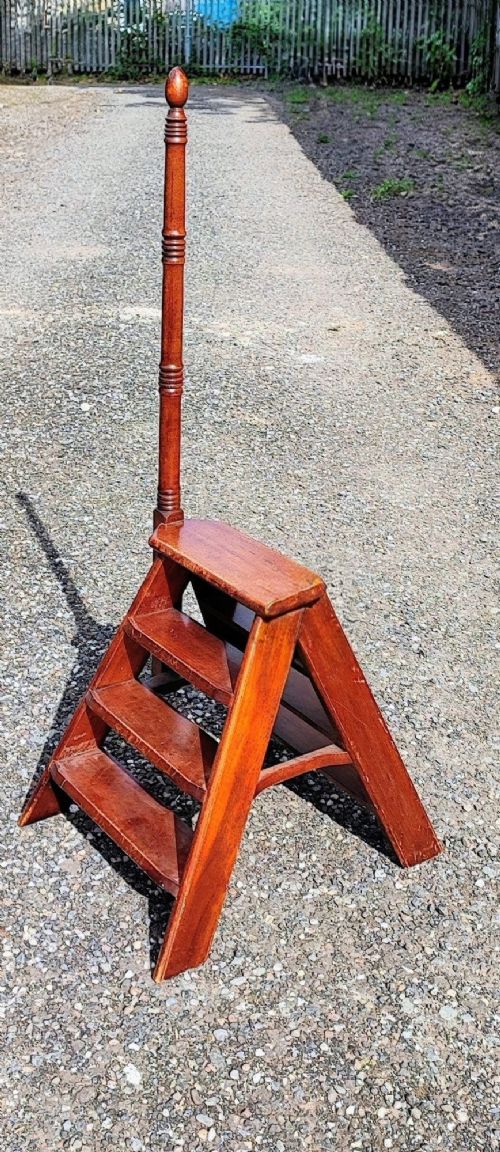
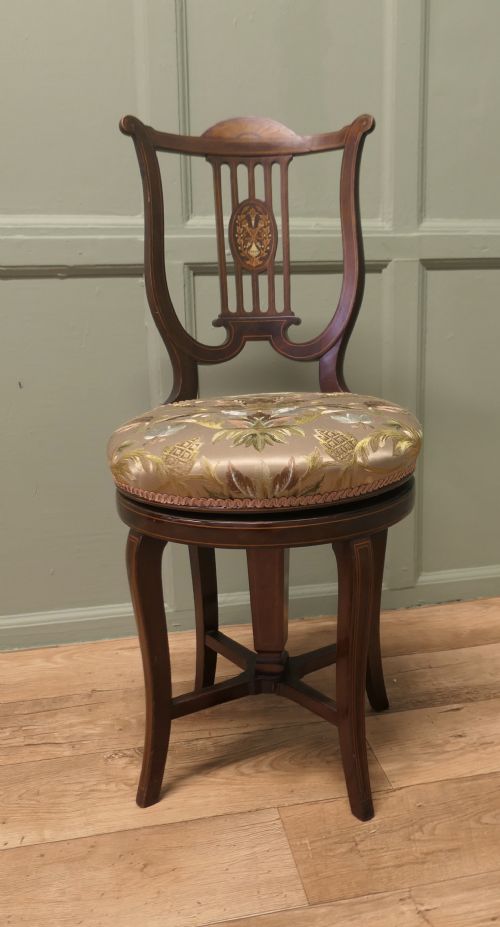
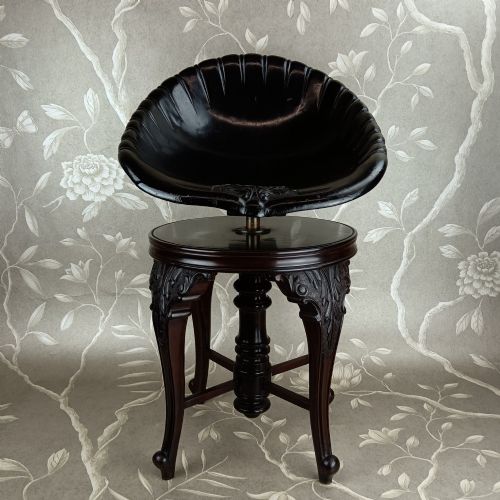
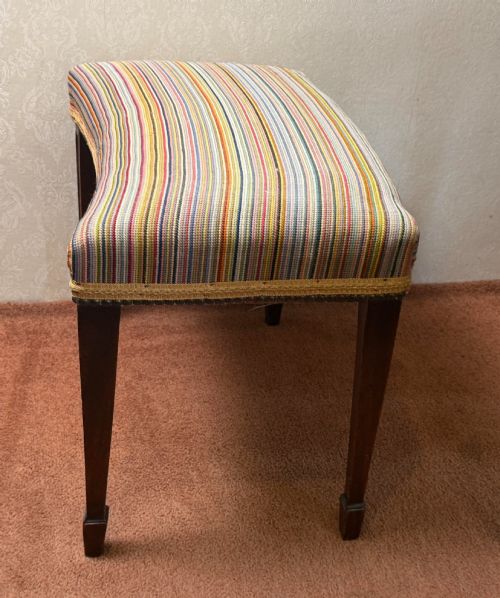
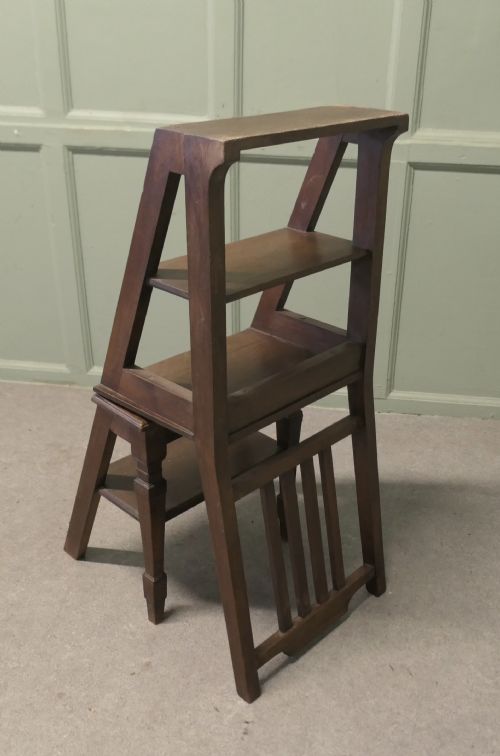
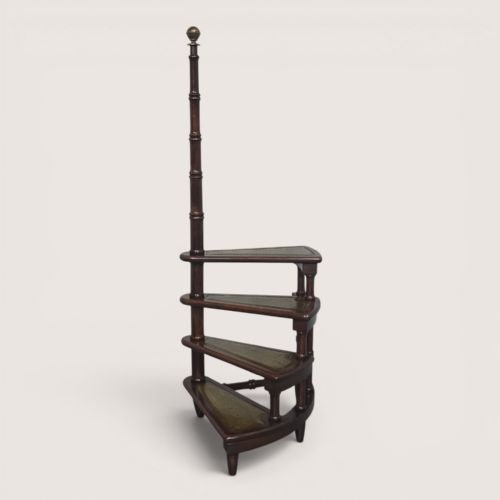
Forms range from simple square tapering leg designs and box stools to revolving music chairs and metamorphic library steps.
How they were made
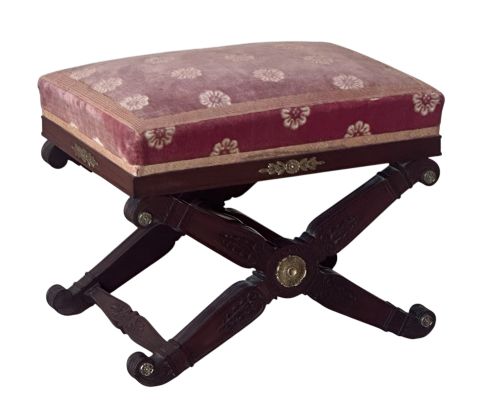
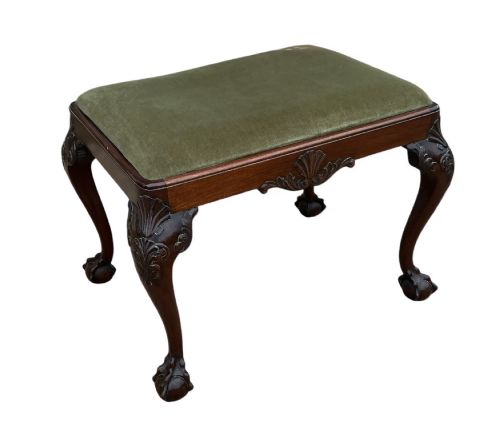
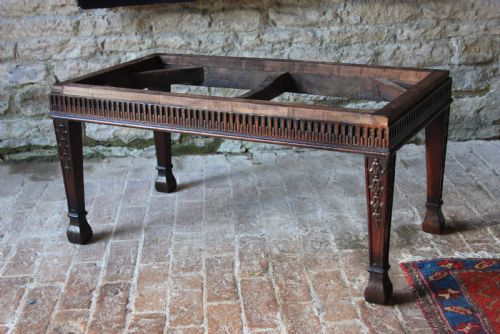
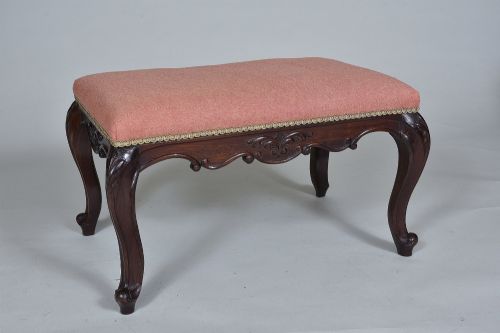
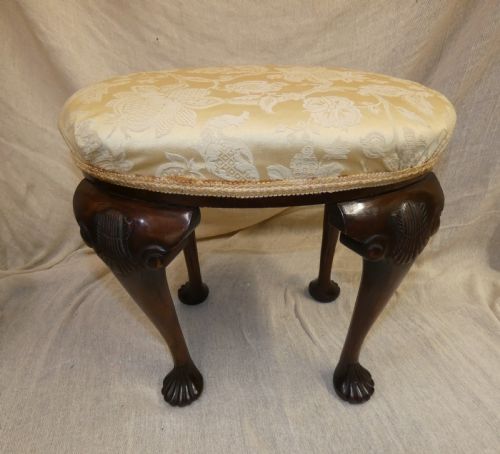
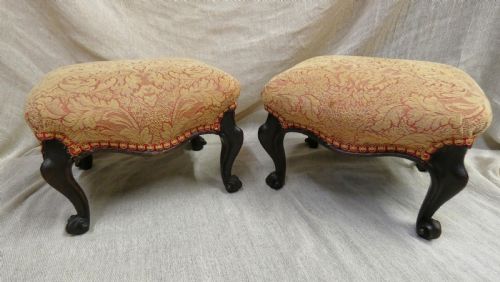
Makers utilised solid mahogany and hardwood frames, often shaping the timber into cabriole legs, square tapering legs, or X frames.
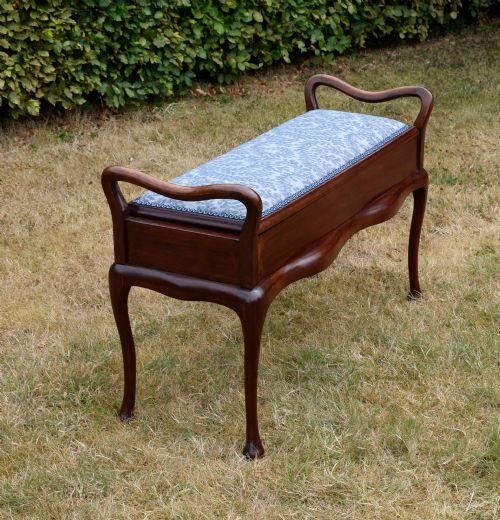
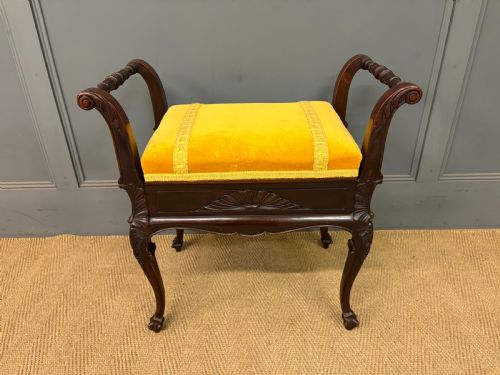
Upholstery techniques incorporated fabric, leather, velvet, and tapestry to pad the seats of piano stools, benches, and footstools.
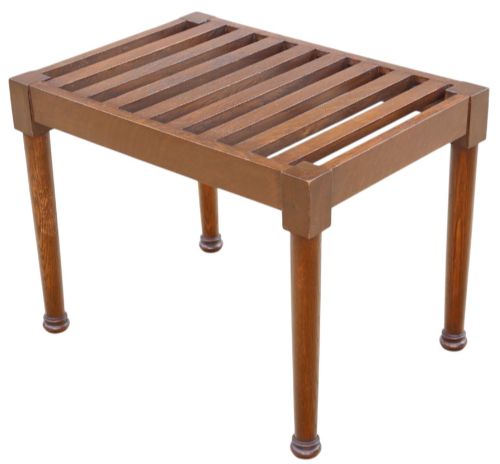
Metal components such as brass appear on adjustable swivel mechanisms, revolving piano seats, and luggage stands.
Musicians relied on revolving harpist and cello music chairs to spin gracefully during long practice sessions.
What varies in quality
The standard of carving and timber selection dictates the refinement of a dark mahogany stool, distinguishing standard production from finer workshop output.
Complexity of function, such as swivel mechanisms on piano stools or metamorphic library steps, influences the mechanical execution.
The preservation of original upholstery materials, whether leather, velvet, or tapestry, affects the integrity of the piece.
Jennens and Bettridge·Jas Shoolbred·Gillows
The Dark Mahogany Stool Glossary
- Cabriole leg
- A furniture leg that curves out and then in, resembling an animal's leg. This form appears frequently on 18th century and Victorian stools.
- Metamorphic
- Furniture designed to transform into another object, such as library steps that convert into a chair ladder. These pieces utilise clever pivoting hinges.
- Revolving
- A seat mechanism that turns on a central axis, commonly found on Victorian and Regency piano stools. It allows the player to adjust height or position.
- Upholstery
- The materials used to pad and cover a seat frame, including fabric, leather, velvet, and tapestry. These surfaces show various historical textile styles.
Dark Mahogany Stool: Frequently Asked Questions
How do I date a dark mahogany stool?
Dating relies on observing structural characteristics, timber grain, and leg styles such as cabriole or square tapering forms.
Periods span from the 18th century through the Victorian and Edwardian eras, each showing distinct decorative details.
Were piano stools adjustable?
Many piano stools incorporate a swivel top or screw mechanism to alter the height for the musician.
These adjustable designs often feature brass fittings and solid mahogany frames.
What is a metamorphic library stool?
A metamorphic library stool is a piece that unfolds or transforms into a set of steps for reaching high bookshelves.
Edwardian and earlier examples combine sturdy hardwood frames with functional folding hardware.
How do I care for leather upholstery?
Leather upholstery on antique stools requires gentle cleaning and conditioning to maintain the material's suppleness.
Avoiding direct sunlight helps prevent the dark mahogany and leather from drying out.
What styles are common in these stools?
Common styles include Victorian, Edwardian, Regency, Georgian, and revival designs like Chippendale and Queen Anne.
These stylistic markers help identify the intended period and aesthetic of the piece.