


18th Century Footstool
An 18th century footstool brings period warmth to a room, offering low timber framing and traditional upholstery.
Identifying an 18th Century Footstool
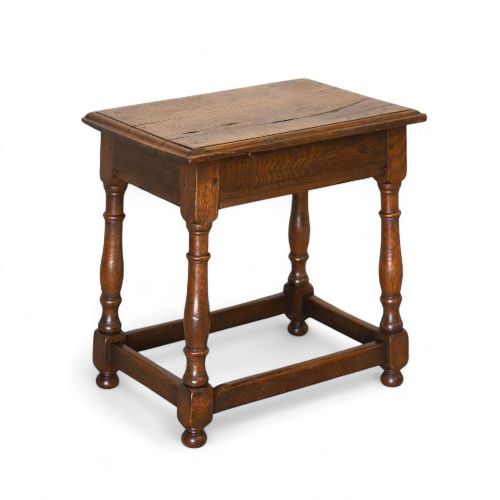
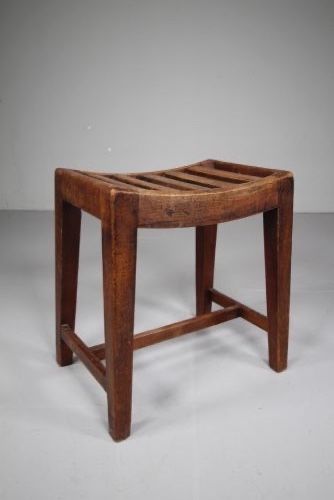
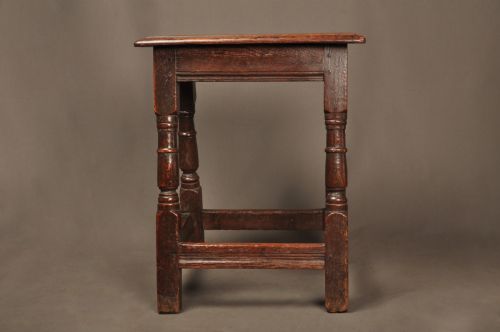
When you search for an 18th century footstool, you encounter low timber seating designed for fireside comfort and foot support. The pieces on this page span the 17th century, 18th century, and Georgian periods, showing both simple vernacular forms and more formal seating.
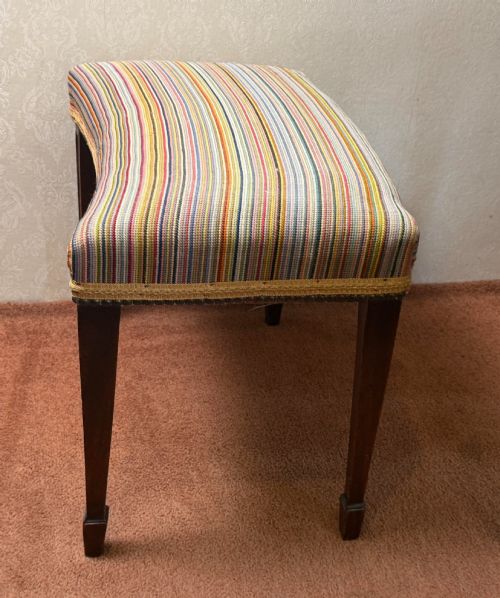
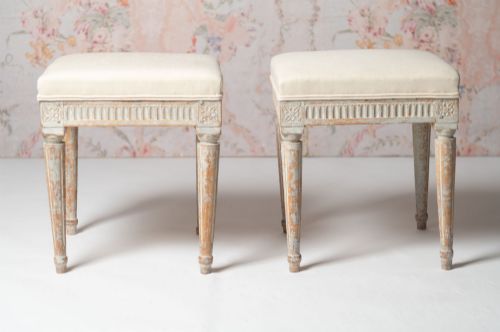
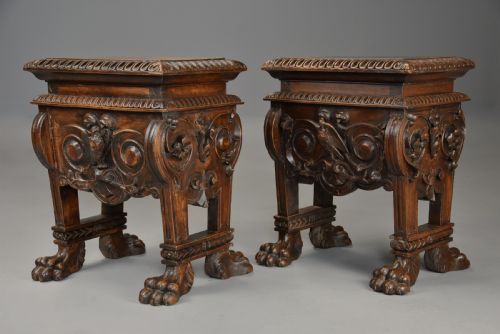
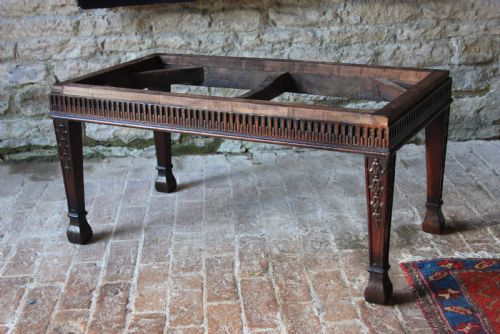
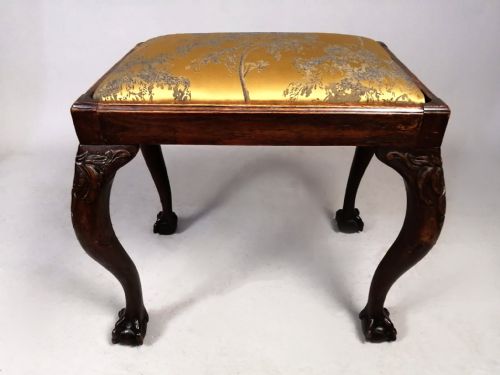
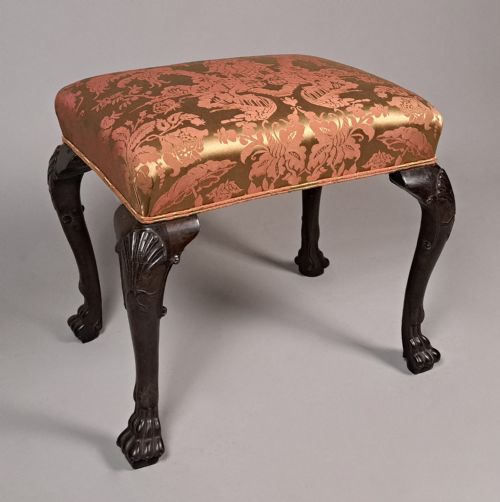
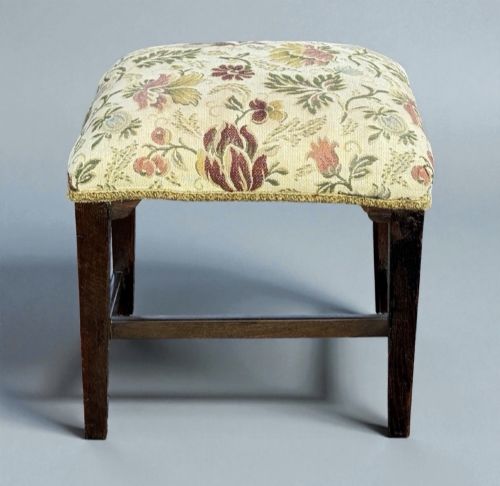
The most common formats here feature sturdy frames in oak, mahogany, walnut, elm, and hardwood, often raised on cabriole legs. Upholstery varies across the selection, featuring period tapestry, damask fabric, wool tweed, and other traditional textiles.
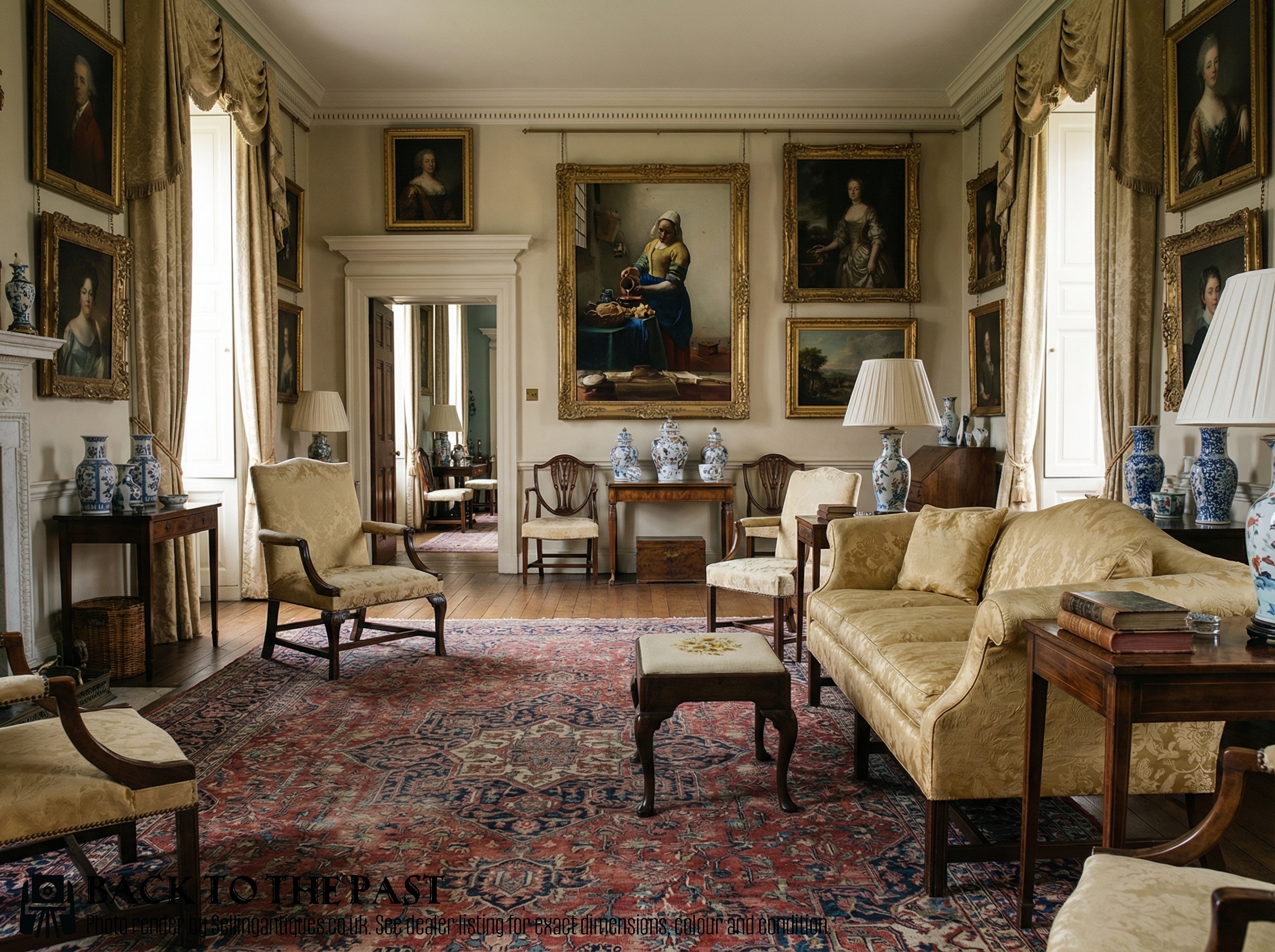
Stylistically, these footstools connect to Queen Anne, George II, and broader Georgian design movements. They survive as compact furnishings that integrate easily beside firesides or armchairs in contemporary and traditional interiors.
Assessing Quality and Character
Quality rests in the harmony between timber choice and the crispness of the frame's hand-carved details. Mahogany and walnut examples with well-defined cabriole legs sit at the upper end of the scale compared to simpler vernacular pieces.
The integrity of the frame construction and the sympathetic choice of replacement or original textile upholstery dictate the overall finish. Better pieces maintain their original timber colour and patination without excessive structural intervention.
Retail Price Guide 2026
Typical UK retail prices for 18th century footstool, calculated from the Sellingantiques database of over a million retail prices indexed since 2003. This retail price guide relies exclusively on Sellingantiques data; no external sources or auction records are used, so the figures do not describe the wider market.
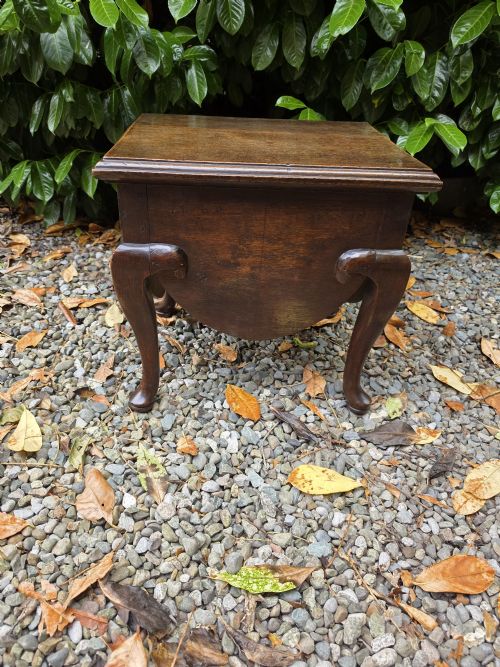
Some carriage stools doubled as impromptu passenger seating on bumpy 18th-century journeys before retiring to the fireside.
The 18th Century Footstool Glossary
- Cabriole leg
- A furniture leg that curves outward in a convex arc and tapers inward in a concave arc, ending in a pad or foot. This form derives from animal limbs and defines much Georgian seating.
- Damask fabric
- A reversible, figured fabric woven on a jacquard loom with patterns formed by contrasting warps and wefts. It provides a formal, textured surface for period upholstery.
- Tapestry
- A heavy hand-woven textile featuring pictorial or geometric designs. It appears frequently on antique stools as a durable and decorative top cover.
- Vernacular furniture
- Items made by local craftsmen for everyday use rather than high-style metropolitan workshops. These pieces prioritise practical function over elaborate ornament.
- Patina
- The surface sheen and colour acquired by wood and fabric through age, handling, and light exposure. Good patination shows decades of gentle use.
Frequently Asked Questions
What is an 18th century footstool?
An 18th century footstool is a low timber seat built for domestic comfort, designed to rest feet near the fireplace or support seated tasks. These pieces combine structural woodwork from periods like the Georgian era with upholstered textile tops.
Craftsmen built them from hardwoods like mahogany, walnut, oak, and elm, shaping them with straight or cabriole legs. They survive as functional items that add period character to modern spaces.
How were these footstools used?
People used these low stools beside armchairs and hearths to elevate feet away from cold draughty floors. Some variations served secondary roles as piano stools or small movable seats.
Their compact size allowed them to be repositioned easily around the room depending on where warmth or seating was needed.
How do I live with an antique footstool?
Living with an antique footstool involves placing it away from direct heat sources and strong sunlight to protect the timber and fabric. Regular dusting with a dry cloth keeps the wood finish healthy.
While sturdy, these pieces benefit from gentle everyday use rather than heavy standing weight, preserving their historic joinery.
How can I tell periods apart?
Distinguishing periods relies on observing timber choices, leg profiles, and structural silhouettes. Early 18th century pieces often feature walnut with shaped cabriole legs, while later Georgian items frequently utilise mahogany or oak.
Upholstery fabrics also offer clues, though many stools have been re-covered over the centuries to match changing interior fashions.