




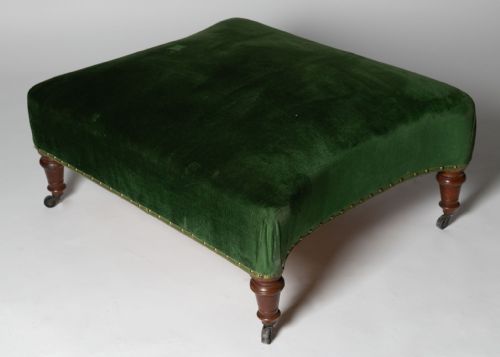
Antique Padded Footstool
An antique padded footstool provides low seating or leg support, pairing sturdy timber frames with traditional textile upholstery for domestic comfort.
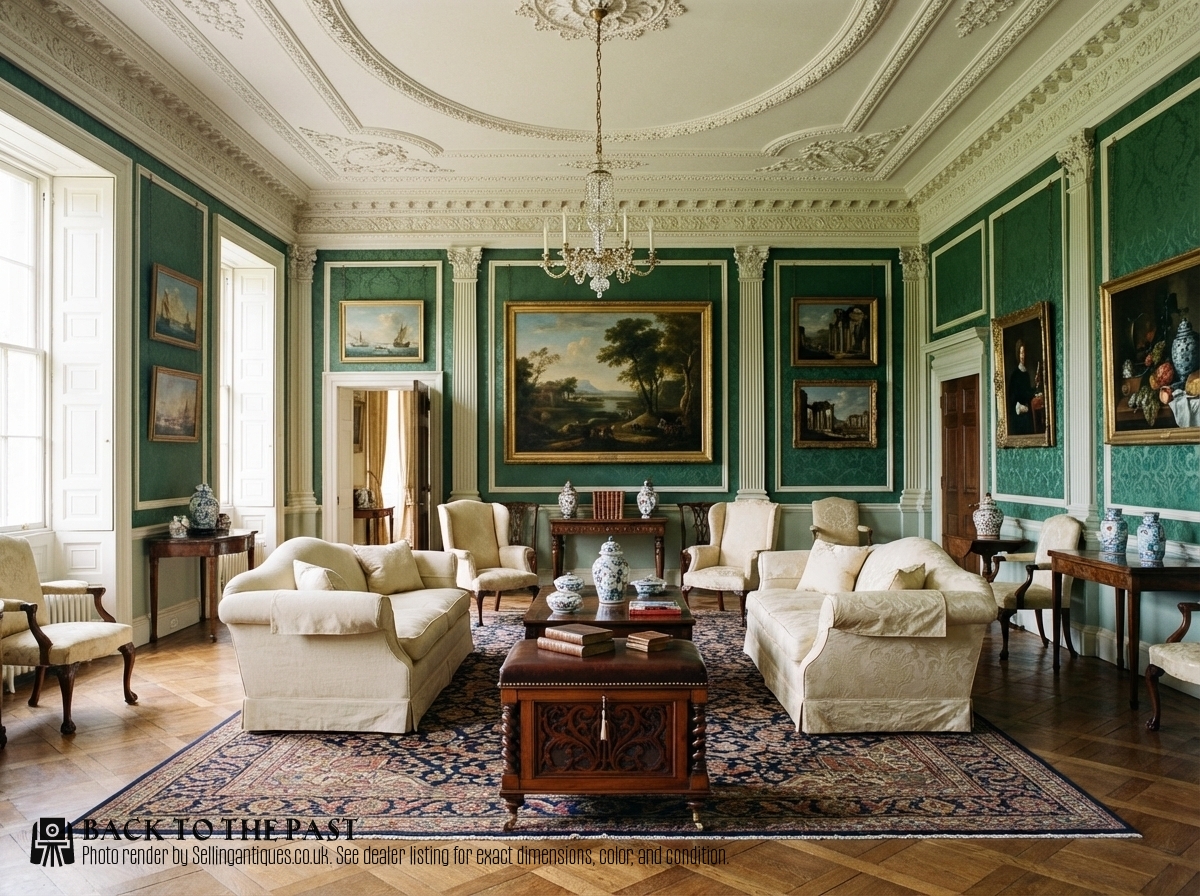
Antique Padded Footstool
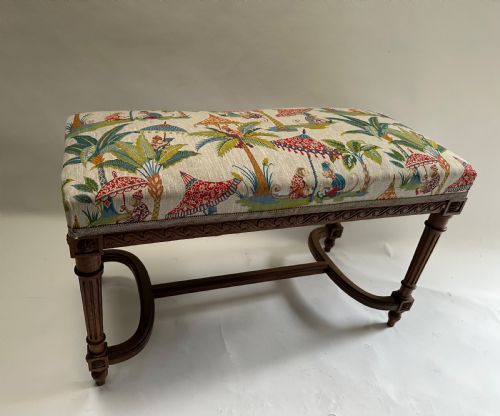
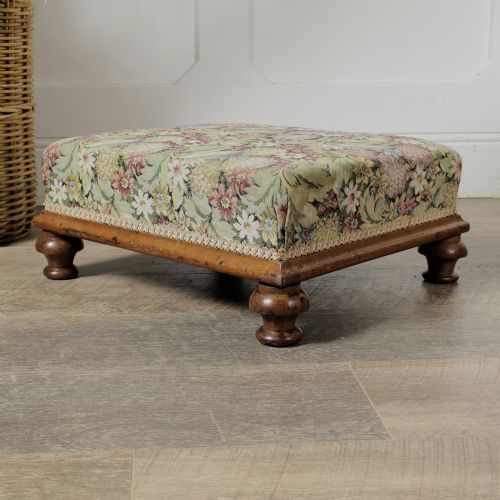
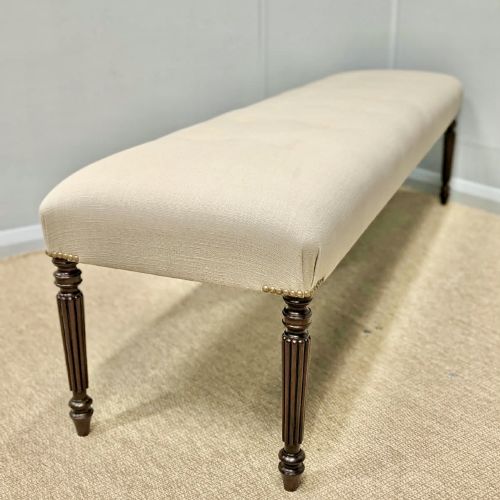
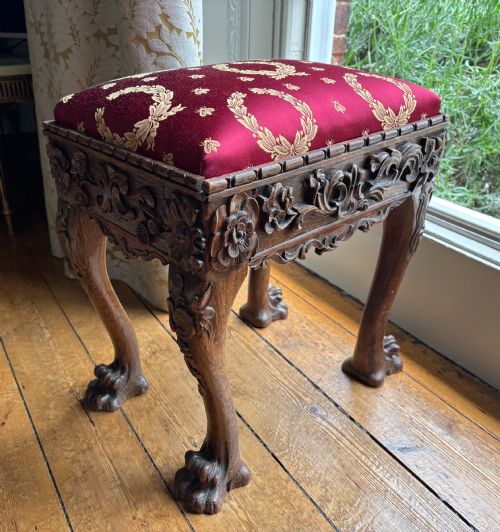
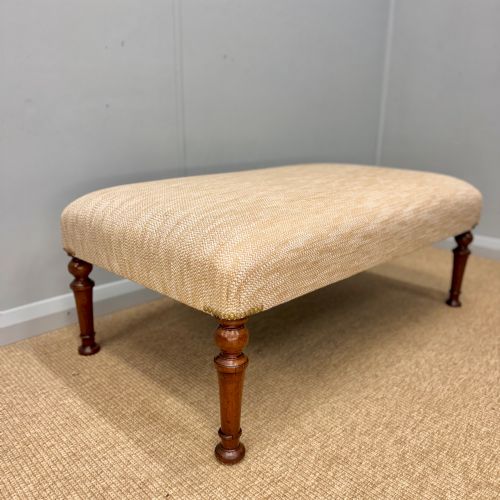
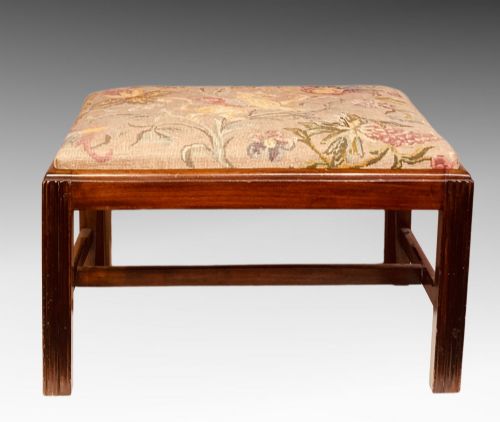
When searching for an antique padded footstool, buyers encounter a variety of low seating forms designed for parlours, dressing rooms, and firesides. The pieces appearing here span the eighteenth, nineteenth, and early twentieth centuries, reflecting changing domestic habits across the Georgian, Victorian, and Edwardian eras.
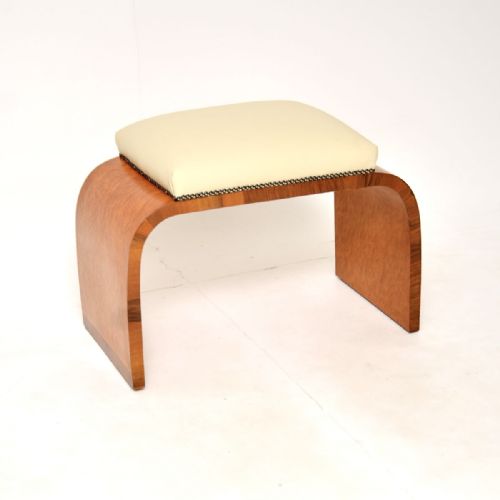
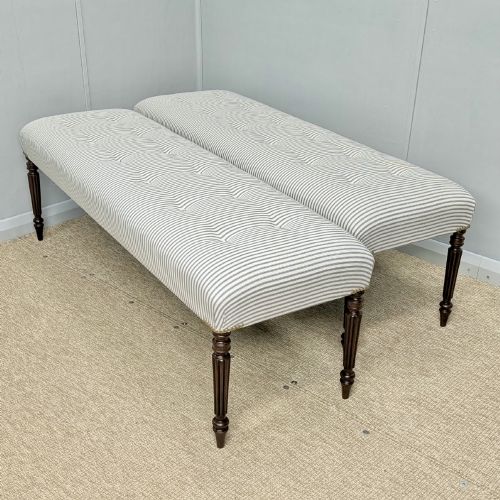
The most common examples on this page date from the Victorian period, often featuring walnut or mahogany frames with upholstered tops. Alongside standard footstools, the selection includes dressing table stools, piano stools, and longer benches reflecting diverse nineteenth and twentieth-century domestic uses.
Materials and construction
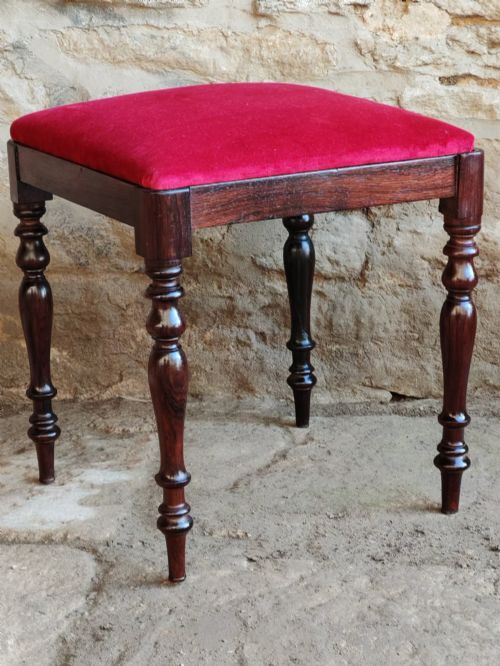
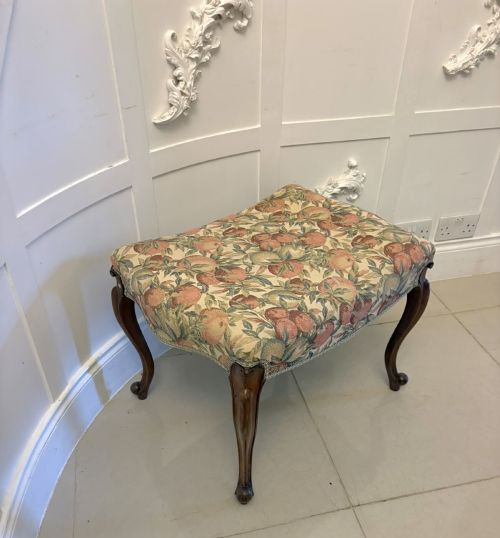
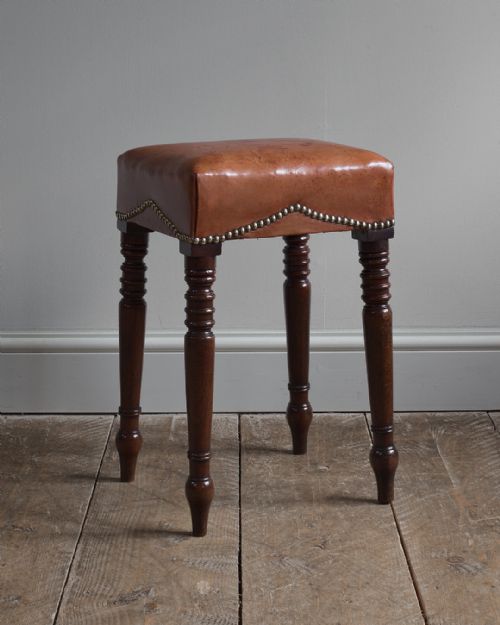
Makers constructed these frames using hardwoods such as mahogany, walnut, rosewood, and pitch pine, shaped with turned, cabriole, or square tapering legs. Joinery methods relied on traditional mortise and tenon joints to ensure stability under daily weight.
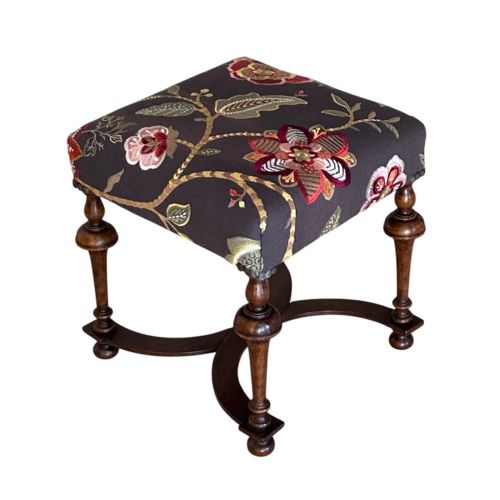
Upholstery formed the top layer of comfort, utilising textiles, tapestry, velvet, and fabric over padding. Brass castors occasionally appeared on larger nineteenth-century examples to aid movement across heavy carpets.
Antique Padded Footstool Retail Price Guide 2026
Typical asking prices for padded footstool among the pieces listed under this phrase on Sellingantiques today, from the lower quarter to the upper quarter. They describe what is for sale here now, not the wider market.
Keep an eye out for metamorphic gout stools, designed to let Victorian gentlemen rest aching ankles in adjustable comfort.
Distinctions in quality
The standard of timber selection and carving largely separates finer examples from everyday seating. Finer pieces display carefully figured veneers like burr maple or oyster walnut, alongside deeply carved cabriole legs and detailed mouldings.
Construction heft and proportion also matter, with grander scale pieces utilising denser hardwoods and more substantial framing. Original details such as turned barley-sugar legs or parcel gilding elevate the sophistication of the design.
Mathew Gregson
The Antique Padded Footstool Glossary
- Cabriole leg
- A furniture leg that curves out and then in, mimicking animal legs and commonly ending in pad or claw feet. This form is frequently seen on walnut and mahogany stools from the eighteenth and nineteenth centuries.
- Stretcher
- A horizontal support connecting the legs of a stool to improve stability. These can be plain, turned, or feature cross configurations.
- Castor
- A small wheel fitted to the base of a leg to allow easy movement. Brass versions are typical on larger nineteenth-century footstools.
- Upholstery
- The padded and fabric-covered top of the seat. Many pieces feature period textiles or have been newly recovered to match traditional methods.
- Bobbin leg
- A turned leg shaped to resemble a string of beads or bobbins. This decorative turning appears frequently on mid-nineteenth-century rosewood pieces.
Antique Padded Footstool: Frequently Asked Questions
What is an antique padded footstool used for?
These pieces served multiple domestic functions, primarily as footrests by firesides or as low seating in dressing rooms and parlours.
Specific variants also functioned as piano stools or specialised gout stools to elevate tired limbs.
How do I date an antique footstool?
Dating relies on examining the timber species, leg profiles, and construction methods characteristic of different eras. Georgian pieces often display mahogany with square tapering legs, while Victorian versions favour walnut with cabriole supports.
Secondary indicators include the presence of hand-turned elements and the style of any applied stretcher.
Are these footstools upholstered in original fabric?
Many surviving examples have been reupholstered over time to preserve functionality and match contemporary interiors. Some pieces retain period textiles, tapestry, or velvet from the nineteenth or early twentieth centuries.
Listings generally note whether the fabric is recent or original.
What woods were used for these stools?
Cabinetmakers utilised dense hardwoods capable of supporting frequent weight and detailed carving. Mahogany, walnut, and rosewood dominate the nineteenth-century selections.
Alternative timbers such as pitch pine, elm, and ebonised beech also appear across specific regional and period pieces.