


Brown Leather Stool
A brown leather stool brings utilitarian warmth to a room, offering sturdy seating or a resting place for feet across various traditional forms.
Brown Leather Stool
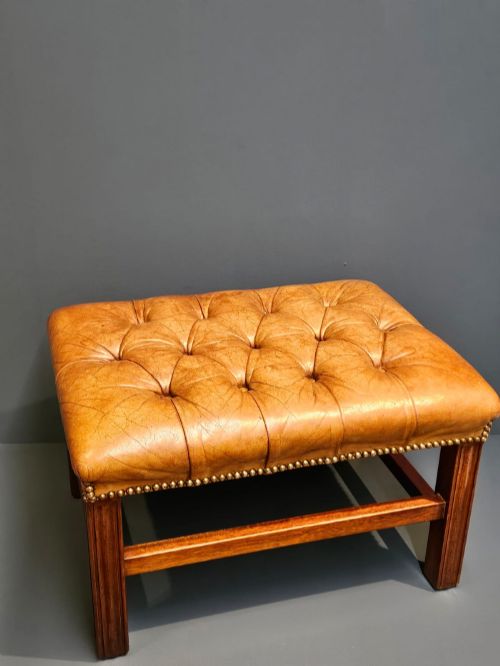
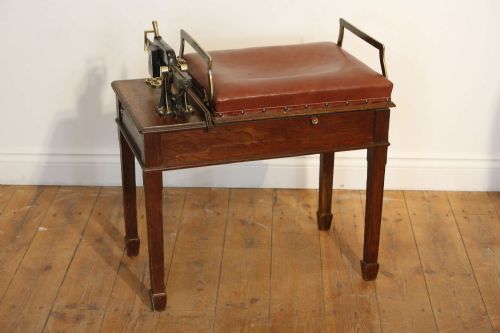
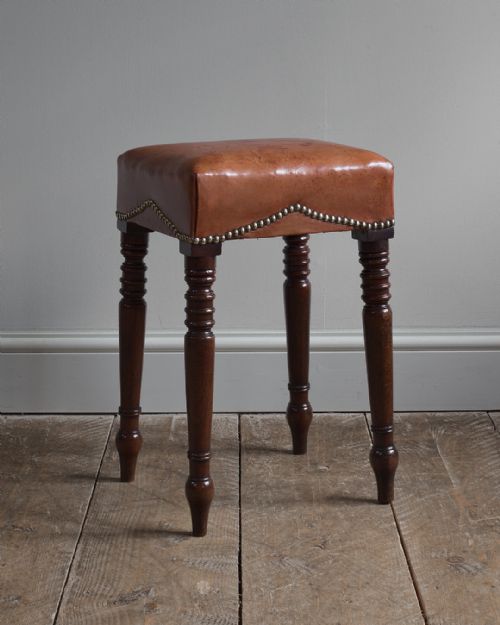
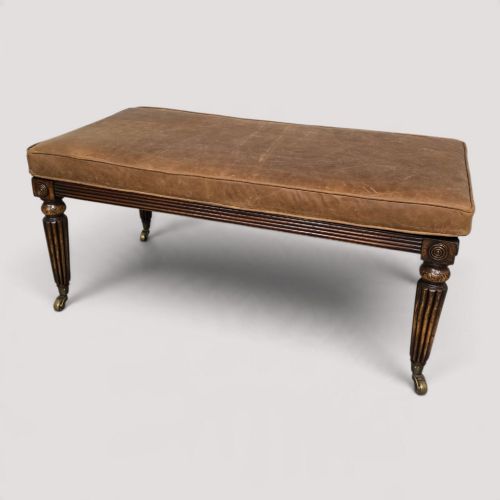
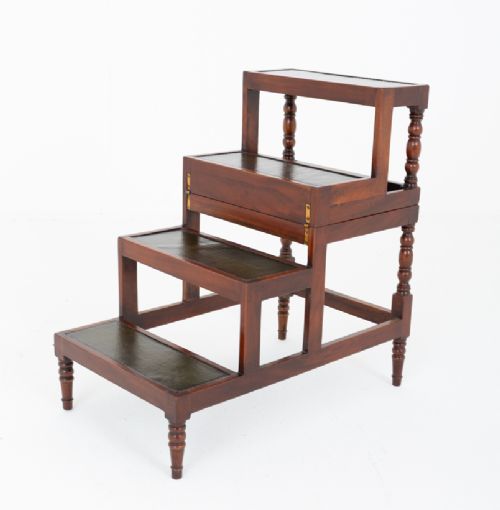
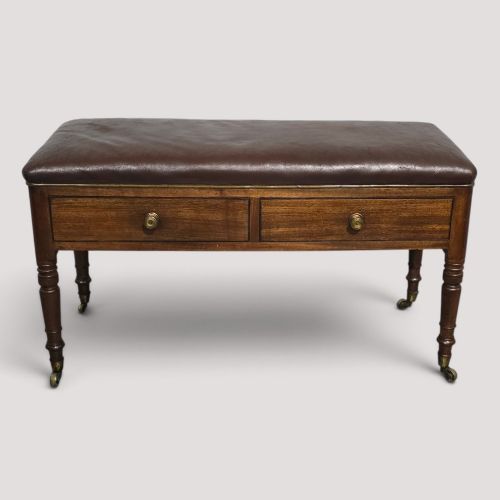
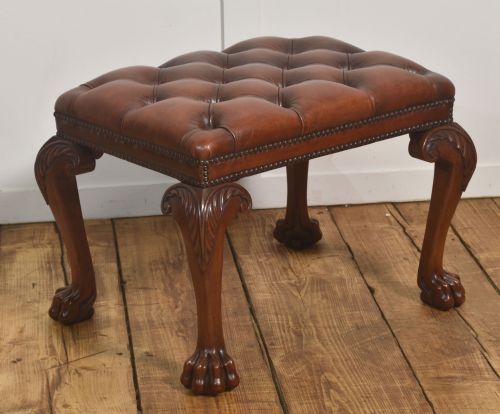
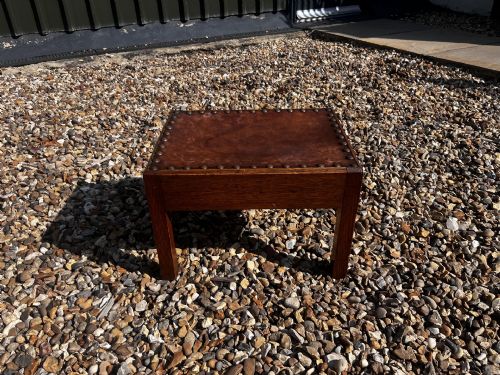
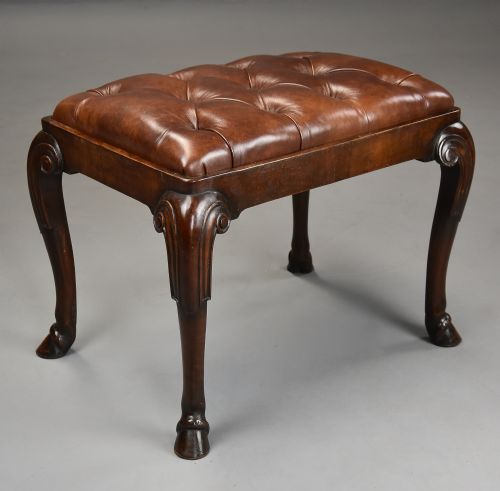
When you search for a brown leather stool, you encounter a surprisingly broad array of utilitarian and decorative domestic seating, spanning from compact piano seats to large country house ottomans and library steps with leather-topped treads. The selection on this page leans heavily toward nineteenth-century and early twentieth-century examples, incorporating periods such as Victorian, Edwardian, and Regency alongside revivalist aesthetics like Chippendale and Queen Anne.
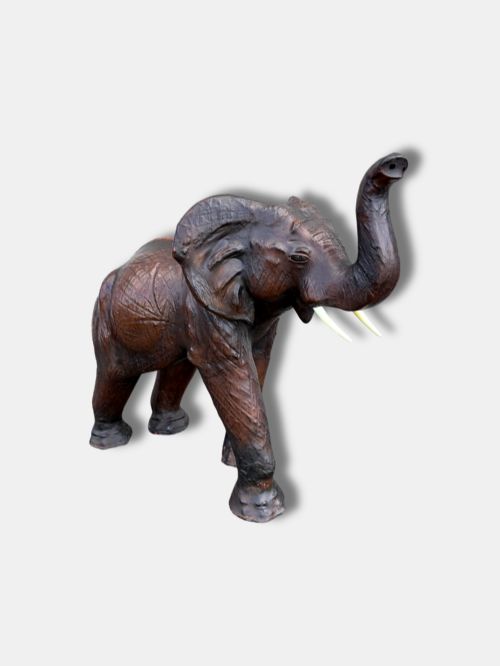
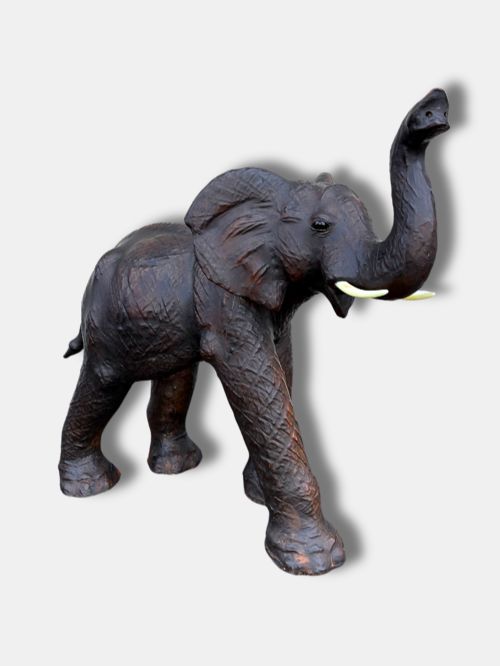
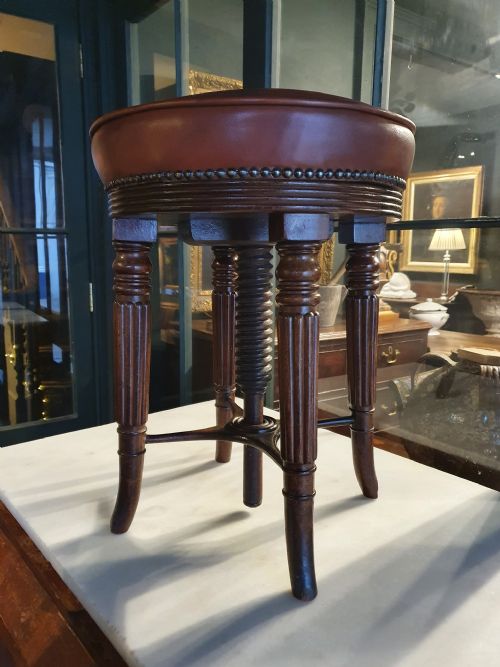
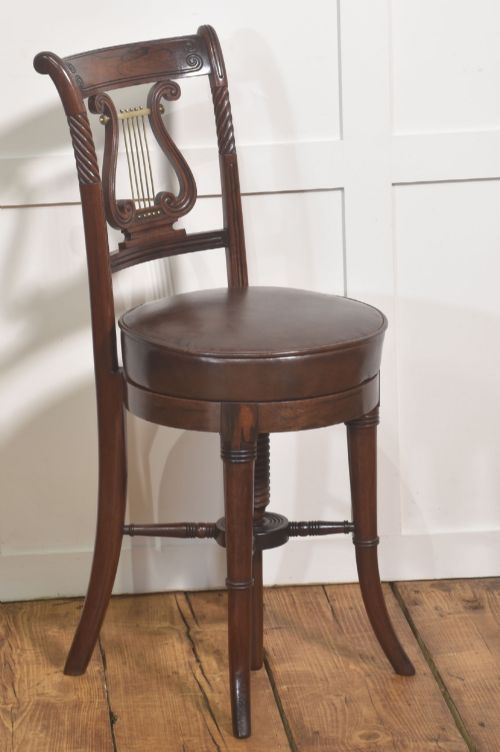
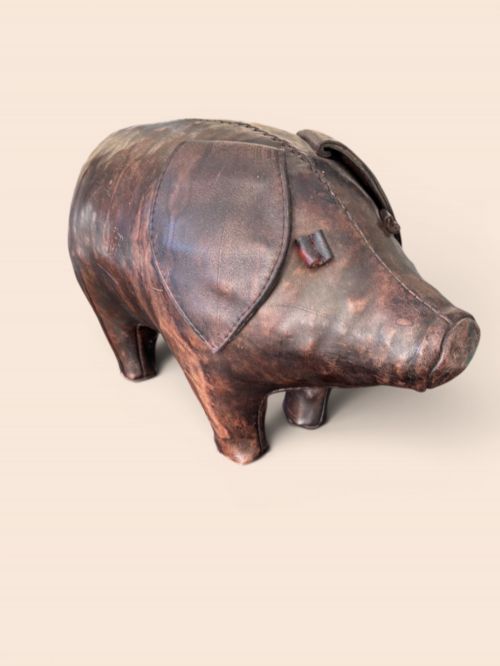
Beyond standard low footstools, the grouping includes adjustable piano stools, revolving music seats, metamorphic library chairs, and whimsical novelty animal forms produced by workshops like Omersa for Liberty. Mahogany, walnut, and oak form the primary timber frameworks, supporting hides that range from plain polished surfaces to deep buttoned upholstery.
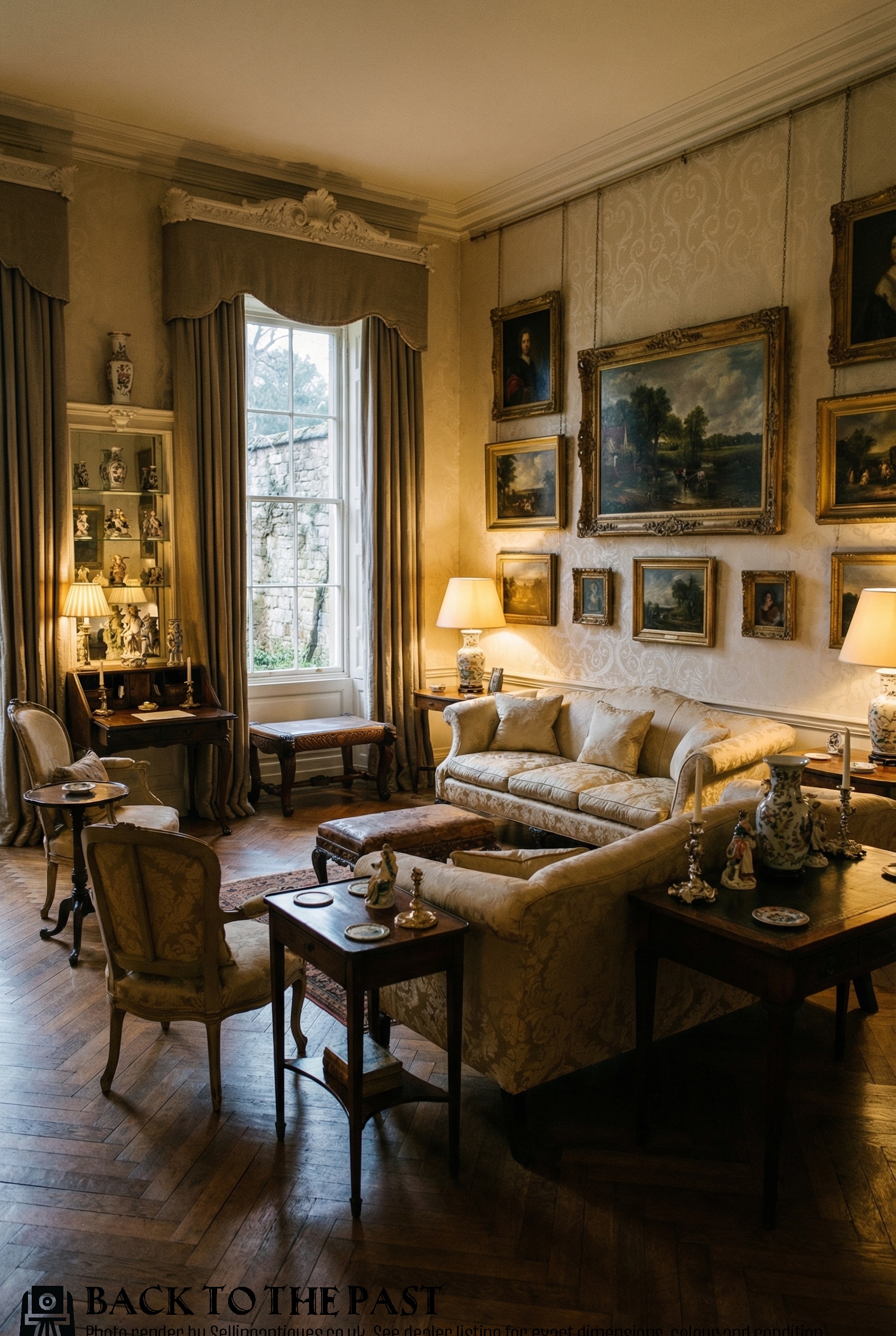
Materials and construction methods of the pieces
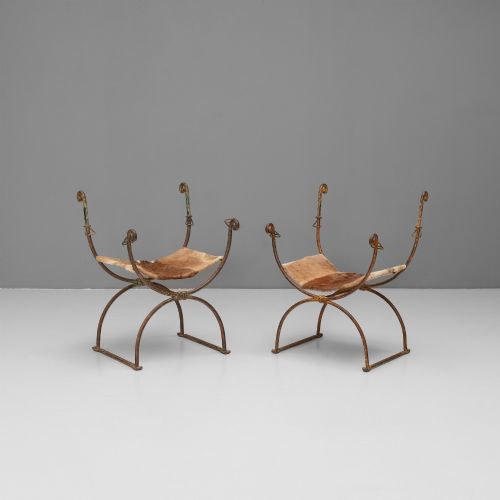
Cabinetmakers constructed the foundational frames of these pieces using dense hardwoods such as mahogany, walnut, oak, and yew, frequently employing turned legs, cabriole supports, or X-frame geometry. Joinery relied on traditional mortise and tenon methods, while mechanical versions utilised brass screws, iron spindles, and adjustable wooden screw mechanisms for height variation.
Upholstery departments applied livestock leather over horsehair stuffing or coil springs, securing the edges with brass tacking or deep buttoning techniques. Novelty items like leather pigs and hippopotamuses utilised stiffened hide stretched over internal frames, achieving a rigid yet tactile finish.
Brown Leather Stool Retail Price Guide 2026
Typical asking prices for brown leather stool among the pieces listed under this phrase on Sellingantiques today, from the lower quarter to the upper quarter. They describe what is for sale here now, not the wider market.
Among the stately mahogany and walnut frames sit leather hippopotamuses and pigs waiting quietly by the fire.
Distinctions in craftsmanship and material grade
The distinction between ordinary utility seating and exceptional examples lies in the integrity of the timber frame, the complexity of the mechanism, and the tactile quality of the hide. Pieces featuring secondary timbers of high grade, sophisticated carving such as lions' heads or cabriole legs, and stamped maker details demonstrate superior atelier output.
The condition and treatment of the leather itself heavily influence standing, where naturally hand-dyed hides with genuine patina and intact buttoning outrank dry or heavily restored surfaces. Mechanism reliability also dictates merit in adjustable piano stools and metamorphic library steps.
Arthur Simpson Of Kendal·Omersa Workshop·James Shoolbred·J.Jarvis
The Brown Leather Stool Glossary
- Metamorphic
- Furniture designed to transform from one object into another, such as library steps that fold into a chair. This clever engineering was particularly popular in nineteenth-century domestic interiors.
- X-Frame
- A seating base constructed from intersecting diagonal timbers forming an X shape. This classic structural form dates back centuries and often denotes grander proportions.
- Buttoned
- An upholstery technique where leather is pulled down with deep tufts secured by buttons, creating a padded diamond pattern. It adds both plush comfort and textural depth.
- Revolving
- Fitted with a central screw or pivot allowing the seat top to spin. These were commonly utilised in music rooms and dressing areas for easy adjustment.
- Canterbury
- A low compartmentalised stand or stool incorporating divisions for sheet music or books. It combines practical storage with a compact seating surface.
Brown Leather Stool: Frequently Asked Questions
How do I distinguish a Victorian stool from an Edwardian one?
Victorian pieces often favour heavier timber frames, darker polished mahogany or walnut, and deep buttoned upholstery with elaborate carvings or turned legs. Edwardian examples tend to display lighter oak or mahogany structures with simpler lines reflecting shifting twentieth-century tastes.
Examining the underside construction, secondary woods, and hardware fixings helps confirm the manufacturing era. Cabinetmaking techniques evolved subtly between the mid-nineteenth century and the outbreak of the First World War.
What were novelty leather animal stools used for?
Produced by makers like Omersa for Liberty, these leather animal figures served primarily as decorative footstools or fireside companions in affluent homes. Their sturdy leather construction allowed them to function as casual children's seats.
These whimsical pieces reflected a taste for playful, unconventional furnishing in early twentieth-century interiors. Today they remain sought-after examples of specialty leathercraft.
How do adjustable piano stools function?
Adjustable piano stools typically utilise a central wooden or brass screw mechanism linked to the seat top. Turning the seat allows the player to raise or lower their height relative to the keyboard.
Mechanisms must be operated gently to preserve the internal threads within the wood or metal. This clever engineering provided tailored comfort for musicians before fixed-height seating became standard.
How should I care for antique leather upholstery?
Antique leather benefits from occasional cleaning with specialised saddle soap and light conditioning to prevent the hide from drying out. Avoiding direct sunlight and excessive heat protects the natural patina and dyed surface from fading.
Gentle maintenance preserves the supple texture of nineteenth and early twentieth-century hides. Harsh chemical cleaners should be avoided entirely to protect the historical surface.