


Antique Leather Footstool
An antique leather footstool brings tactile comfort and period character to a room, offering robust support through centuries of craftsmanship.
Antique Leather Footstool
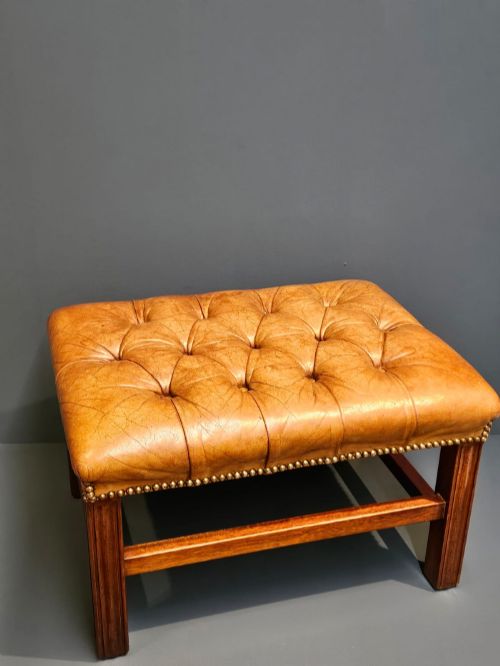
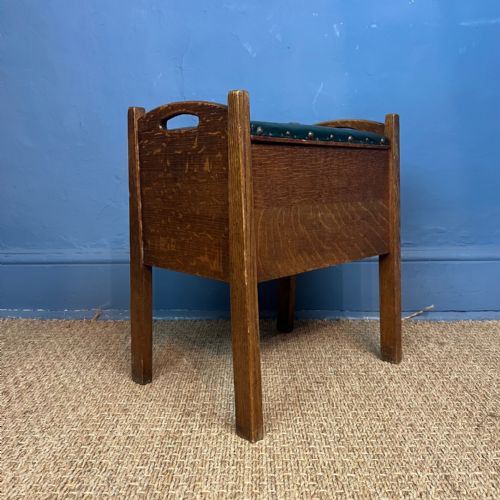
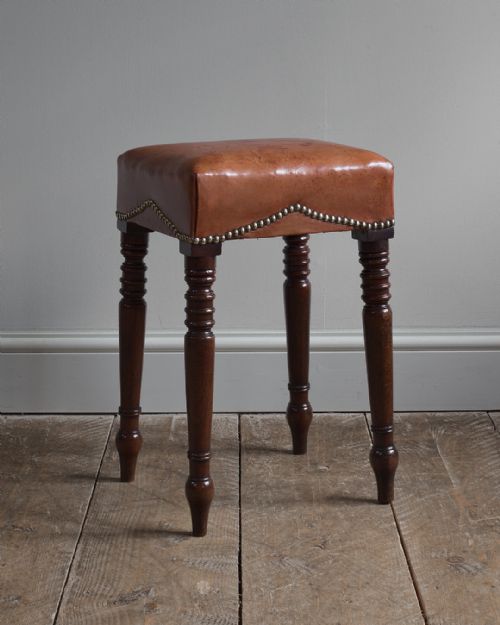
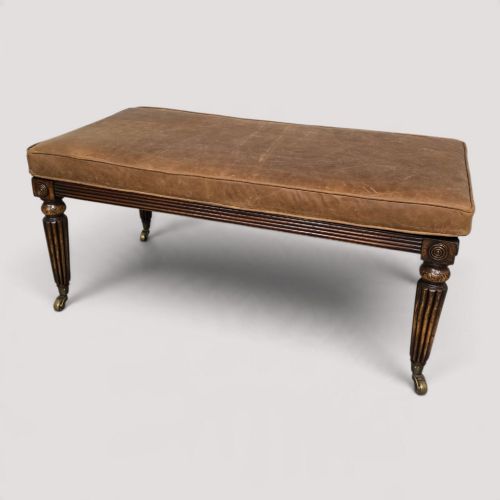
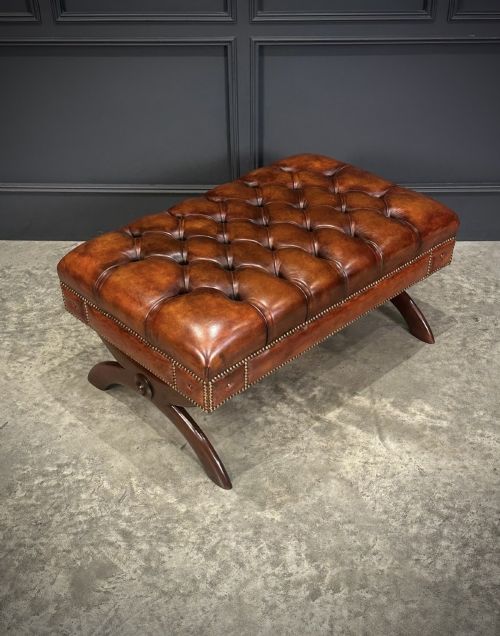
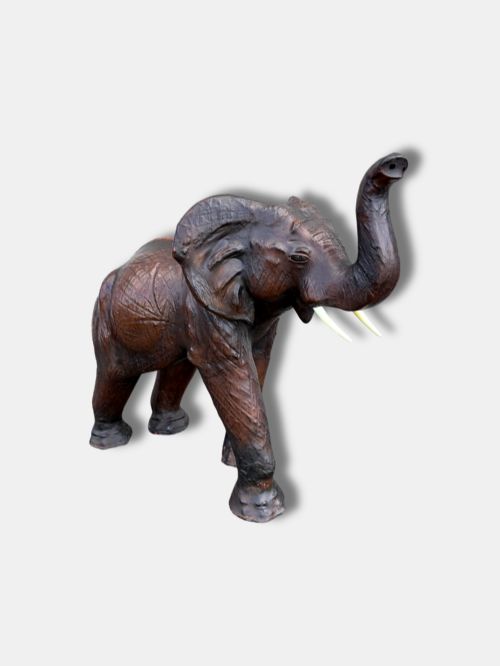
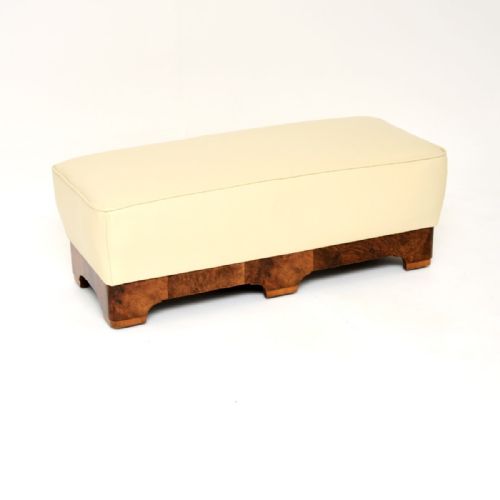
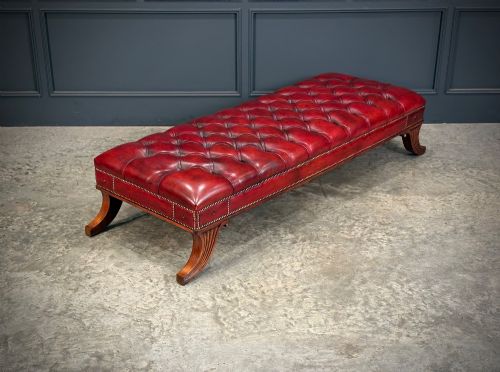
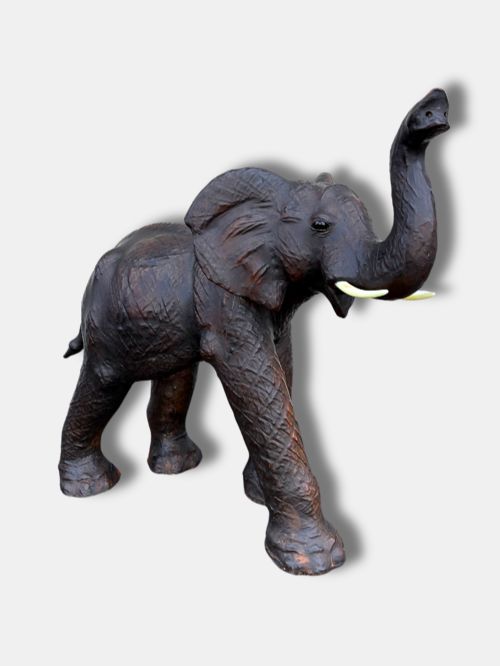
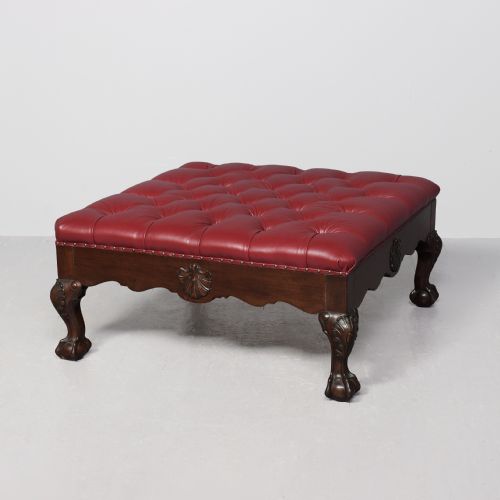
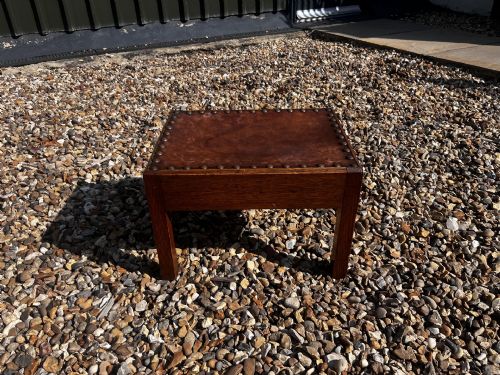
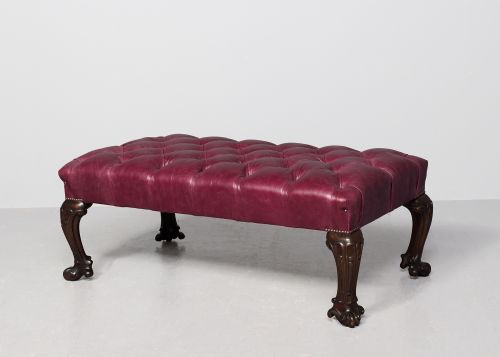
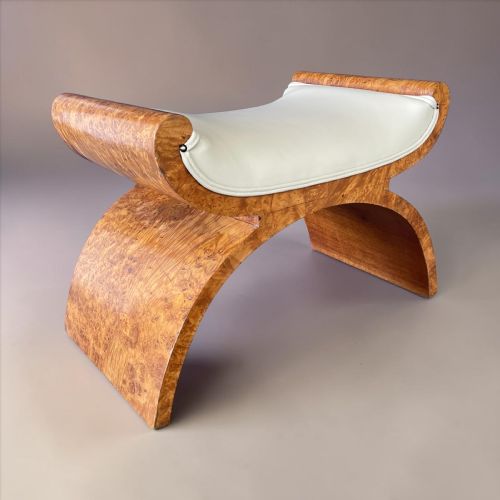
An antique leather footstool spans several distinct periods, with Georgian, Victorian, Edwardian and early twentieth-century examples appearing frequently across the inventory. These low seating forms take various shapes, including piano stools, gout stools, X-frame designs, and novelty animal figures.
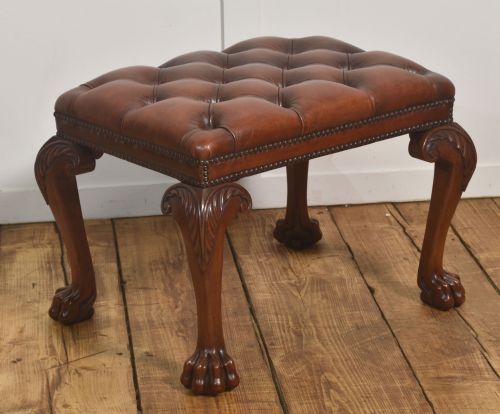
The materials paired with the leather include mahogany, oak, walnut, yew, and brass details. Buyers encounter everything from formal Queen Anne revival styles with cabriole legs to utilitarian Arts and Crafts pieces and exotic Moorish revival designs.
How they were made
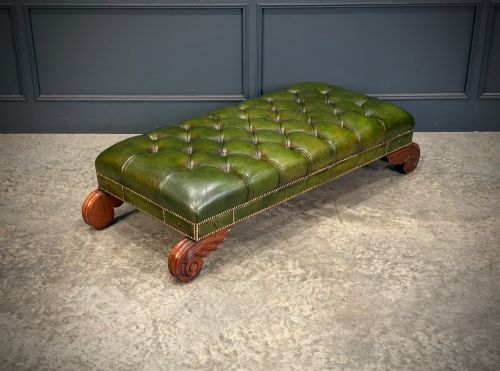
Upholstery involves fitting hides over the wooden base, sometimes utilising deep buttoning or hand-dyeing techniques to achieve rich brown and tan patination. Metal elements such as brass fixtures occasionally secure or accent the physical structure.
Antique Leather Footstool Retail Price Guide 2026
Typical asking prices for leather footstool among the pieces listed under this phrase on Sellingantiques today, from the lower quarter to the upper quarter. They describe what is for sale here now, not the wider market.
Listings feature pieces spanning the Georgian, Victorian, Edwardian, and early twentieth-century periods, constructed from mahogany, oak, walnut, and yew.
What varies in quality
Quality rests in the harmony of the timber frame and the depth of character in the hide, where rich patination and hand-dyeing elevate a piece above standard utility. The integrity of the underlying woodwork, from crisp carved cabriole legs to solid joints, dictates the lasting endurance of the stool.
Distinction also arises from attribution and design ambition, separating simple domestic seating from documented workshop output or sophisticated revival styles like Queen Anne and Moorish forms.
Arthur Simpson Of Kendal·Omersa For Liberty·Liberty
The Antique Leather Footstool Glossary
- Cabriole leg
- A furniture leg that curves out and then in, mimicking animal limbs. This form appears frequently on walnut and mahogany pieces from various centuries.
- Gout stool
- A specialised low footrest designed to elevate a foot for comfort. These often feature adjustable inclined tops.
- X-frame stool
- A seating form supported by intersecting diagonal stretchers forming an X shape. This structural design dates back to antiquity and reappears in nineteenth-century revivals.
- Deep buttoning
- An upholstery technique where twine pulls the leather tight into recessed tufts. This creates a padded, patterned surface seen on Victorian examples.
- Arts and Crafts
- A design movement emphasising handcraft and simple materials. Pieces from this tradition often utilise exposed oak and honest construction.
Antique Leather Footstool: Frequently Asked Questions
How were footstools used historically?
Historically, footstools provided practical comfort by keeping feet elevated away from cold draughty floors in period homes. Specialised versions like gout stools specifically aided individuals requiring physical rest and leg elevation.
Other variants functioned as piano seating or modest perches in parlours and drawing rooms. Their portability allowed them to move easily around the fireside as needed.
How do I date an antique footstool?
Dating relies on observing the combination of timber species, hardware, leg shape, and upholstery methods characteristic of different eras. Georgian and Victorian pieces show distinct joinery techniques and stylistic revivals that place them in time.
Materials such as mahogany and oak, alongside specific design movements like Arts and Crafts or Queen Anne revival, offer further chronological clues. Comparing the piece against documented examples helps narrow down the decade of manufacture.
How do I live with an antique leather footstool?
Living with these pieces involves placing them in daily circulation where their durable leather tops can absorb gentle use. Regular conditioning helps maintain the supple quality of the historic hide over time.
They integrate well into modern interiors as subtle accents by armchairs or beside fireplaces. Their compact scale makes them adaptable functional art within diverse room layouts.