

Vintage Leather Seat
These vintage leather seat pieces bring rich tactile character and sturdy craftsmanship to a room, offering both comfort and enduring style.
What vintage leather seat pieces are
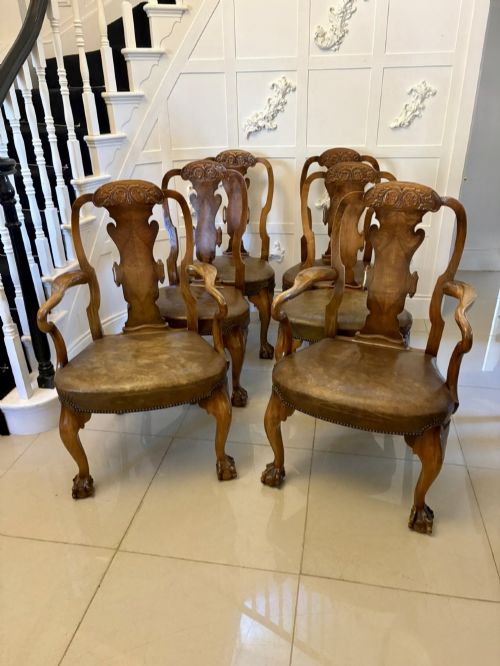
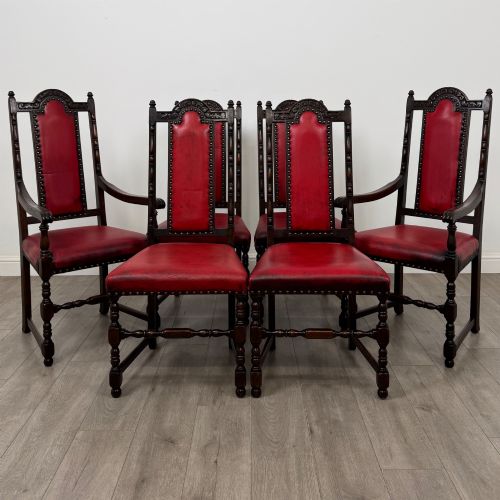
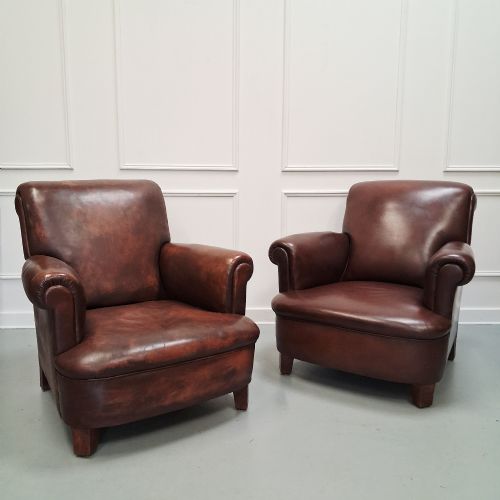
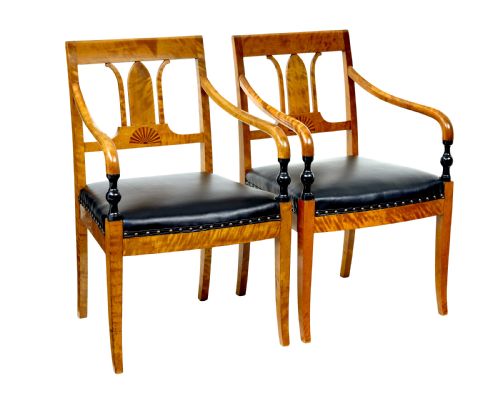
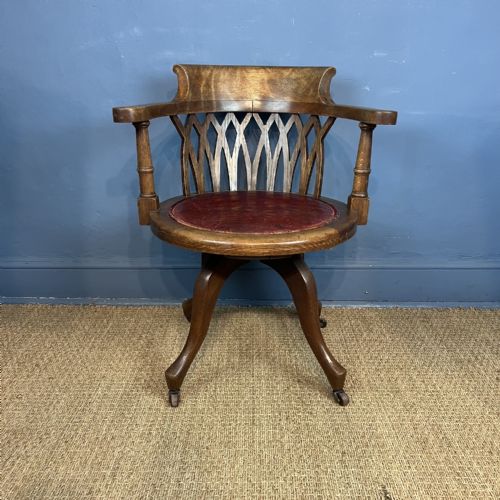
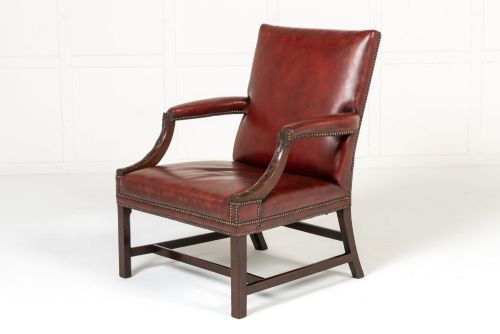
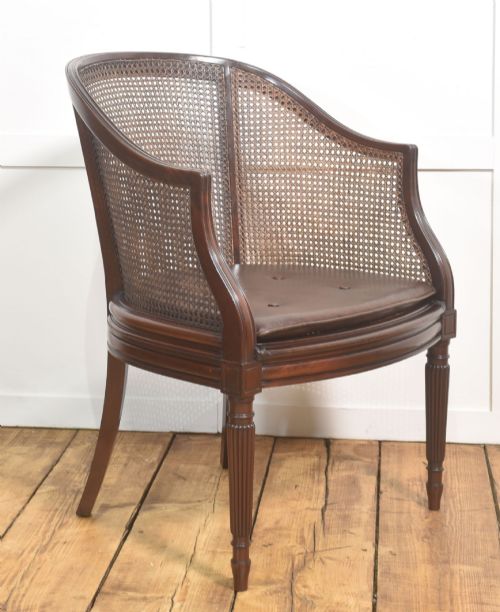
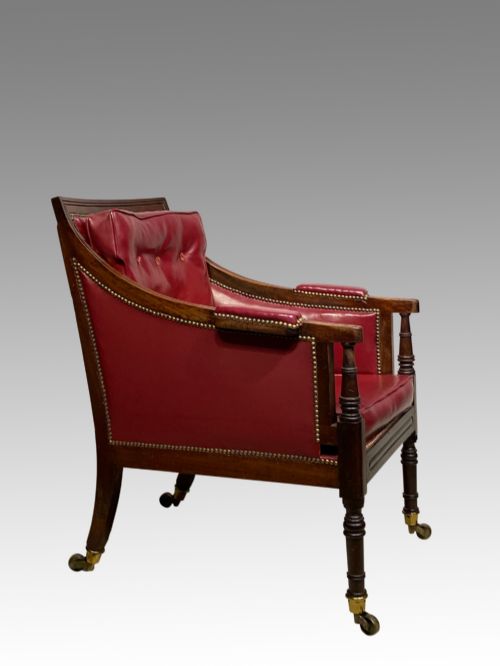
A vintage leather seat covers a range of traditional forms including armchairs, wingback armchairs, club settees, and stools dating from the Georgian period through to the 1920s. Buyers searching for a vintage leather seat will most frequently encounter Victorian pieces, alongside Georgian style examples, Regency items, and Art Deco designs from around 1920 to 1930.
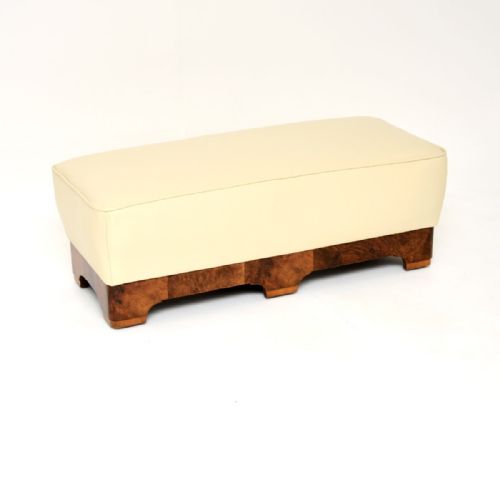
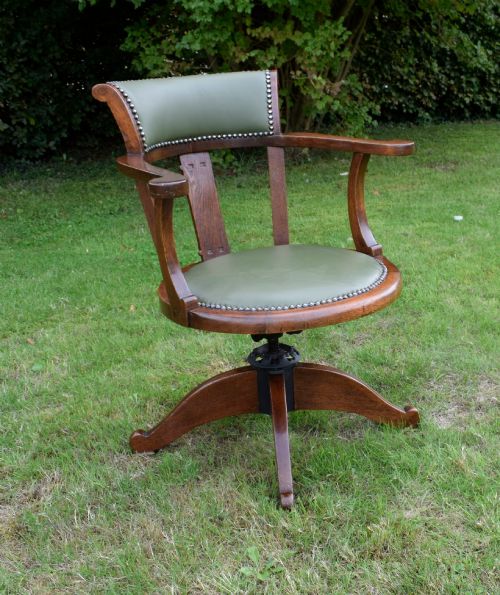
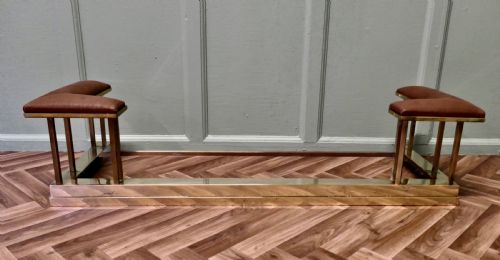
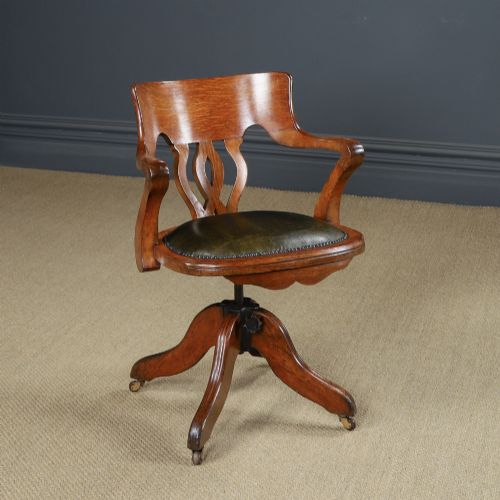
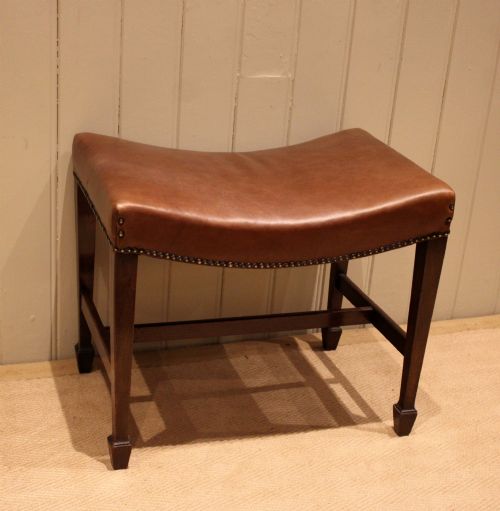
The selection encompasses both low seating such as footstools and serpentine stools, as well as substantial seating options like office study chairs and Chesterfield armchairs. Materials paired with the leather across these items include brass, wood, mahogany, velvet, rosewood, and oak.
How they were made
Construction relies heavily on traditional cabinet woods including mahogany, rosewood, and oak to form the sturdy frames of chairs, stools, and settees. These wooden structures support upholstery work that incorporates durable leather surfaces.
Detailing often includes brass accents to complement the woodwork and the hide upholstery. The combination of dense timber frames and upholstered leather creates robust seating designed for daily use.
Retail Price Guide 2026
Typical UK retail prices for vintage leather seat, calculated from the Sellingantiques database of over a million retail prices indexed since 2003. This retail price guide relies exclusively on Sellingantiques data; no external sources or auction records are used, so the figures do not describe the wider market.
The site's listings feature leather seats spanning the Georgian period, nineteenth century, Victorian era, and 1920s Art Deco styles.
What varies in quality
The grade of timber used in the frame, from humble oak up to finely figured mahogany and rosewood, dictates the underlying calibre of the piece. Superior examples display harmonious proportions across styles ranging from Regency through to Art Deco.
The execution of the leather upholstery and the integration of secondary materials like brass hardware define the finish at the upper end of the range. Better proportioned stools and armchairs maintain structural integrity alongside their decorative appeal.
The Vintage Leather Seat Glossary
- Chesterfield armchair
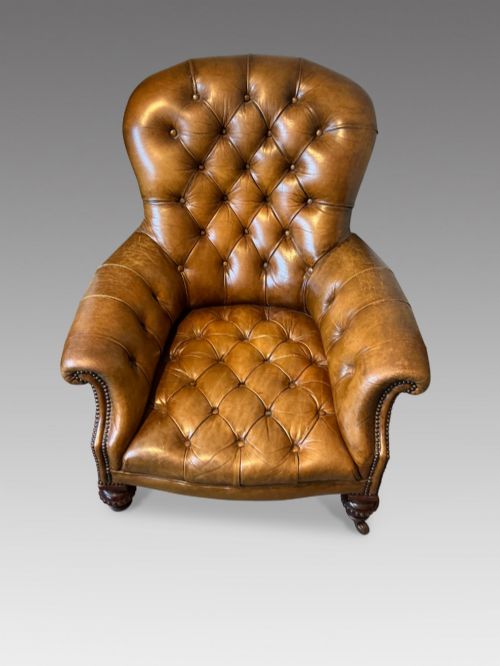
- A deep-buttoned upholstered seat associated with Victorian craftsmanship. This traditional form provides substantial cushioning and a distinct profile.
- Wingback armchair
- A high-backed seating option featuring protective side panels designed to shield against draughts. These upholstered forms frequently date to the Victorian era.
- Serpentine stool
- A low seat featuring a curved front rail that follows a gentle undulating line. These are often found in mahogany dating from the Georgian period.
- Club settee
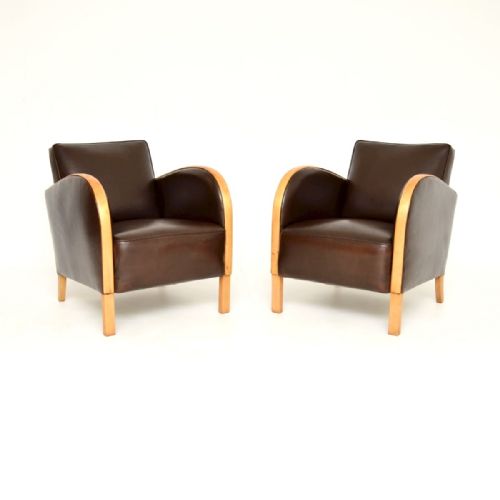
- A low-slung, comfortable two-seater couch upholstered in hide. These pieces typically date to the Art Deco period.
Frequently Asked Questions
What periods do these seats come from?
The available pieces span multiple eras, including Georgian items, nineteenth-century examples, Victorian designs, and twentieth-century Art Deco pieces.
Most items date from the nineteenth century up to the 1920s and 1930s.
Are these pieces made of solid wood?
Frames are constructed from traditional timbers such as mahogany, rosewood, and oak.
These woods provide the structural support beneath the leather upholstery and brass details.
What is the difference between a stool and an armchair?
Armchairs and club settees provide back and arm support for upright or relaxed seating. Stools function as footstools or low auxiliary seats without backs.
Both forms utilise leather upholstery paired with timber frames.
How do I identify a Victorian piece?
Victorian items often feature deep buttoning and traditional forms such as the Chesterfield armchair or wingback chair.
These designs date from the late nineteenth century around 1880.