


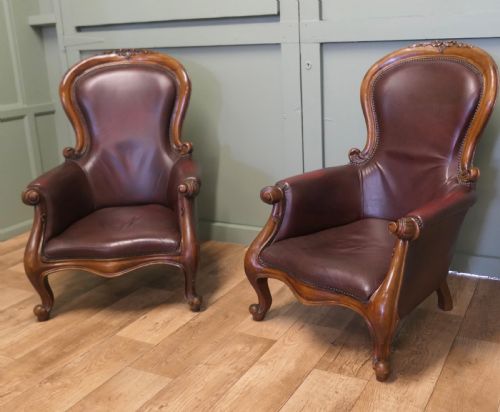
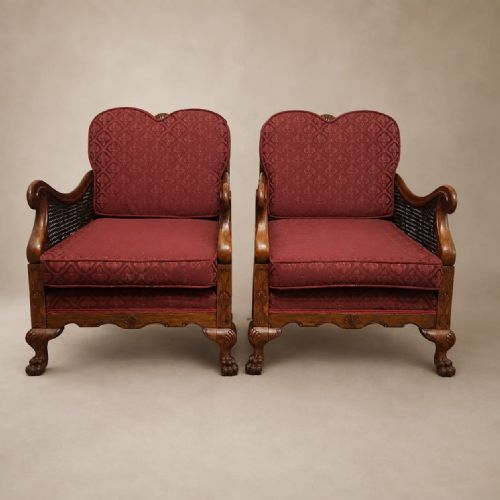
Vintage Club Chair
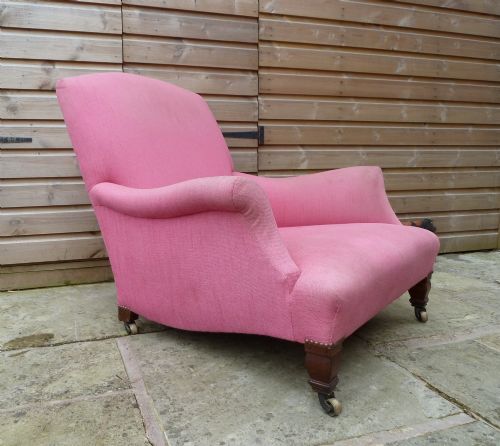
A vintage club chair is a deep, low-slung seat built for comfort, and these heavy upholstered forms bring immediate character to a room.

Vintage Club Chair
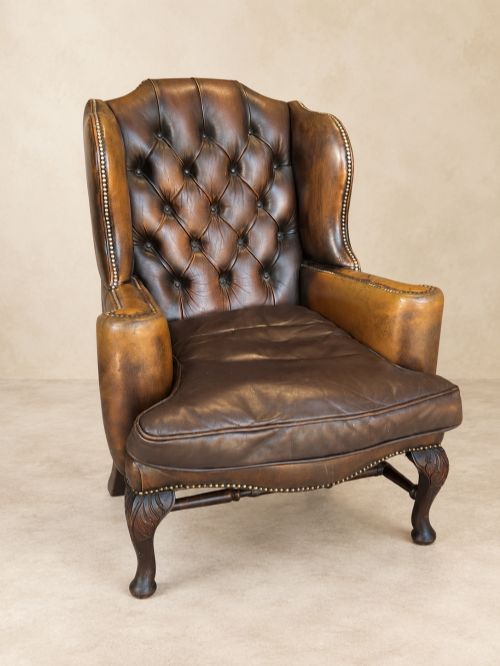
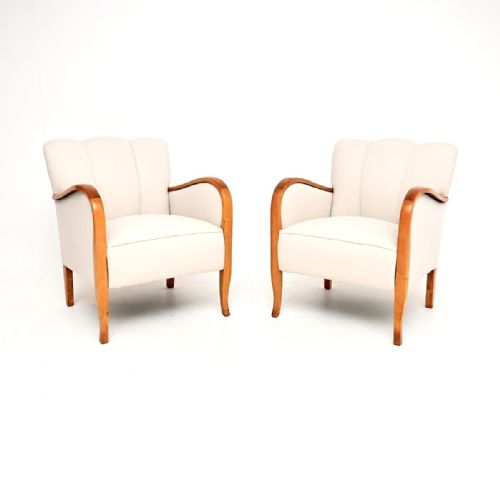
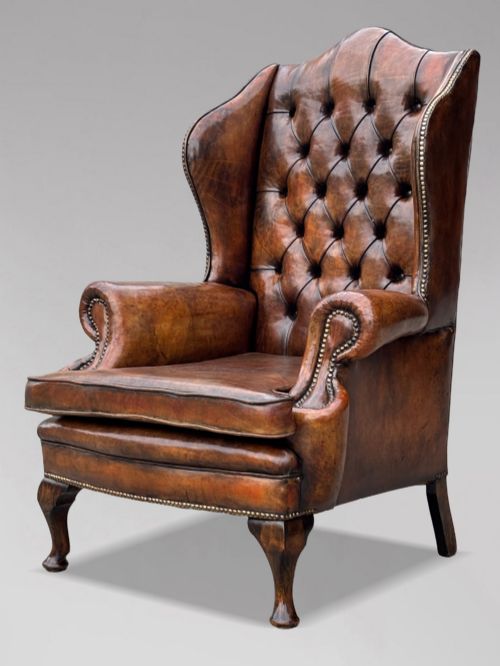
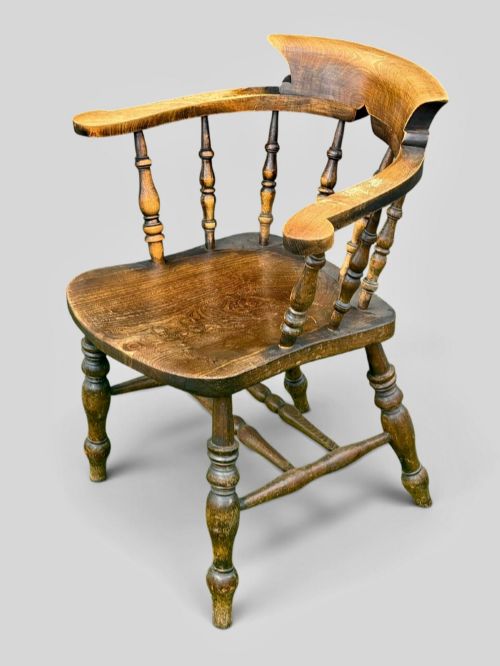
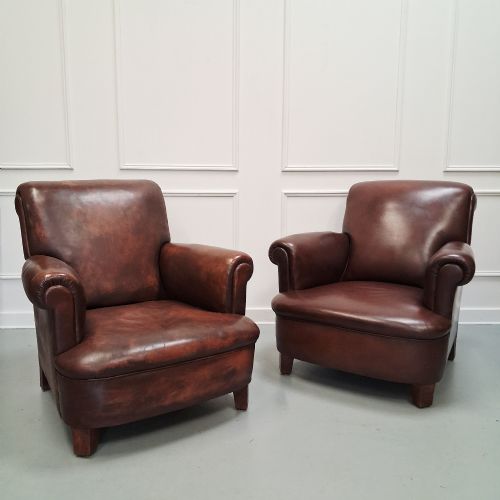
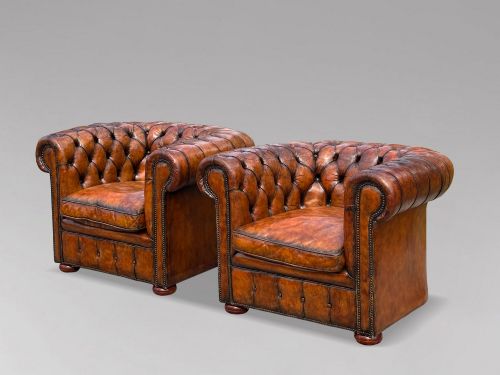
When you search for a vintage club chair, you encounter sturdy lounge seating spanning periods from the Victorian era through the Art Deco movement and into the mid-twentieth century. The selection ranges from nineteenth-century button-backed leather wing armchairs and library chairs in mahogany or oak to streamlined 1930s French designs in leather and satin birch.
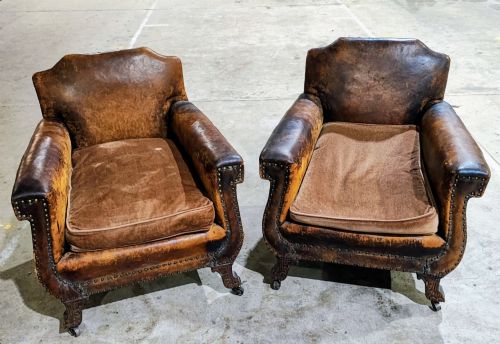
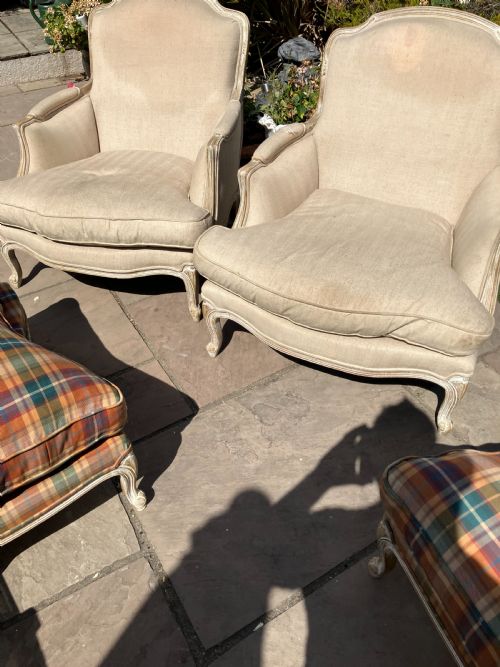
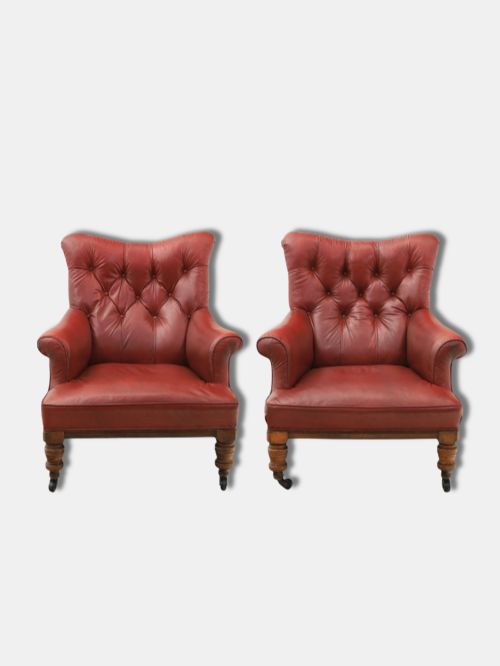
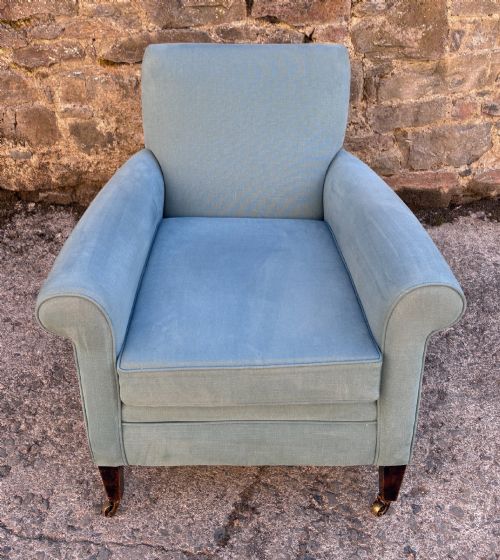
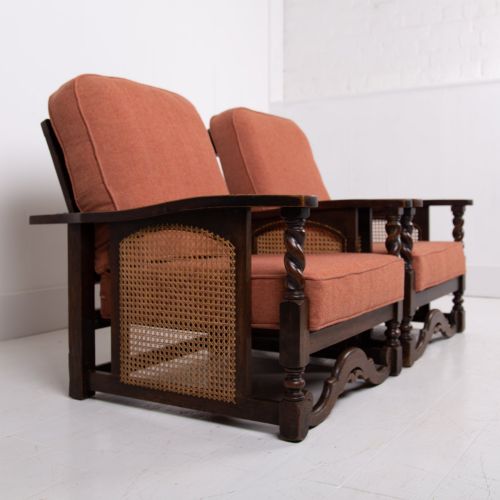
You are most likely to meet French and English examples upholstered in brown, tan, or oxblood leather, alongside wood-framed pieces incorporating cane, beech, elm, and walnut. Forms include deep-seated armchairs, Chesterfield styles, tub chairs, and occasional chairs designed for domestic relaxation.
How they were made
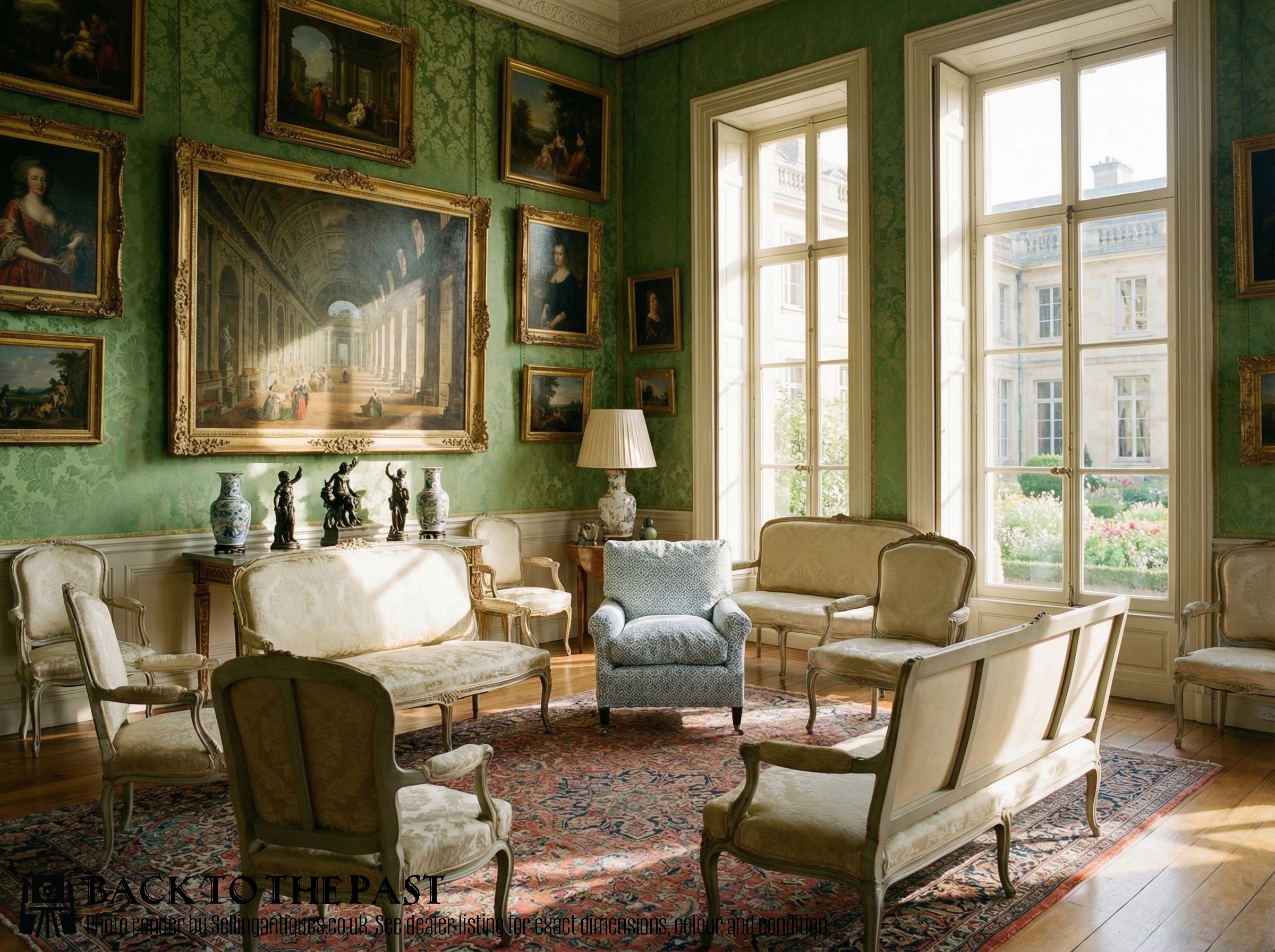
Construction relies on solid timber frames fashioned from hardwoods such as mahogany, oak, walnut, beech, and elm, often supported by brass detailing and cane panels. Upholsterers employed traditional stuffing techniques using durable fabrics, rexine, and heavy-duty leather hides secured with buttoning.
Makers shaped structural timber through bending and joinery before applying hand-dyed leathers and specialised wood veneers like satin birch, ensuring the frames could withstand decades of heavy daily use.
Vintage Club Chair Retail Price Guide 2026
Typical asking prices for vintage club chair among the pieces listed under this phrase on Sellingantiques today, from the lower quarter to the upper quarter. They describe what is for sale here now, not the wider market.
Smaller households can find scaled-down comfort in vintage child's club chairs built with the exact same oxblood leather as the adult versions.
What varies in quality
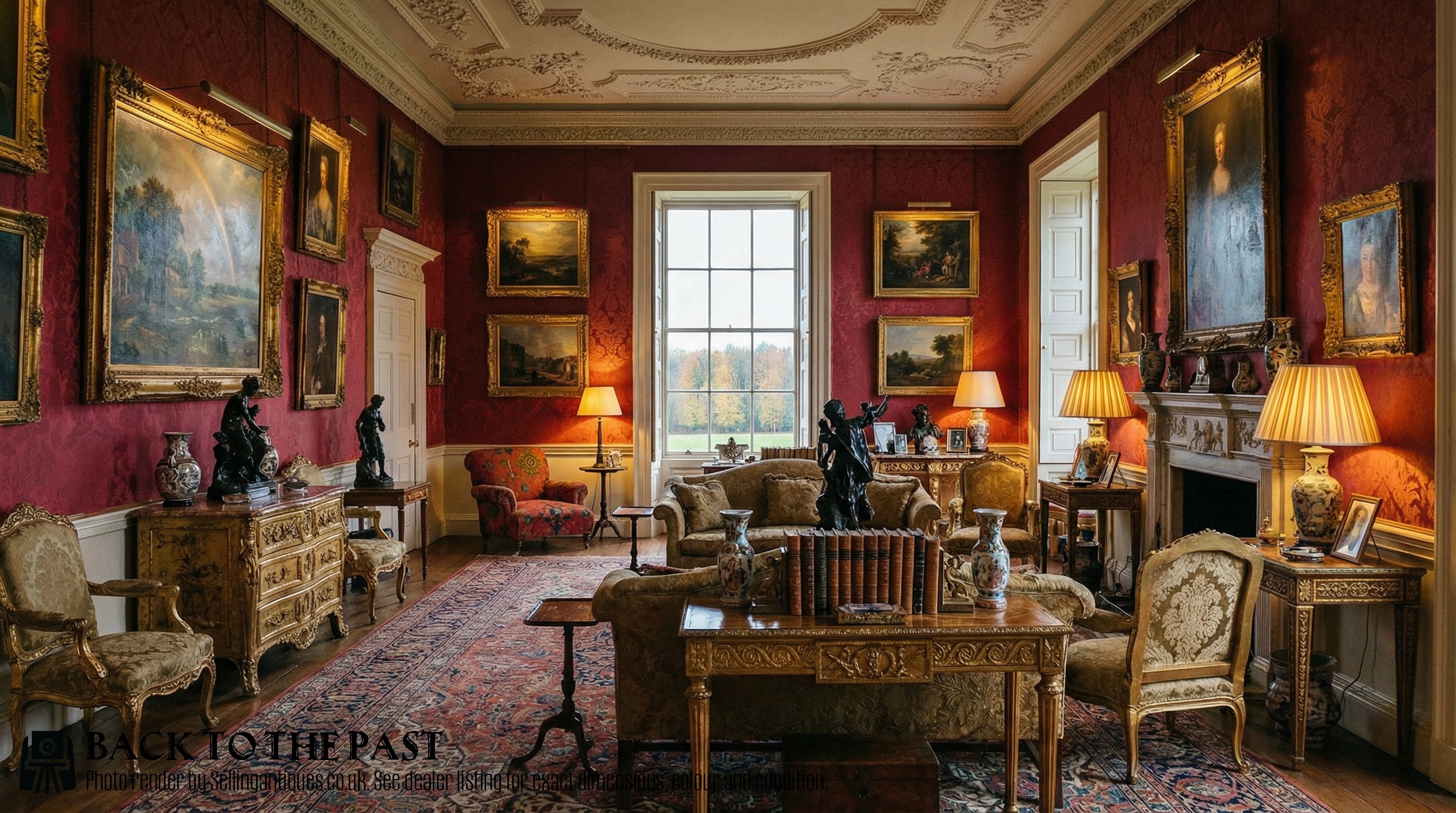
Quality rests upon the integrity of the underlying timber frame and the caliber of the upholstery materials, distinguishing robustly constructed seating from lighter utility builds. Pieces utilising richly grained hardwoods like walnut and mahogany or finely figured satin birch show superior cabinetmaking.
The depth of the patina on the leather and the execution of hand-dyed finishes separate standard production pieces from exceptional examples originating from notable workshops and distinctive design schools.
Howard and Sons·Hille
The Vintage Club Chair Glossary
- Bergere
- A closed-arm upholstered armchair with cane or wicker side panels. These frames often employ beech or walnut woodwork.
- Chesterfield
- A deep-buttoned upholstered seating style traditionally finished in leather. It is characterised by low backs and rolled arms.
- Rexine
- A leathercloth material made from a cotton fabric coated with nitrocellulose. It served as a durable upholstery substitute in the early twentieth century.
- Satin Birch
- A pale timber with a natural sheen utilised extensively in Art Deco furniture. It provides a striking contrast against dark leather upholstery.
- Wing Armchair
- A fireside seat featuring protective side panels attached to the backrest. These wings historically blocked draughts in large rooms.
Vintage Club Chair: Frequently Asked Questions
How do I identify a 1930s club chair?
These pieces generally display the geometric lines and smooth curves characteristic of the Art Deco period. Designers frequently combined rich leather with light exotic veneers like satin birch.
Look for low, deep proportions designed specifically for lounging. The construction often reflects streamlined forms rather than traditional Victorian ornamentation.
What is the difference between Victorian and Edwardian chairs?
Victorian examples tend to feature heavier dark woods, elaborate button-backed upholstery, and robust frames built for formal libraries. They project a sense of solid permanence.
Edwardian seating is often lighter in scale and brighter in timber tone. The designs lean towards understated comfort while retaining traditional upholstery methods.
Are these chairs suitable for daily use?
Original frames constructed from solid hardwoods like mahogany and oak remain remarkably sturdy. Their robust internal build handles regular sitting with ease.
Many examples feature supportive sprung seats and durable leather upholstery that ages gracefully. They function well as primary seating in modern living spaces.
How should I care for vintage leather?
Keep the hide clean by dusting regularly with a dry cloth. Avoid placing the seating near direct heat sources or strong sunlight to prevent drying.
Apply suitable leather balms periodically to maintain flexibility. This preserves the natural patina built up over decades of use.