


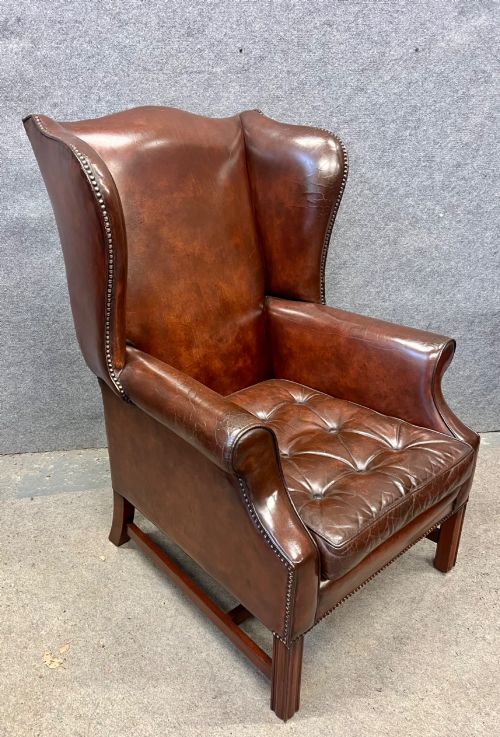
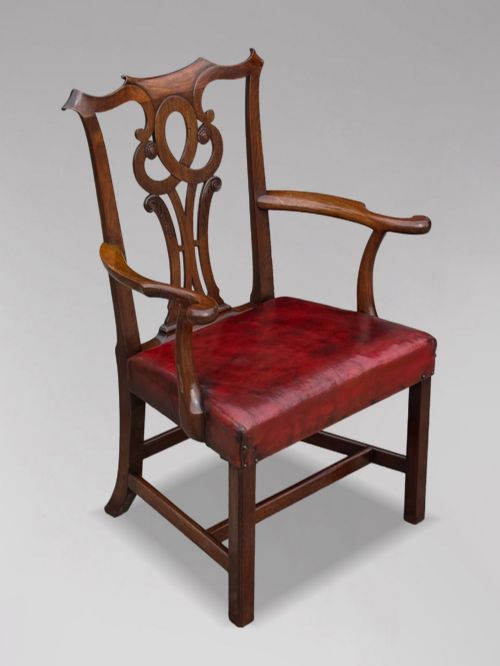
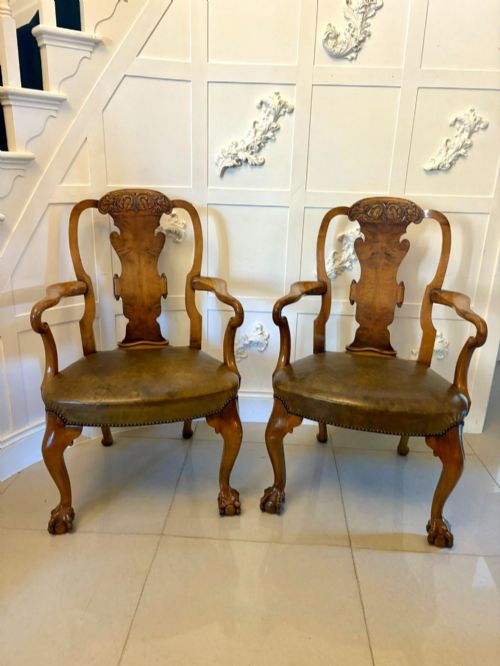
Antique Leather Seating
Antique leather seating spans centuries of craft, offering robust hide upholstery paired with sturdy timber frames like mahogany and oak.
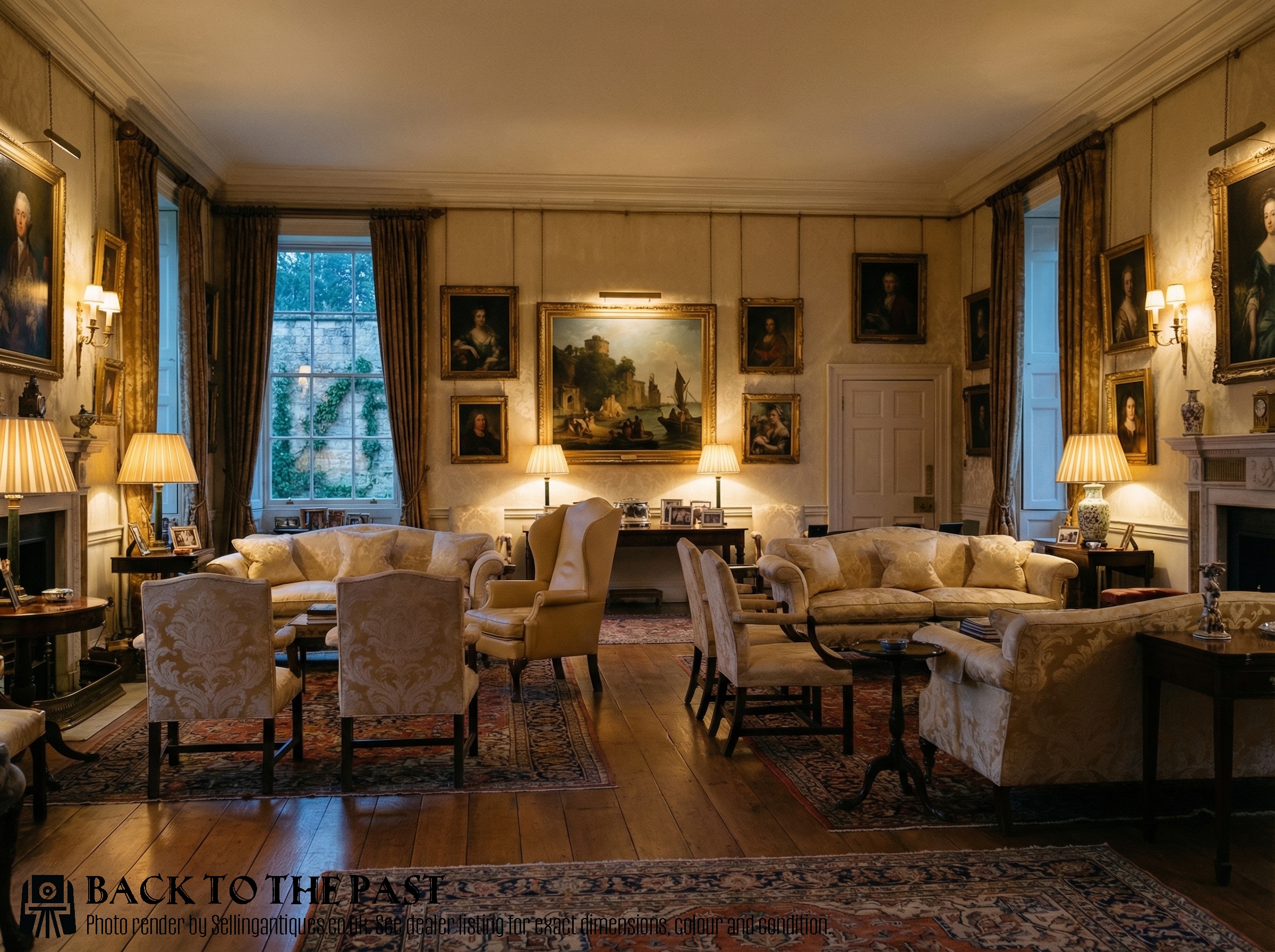
Antique Leather Seating
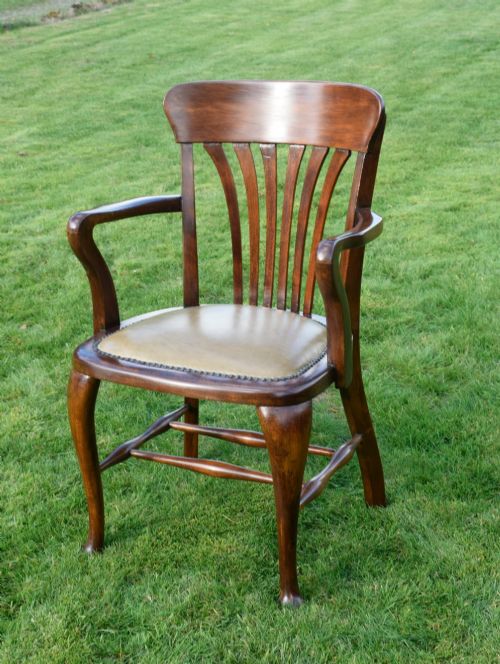
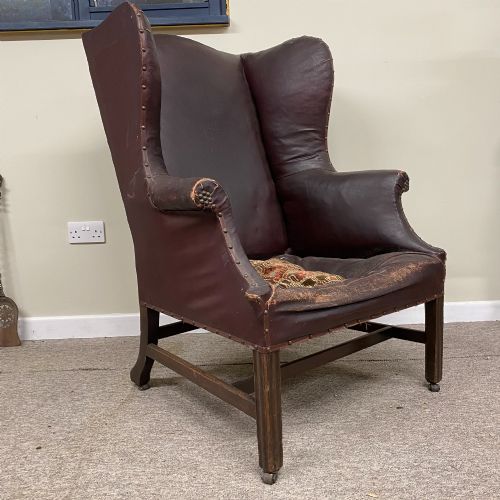
Antique leather seating encompasses a broad spectrum of practical furniture, ranging from sturdy desk chairs and library armchairs to large dining sets and club fenders. Buyers seeking antique leather seating find pieces spanning the Georgian, Victorian, and Edwardian eras, alongside later 20th-century styles.
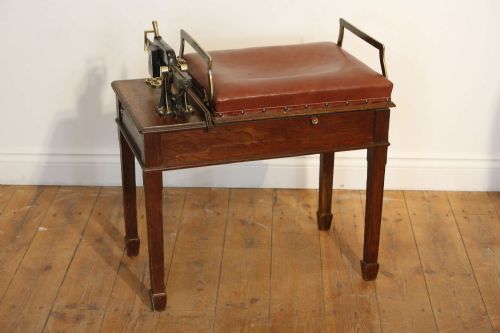
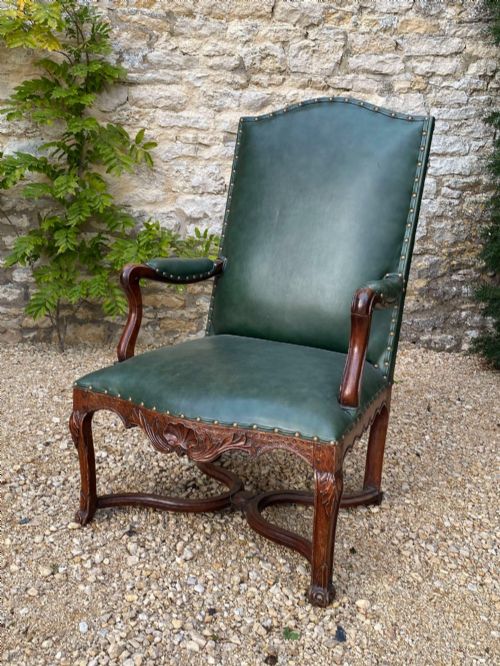
The selections available lean heavily toward Victorian and Edwardian examples in mahogany and oak, frequently featuring revolving desk chairs, buttoned sofas, and carved dining chairs. Alongside these frequent forms, specialised items such as French club chairs, brass club fenders, and ottoman box seats appear.
Origins represented in these listings stretch across English, Scottish, and French workshops, utilising woods like walnut, birch, and timber alongside iron and brass accents. Pieces range from single fireside chairs to complete sets of dining chairs numbering up to twelve.
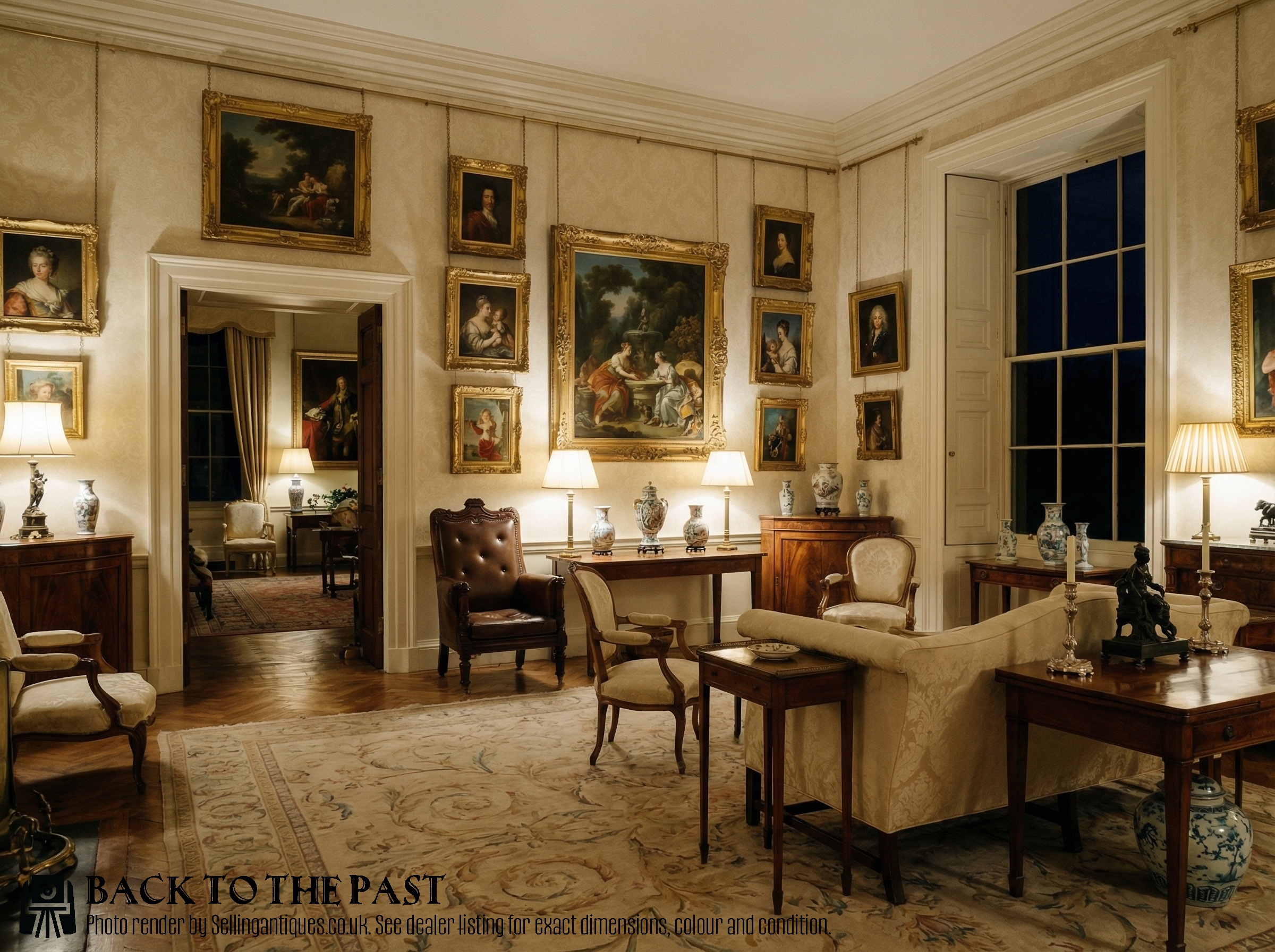
Construction and materials
Makers utilised dense native timbers like mahogany, oak, and walnut to construct rigid frames, often employing hand-carving techniques for decorative motifs. Frames incorporate sturdy joinery to support the daily weight placed upon dining chairs, armchairs, and desk chairs.
Upholstery relies on durable leather hides, sometimes embossed, buttoned, or hand-dyed, fixed securely to the timber frames. Metal components such as brass studs, swivel mechanisms, and iron framing provide structural reinforcement and functional movement in desk chairs and club fenders.
Antique Leather Seating Retail Price Guide 2026
Typical asking prices for leather seating among the pieces listed under this phrase on Sellingantiques today, from the lower quarter to the upper quarter. They describe what is for sale here now, not the wider market.
Listings feature woods including mahogany, oak, walnut, birch, and general timber.
Judging quality in antique leather seating
The degree of refinement in the timber carving and the architectural proportion of the frame set superior pieces apart. Skilled hand-carving on mahogany or walnut structures demonstrates a higher standard of cabinetmaking than simpler utilitarian builds.
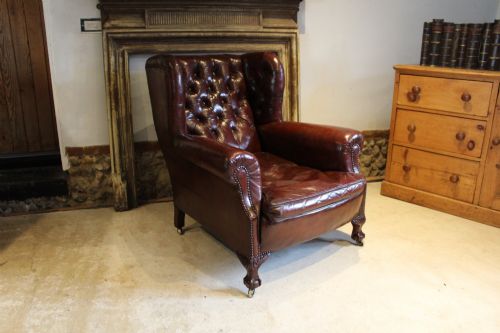
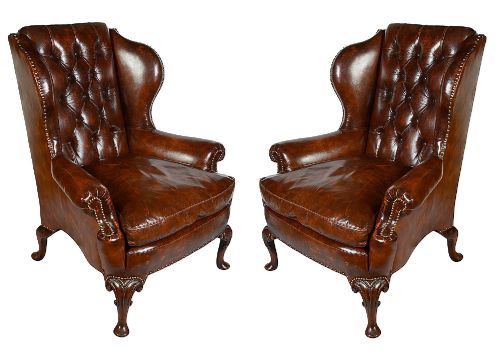
The maturity and finish of the leather upholstery dictate much of the overall desirability. Supple, hand-dyed English hide and carefully executed buttoning reflect superior craftsmanship compared to plain or heavily replaced surfaces.
The Antique Leather Seating Glossary
- Gainsborough chair
- A wide, upholstered armchair with open padded arms, a square back, and short legs, typically dating from the Georgian period. These chairs were designed for writing desks and libraries.
- Club fender
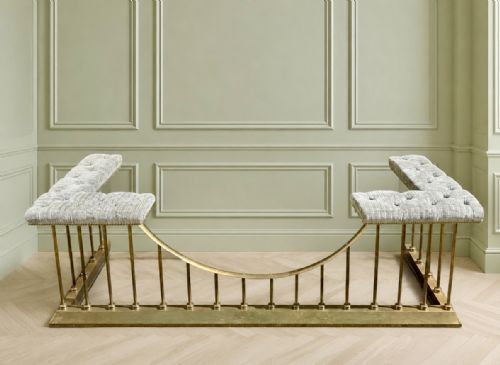
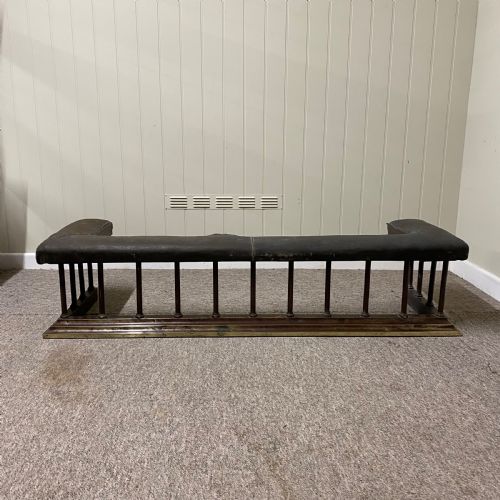
- A low, U-shaped hearth seat framed in brass or iron with padded leather top rails. They originated in large country houses to provide seating close to the fire.
- Revolving desk chair
- An office or library chair featuring a central swivel mechanism mounted on a timber base. They often incorporate height-adjustable columns and leather-upholstered seats.
- Spoon-back
- A Victorian chair or sofa backrest shaped in a concave, oval contour resembling the bowl of a spoon. This design offers ergonomic support to the spine.
- Jacobean Revival
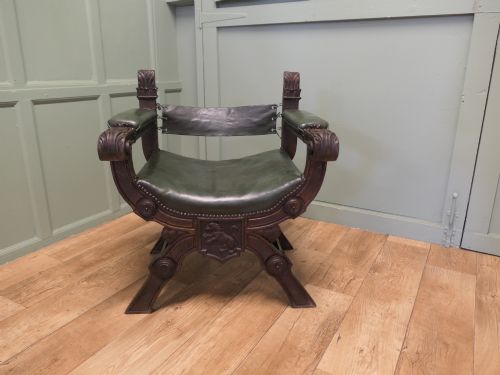
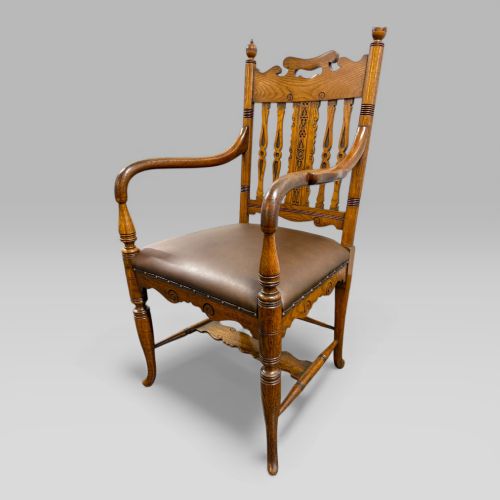
- A 19th-century stylistic movement emulating 17th-century furniture design. Pieces in this style feature heavy turned oak members and deep geometric carvings.
Antique Leather Seating: Frequently Asked Questions
How do I care for antique leather?
Maintain antique leather by keeping it away from direct sunlight and heat sources to prevent the hide from drying out and cracking.
Apply specialist leather creams sparingly to nourish the material, avoiding harsh chemical cleaners that strip natural oils.
Are desk chairs comfortable for daily work?
Victorian and Edwardian desk chairs offer ergonomic support through curved wooden backs and padded leather seats. Their swivel mechanisms allow movement suitable for modern workspaces.
Users should verify seat heights and widths, as older dimensions often suit lower antique writing desks rather than modern surfaces.
What is a club fender?
A club fender is a hearth accessory featuring low metal frames topped with padded leather cushions for fireside sitting. They provide an enclosed seating area directly around the fireplace opening.
Georgian and Victorian versions combine structural brass or iron bases with mature tan leather upholstery.
How can I tell a Victorian chair from a Georgian one?
Georgian chairs typically feature lighter mahogany frames with simpler lines, graceful cabriole legs, or restrained Chippendale carving. Their proportions reflect 18th-century domestic interiors.
Victorian pieces often employ heavier timbers like oak and walnut, displaying darker finishes, deeper buttoned upholstery, and revivalist decorative motifs.