
Victorian Wingback Chair
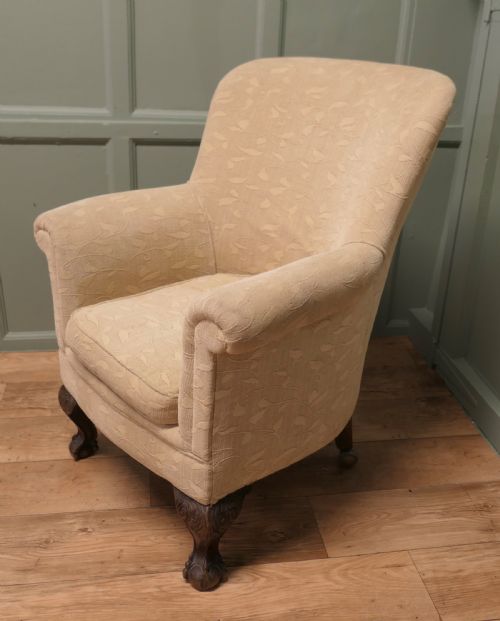
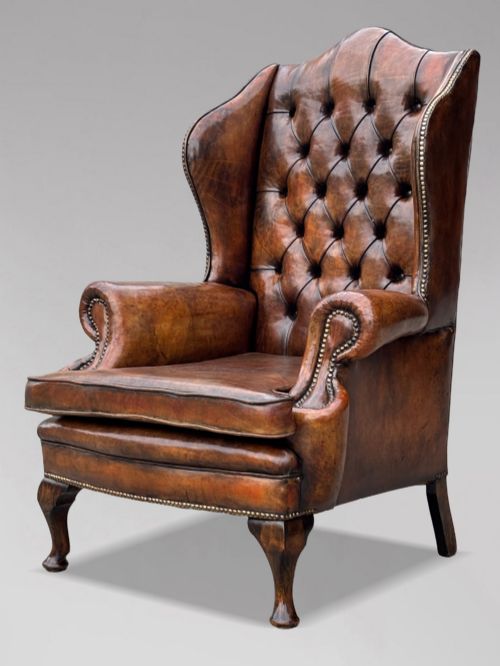
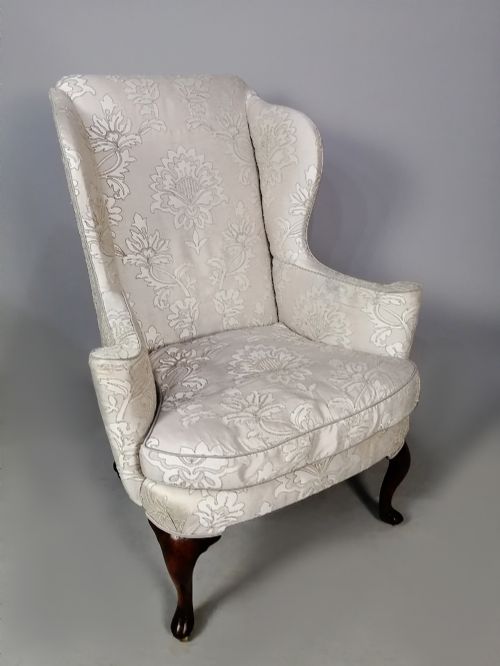
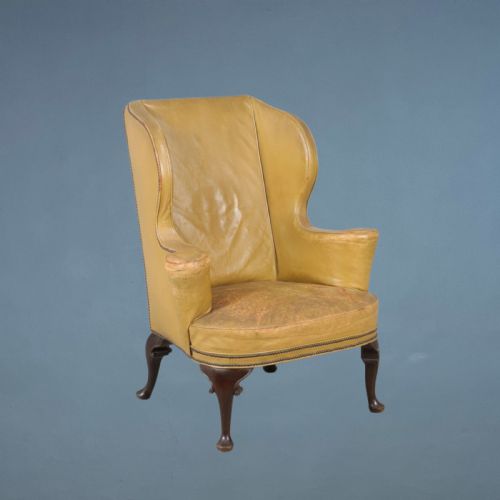
These nineteenth-century seats offer high sides and deep comfort, exactly what a Victorian wingback chair delivers for a traditional fireside.
Victorian Wingback Chair
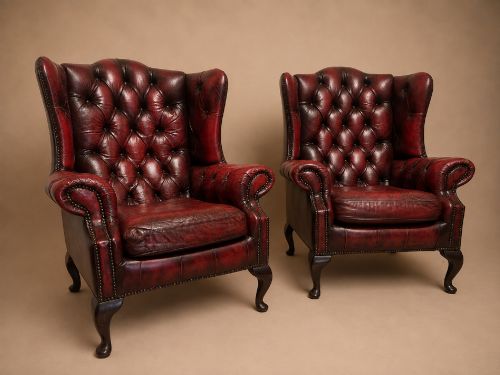
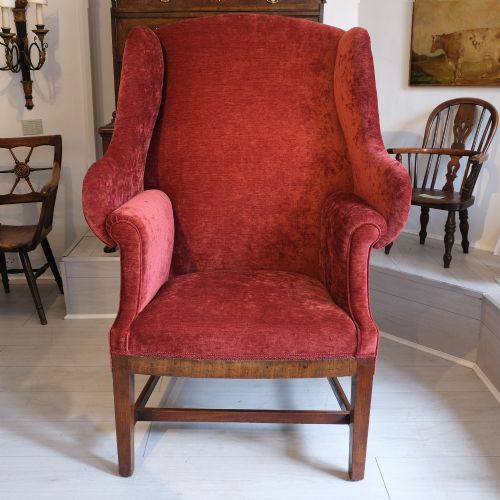
A Victorian wingback chair provides deep, enclosed seating designed originally to shield the occupant from drafts. These pieces belong predominantly to the nineteenth century, spanning periods from early Victorian design through to late-century revivals.
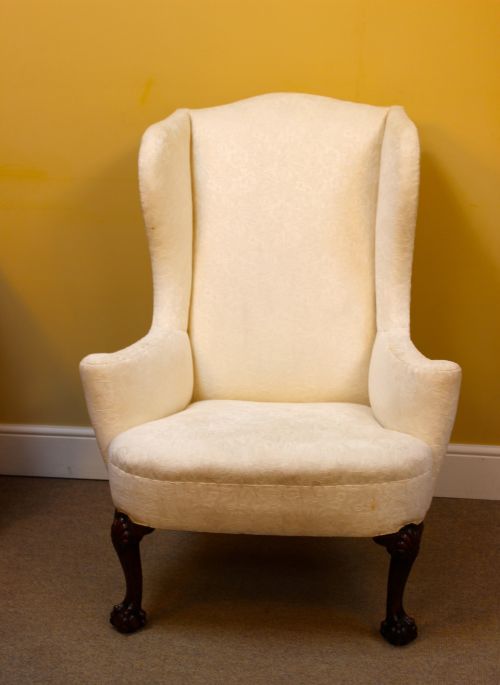
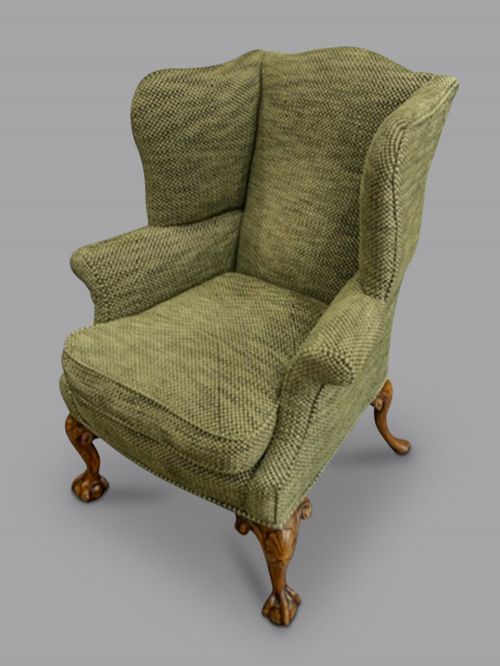
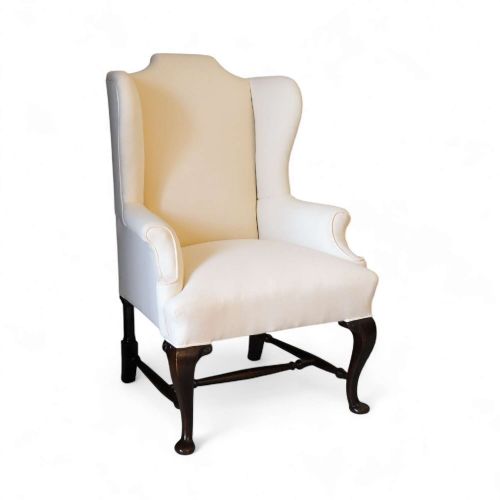
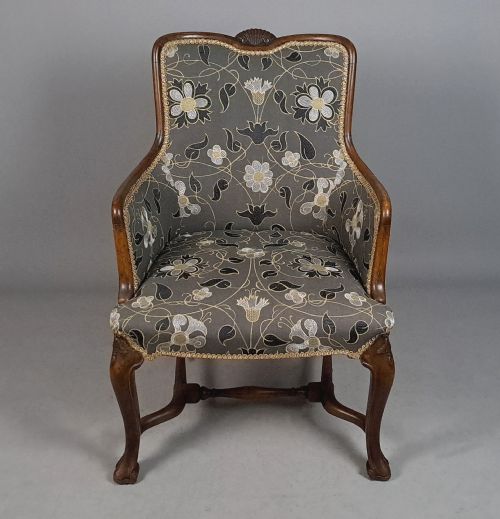
The most common examples encountered here utilise substantial timber frames, often walnut or mahogany, paired with generous upholstery. Makers drew upon diverse historical influences, producing items shaped in Queen Anne, Carolean, and Chippendale styles alongside standard Victorian forms.
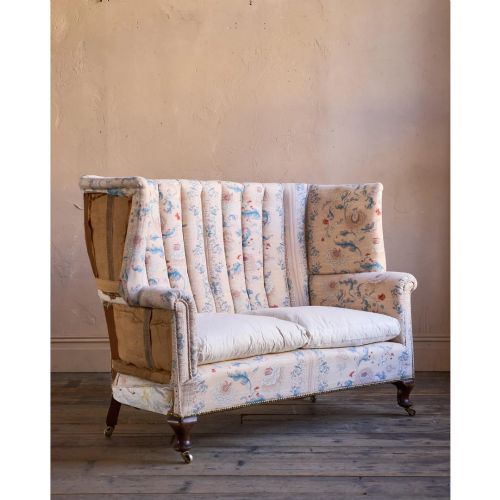
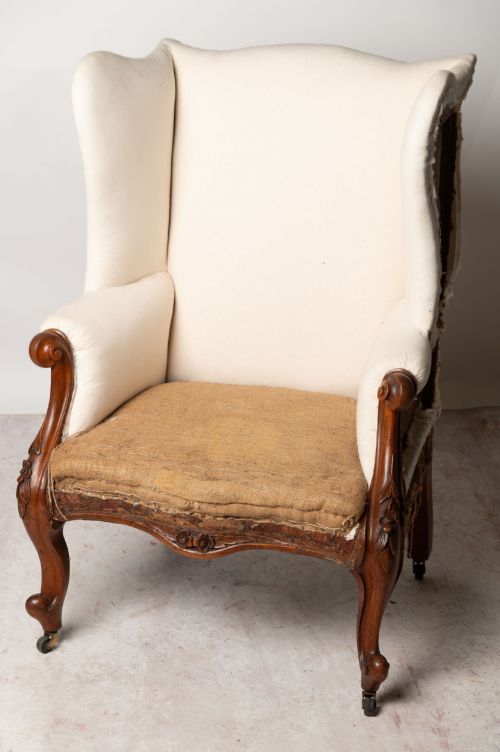
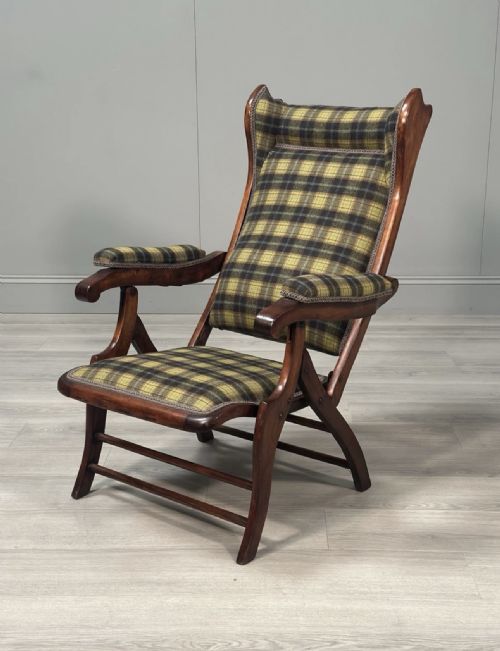
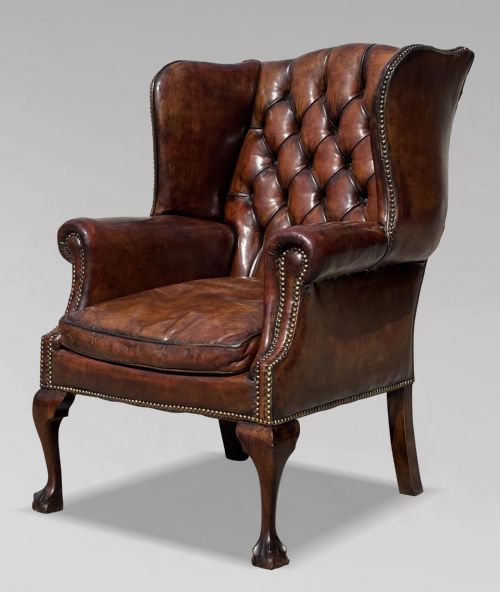
Alongside standard armchairs, buyers will occasionally locate associated seating forms such as sofas, library chairs, and folding campaign models. Many pieces retain traditional calico stages awaiting final fabric selection or feature rich leather finishes.
Materials and Construction
Frames rely on solid hardwoods like mahogany, walnut, and oak to provide a robust structural foundation. Timber components frequently showcase detailed carving on cabriole legs and stretchers.
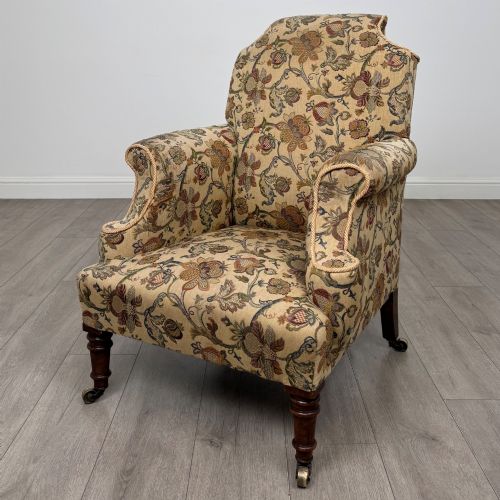
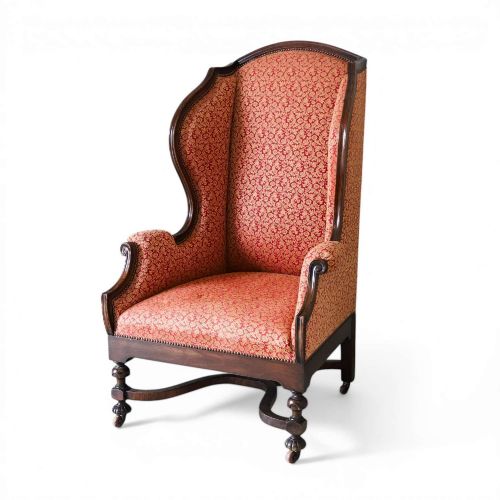
Upholstery techniques involve traditional stuffing secured with hessian, paired with supportive buttoning and brass detailing. Leather, velvet, calico, and chenille provide the primary outer coverings recorded across the pieces.
Victorian Wingback Chair Retail Price Guide 2026
Typical asking prices for victorian wingback chair among the pieces listed under this phrase on Sellingantiques today, from the lower quarter to the upper quarter. They describe what is for sale here now, not the wider market.
Some chairs arrived with castors so they could chase the warmth around the hearth.
Assessing Quality and Proportion
Quality rests in the balance of the proportions and the integrity of the wooden frame beneath the cloth. Superior examples display generous scale and careful execution in the sweeping curves of the wings.
The distinction between standard items and finer pieces lies in the refinement of the carved cabriole legs and the depth of the original leather or buttoning. Well-executed revival styles reflect close attention to historical joinery and timber selection.
Howard And Sons·Sopwith·John Reid And Sons
The Victorian Wingback Chair Glossary
- Cabriole leg
- A furniture leg that curves outward and tapers downward to a foot, commonly seen on eighteenth-century and revival seating.
- Buttoning
- An upholstery technique where depressions are formed by sewing through the padding to secure buttons in a geometric pattern.
- Hessian
- A coarse woven fabric, often utilised as a foundational support layer beneath final upholstery materials.
- Calico
- A plain-woven cotton fabric used historically as an intermediate lining or an uncompleted upholstery stage awaiting top covers.
Victorian Wingback Chair: Frequently Asked Questions
What is a Victorian wingback chair?
A Victorian wingback chair is a fireside armchair featuring characteristic side panels attached to the arms. These wings were originally designed to trap heat and block draughts in large rooms.
Today, these seating pieces serve as statement furniture in traditional interiors, offering deep seats and upright backrests.
Why are some chairs sold in calico?
Chairs offered in calico provide an unfinalised upper layer that leaves the final fabric choice to the buyer. This allows interior designers and collectors to match the upholstery to their specific colour schemes.
The underlying frame and padding remain intact and ready for final covering.
Where should I place a wingback chair?
These armchairs suit studies, libraries, and living rooms, traditionally positioned near a fireplace or reading corner. Their substantial proportions require adequate floor space to let the silhouette stand out.
Pairing them with low tables creates a functional reading or conversation area.