
Antique Wing Armchair
An antique wing armchair holds the heat of an eighteenth-century hearth and anchors a room with undeniable presence.
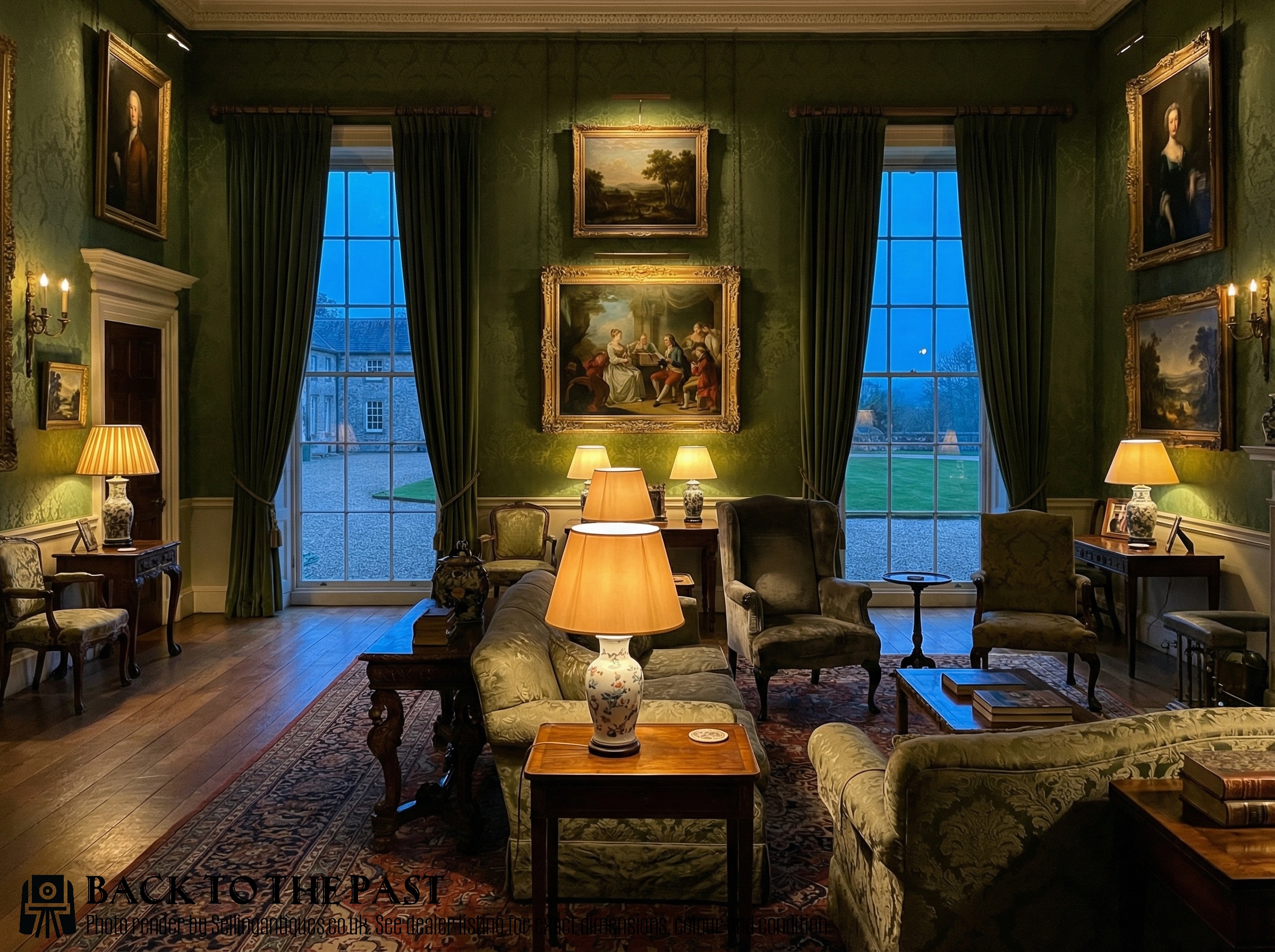
What an antique wing armchair is
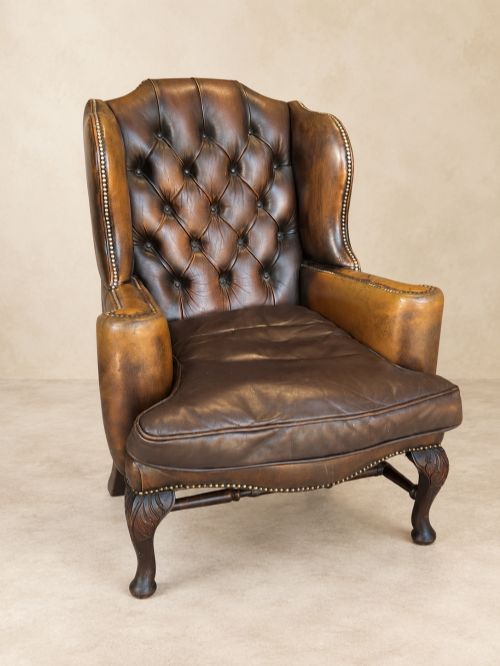
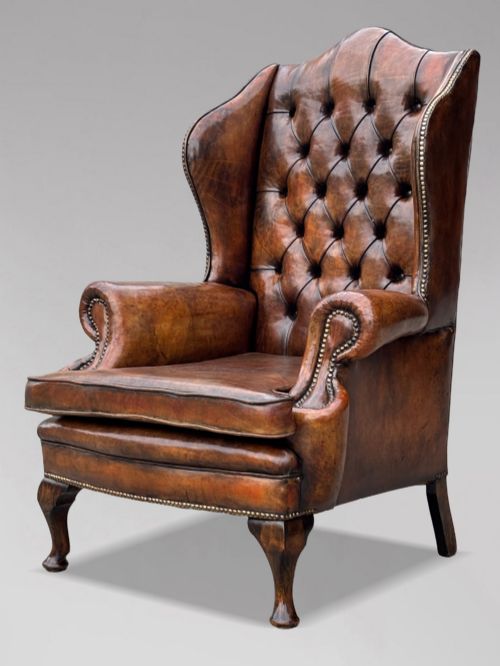
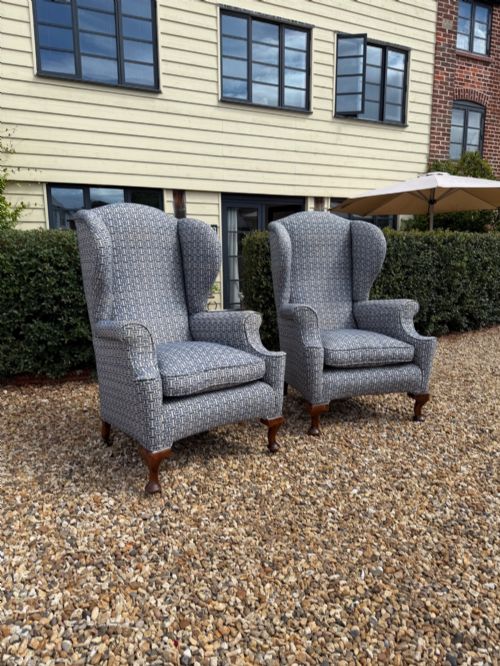
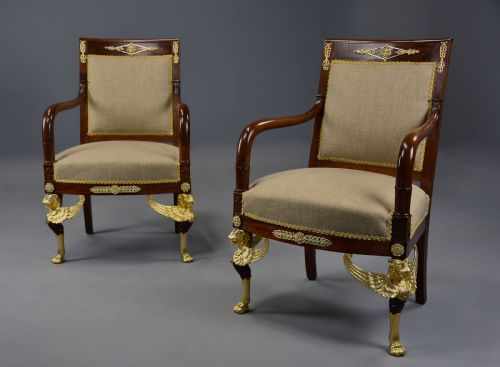
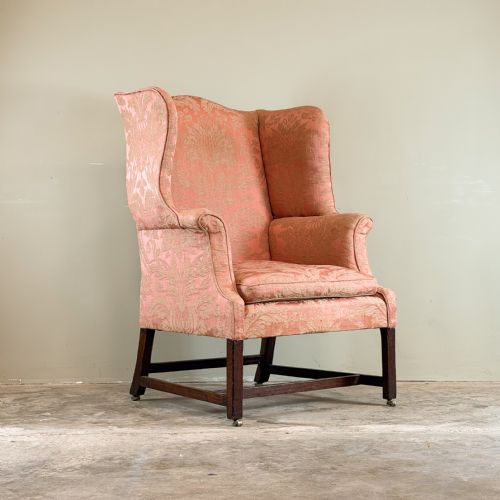
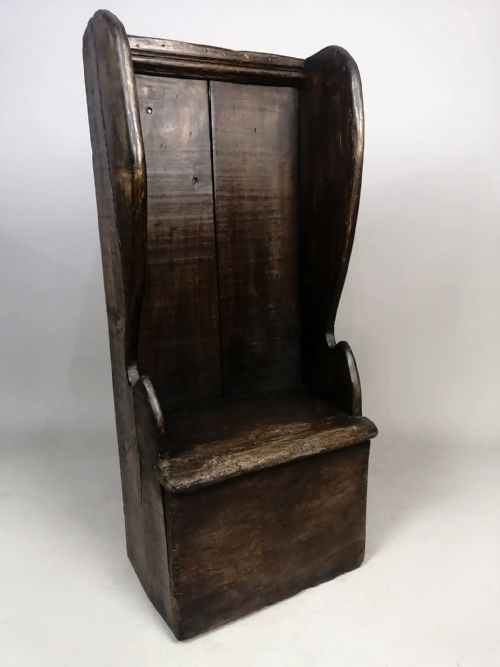
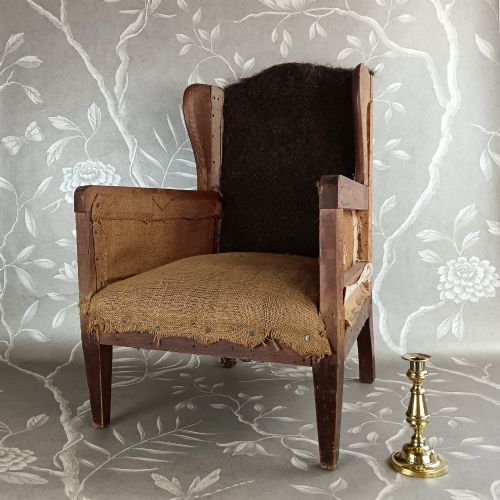
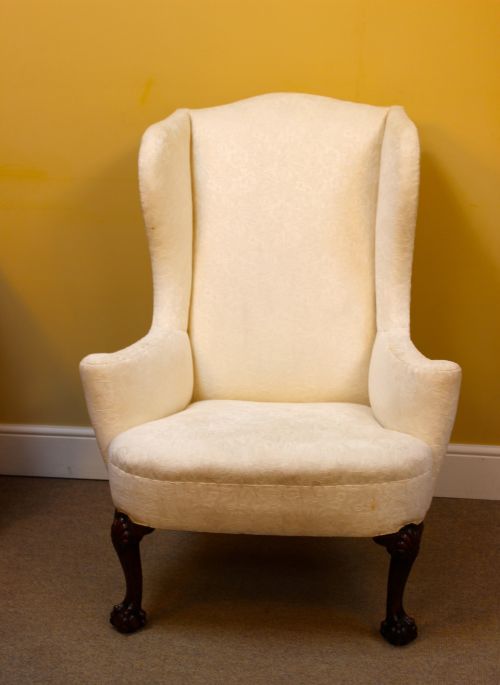
The antique wing armchair is a high-backed seating form designed to shield the sitter from draughts and retain the warmth of an open fire. You will frequently encounter examples spanning the eighteenth century through to the early twentieth century, taking in George III, Victorian, Edwardian and later revival periods.
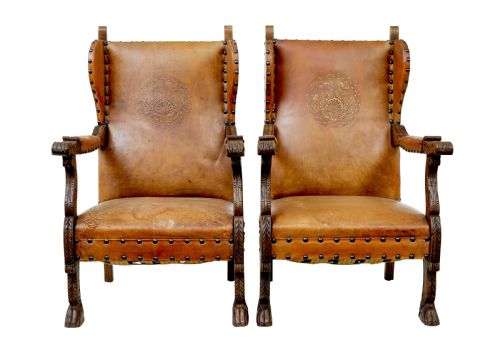
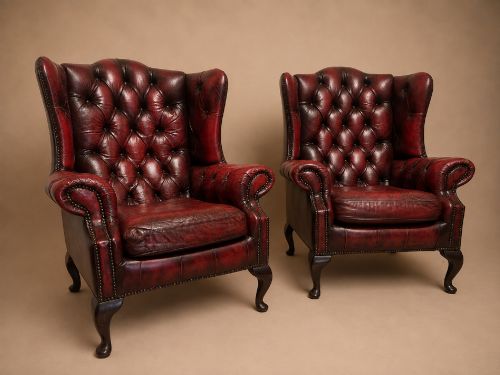
The form relies on distinctive side panels, known as wings, attached to the arms to protect the face and torso. Surviving pieces range from formal Georgian iterations to barrel-backed leather club chairs and Edwardian inlaid mahogany frames.
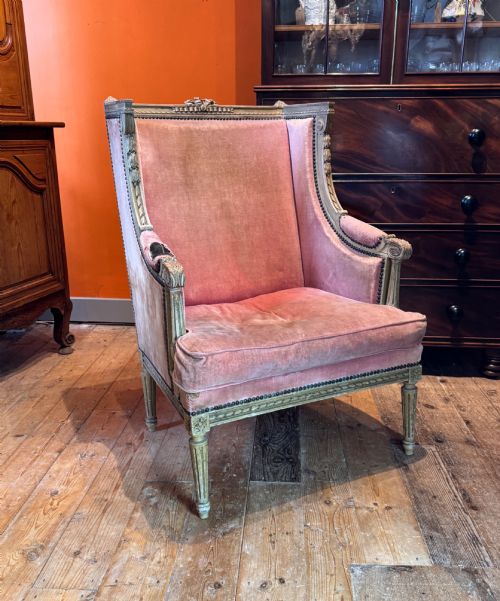
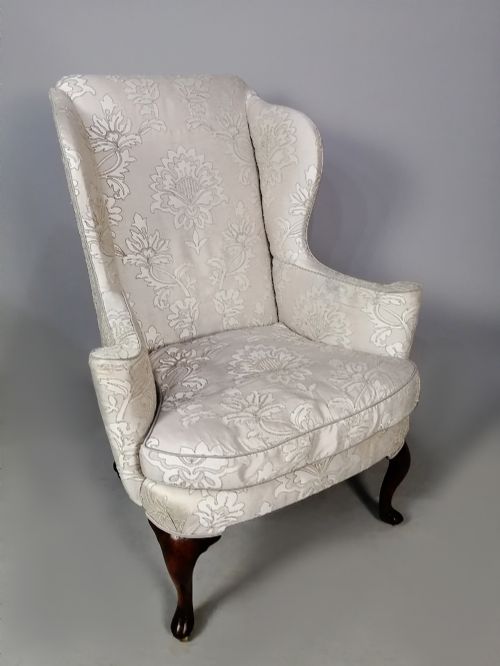
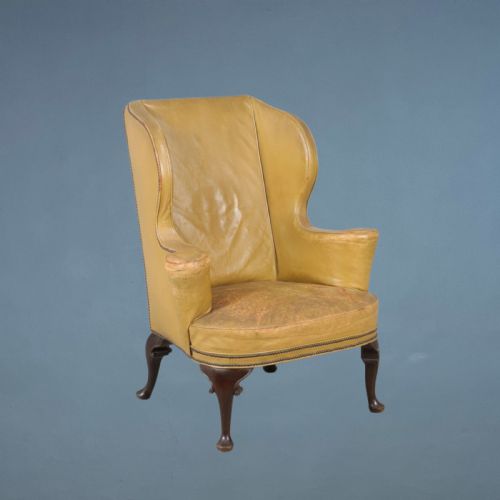
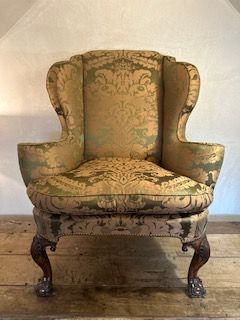
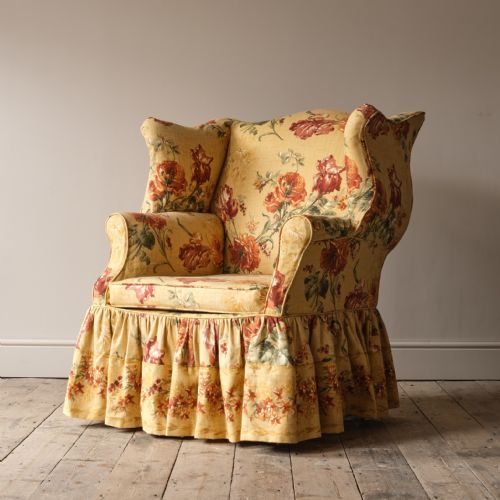
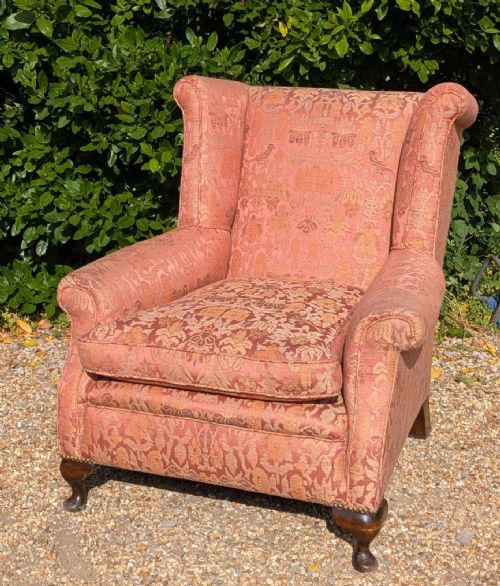
Makers utilised various silhouettes, including Queen Anne style frames with scrolling outlines and robust timber structures raised on cabriole legs. Whether upholstered in supple leather, velvet, cotton chintz or floral textiles, each piece serves as a functional fireside seat.
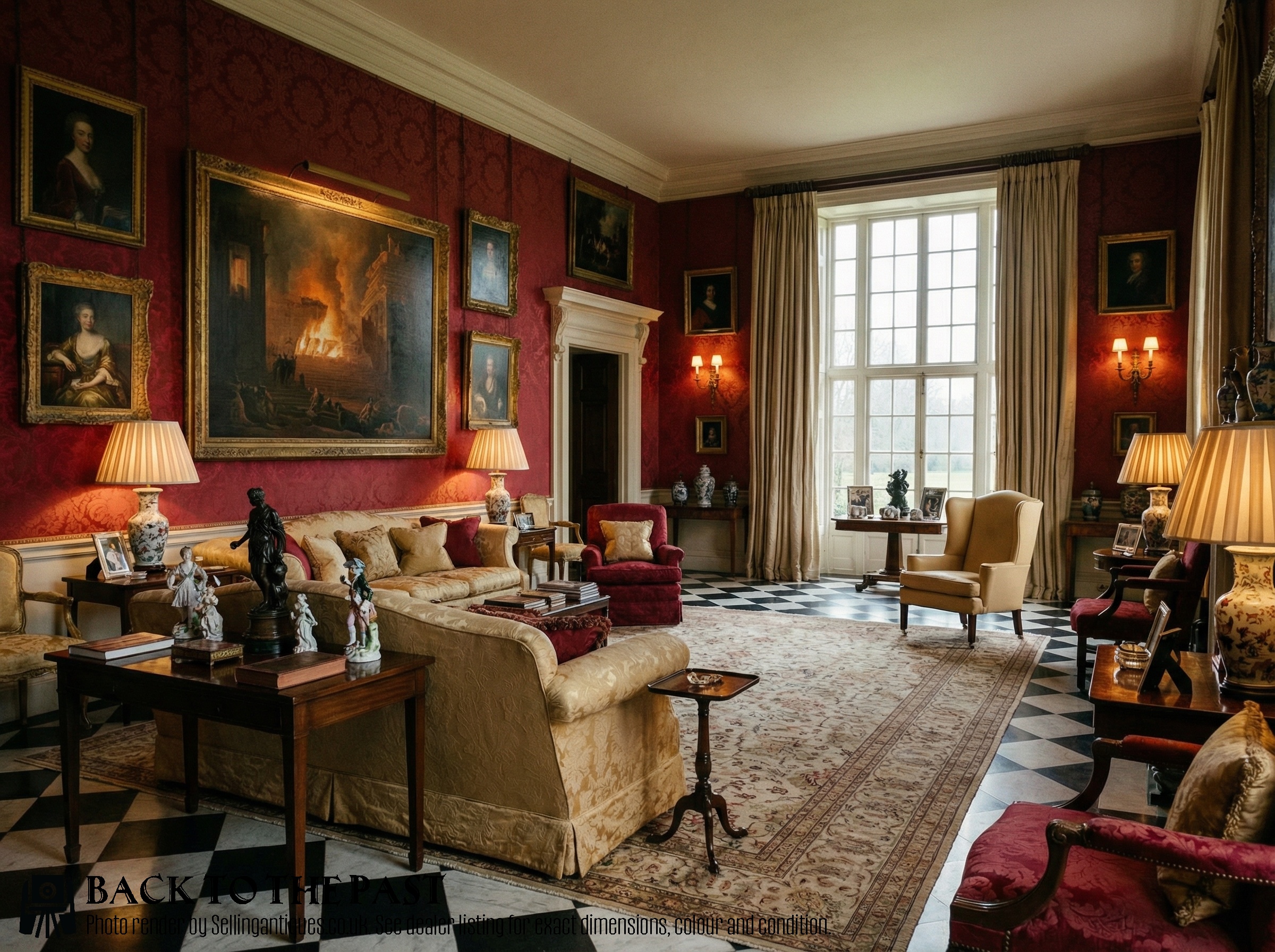
What varies in quality
The integrity of the timber frame and the originality of its components dictate the standing of a piece within the range. Frames retaining their original show-wood, unaltered legs and uncompromised structural joints command greater respect than those heavily modified over time.
The choice and execution of upholstery materials also define the grade of the armchair. Fine examples display sympathetic reupholstery using period-appropriate textiles like hand-coloured leather or quality cotton chintz, maintaining the proportional harmony intended by the maker.
Retail Price Guide 2026
Typical UK retail prices for wing armchair, calculated from the Sellingantiques database of over a million retail prices indexed since 2003. This retail price guide relies exclusively on Sellingantiques data; no external sources or auction records are used, so the figures do not describe the wider market.
Listings feature frames spanning the eighteenth century to the 1920s, constructed in mahogany, walnut, beech and brass.
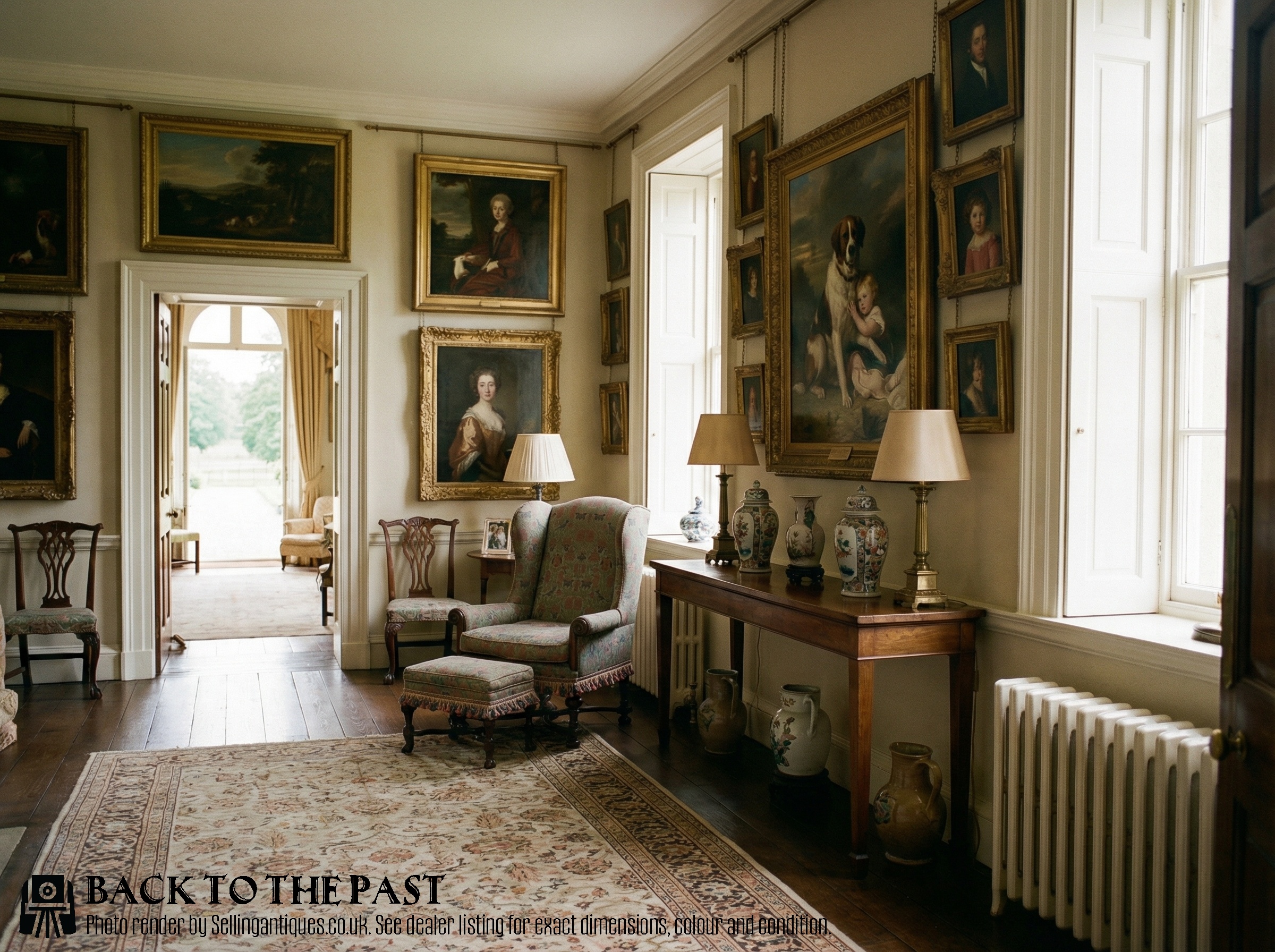
Hille
The Antique Wing Armchair Glossary
- Wingback
- A chair design featuring projecting side panels intended to block cold draughts around the head and shoulders. This defining feature separates the form from standard open armchairs.
- Cabriole leg
- A furniture leg that curves outward in a convex arc and tapers inward in a concave arc, ending in a pad or foot. This stylistic element appears frequently on walnut frames from the eighteenth century onwards.
- Barrel back
- A seating variation where the upholstered back curves continuously into the arms in a semicircular enclosure. This design offers a particularly enveloping sit.
- Chintz
- A printed and glazed cotton fabric often featuring floral patterns used for soft furnishings. It appears on country house variants of the form.
- Giltwood
- Timber treated with gold leaf or gold paint to produce a brilliant decorative surface. It is occasionally found on revival pieces.
Frequently Asked Questions
What is the purpose of the wings?
The side panels or wings were originally engineered to trap heat from an open fireplace and deflect cold air drafts away from the sitter's head.
Over time, the feature evolved into a classic design hallmark that also provided a degree of privacy and acoustic shelter in large rooms.
How do I identify a Georgian piece?
Georgian pieces typically display restrained proportions, high-quality timber frames in mahogany or walnut, and classic structural lines associated with the eighteenth century.
Later revivals from the twentieth century often imitate these proportions but reveal modern manufacturing signatures upon closer inspection of the internal joinery.
Are leather and fabric models different?
Leather upholstered variants, including barrel back and club styles, were frequently selected for libraries, smoking rooms, and masculine studies.
Fabric-covered examples utilising velvet, chintz or floral textiles generally belonged in drawing rooms, morning rooms, and formal bedrooms.
How should I live with an antique armchair?
Position the chair away from direct heat sources and strong sunlight to prevent the timber frame from drying out and the upholstery from fading.
Regular, gentle care of leather with appropriate balms or vacuuming of fabric textiles will preserve the materials for daily use.