
Upholstered Wingback Chair
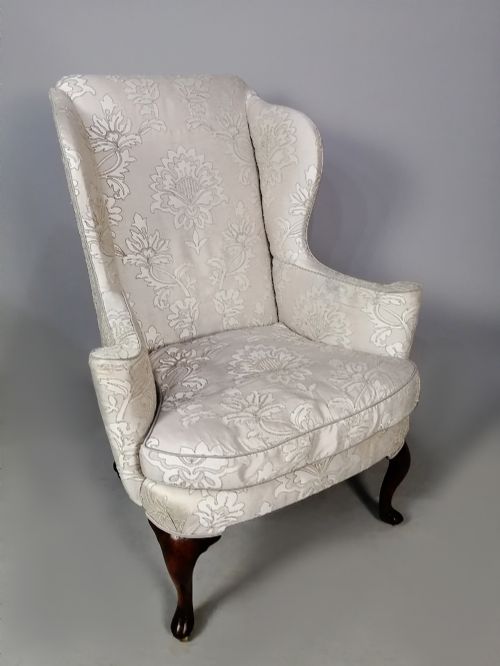
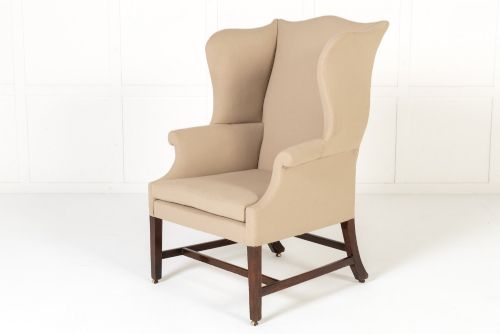
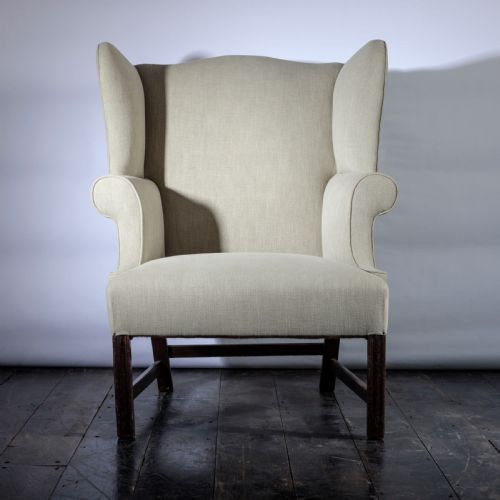
An upholstered wingback chair offers deep comfort and draught-excluding side panels, shaped by centuries of seating tradition.

Upholstered Wingback Chair
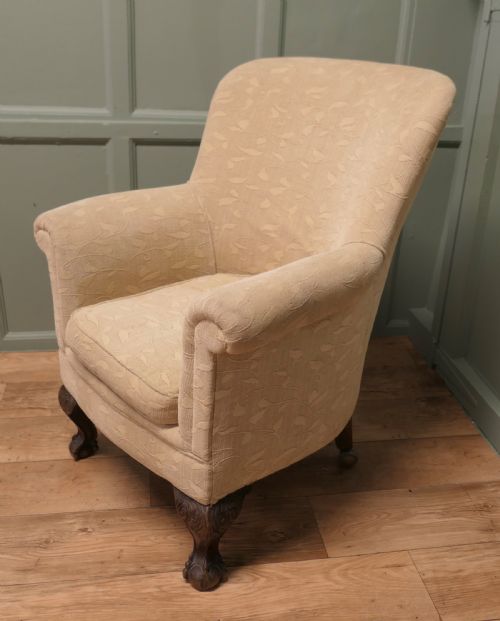
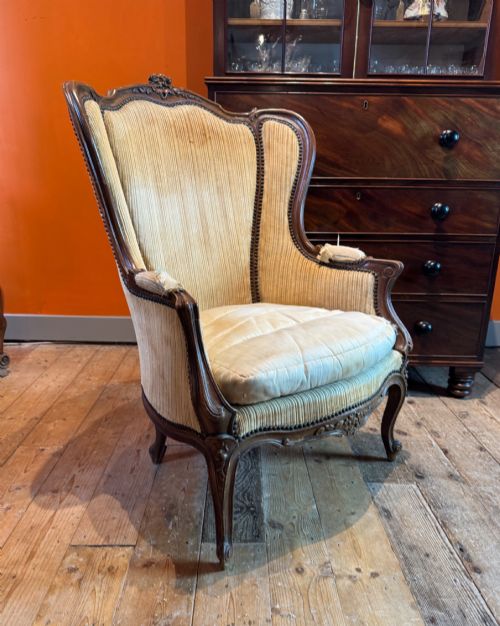
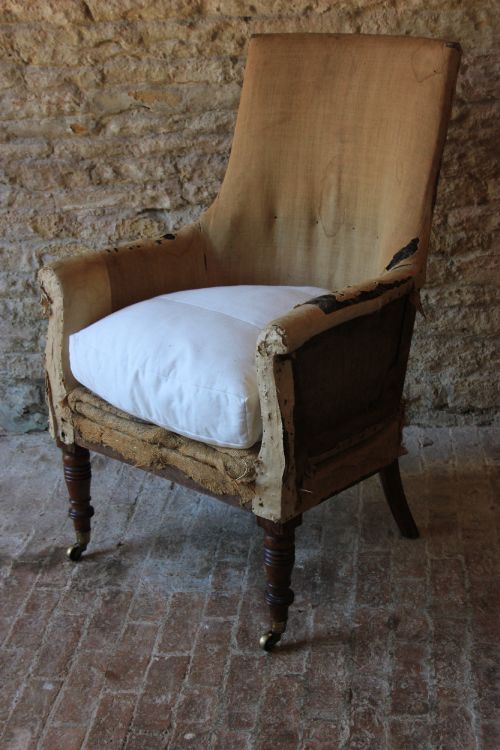
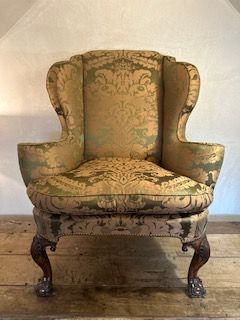
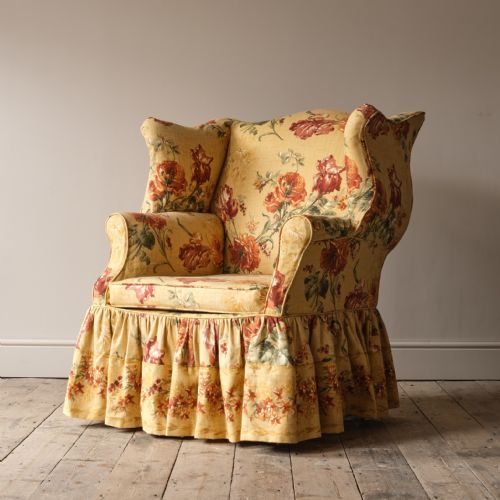
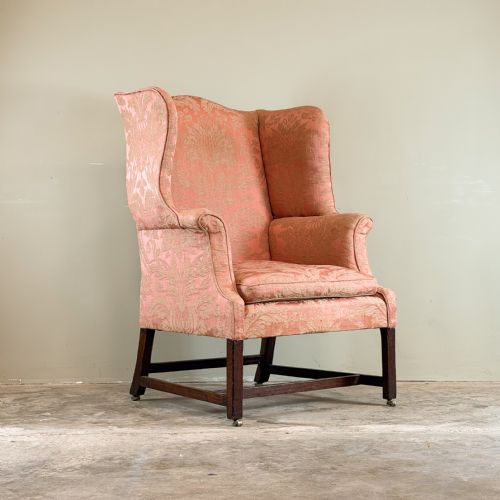
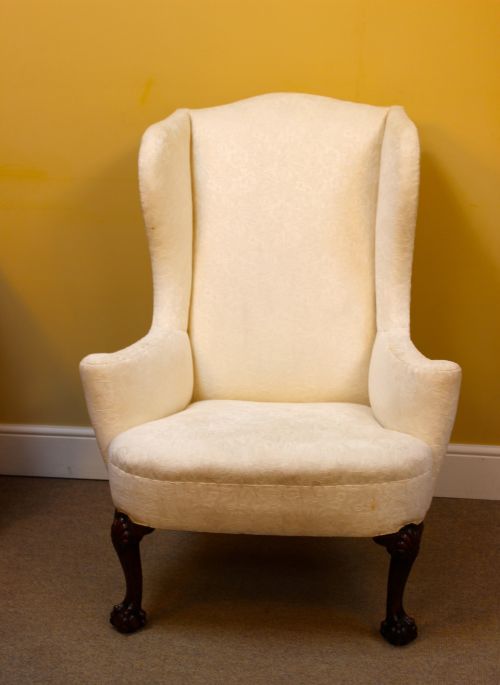
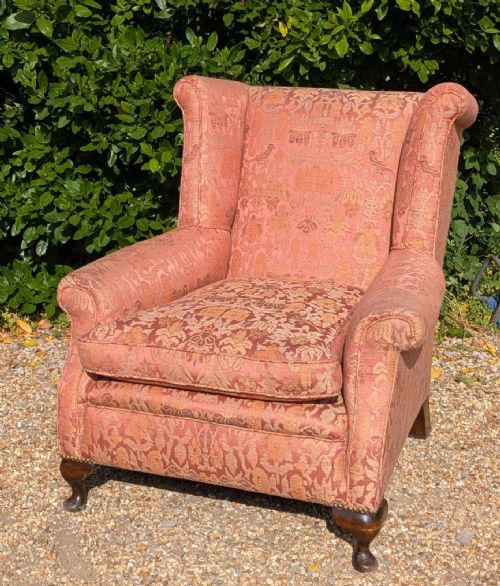
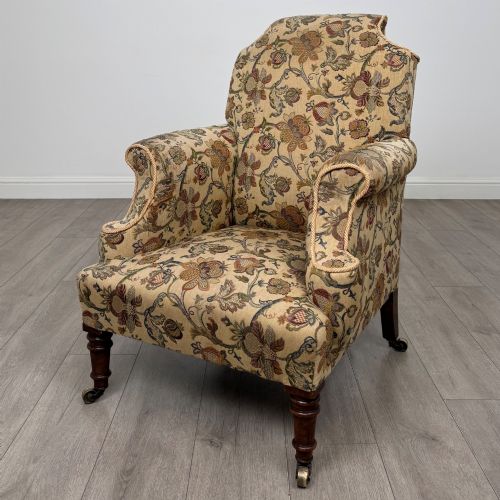
The upholstered wingback chair appears across multiple eras, ranging from early examples through Georgian and Victorian periods to Edwardian and later twentieth-century iterations. Buyers encounter mahogany and walnut frames alongside variants shaped in specific revival styles such as Queen Anne, Chippendale, and Carolean.
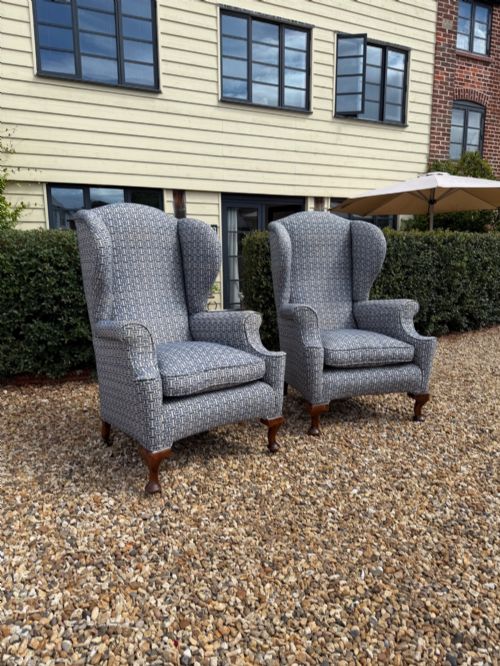
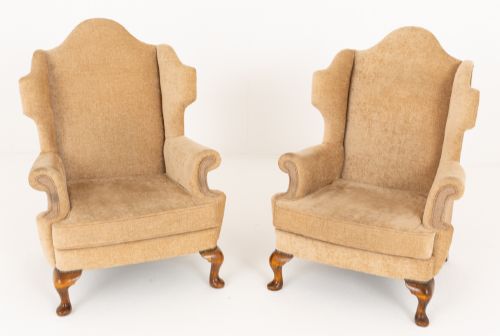
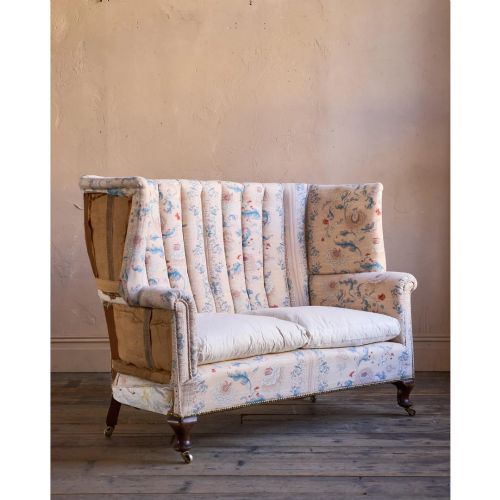
Forms span large reading chairs, library seating, and paired fireside versions, occasionally extending into barrel-backed shapes or settees. The selection includes child-sized models alongside grand proportions suited to English country house settings.
Origins vary from English workshops to French provincial pieces, reflecting diverse regional interpretations of the classic winged form. Construction dates stretch from the eighteenth century into the 1930s, utilising timber frames hidden beneath modern or period textiles.
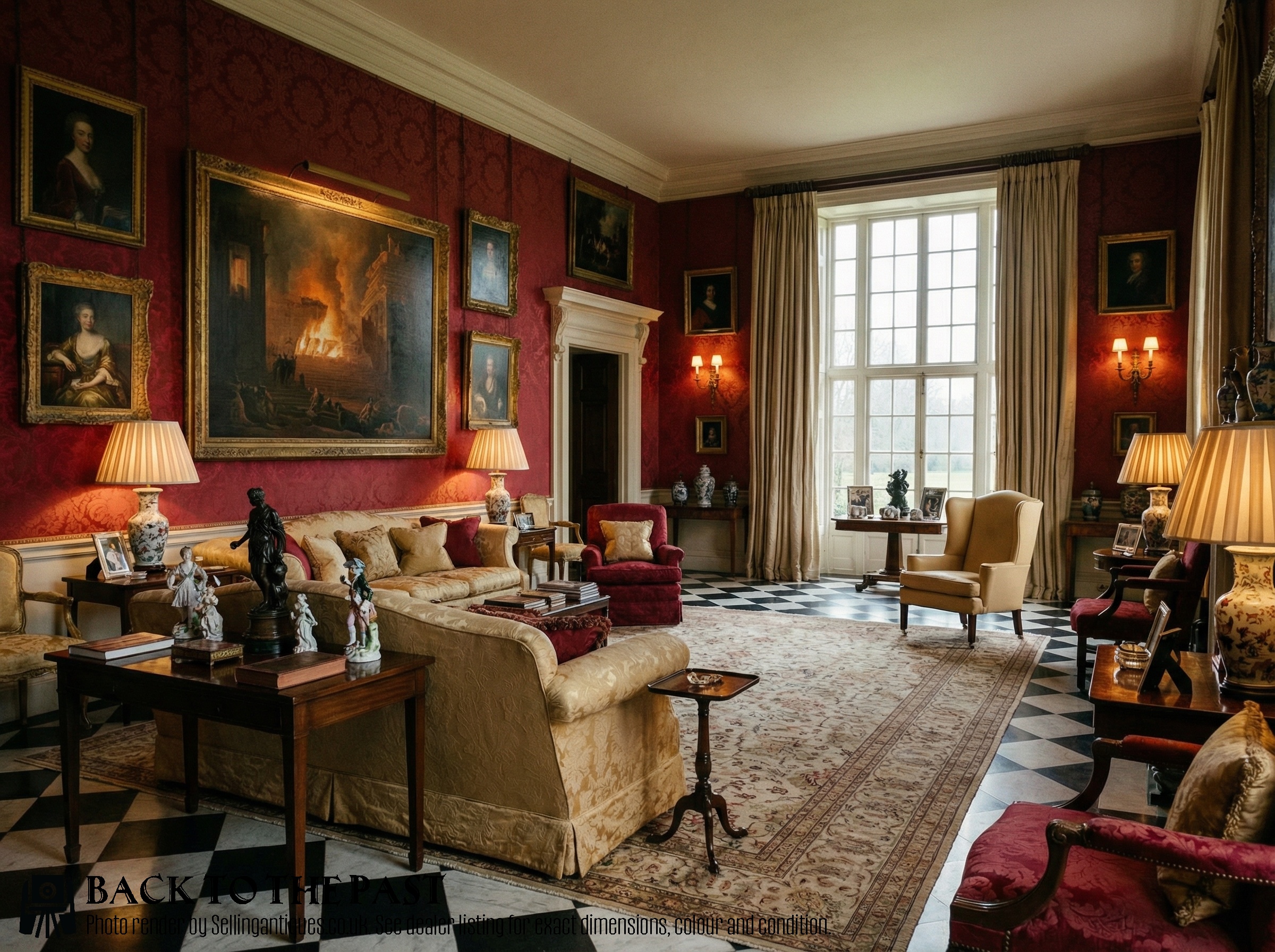
Materials and Construction
Frames rely on solid hardwoods such as mahogany, walnut, oak, and general timber, providing the structural skeleton beneath the upholstery. Joinery techniques secure the wings and arms to withstand daily leaning and seating pressure.
Surface treatments include exposed polished wood on legs and stretchers, combined with brass castors on certain nineteenth-century feet. Interior stuffing historically relied on natural materials, while modern updates utilise feather fills and textiles like velvet, leather, linen, chenille, and plaid.
Upholstered Wingback Chair Retail Price Guide 2026
Typical asking prices for upholstered wingback chair among the pieces listed under this phrase on Sellingantiques today, from the lower quarter to the upper quarter. They describe what is for sale here now, not the wider market.
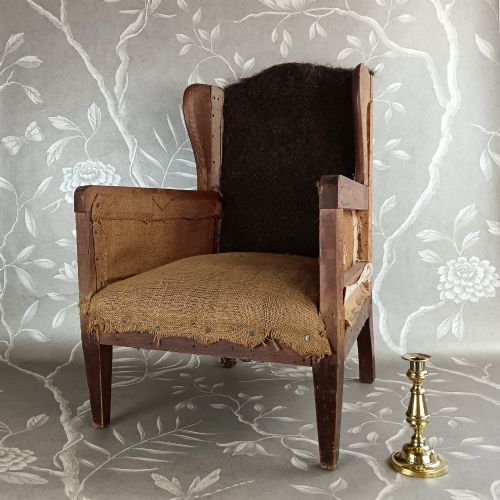
Even miniature occupants need protection, as proved by the surviving child-sized wing chairs built to keep toddlers out of the hearth draught.
Craftsmanship and Proportion
Quality rests in the harmony of the wooden frame proportions, particularly the sweep of the wings and the rake of the back legs. Superior examples display crisp carving on exposed mahogany or walnut elements rather than flat, machine-cut outlines.
The success of the piece depends on the tension and shaping of the upholstery work, whether finished in plain calico, leather, or patterned textile. Frames with documented origins or attributable maker stamps command distinct attention for their structural integrity.
Howard And Sons·Whytock And Reid
The Upholstered Wingback Chair Glossary
- Wingback
- A seating form featuring protective side panels attached to the arms to deflect draughts from the occupant's head. These wings define the silhouette of fireside reading chairs.
- Bergere
- An enclosed upholstered armchair with wooden framing visible around the sides and back. French variants often exhibit curved cabriole legs.
- Chenille
- A fuzzy, tufted yarn used in textile production to create tactile, heavy upholstery fabrics. It provides a soft, durable surface on period seating.
- Castor
- A small wheel attached to furniture legs to permit smooth rolling across floor coverings. Brass variants appear frequently on nineteenth-century seating.
- Carolean
- A decorative style spanning the late seventeenth century, characterised by rich carving and scrolled woodwork. Revival versions appear frequently in later nineteenth-century seating.
Upholstered Wingback Chair: Frequently Asked Questions
How do I spot an 18th-century wing chair?
Eighteenth-century examples typically display hand-carved mahogany or walnut frames with stretcher bases and vernacular joinery appropriate to the period.
Closer inspection reveals pegged joints and timber patination that differs substantially from later nineteenth-century revival manufacturing methods.
Are these chairs comfortable for daily use?
Most upholstered wingback chairs are designed specifically for relaxing, reading, or fireside seating. Internal padding ranges from firm traditional stuffing to softer feather fillings found in twentieth-century variants.
Buyers should consider seat depth and back height to match their personal physical proportions.
How do I date a Victorian wing chair?
Victorian models frequently incorporate mahogany or walnut frames mounted on brass castors for mobility. Upholstery choices from this era often include velour, horsehair, or printed cotton.
Framing techniques and secondary woods visible beneath the upholstery help distinguish them from earlier Georgian predecessors.