


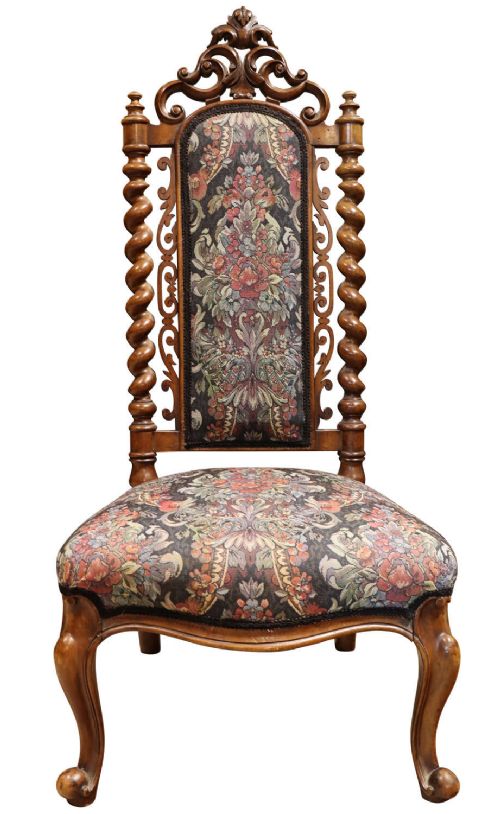
Victorian Upholstered Seating
Victorian upholstered seating brings together sturdy timber frames and comfortable padded forms, offering both historical character and practical comfort for daily use.
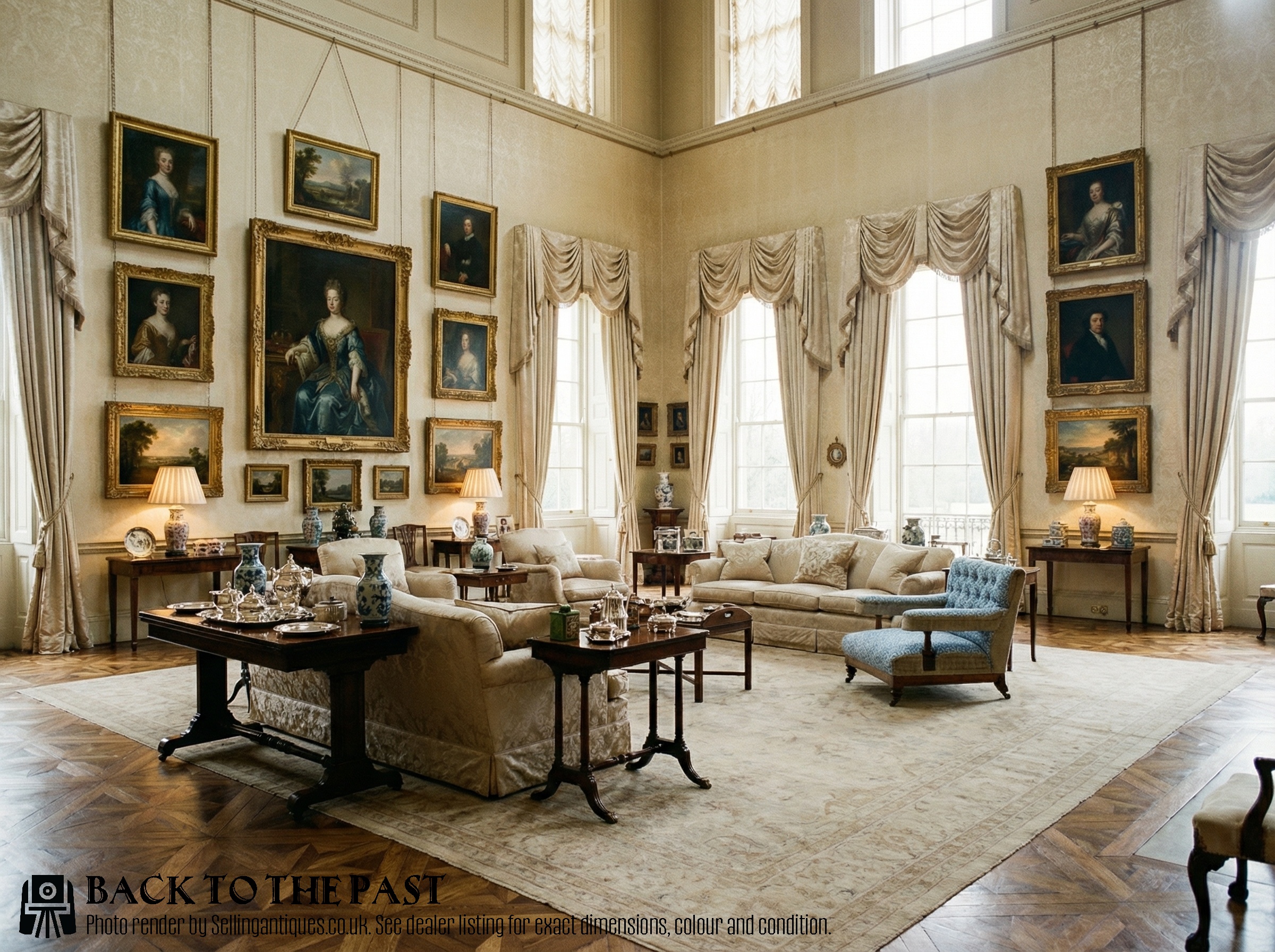
Victorian Upholstered Seating
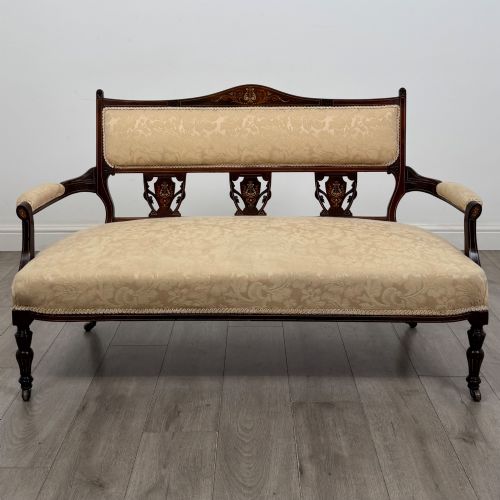
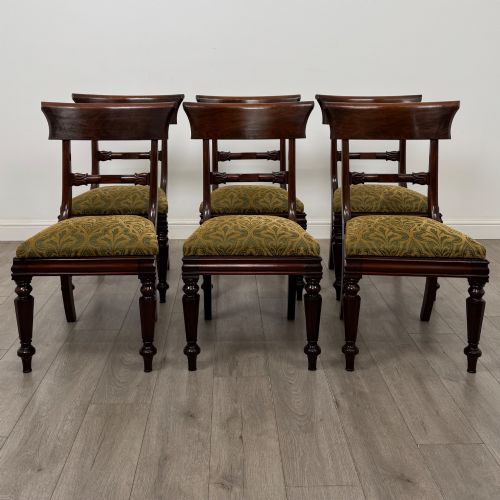
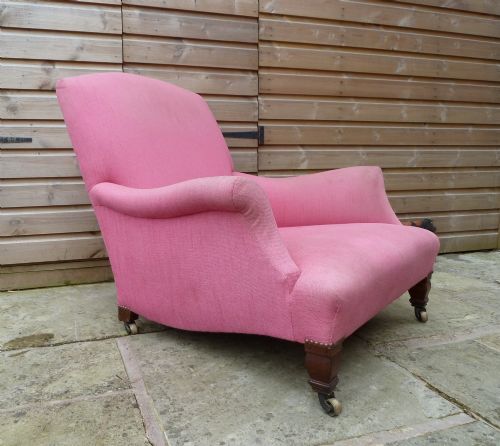
When you search for victorian upholstered seating, you encounter a wide variety of domestic furniture ranging from large settees and bedroom chairs to dining sets and library armchairs. The pieces on this page span the nineteenth century, including specific decades such as eighteen-fifty, eighteen-sixty, eighteen-seventy, eighteen-eighty, and nineteen-hundred.
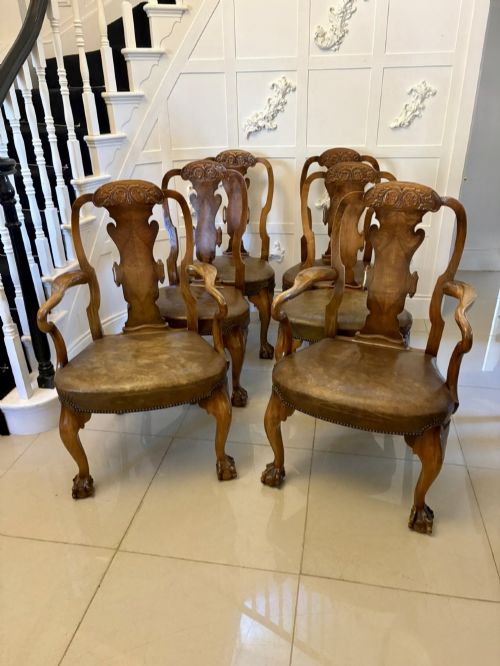
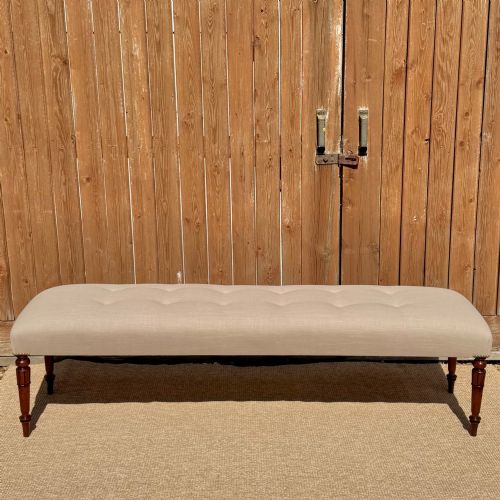
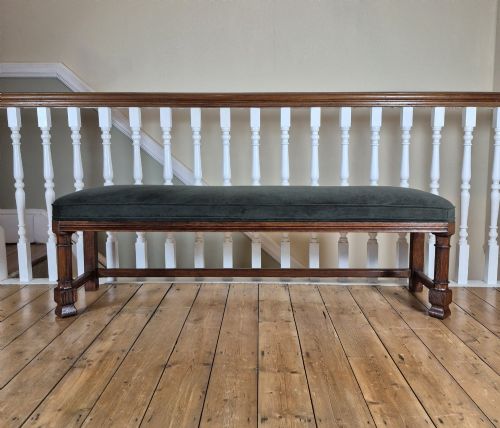
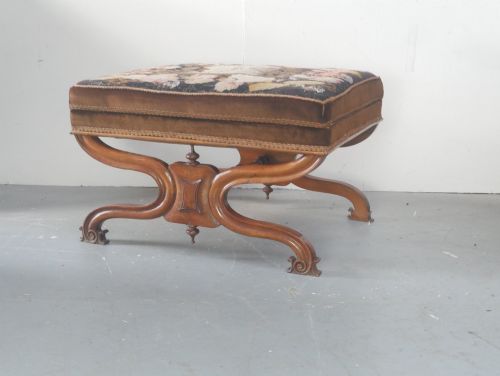
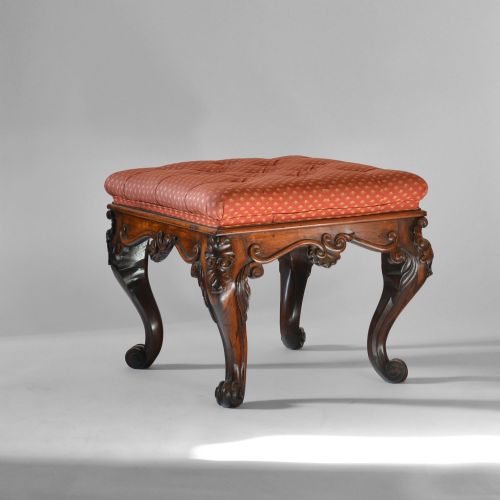
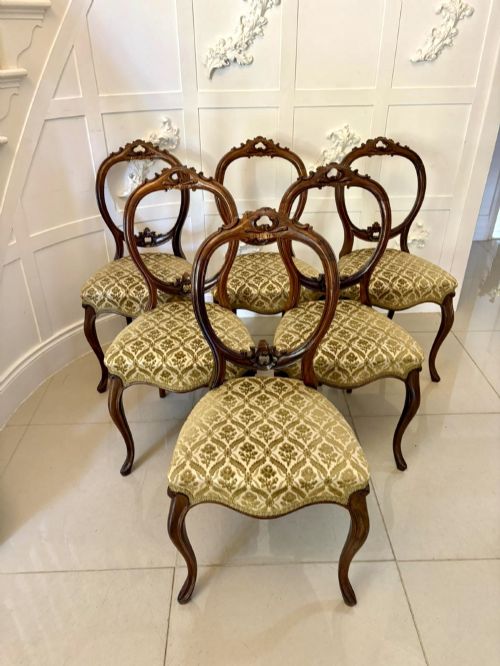
The forms vary considerably across the selection, featuring side chairs, nursing chairs, stools, window seats, and full three-seater couches. Walnut and mahogany frames dominate the offerings, often shaped into balloon backs or carved revival styles.
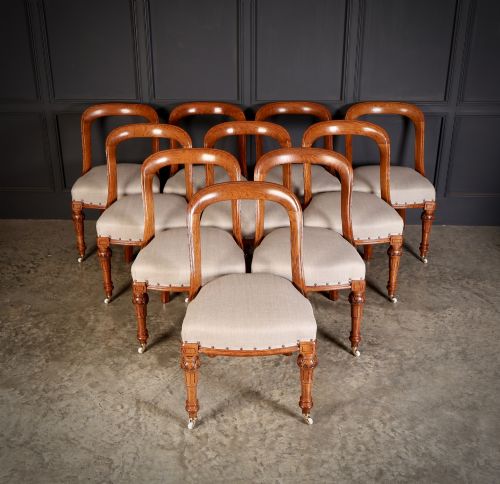
Most items reflect the broader aesthetic movements of their time, including Rococo Revival, Gothic Revival, Queen Anne Revival, and Scottish Baronial influences. A buyer is equally likely to find simpler oak dining sets alongside ornate rosewood and ebonised frames.
Materials and Construction
Makers constructed these frames using solid hardwoods like mahogany, walnut, oak, and rosewood, ensuring long-term structural stability. Brass details and gilt highlights occasionally appear on frames and hardware, complementing the darker timber tones.
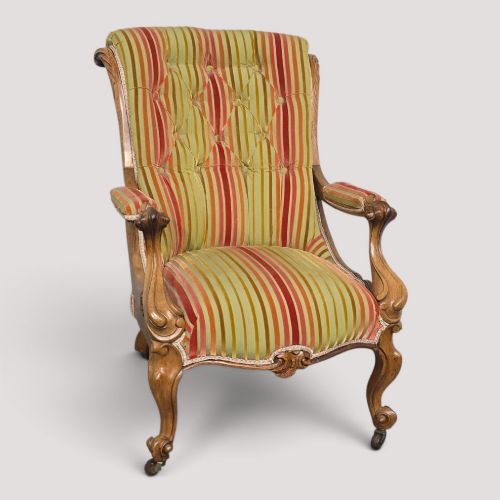
Upholstery techniques relied on deep buttoning, calico linen foundations, tapestry covers, and velvet fabrics to provide cushioned support. Woodcarving played a major role in decoration, particularly on the walnut and mahogany dining chairs and armchairs.
Victorian Upholstered Seating Retail Price Guide 2026
Typical asking prices for victorian upholstered seating among the pieces listed under this phrase on Sellingantiques today, from the lower quarter to the upper quarter. They describe what is for sale here now, not the wider market.
A dedicated brass-framed seat designed specifically for nineteenth-century harpists proves that furniture makers accommodated even the most specialised musical hobbies.
Assessing Craftsmanship
Quality rests on the crispness of the timber carving and the structural integrity of the frame joints. Pieces with substantial walnut or rosewood frames show superior material selection compared to simpler secondary timbers.
The refinement of the silhouette and the complexity of the revival styling, such as intricate Scottish Baronial or Gothic Revival details, distinguish exceptional pieces from standard domestic furniture.
Howard and Sons·Hampton and Sons·W.A. Willcocks
The Victorian Upholstered Seating Glossary
- Balloon back
- A chair back shaped like a rounded balloon, typical of mid-nineteenth-century dining chairs. This design provided comfortable lumbar support.
- Button back
- An upholstery technique where buttons are pulled deep into the padding to create a quilted diamond pattern. This method keeps the internal stuffing securely in place.
- Prie Dieu
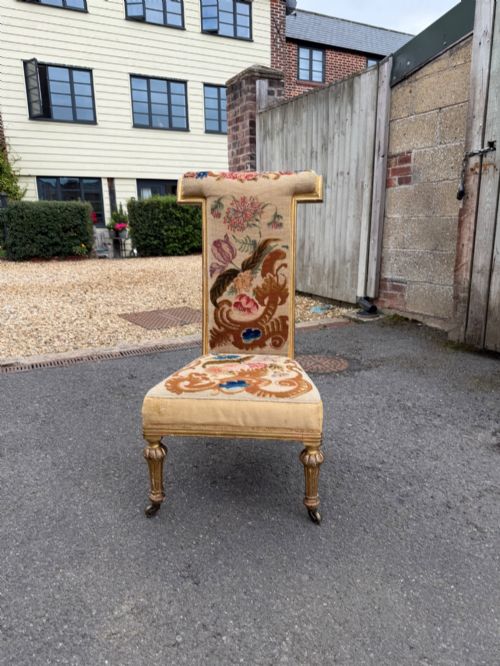
- A low devotional chair designed for kneeling and prayer, often featuring an upper rail for resting arms. These items date primarily to the mid-nineteenth century.
- Chesterfield
- A large upholstered sofa with arms and back of the same height, traditionally featuring deep buttoning. These pieces offer deep seating capacity.
- Balloon back
- A chair back shaped like a rounded balloon, typical of mid-nineteenth-century dining sets. This style was widely produced in mahogany and walnut.
Victorian Upholstered Seating: Frequently Asked Questions
What defines Victorian upholstered seating?
These pieces combine solid timber frames in mahogany, walnut, oak, or rosewood with padded upholstery such as velvet, tapestry, or calico linen.
They encompass diverse forms including armchairs, dining sets, stools, and settees produced throughout the nineteenth century.
How were these chairs used historically?
Dining chairs and side chairs served formal entertaining spaces, while nursing chairs and bedroom chairs provided low seating for private quarters.
Larger items like Chesterfields and library armchairs furnished sitting rooms and studies for reading and relaxation.
How do I live with Victorian seating?
Integrating these pieces into a modern interior works best by pairing dark wood frames and traditional textiles with neutral contemporary surroundings.
Their sturdy hardwood construction makes them suitable for daily domestic use when placed in appropriate dry living spaces.
How can I tell different periods apart?
Earlier pieces from the mid-nineteenth century often display Rococo or Gothic Revival influences, while later items incorporate ebonised finishes or simpler forms.
Material shifts from early rosewood and heavy mahogany toward lighter walnut and oak can also help indicate the approximate decade of production.