





Vintage Nursing Chair
A vintage nursing chair offers a low seat and upholstered comfort, bringing nineteenth-century low-slung seating into modern spaces.
Vintage Nursing Chair
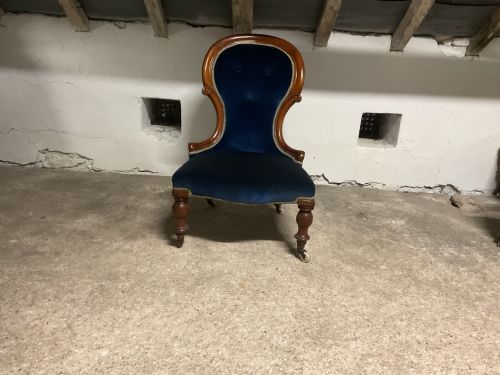
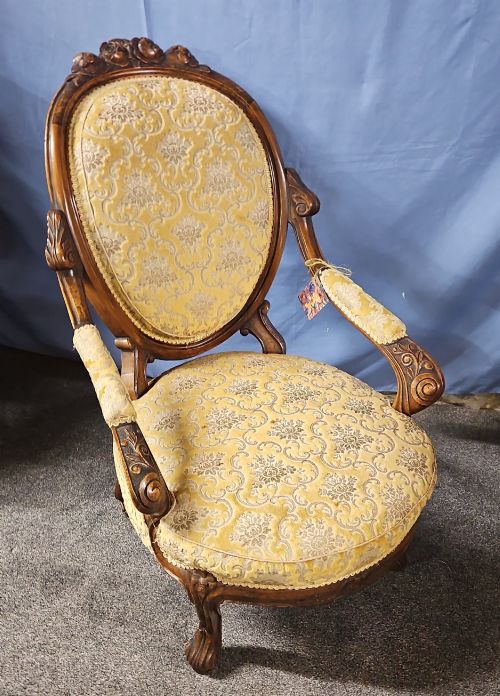
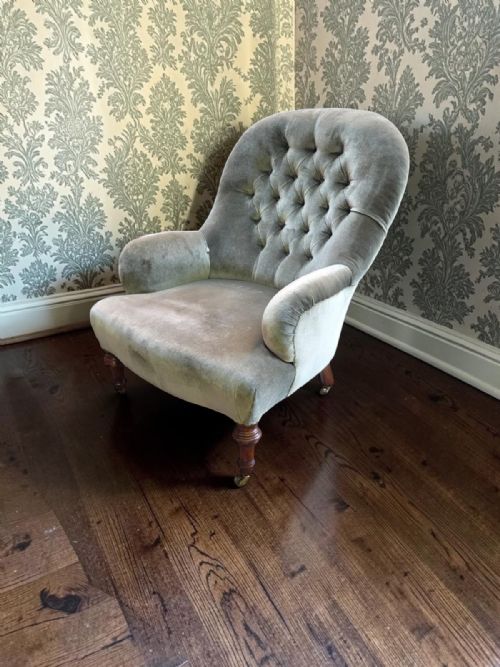
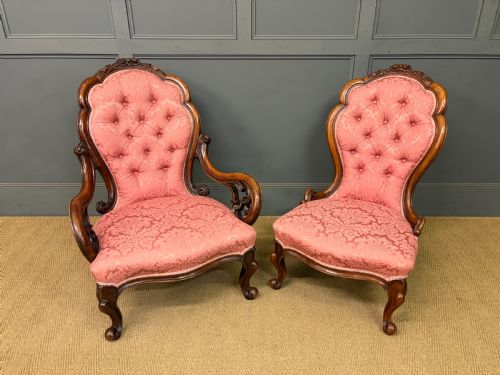
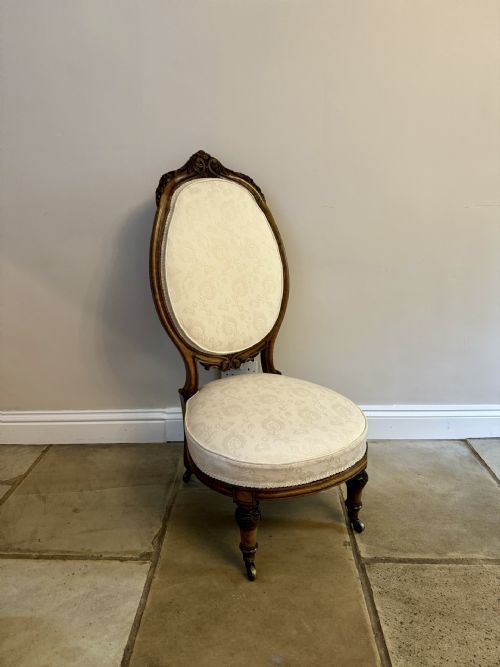
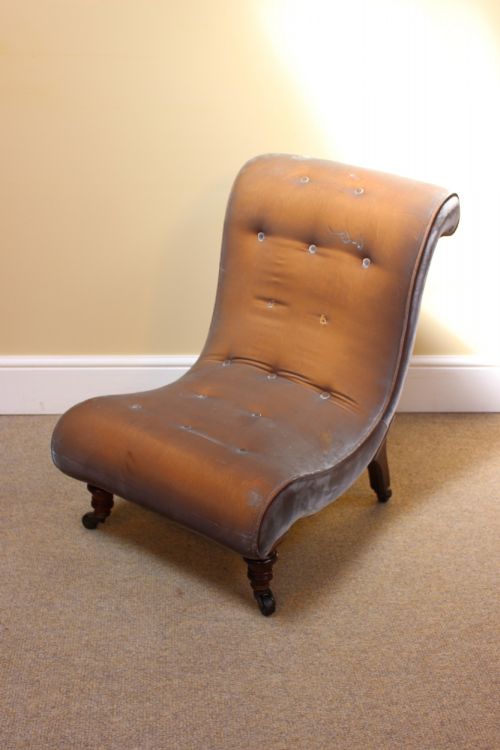
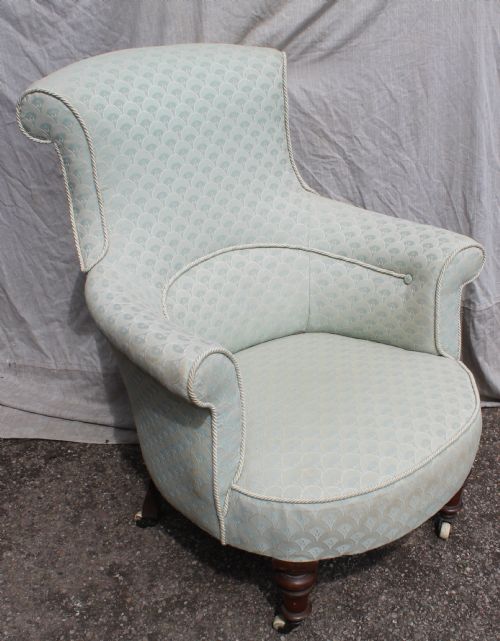
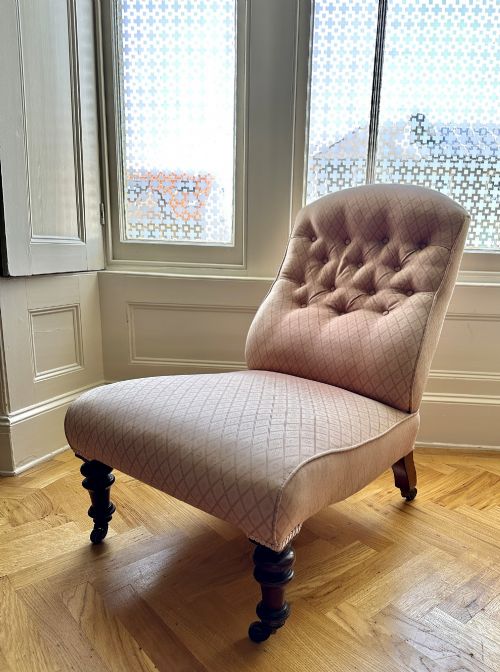
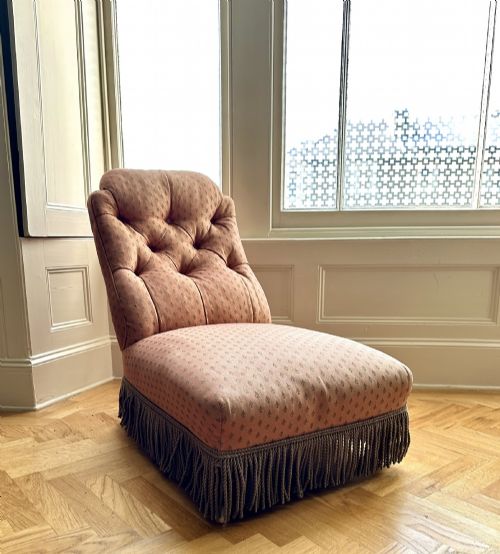
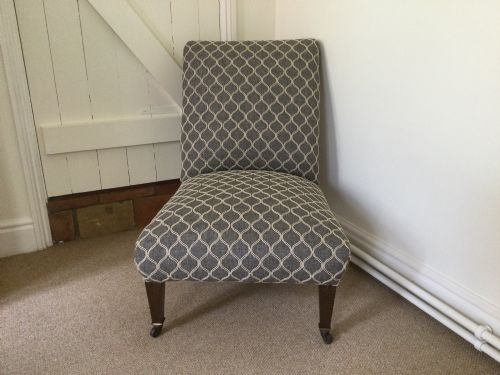
A vintage nursing chair is a low-seated armchair designed for nineteenth-century domestic interiors, frequently encountered as Victorian or Edwardian bedroom and salon seating. The form prioritises a lower profile for comfortable sitting, often matching related nineteenth-century bedroom chairs, slipper chairs and occasional seating.
The versions most common here span the Victorian and Edwardian eras, framed in mahogany, walnut, oak, beech or rosewood. These pieces appear alongside closely related slipper chairs and bedroom chairs, reflecting the varied terminology used by nineteenth-century makers for low upholstered seats.
What varies in quality
The standard of timber selection and the crispness of frame carving separate basic workshop output from finer parlour seating. Richly figured walnut, carved mahogany and detailed scroll or spoon backs elevate the piece beyond standard bedroom furniture.
The execution of button upholstery and the choice of textile, whether velvet, leather, or tapestry, define the refinement of the finished chair. Superior examples combine robust frame construction with harmonious upholstery proportions.
Vintage Nursing Chair Retail Price Guide 2026
Typical asking prices for vintage nursing chair among the pieces listed under this phrase on Sellingantiques today, from the lower quarter to the upper quarter. They describe what is for sale here now, not the wider market.
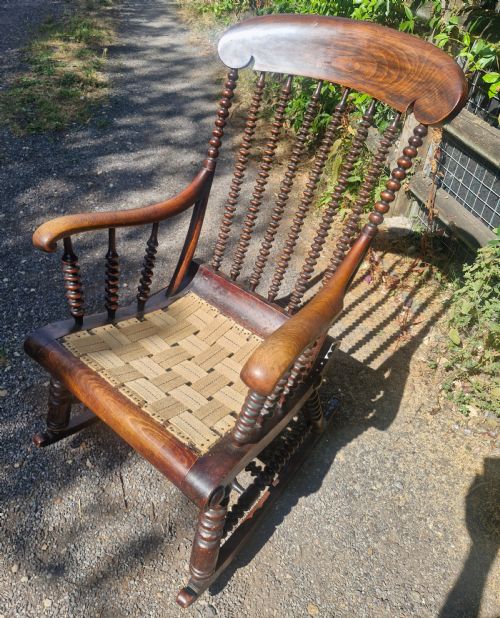
The selection includes related low seating forms such as slipper chairs, gossip chairs, salon chairs and bedroom rocking chairs.
Wheeler Of Arncroach
The Vintage Nursing Chair Glossary
- Nursing chair
- A low-seated upholstered chair designed in the nineteenth century, intended originally for nursing infants or general bedroom use. These pieces typically feature low profiles to allow comfortable sitting close to a hearth.
- Slipper chair
- An upholstered chair with a low seat, historically used in a bedroom or dressing room for putting on shoes. They share similar proportions with nineteenth-century nursing chairs.
- Button back
- An upholstery technique where buttons are pulled deep into the padding to create a padded, geometric pattern. This method provides both structural tension and decorative detail.
- Barley twist
- A turning technique resembling a twisted rope, commonly found on nineteenth-century chair legs and supports. It adds decorative texture to the wooden frame.
- Spoon back
- A chair back carved into a concave oval shape resembling the bowl of a spoon, popular during the Victorian period. This design ergonomically fits the sitter's back.
Vintage Nursing Chair: Frequently Asked Questions
What is a vintage nursing chair?
A vintage nursing chair is a low-slung nineteenth or early twentieth-century armchair designed for domestic comfort. They were built with shorter legs to sit closer to the floor.
These pieces typically appear in Victorian and Edwardian styles, often featuring upholstered button backs and carved wooden frames made of walnut, mahogany or beech.
How do I style a nursing chair?
These compact chairs fit well in bedrooms, dressing rooms, or sitting corners where standard armchairs might overwhelm the floor space. Their low profile makes them practical as occasional seating.
Pare them with simple contemporary furnishings to let the nineteenth-century woodwork and upholstery texture stand out as a focal point.
How do I date a nursing chair?
Dating relies on examining the frame materials, wood turning styles and upholstery methods. Victorian examples often feature walnut or mahogany with carved scroll or spoon backs.
Edwardian pieces frequently utilise beech or oak frames, sometimes incorporating inlaid woodwork or simpler structural lines typical of the early twentieth century.
What is the difference between a nursing chair and a slipper chair?
While both share a low seat height and nineteenth-century origins, nursing chairs traditionally offered supportive backs for sitting over longer periods. Slipper chairs were often used in bedrooms for dressing.
In practice, makers and sellers often used the terms interchangeably for low-profile bedroom seating from the Victorian and Edwardian eras.