

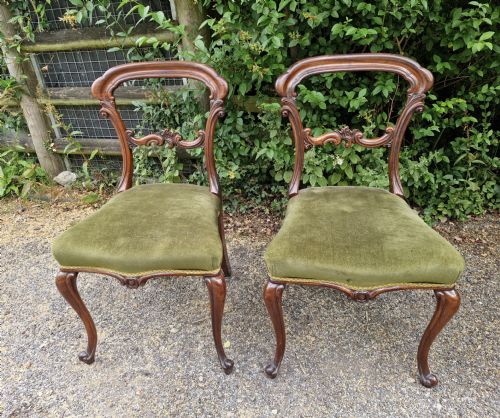
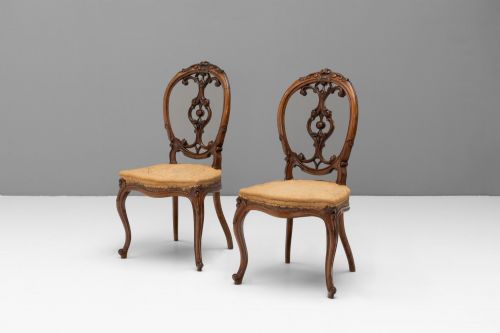


Rococo Revival Side Chair
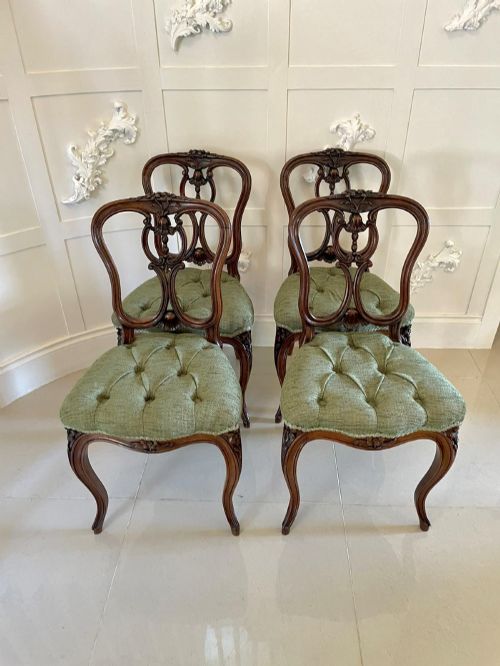
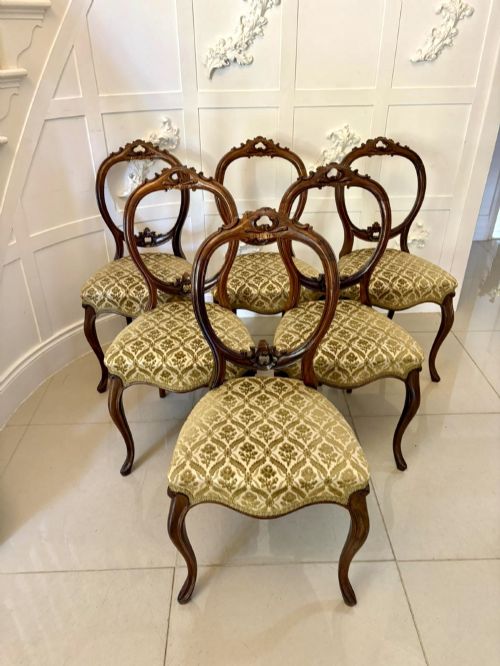
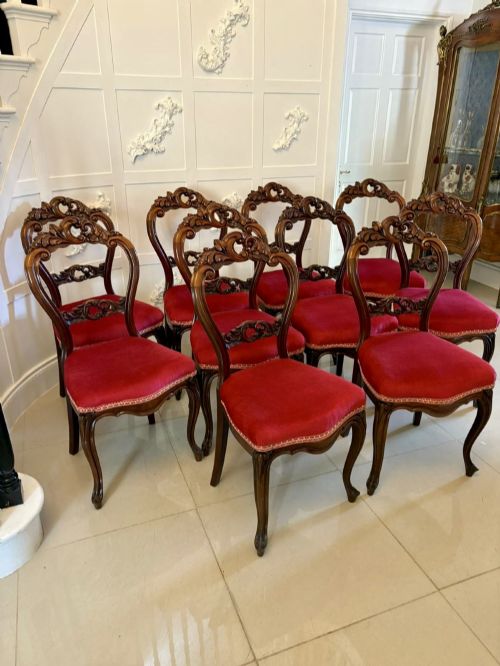
These rococo revival side chair pieces bring 19th-century French and Victorian curves into a room.
What They Are
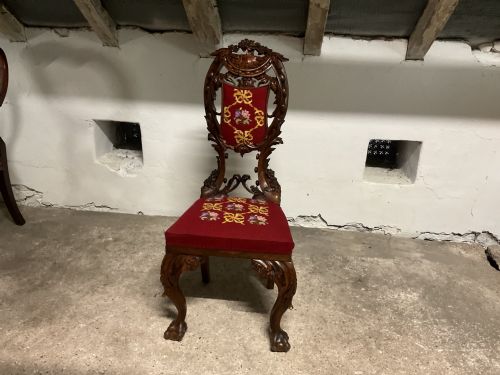
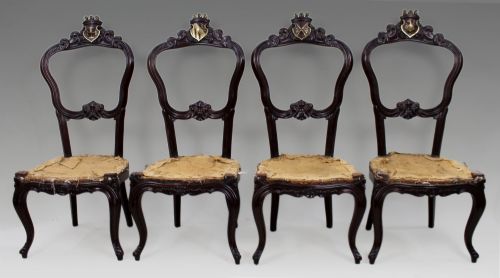
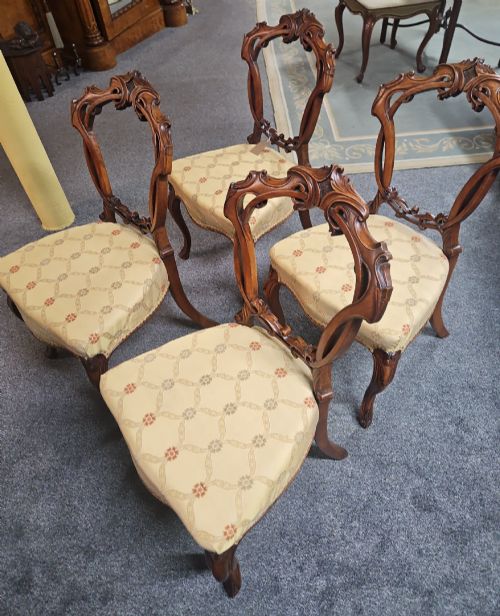
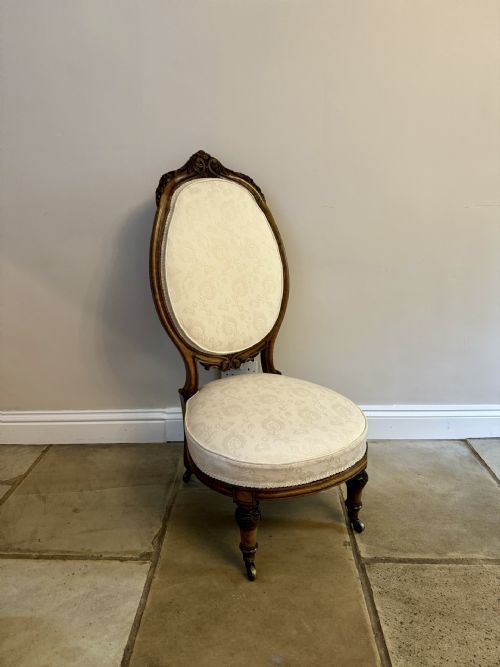
A rococo revival side chair takes the ornate, flowing lines of the eighteenth-century movement and reimagines them through nineteenth-century hands. These seats arrive in forms like side chairs, desk chairs, and accent chairs, shaped during the Victorian era around eighteen-fifty and eighteen-sixty.
The silhouettes lean heavily on French rococo revival and Chippendale revival influences. One meets variations fashioned from walnut, rosewood, kingwood, and Cuban mahogany, often standing ready as solitary seating or pairs.
How They Were Made
Cabinetmakers shaped these frames from dense hardwoods including walnut, rosewood, kingwood, and Cuban mahogany. Carving brought depth and movement to the wooden structures.
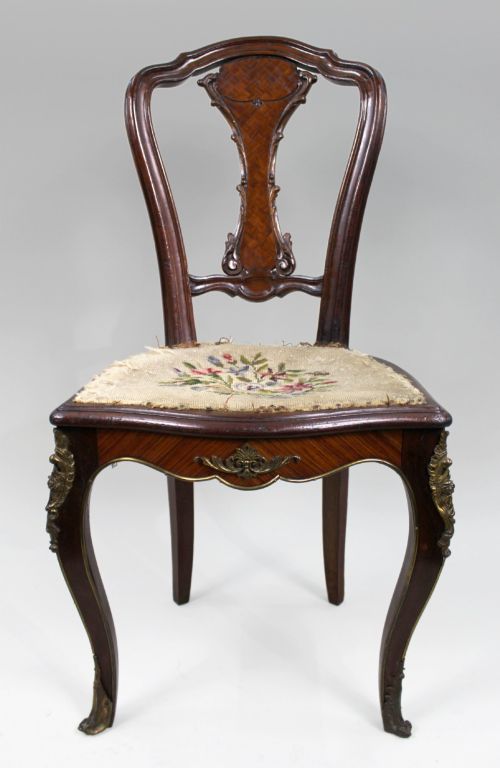
Makers embellished specific examples with ormolu mounts and parquetry patterns. Final touches involved upholstery fabric and tapestry to pad the seats.
Retail Price Guide 2026
Typical UK retail prices for rococo revival side chair, calculated from the Sellingantiques database of over a million retail prices indexed since 2003. This retail price guide relies exclusively on Sellingantiques data; no external sources or auction records are used, so the figures do not describe the wider market.
One chair arrives dressed in parquetry and ormolu mounts, proving that nineteenth-century desks were not the only furniture allowed to wear jewellery.
What Varies in Quality
The distinction between standard examples and superior pieces rests in the sharpness of the carved woodwork and the choice of primary timber. Richly figured walnut and kingwood paired with detailed ormolu mounts mark the upper tier of execution.
Subtleties in proportion and the integration of parquetry separate straightforward utilitarian seating from masterworks of the Victorian workshop.
The Rococo Revival Side Chair Glossary
- Rococo Revival
- A nineteenth-century design movement drawing inspiration from the curved, asymmetrical ornamentation of the reign of Louis XV. It favours natural motifs and serpentine lines.
- Ormolu
- Gilt bronze mounted onto furniture frames for decorative accent. This technique adds metallic gleam to timber surfaces.
- Parquetry
- Geometric wood mosaic work used to pattern tabletops and chair components. Different timber tones create contrasting designs.
- Cuban Mahogany
- A dense, dark wood favoured for nineteenth-century cabinet work. Its weight and grain made it ideal for intricate carving.
Frequently Asked Questions
What is a side chair?
A side chair is a small, armless seat designed for occasional placement around a room or beside a desk.
These pieces function easily in varied spaces without dominating the floor plan.
How do I date an 1850 chair?
Dating relies on timber selection, construction methods, and stylistic cues recorded in nineteenth-century pieces.
Mid-century examples often combine heavy hardwoods with hand-carved flourishes typical of early Victorian production.
Where should I place a desk chair?
A desk chair sits comfortably at a writing table or functions as an accent seat in a corner.
Their compact frames allow them to move between rooms as needed.
What materials are used?
Makers relied on durable timbers such as walnut, rosewood, kingwood, and Cuban mahogany.
Surfaces often feature fabric upholstery, tapestry, and cast ormolu mounts.