

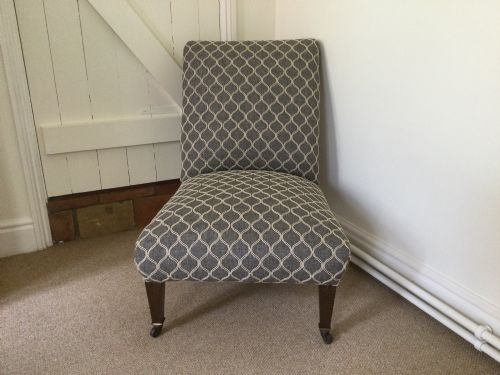


Antique Grey Accent Chair
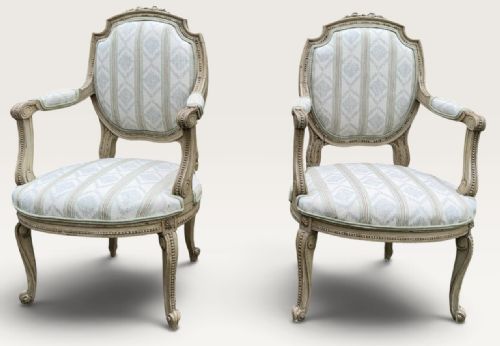
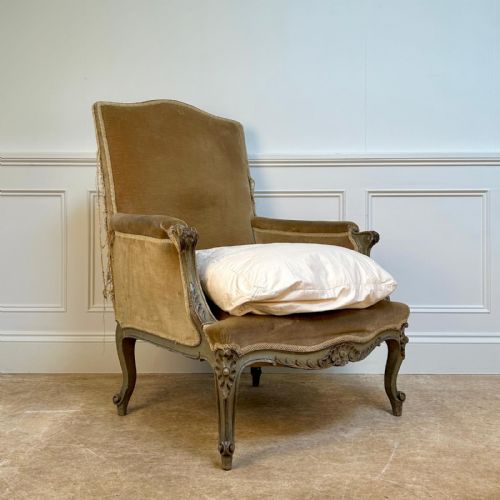
An antique grey accent chair brings understated French painted elegance and rich 19th-century character directly into a modern room.
Antique Grey Accent Chair
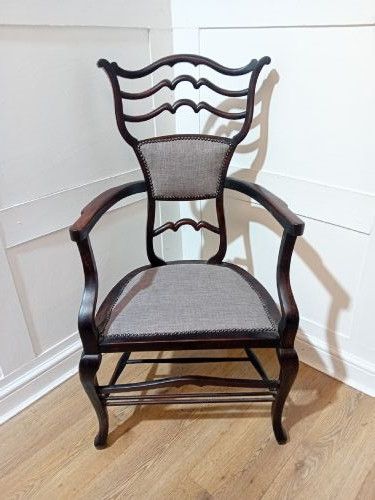
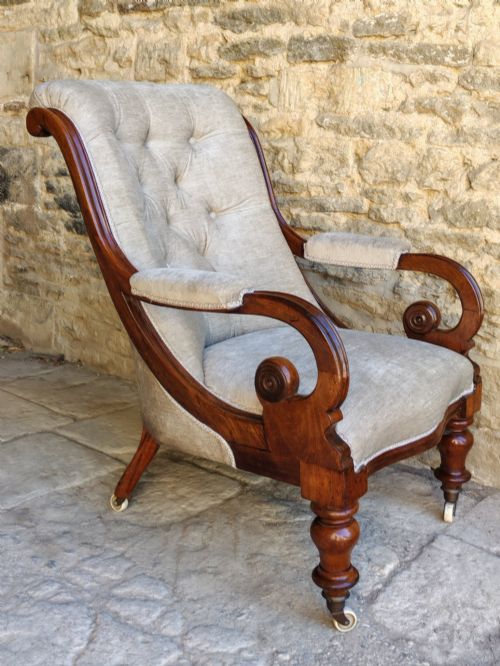
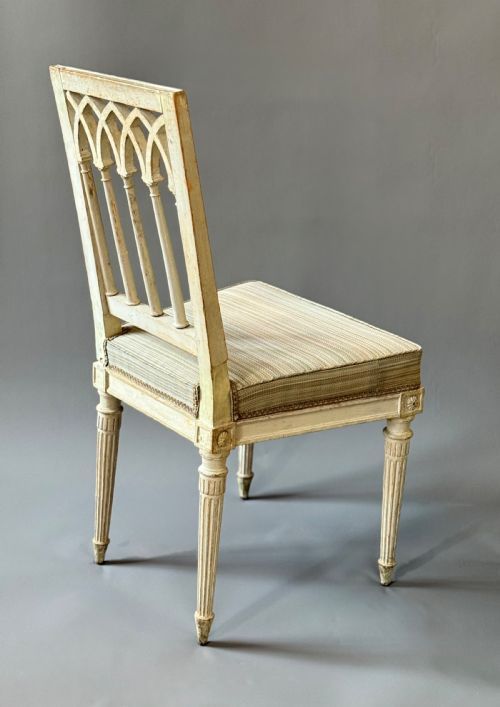
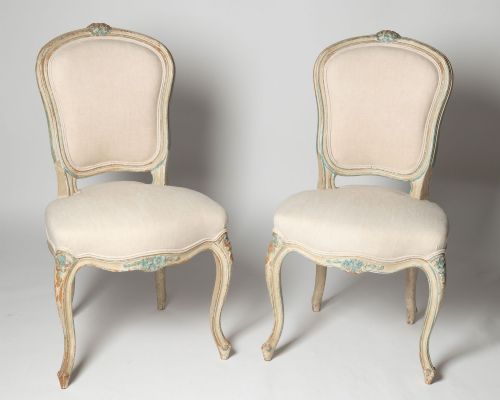
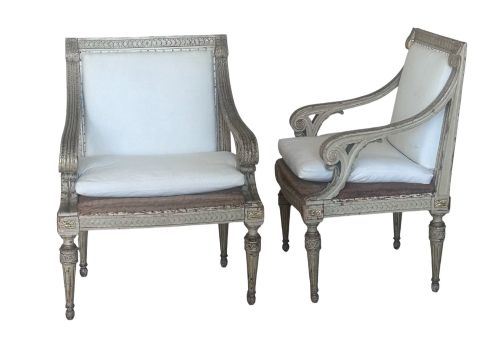
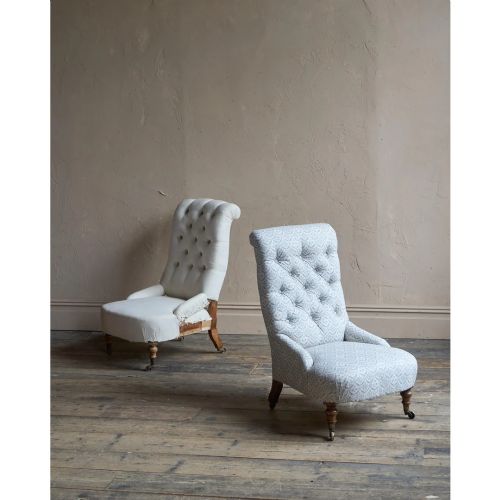
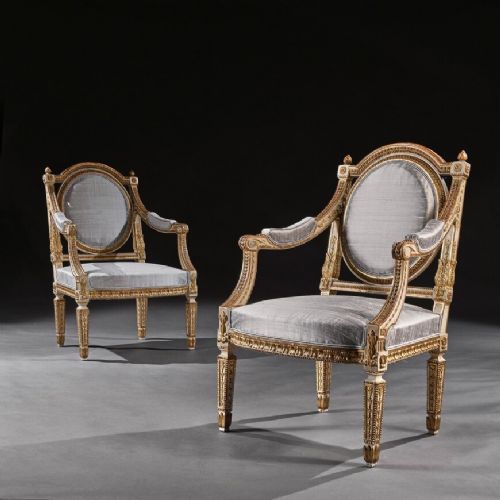
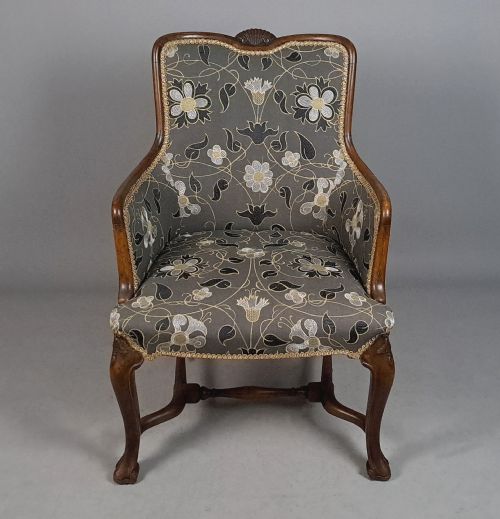
An antique grey accent chair encompasses a variety of seating forms designed to provide both decorative flair and functional comfort, ranging from 18th-century Louis XV side chairs to Edwardian armchairs. These pieces often arrive with painted wood frames, weathered patinas, and upholstered pads suited to sitting rooms or bedrooms.
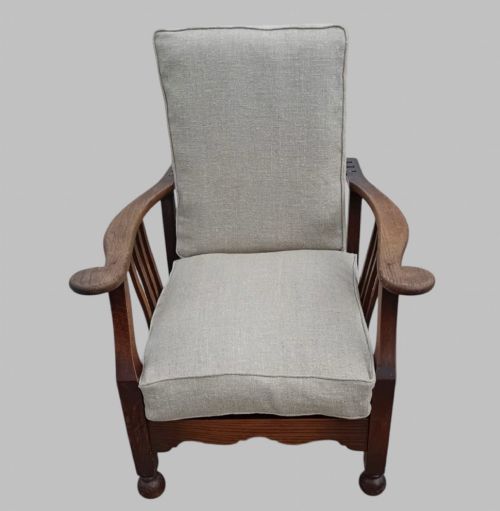
Originating predominantly from the 19th and early 20th centuries, these chairs reflect diverse European aesthetics, including French Neoclassical, Gothick taste, and English vernacular traditions like the bobbin armchair or slipper chair.
Materials and construction methods
Makers constructed these frames using traditional timbers such as walnut, beech, oak, and fruitwood, often applying hand-mixed paint layers directly over the wood to achieve the characteristic grey finish seen today.
Upholstery techniques varied widely according to the period and purpose, utilising traditional fillings alongside silk, velvet, needlepoint panels, and handwoven cane panels fitted into carved wooden armchairs and side chairs.
Listings feature walnut, beech, and painted wood frames paired with cane, velvet, and silk upholstery across 19th-century and early 20th-century periods.
Markers of distinction and craftsmanship
The integrity of the carved wooden frame and the survival of original paint surfaces heavily influence the distinction between standard production and exceptional examples.
Refined craftsmanship appears in the fluidity of hand-carved floral motifs on walnut or beech armchairs, balanced proportions in revival styles, and the intact state of historical cane work or needlepoint upholstery panels.
Howard and Sons·Dryad of Leicester
The Antique Grey Accent Chair Glossary
- Bergère
- An enclosed upholstered armchair with wooden framing, often featuring cane sides and a loose seat cushion. These French seats gained popularity during the 18th century and returned in various revival forms.
- Fauteuil
- An open-arm armchair with an exposed wooden frame, typically upholstered on the seat and back. The armrests usually include padded elbow rests.
- Sgabello
- A light, portable wooden hall chair featuring a high back and solid trestle supports rather than standard legs. These functional seats often display painted or carved ornamentation.
- Cane
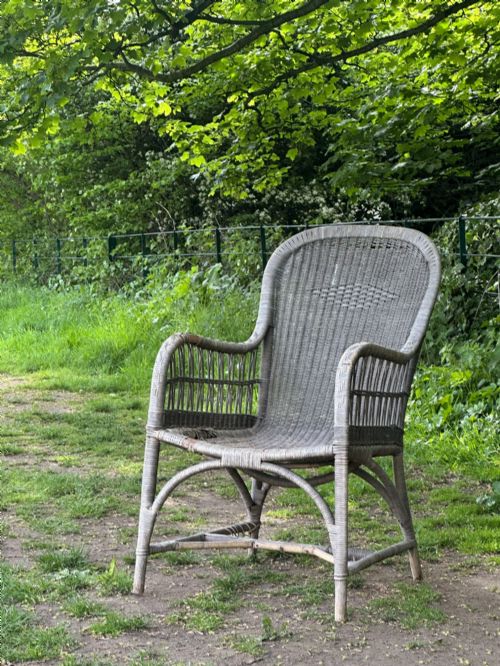
- Strips of rattan or peeled cane woven into an open mesh pattern for chair seats and backs. This technique provides lightweight flexibility and ventilation.
- Needlepoint
- Embroidery stitched onto a stiff open-weave canvas foundation to create dense decorative panels. These textiles frequently cover the seats and backs of period parlour chairs.
Antique Grey Accent Chair: Frequently Asked Questions
How do I identify a French antique grey accent chair?
Look for characteristic design elements such as cabriole legs, carved floral scrolls, and exposed wooden frames finished in grey paint. French examples from the 19th century frequently draw upon Louis XV or Louis XVI styles.
Examine the construction joints and the wear on the painted surfaces to gauge age. Original paint layers often exhibit a soft, chalky patina that differs from modern synthetic coatings.
Where should I place an antique accent chair at home?
These versatile pieces suit corners of bedrooms, reading nooks in studies, or as additional seating in a drawing room. Smaller slipper chairs and side chairs fit easily into compact spaces without dominating the layout.
Pairing matching armchairs opposite a fireplace or sofa creates a balanced seating arrangement. Ensure the seat height complements your existing furniture for comfortable daily use.
Are cane seats on antique chairs durable?
Handwoven cane panels offer surprising strength and flexibility when treated with care. While they support normal sitting, they can snap if subjected to concentrated point pressure or sharp impacts.
Keep cane panels slightly hydrated in very dry indoor environments to prevent brittleness. Most historic cane seats can be expertly re-woven by specialists if restoration becomes necessary.