
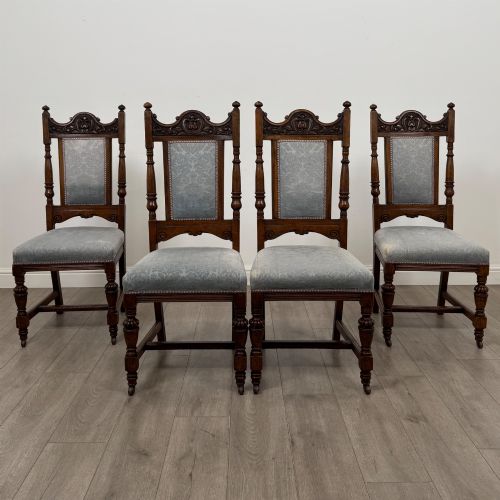
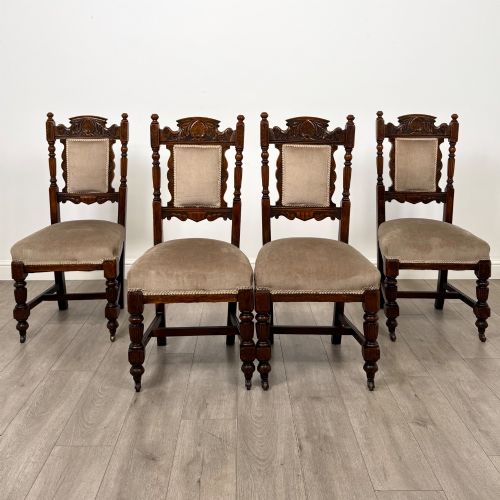
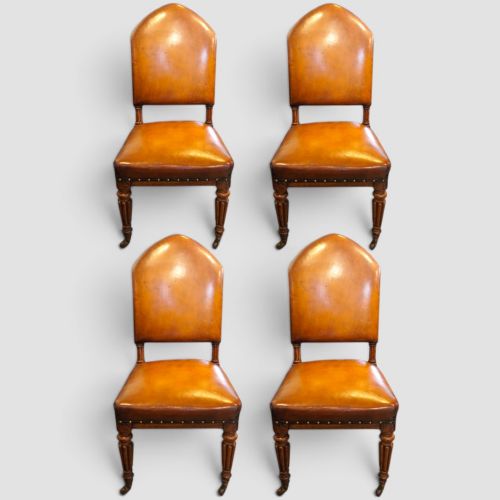
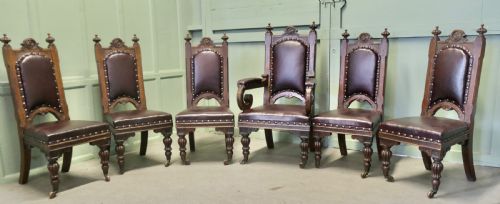
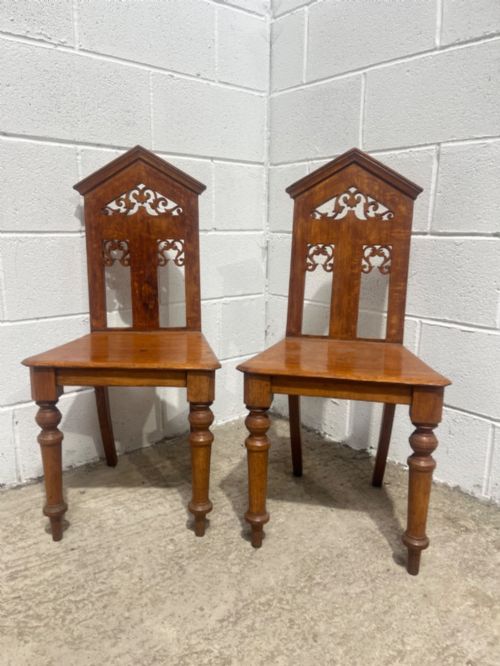
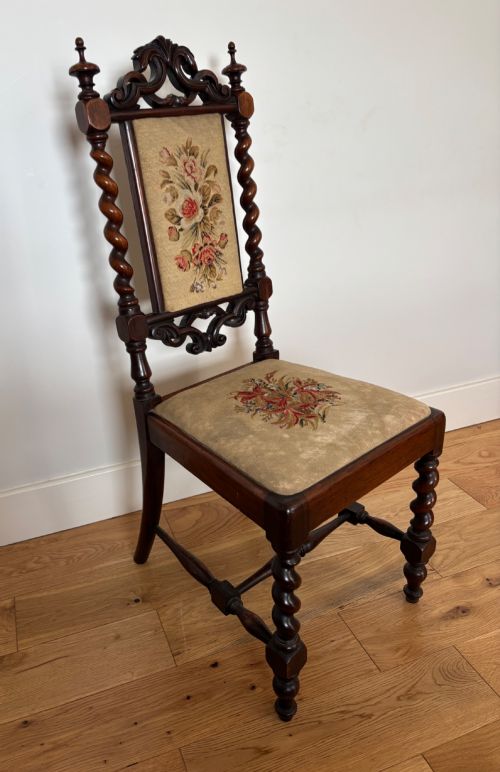
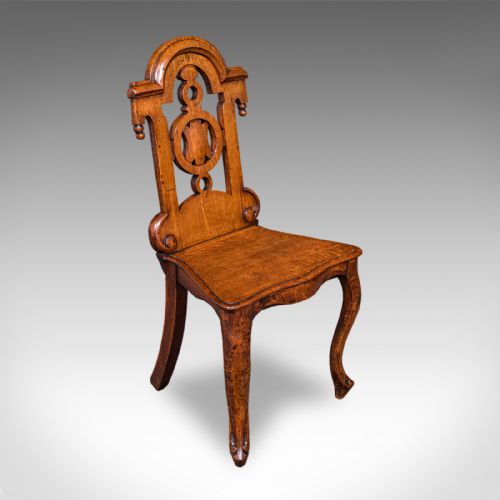
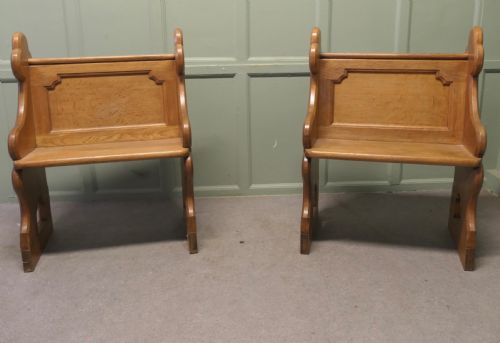
Antique Gothic Side Chair
An antique gothic side chair brings pointed arches, trefoil details and heavy timber into a room with striking architectural presence.
Antique Gothic Side Chair
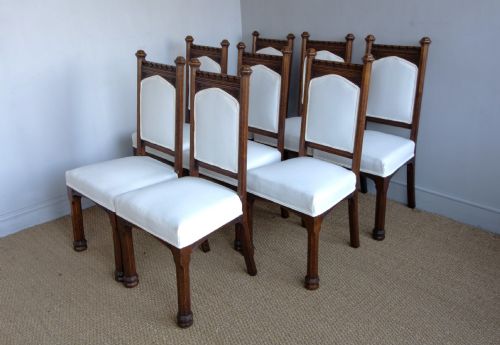
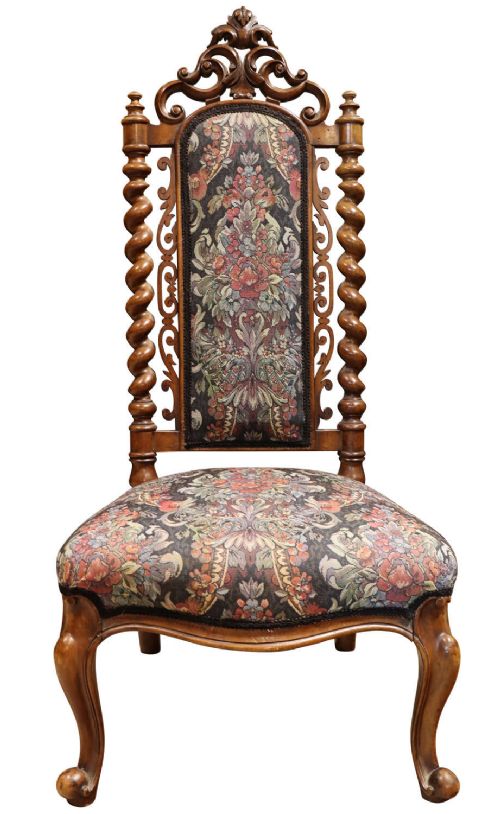
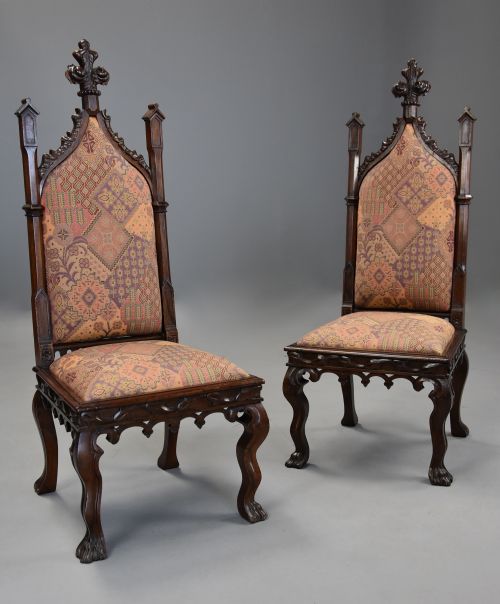
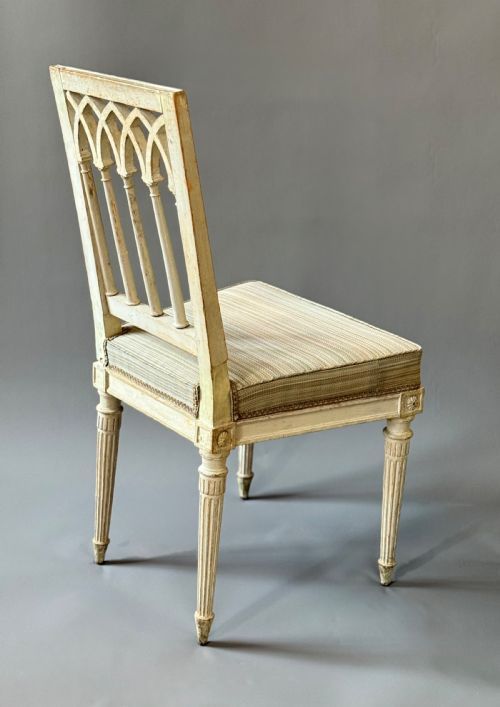
An antique gothic side chair is a rigid, armless seat shaped by the architectural revivals of the nineteenth century, drawing heavily on medieval stone tracery and ecclesiastical woodwork.
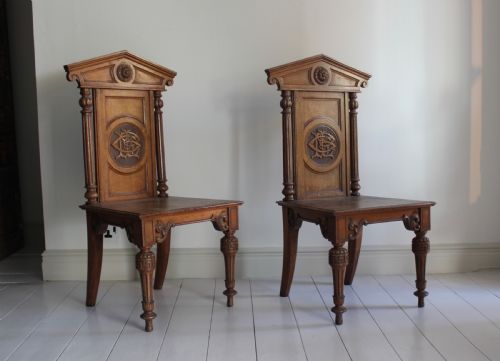
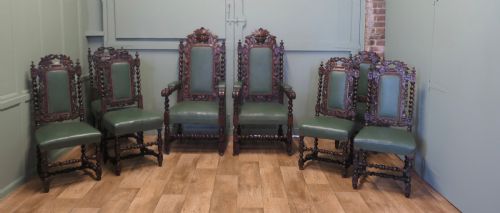
Buyers seeking this form will frequently encounter nineteenth-century examples in oak or mahogany, often built as hall chairs with heraldic shield backs or high carved panels.
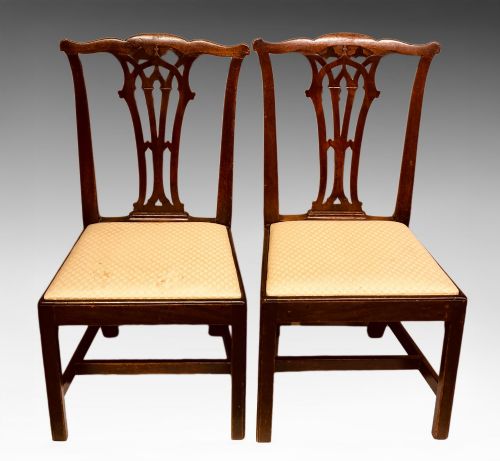
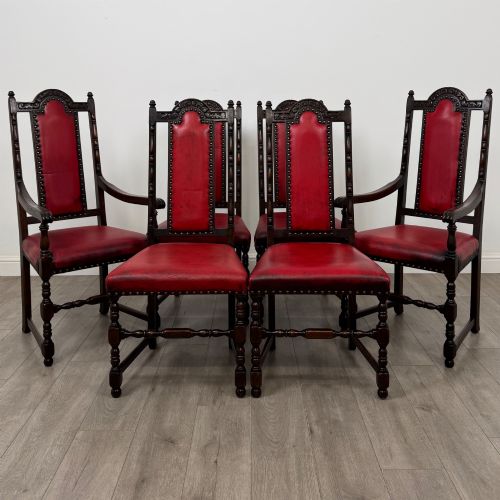
The aesthetic bridges domestic seating and church architecture, incorporating details such as barley twist legs, trefoil motifs and pointed arches into everyday furniture.
How they were made
Joiners and cabinet makers relied primarily on solid oak, walnut and mahogany, shaping heavy timbers with deep hand-carving and pegged joints.
Upholstered versions integrated leather, tapestry and woven textile seats fixed to the wooden frame with brass studs.
Some ecclesiastical seating bears direct ownership marks from St Paul's Cathedral.
What varies in quality
The standard of carving determines much of the distinction, separating crisp, deeply undercut tracery from shallow, mechanically finished ornamentation.
Timber selection and structural integration also define the piece, particularly where complex joints meet heavy architectural crests and heraldic shields.
W.A. Willcocks·Gillows of Lancaster·Bruce Talbert
The Antique Gothic Side Chair Glossary
- Gothic Revival
- An architectural and design movement drawing inspiration from medieval forms, pointed arches and ecclesiastical structures. This style heavily influences nineteenth-century seating.
- Hall Chair
- A rigid wooden seat traditionally placed in an entrance hall, frequently featuring a solid timber back carved with crests or coats of arms.
- Trefoil
- A three-lobed decorative ornament resembling a clover leaf, commonly pierced through the wooden backs of chairs.
- Barley Twist
- A turning technique resembling a twisted rope, frequently found on the legs and stretchers of Victorian seating.
Antique Gothic Side Chair: Frequently Asked Questions
Where were these chairs placed originally?
These chairs stood predominantly in grand entrance halls, reception rooms and ecclesiastical settings where their architectural backs created a formal impression.
They served as occasional seating rather than lounging chairs, designed for upright posture and display.
How do I identify the wood used?
Oak dominates this category, showing prominent medullary rays and heavy grain patterns typical of nineteenth-century revival pieces.
Mahogany and walnut appear frequently in finer dining and drawing room variants, offering smoother surfaces and darker tones.
Are upholstered seats original?
Many surviving examples feature leather or tapestry upholstery that reflects nineteenth-century interior tastes, though textiles often require replacement over time.
Original brass studding and heavy wooden foundations frequently outlive the fabric itself.
How do I date an antique gothic side chair?
Stylistic clues such as deep hand-carved tracery, heraldic shields and proportions help narrow the period between the early nineteenth century and the Edwardian era.
Maker stamps, stamps from institutions like cathedrals, and construction methods in the frame provide further chronological certainty.