


Patterned Fabric Accent Chair
Patterned fabric accent chairs bring colour and texture into a room, spanning from Victorian button-backs to Art Deco lounge designs.
Patterned Fabric Accent Chair
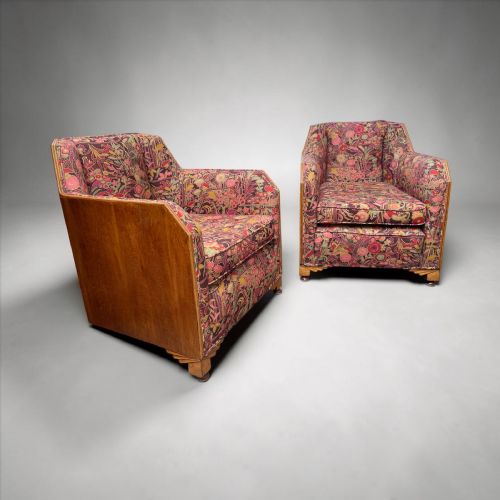
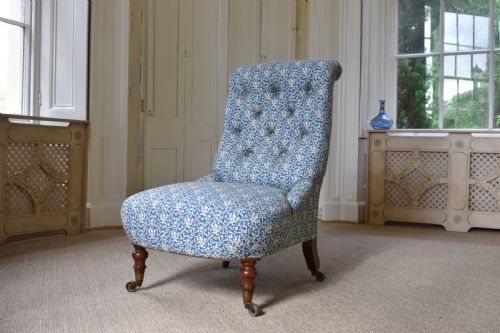
A patterned fabric accent chair serves as a decorative seating choice, drawing on forms like armchairs, side chairs, and slipper chairs. These pieces appear across diverse periods, including the Victorian era, Edwardian period, and the 1930s.
Buyers encounter various timber frames paired with textiles, ranging from antique horse racing themes to modern designer prints. The selection includes library chairs, nursing chairs, and larger French armchairs suited to specific room layouts.
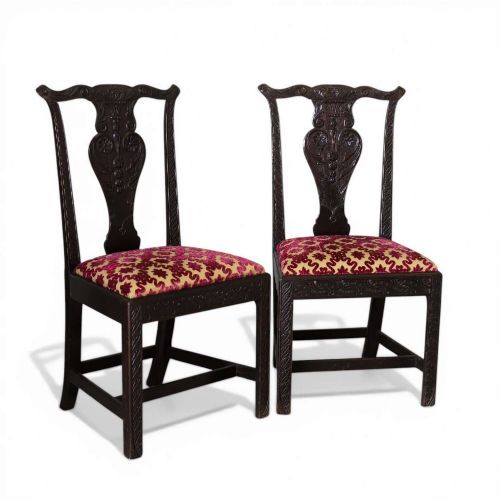
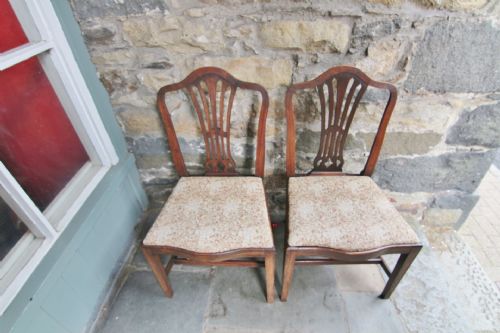
Early examples stretch back to the 18th century, featuring carved oak or mahogany structures. More recent items adopt Art Deco lines in elm and birch, or employ revived styles such as Queen Anne and Georgian Revival.
How they were made
Frames rely on traditional timbers such as mahogany, oak, walnut, rosewood, and birch, shaped through carpentry techniques appropriate to each period. Structural stability often depends on exposed wooden legs, scroll frames, or X-frames.
Upholstery incorporates textile fabrics, cotton, and horsehair stuffing secured over coil springs or webbing. Decorative elements include brass details, gilt finishes, and intricate button-back tufting.
The selection spans multiple centuries, incorporating 18th-century side chairs alongside 1930s Art Deco armchairs.
What varies in quality
The integrity of the timber frame establishes the baseline of craftsmanship, distinguishing hand-carved mahogany and oak from simpler constructions. Joinery techniques and the retention of original structural components dictate longevity.
Upholstery execution and fabric selection separate standard seating from exceptional examples. The harmony between the textile pattern and the proportions of the frame defines the visual success of the piece.
Howard and Sons·Whytock and Reid
The Patterned Fabric Accent Chair Glossary
- Accent chair
- A standalone seating piece chosen to add visual interest to a room rather than match a standard suite.
- Slipper chair
- A low-framed upholstered chair originally designed for bedrooms, allowing ease when dressing.
- Button-back
- An upholstery method where depressions are created by pulling strings through padding and securing them with covered buttons.
- Curule X-frame
- A scissor-style chair frame geometry referencing ancient Roman seating forms, seen in Renaissance revival pieces.
- Fauteuil
- An open-armed French armchair with exposed wooden framing around the upholstered back and seat.
Patterned Fabric Accent Chair: Frequently Asked Questions
How do I date a patterned accent chair?
Dating relies on examining the timber frame construction, joinery methods, and the underlying upholstery materials used by the maker. Stylistic cues such as Edwardian inlay or Victorian scrollwork also point to specific decades.
Changes in textile designs help narrow the timeline, though many antique chairs have been reupholstered in contemporary fabrics over time.
Where should I place an accent chair?
These chairs function well in living rooms, bedrooms, or libraries as secondary seating options. Their decorative patterns allow them to act as focal points against neutral walls or complementary colour schemes.
Larger armchairs require open floor space, while side chairs and slipper chairs fit comfortably into smaller corners or dressing rooms.
Are these chairs comfortable for daily use?
Comfort varies significantly depending on the internal springing, padding depth, and overall ergonomic design of the specific period. Deep-seated library chairs and Victorian armchairs are generally built for extended relaxation.
Stiffer side chairs and decorative hall chairs prioritise upright posture and visual presence over lounging comfort.
Can I mix different periods in one room?
Combining pieces from the 18th century through to the 1930s adds depth and character to an interior scheme. Shared wood tones or complementary fabric colours help bridge stylistic gaps between disparate eras.
An Art Deco lounge chair can sit comfortably alongside Georgian mahogany furniture when balanced correctly within the room.