






Victorian Prayer Chair
A victorian prayer chair brings intimate devotion and low-slung, upholstered comfort into domestic spaces through distinctive nineteenth-century forms.
Victorian Prayer Chair
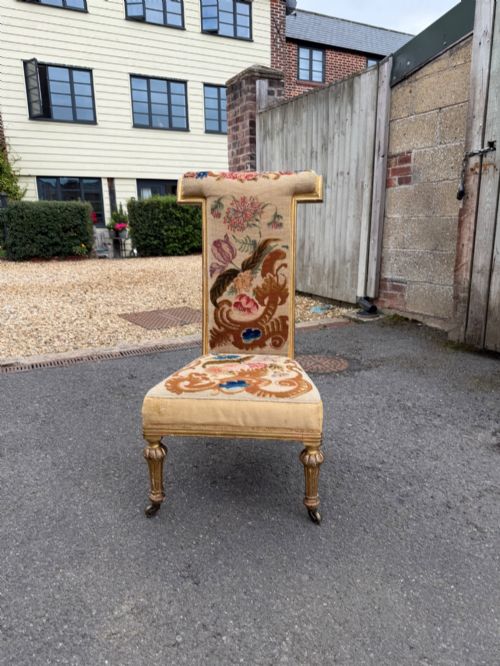
A victorian prayer chair, often referred to as a prie-dieu, is a specialised devotional seat designed with a low seat and an elevated, padded top rail intended for kneeling or leaning during private prayer.
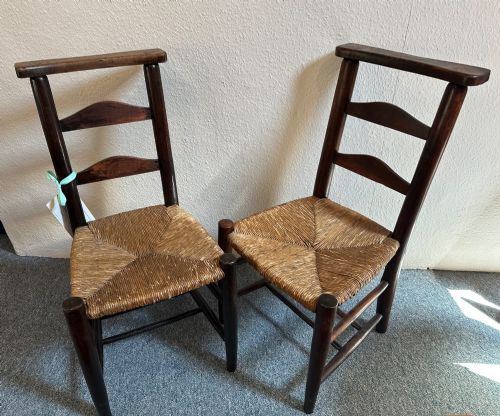
The versions most commonly met on this page date from the nineteenth century, displaying forms that range from simple vernacular oak seating to elaborate button-tufted rosewood and mahogany frames.
Many examples double as low occasional or nursing seats, adapting their ecclesiastical origins for domestic bedroom and drawing room use.
Materials and construction
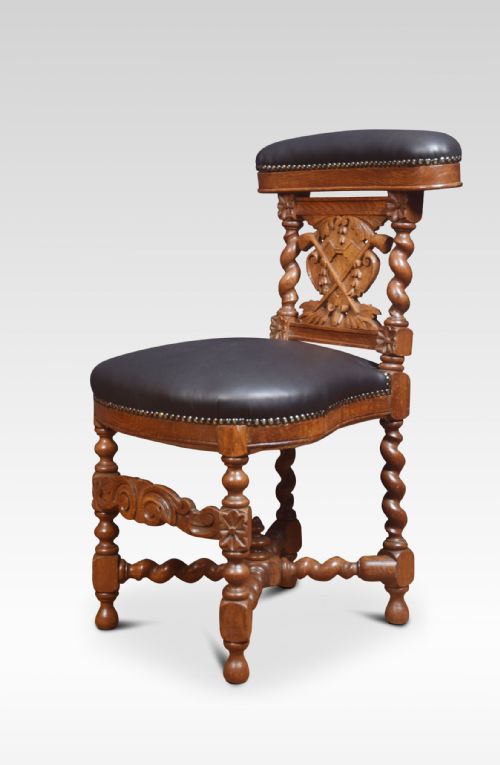
Frames rely primarily on dense hardwoods such as mahogany, walnut, rosewood, and oak, frequently shaped with intricate carved details, barley twist supports, or ebonised finishes.
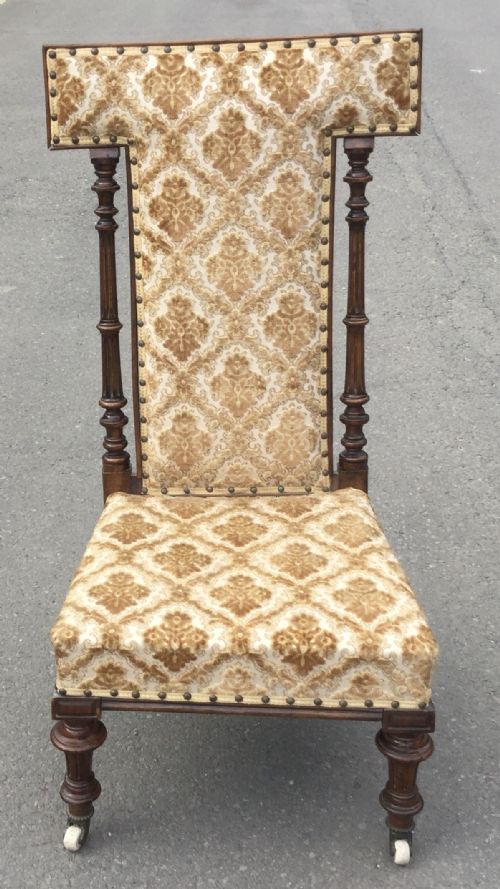
Upholstery forms an essential component of the construction, utilising traditional textiles like velvet and patterned fabrics stretched over padded kneelers and back rests, sometimes secured with brass accents.
Victorian Prayer Chair Retail Price Guide 2026
Typical asking prices for victorian prayer chair among the pieces listed under this phrase on Sellingantiques today, from the lower quarter to the upper quarter. They describe what is for sale here now, not the wider market.
Listings feature woods such as rosewood, mahogany, oak, and walnut, alongside textiles including velvet and brass hardware.
Assessing quality
Quality rests in the crispness of the timber carving and the architectural integrity of the frame, where substantial rosewood or mahogany structures outlast softer pine or heavily altered pieces.
R Whytock of Edinburgh
The Victorian Prayer Chair Glossary
- Prie Dieu
- A French term meaning pray to God, used to describe devotional furniture featuring a lower seat and a high rest for kneeling or leaning. These pieces form the core of prayer chair variants.
- Barley Twist
- A decorative turning technique resembling a twisted rope, frequently utilised on the upright supports and legs of nineteenth-century seating. This motif adds texture to hardwood frames.
- Gothic Revival
- An architectural and decorative style drawing inspiration from medieval design, characterised by pointed arches, trefoils, and heavy tracery. This aesthetic strongly influences ecclesiastical chair production.
- Ebonised
- Wood treated with a chemical stain or black finish to imitate expensive ebony. This technique appears frequently on nineteenth-century aesthetic movement frames.
Victorian Prayer Chair: Frequently Asked Questions
What is the difference between a prayer chair and a standard side chair?
A prayer chair is specifically built with a low seat and a high, narrow back rail designed to support a kneeling or leaning posture during devotion.
Standard side chairs feature standard seat heights intended for upright dining or desk work.
How were these chairs used in nineteenth-century homes?
While originally intended for private devotional exercises and scripture reading, their comfortable low proportions meant they frequently doubled as nursing or bedroom chairs.
Victorian occupants also placed them in halls and drawing rooms as decorative occasional seating.
How do I identify a Gothic Revival prayer chair?
Gothic Revival examples display architectural motifs such as pointed arches, carved tracery, and heavy oak frames that mirror medieval church architecture.
They often incorporate fretted tops or engraved plaques.
Are these chairs suitable for daily seating today?
Their low seats and upright backs make them ideal for quiet reading corners or accent pieces in a bedroom or hallway.
Buyers should assess the internal webbing and padding stability if intended for frequent daily use.