

Victorian Walnut Seating
Victorian walnut seating brings deep timber frames and rich upholstery into the nineteenth-century interior, offering sturdy comfort and carved revival elegance.
Victorian Walnut Seating
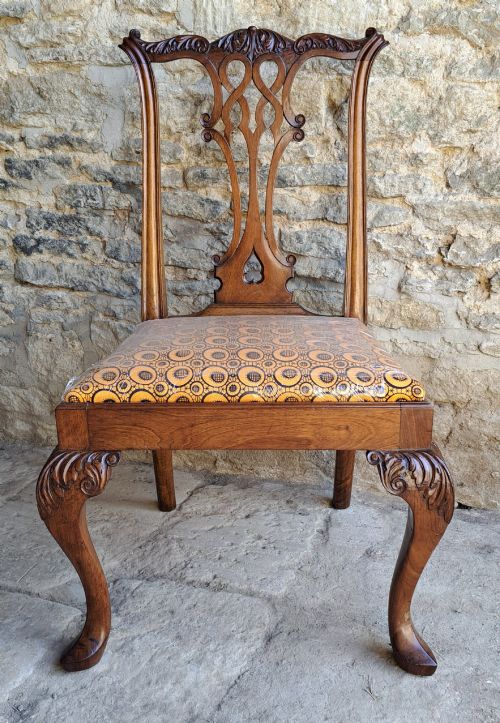
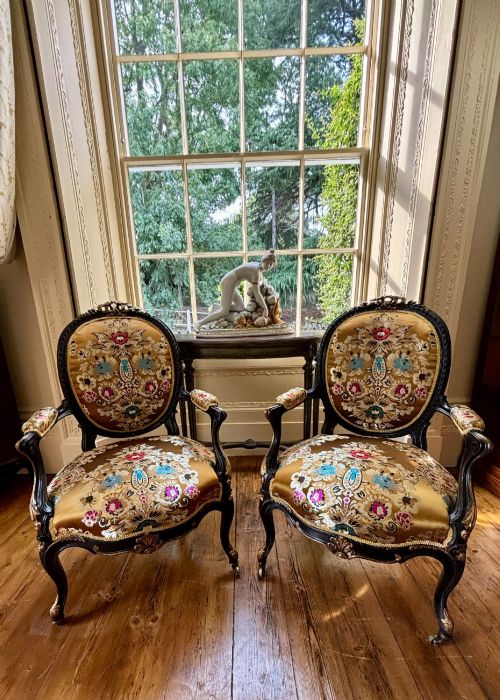
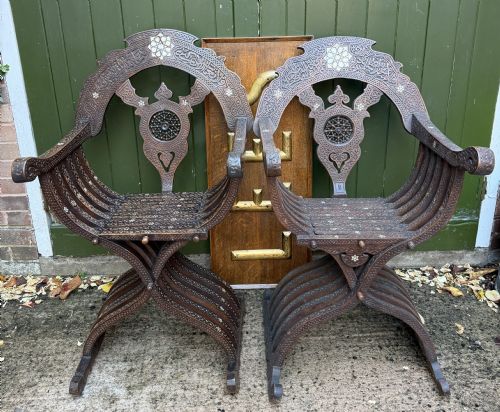
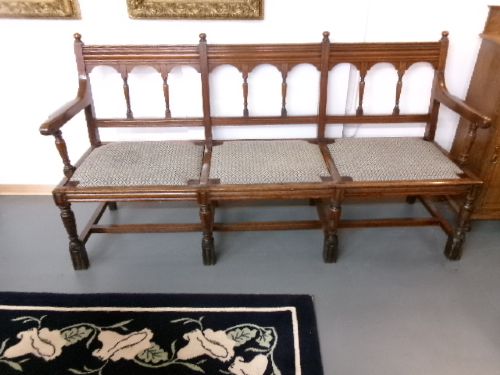
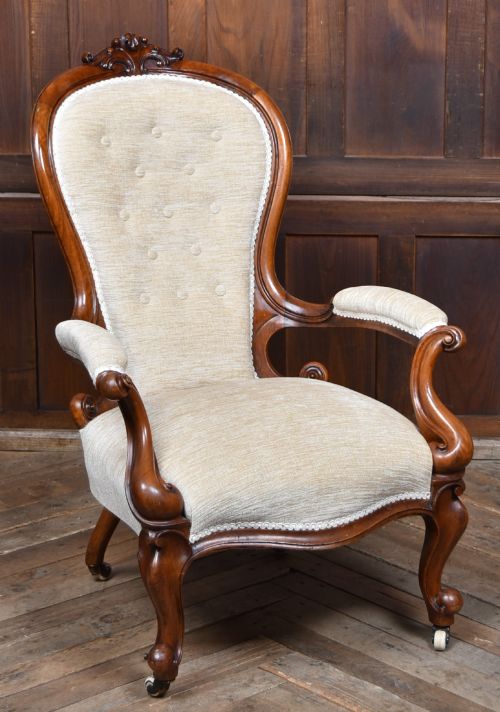
Victorian walnut seating encompasses a wide variety of domestic furniture designed for the nineteenth-century home, ranging from individual armchairs and nursing chairs to large dining sets and salon suites. The forms reflect the stylistic revivals of the period, drawing on Rococo, Queen Anne, and Louis XV influences alongside Scottish Baronial and Syrian Ottoman details.
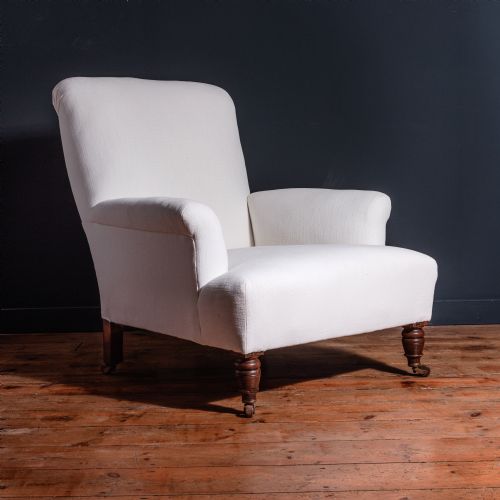
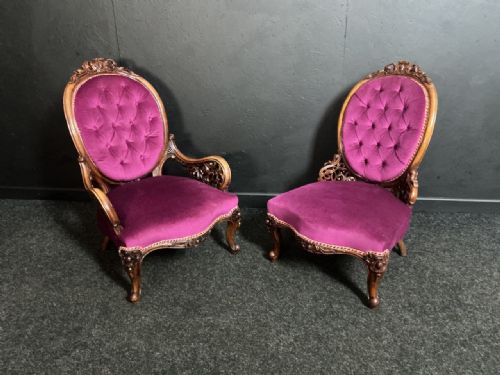
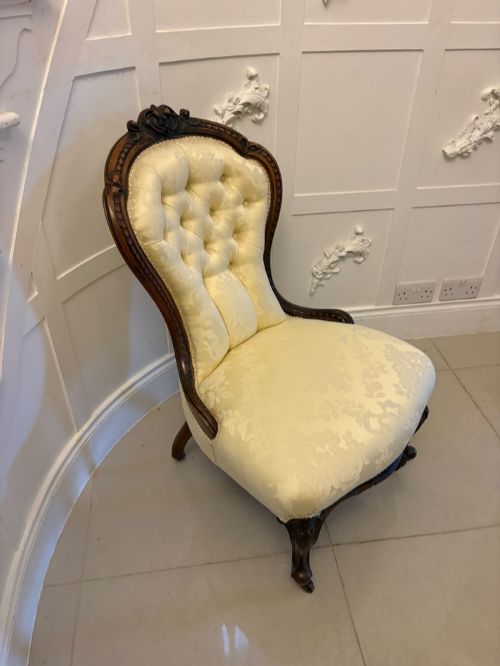
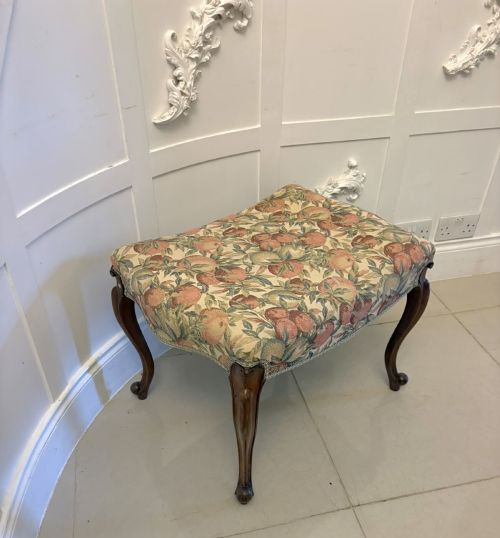
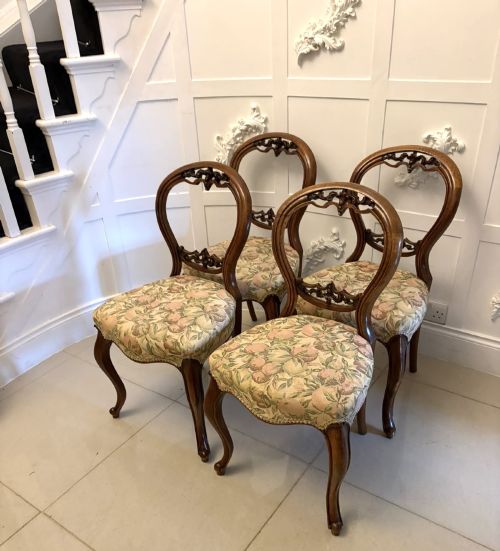
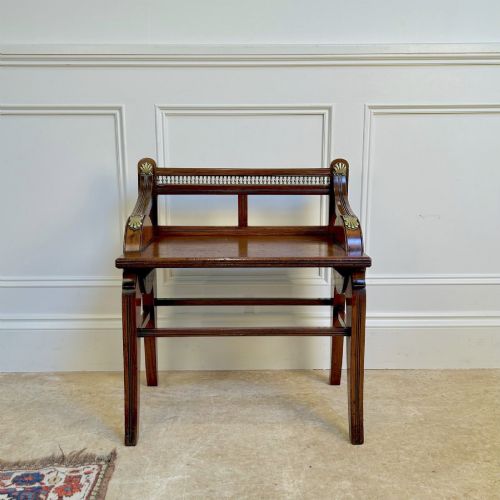
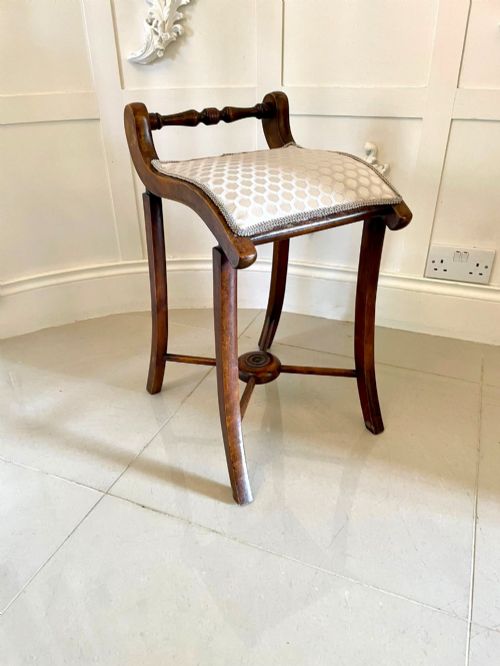
Buyers meet numerous chair types on this page, including balloon back dining chairs, revolving desk chairs, low nursing chairs, and footstools. Frames vary from solid walnut construction to ebonised finishes with inlaid panels, often accompanied by original or renewed textile upholstery.
Materials and Construction
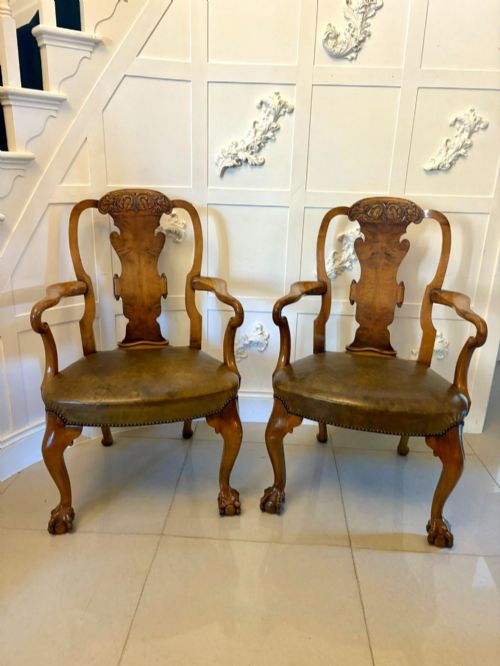
Makers utilised walnut as the primary structural timber, frequently selecting burr walnut veneers to create figured grain patterns across flat surfaces and curved chair backs. Carved ornament appears directly on the solid wood frames, defining the cabriole legs, scrollwork, and shield backs characteristic of the era.
Upholstery techniques combined traditional stuffing materials with durable support fabrics such as hessian, finishing the exterior in velvet, tapestry, or patterned textiles. Brass fittings, ormolu mounts, and mother-of-pearl inlay provided decorative accents on specific continental and Syrian pieces.
Victorian Walnut Seating Retail Price Guide 2026
Typical asking prices for victorian walnut seating among the pieces listed under this phrase on Sellingantiques today, from the lower quarter to the upper quarter. They describe what is for sale here now, not the wider market.
The listings span from 1850 through 1900, incorporating diverse regional styles including Scottish Baronial and Syrian Ottoman influences alongside standard British Victorian forms.
Evaluating the Pieces
The standard of carving and the selection of timber dictate the distinction between standard production and exceptional work. Crisp, deeply articulated floral and scroll carving across solid walnut frames demonstrates superior craftsmanship compared to softer, shallower detailing.
The integrity of the frame construction and the preservation of original timber surfaces govern the overall merit of each item. Matching sets of dining chairs and fully intact salon suites carry greater consistency when their foundational walnut frames remain unaltered through successive generations of use.
SF CULLEN·Howard and Sons
The Victorian Walnut Seating Glossary
- Burr walnut
- A type of timber veneer taken from the warted growths on walnut trees, prized for its swirling, highly figured grain patterns.
- Cabriole leg
- A furniture leg featuring a double curve, typically arching outward at the knee and tapering inward toward the foot in the manner of animal limbs.
- Balloon back
- A chair back shaped in a continuous oval loop resembling a balloon, popular during the nineteenth century for dining and parlor seating.
- X frame stool
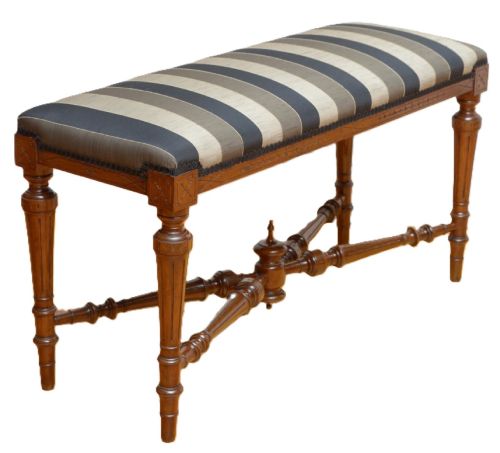
- A seat supported by intersecting diagonal legs forming an X shape, often associated with formal revival seating.
- Ormolu
- Gilded bronze ornamentation applied to furniture frames for decorative contrast during the nineteenth century.
Victorian Walnut Seating: Frequently Asked Questions
How do I identify a Victorian walnut nursing chair?
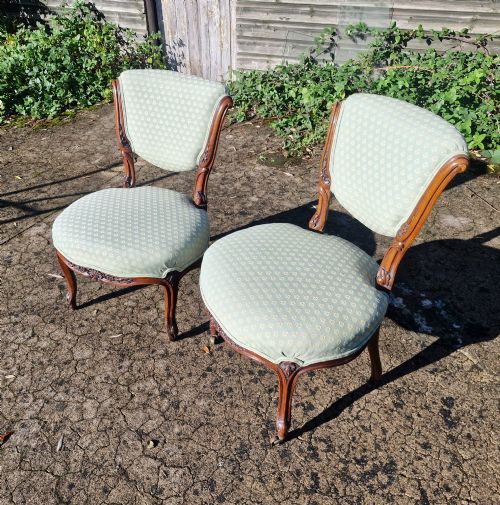
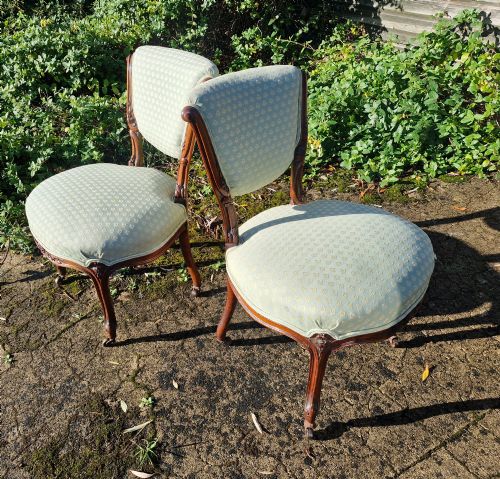
Nursing chairs feature low seats designed to accommodate the heavy, voluminous dresses worn by women during the nineteenth century. They often have upholstered balloon or spoon backs without arms to allow freedom of movement.
These pieces typically sit on short cabriole or turned legs, frequently fitted with castors for mobility across carpets in bedrooms and drawing rooms.
Are revolving desk chairs period correct?
Revolving desk chairs from the nineteenth century utilise mechanical swivel bases combined with solid walnut or ebonised wooden frames. They were built for libraries, studies, and offices to provide functional mobility.
Many examples incorporate upholstered bucket or tub backs, sometimes featuring button tufting or Gothic revival details on the wooden supports.
How should I care for antique walnut wood?
Walnut timber benefits from minimal intervention, requiring only occasional dusting with a soft, dry cloth to protect the polished surface. Avoid placing wooden seating near direct heat sources or in fluctuating humidity to prevent timber splitting.
Applying microcrystalline wax periodically helps nourish the grain and protect the finish without building up heavy residue over time.