

Antique Upholstered Seating
These antique upholstered seating pieces span centuries of craft, offering solid mahogany, walnut, and silk-covered comfort for any interior.
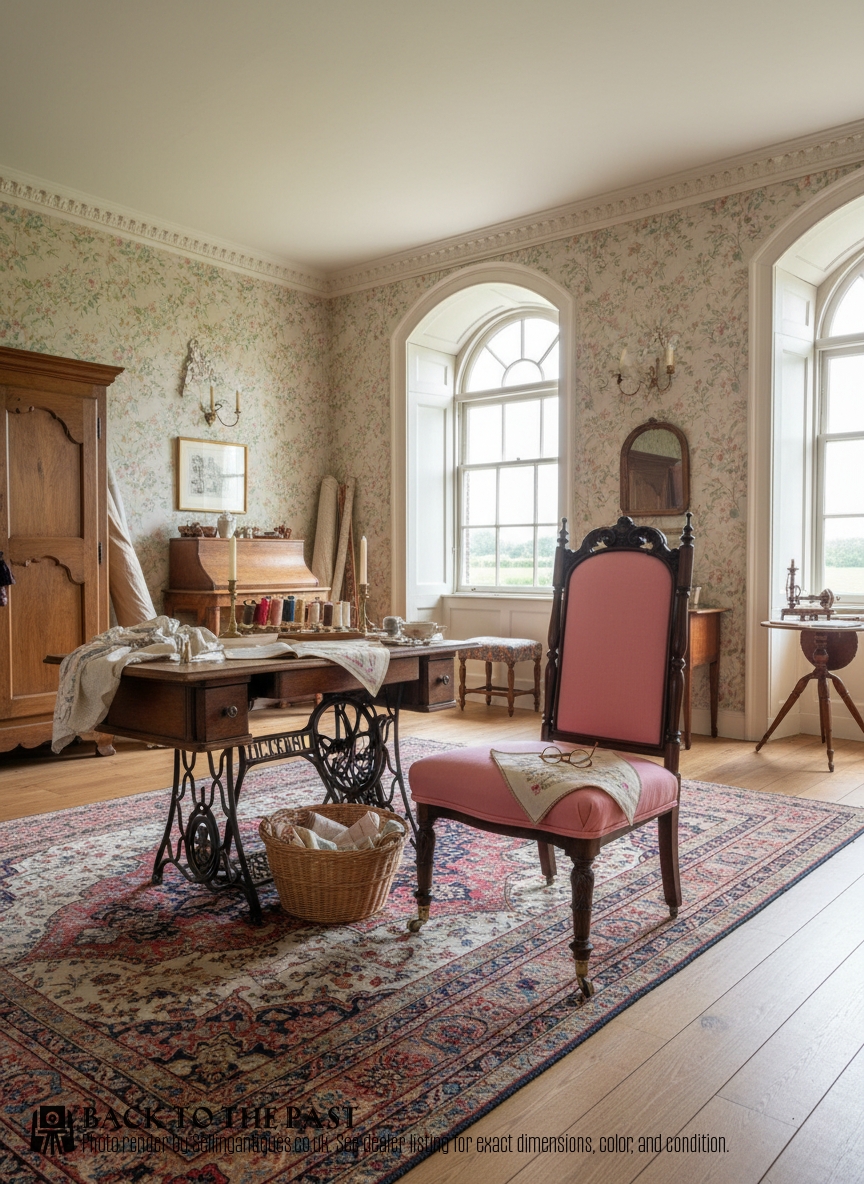
Antique Upholstered Seating
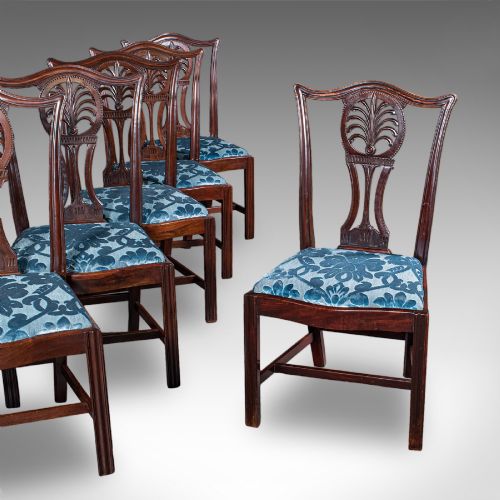
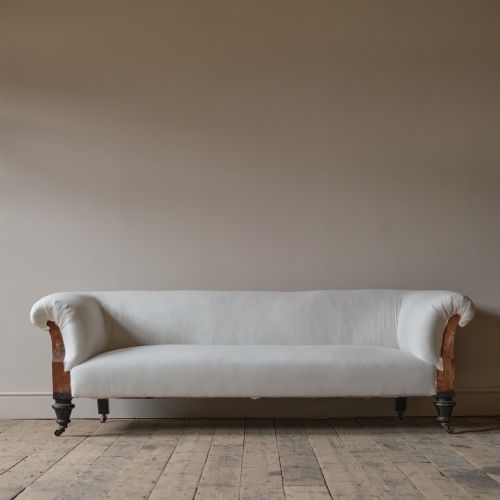
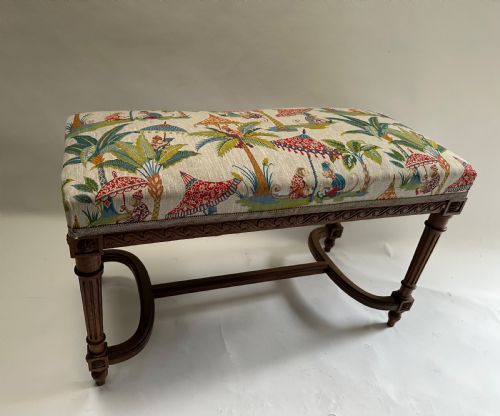
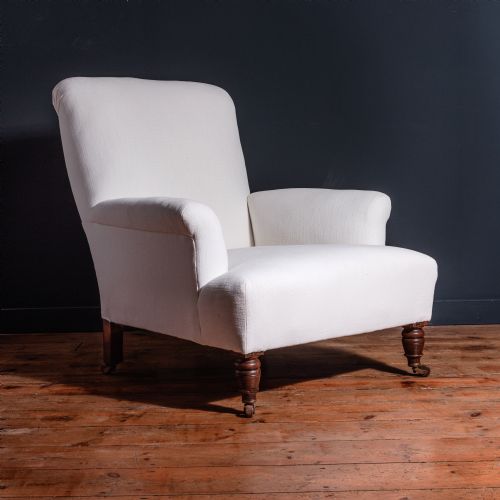
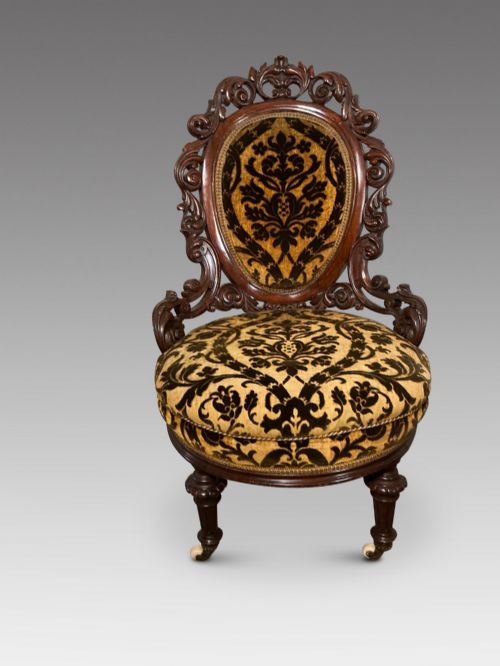
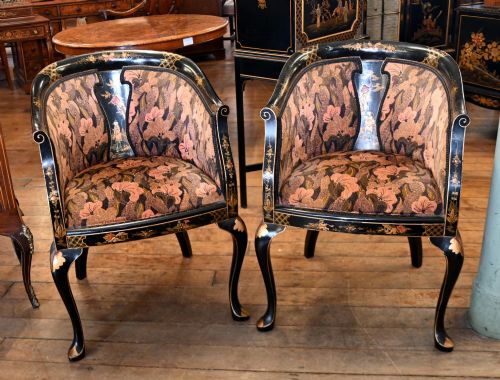
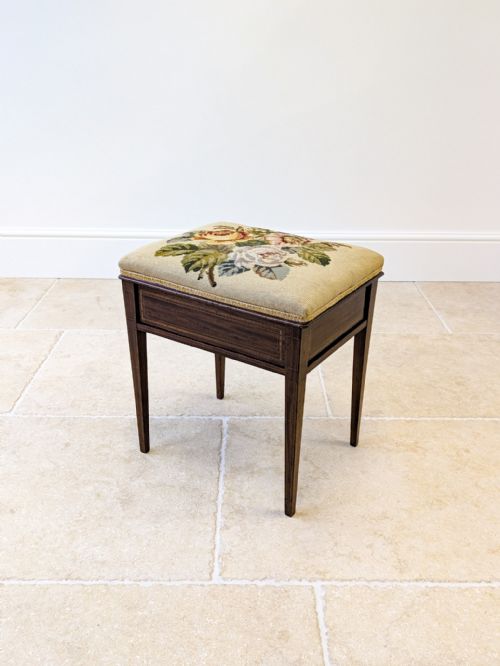
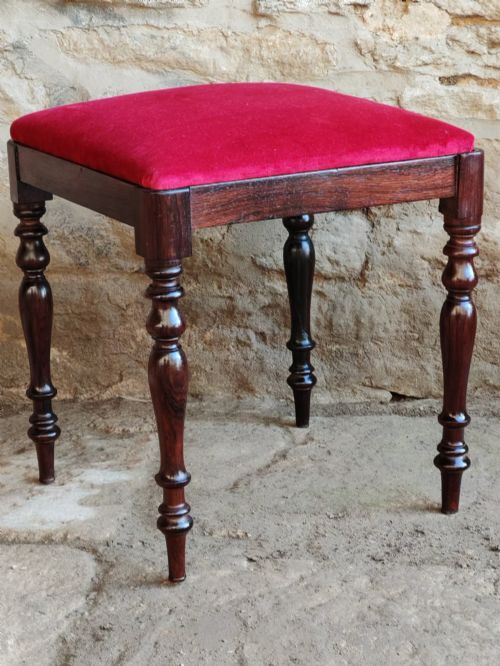
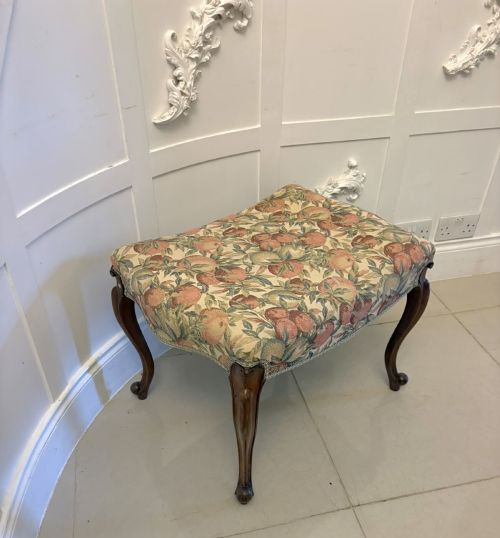
When buyers search for antique upholstered seating, they encounter everything from intimate 18th-century walnut stools to large Victorian settees and Edwardian couches.
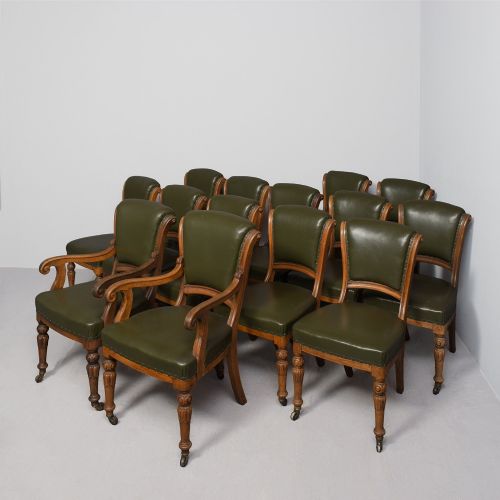
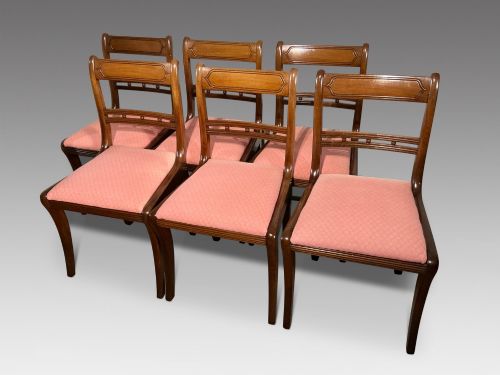
Dining chairs and armchairs dominate the selection, often appearing in matching sets of six or eight alongside individual library armchairs and prie-dieu chairs.
The periods represented stretch from the 18th century through the Victorian, Edwardian, and 1920s eras, capturing shifting domestic tastes in wood and fabric.

Materials and Construction
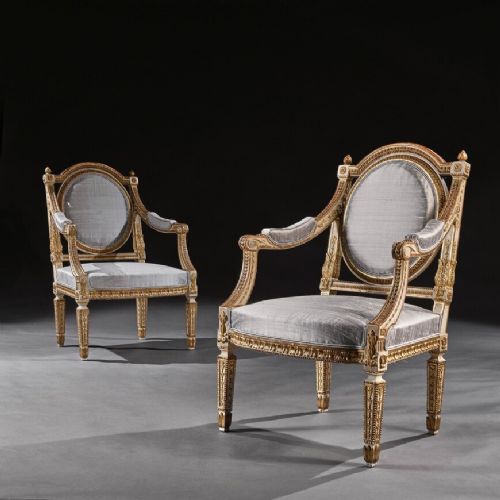
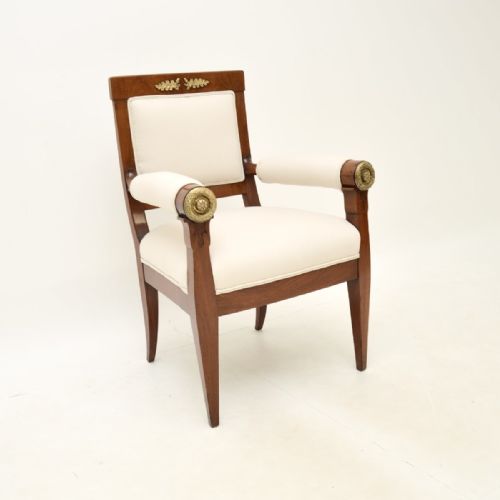
Frames rely heavily on timbers such as mahogany, walnut, oak, and rosewood, frequently shaped through carving, gilding, or brass inlay.
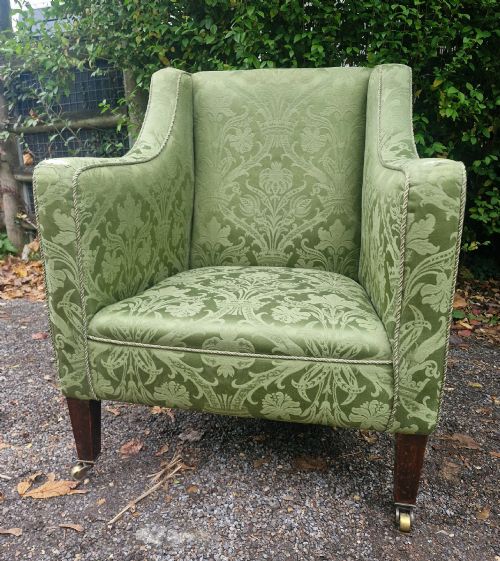
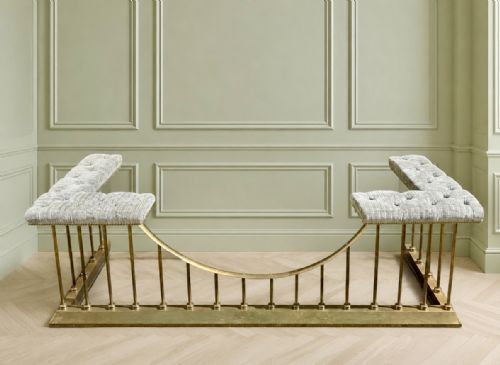
Upholstery relies on traditional textiles, velvet, leather, and silk, secured with buttoned finishes or structured cushioning suited to chairs, stools, and sofas.
Antique Upholstered Seating Retail Price Guide 2026
Typical asking prices for upholstered seating among the pieces listed under this phrase on Sellingantiques today, from the lower quarter to the upper quarter. They describe what is for sale here now, not the wider market.
A low-slung 19th-century prie-dieu chair offers an unexpected resting spot for readers who prefer to sit closer to the floor.
Distinctions in Quality
The distinction between standard pieces and exhibition-grade examples rests on the crispness of timber carving, the choice of primary woods like figured walnut or Cuban mahogany, and the integrity of the frame construction.
Design ambition also separates the output, with maker-attributed armchairs and matched dining sets holding greater design coherence than standard provincial seating.
Whytock And Reid·Waugh And Son·Howard And Sons·Charles Tozer·Colefax And Fowler
The Antique Upholstered Seating Glossary
- Prie Dieu
- A low devotional chair featuring an elevated back designed for kneeling and prayer during the 19th century.
- Giltwood
- Timber treated with a thin layer of gold leaf or gold paint for decorative effect on frames and chairs.
- Bar Back
- A dining chair design featuring a horizontal crossbar across the upper backrest, popular during the William IV period.
- Shield Back
- A chair back carved into the silhouette of a shield, commonly found on Georgian and later dining seats.
- Settee
- A long wooden or upholstered seat with a back and arms, built to accommodate multiple sitters comfortably.
Antique Upholstered Seating: Frequently Asked Questions
How do I identify a Victorian armchair?
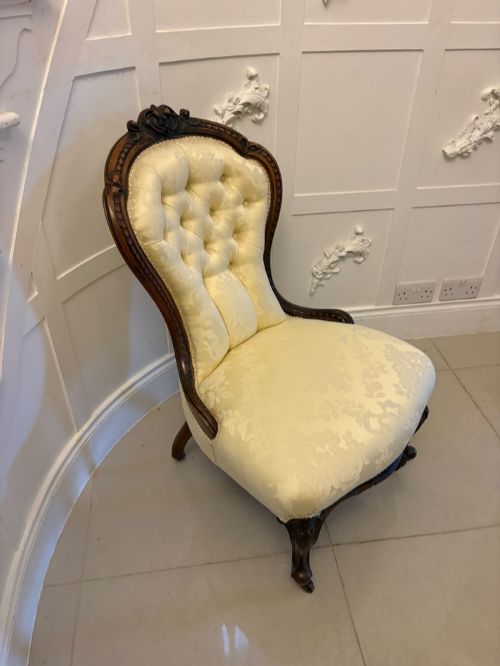
Victorian armchairs often feature buttoned upholstery, dark walnut or rosewood frames, and deep cushioning built for comfort.
Their proportions tend to be generous, reflecting the heavier domestic style of the 19th century.
What is a carver armchair?
A carver is an armchair designed to match a set of dining chairs, usually placed at the head of the table.
These pieces feature armrests that match the decorative style of the smaller side chairs in the set.
How do I live with antique upholstered seating?
Living with these pieces involves placing them out of direct sunlight to protect silk, velvet, and leather textiles from fading.
Routine maintenance focuses on gentle cleaning and supporting the historic wooden frames against heavy daily wear.
What distinguishes Edwardian seating from earlier styles?
Edwardian seating often uses mahogany inlaid with lighter woods, presenting a lighter scale than heavy Victorian furniture.
The designs frequently draw inspiration from earlier Georgian and Queen Anne revivals.