

Victorian Low Chair
When you search for a victorian low chair, you enter a diverse field of nineteenth-century seating designed for comfort and low-level repose.
Victorian Low Chair
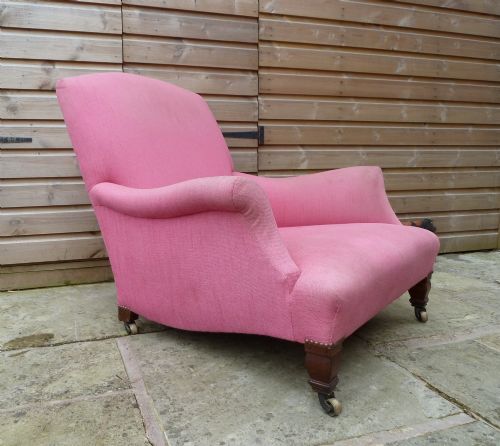
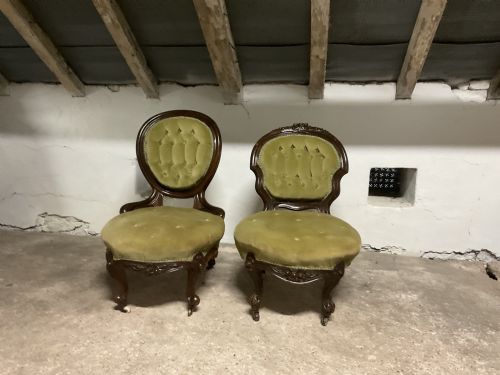
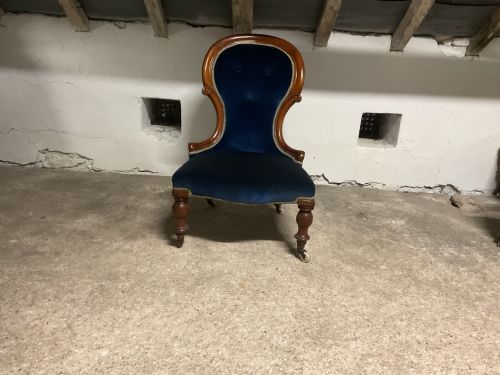
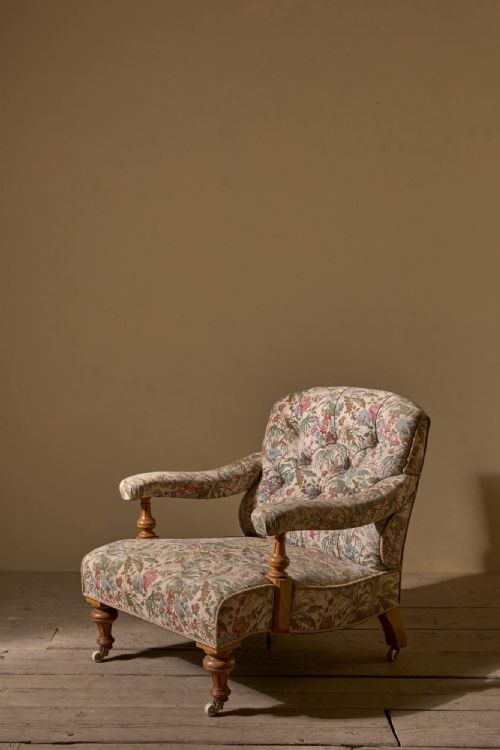
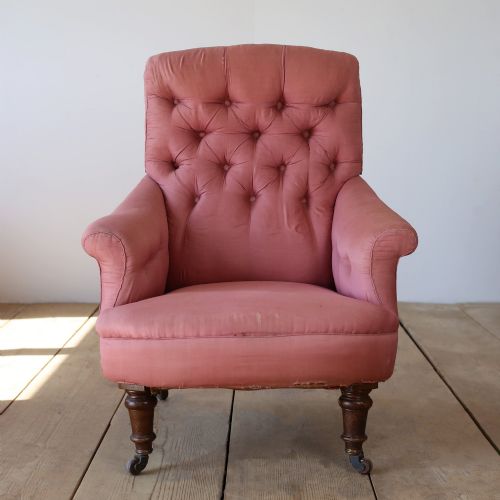
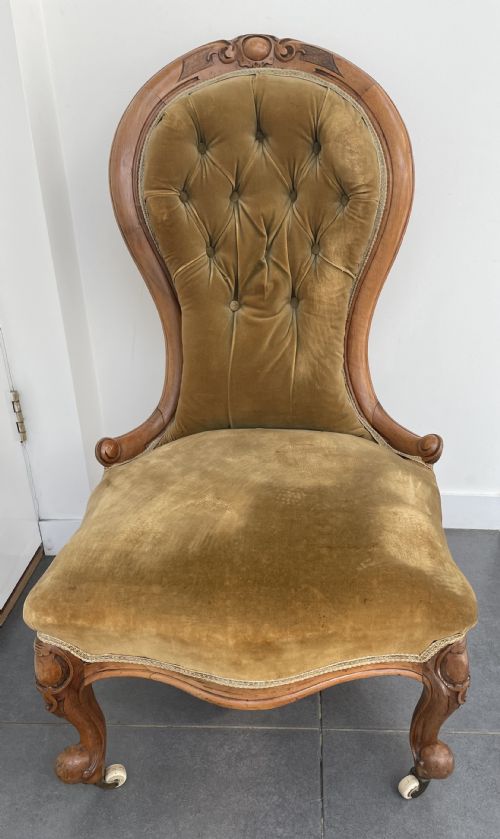
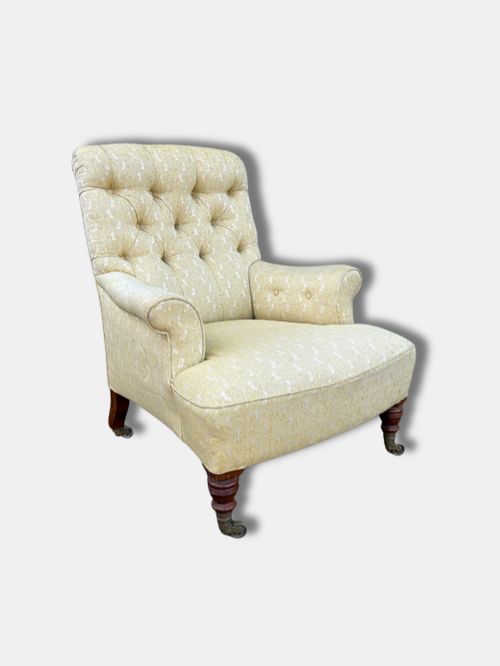
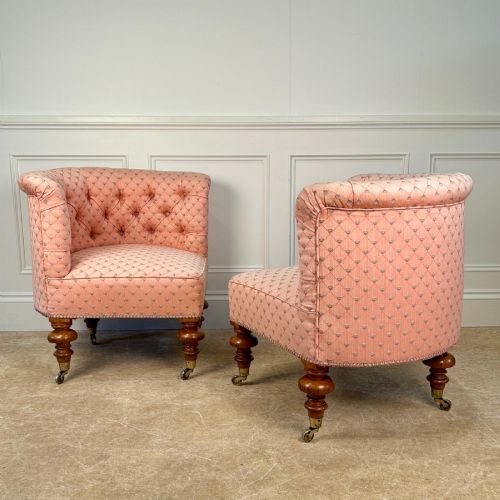
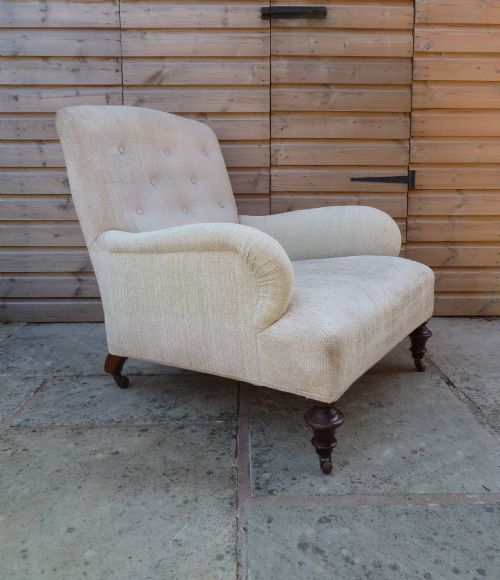
A victorian low chair encompasses various low-slung seating forms including nursing chairs, slipper chairs, bedroom chairs, and low back armchairs. These pieces emerge predominantly from the nineteenth century, spanning decades from the 1850s through to Edwardian times.
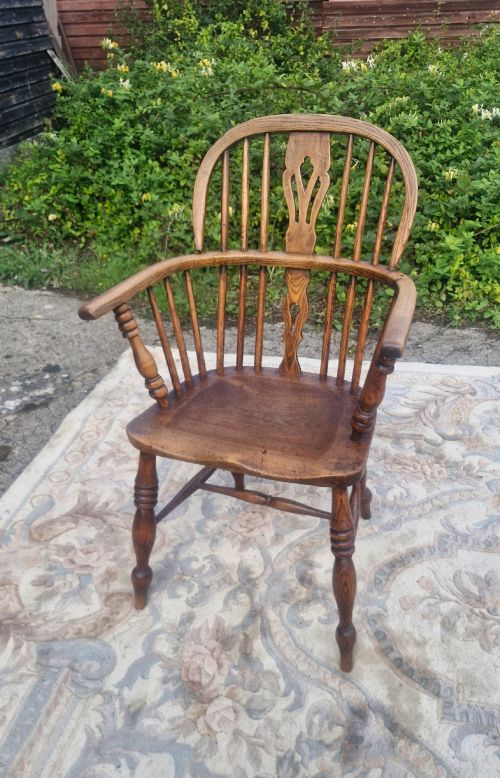
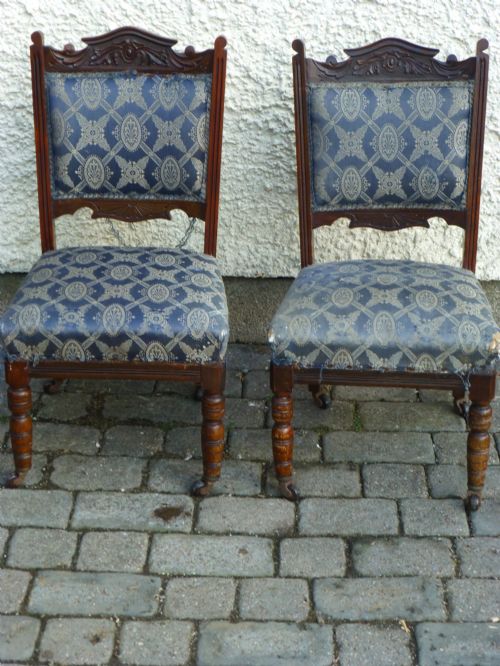
The evidence shows diverse timber frames such as mahogany, walnut, oak, beech, elm, and yew, often upholstered in velvet, fabric, calico, or supported by hessian. Forms range from button-backed salon chairs and aesthetic movement designs to vernacular Windsor chairs.
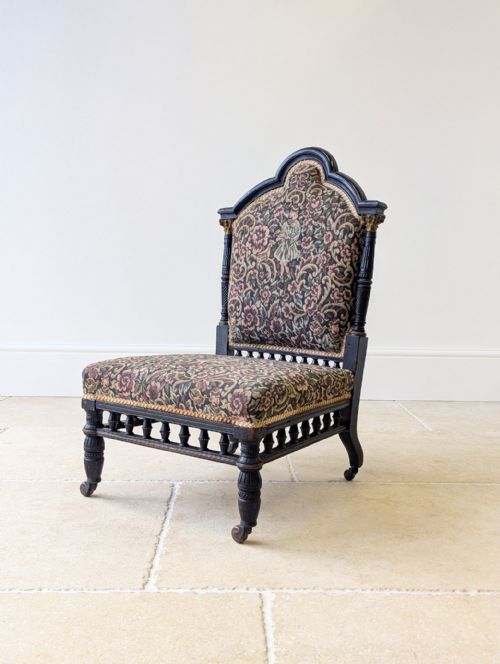
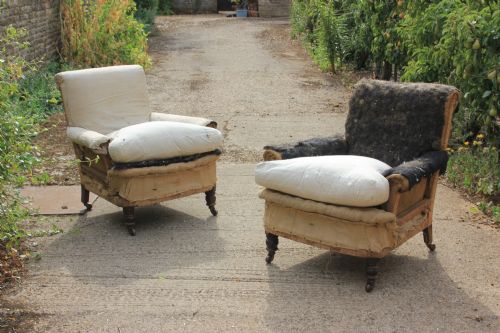
Buyers will encounter formal parlour seating alongside country house armchairs and occasional chairs. Many pieces arrive ready for upholstery or display period-specific woodwork like barley twist and ebonised frames.
How they were made
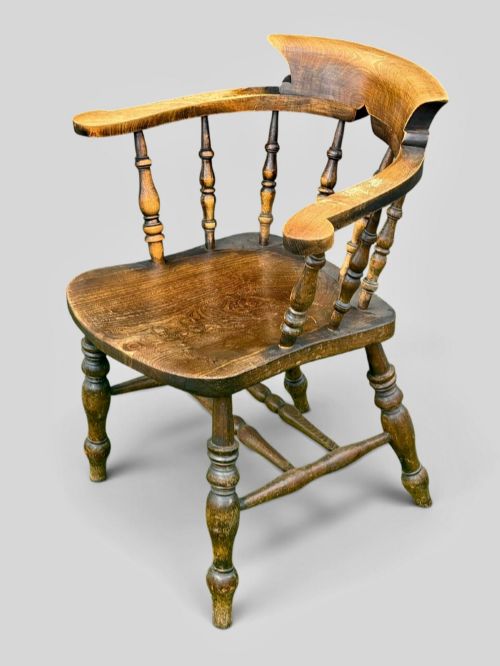
Cabinetmakers and chair bodgers utilised dense hardwoods such as mahogany, walnut, oak, and beech for structural rigidity in frames and legs. Softer or resilient woods like elm and yew appear frequently in vernacular Windsor and captain's chair construction.
Upholstery techniques relied on traditional stuffing foundations held by hessian, finished with decorative textiles including velvet, tapestry, and calico. Brass castors and brass hardware frequently completed the mobile bases of finer salon and easy chairs.
Victorian Low Chair Retail Price Guide 2026
Typical asking prices for victorian low chair among the pieces listed under this phrase on Sellingantiques today, from the lower quarter to the upper quarter. They describe what is for sale here now, not the wider market.
Listings feature 19th-century and Edwardian eras, utilising brass, mahogany, velvet, and walnut across diverse armchair and salon forms.
What varies in quality
The distinction between ordinary and superior pieces rests in the ambition of the timber carving and the integrity of the frame construction. Walnut and mahogany examples with sculptural frames or specific aesthetic movement detailing display superior workshop execution compared to plain utilitarian counterparts.
Proportion and stance dictate visual success, where well-balanced low seats and supportive button-backed upholstery command greater presence. Maker attribution or documented design lineage significantly elevates the stature of individual pieces within the market.
Howard and Sons·Gillows of Lancaster·C Hindley and Sons·Hampton and Sons·Waring and Gillow
The Victorian Low Chair Glossary
- Nursing chair
- A low-seated upholstered chair traditionally designed for nursing infants or for ladies' dressing rooms in the nineteenth century.
- Windsor chair
- A wooden chair constructed with upright spindles inserted into a solid sculpted wooden seat, often utilising elm and yew.
- Aesthetic movement
- A late nineteenth-century design style emphasising artistic visual qualities, often featuring ebonised wood and stylized decoration.
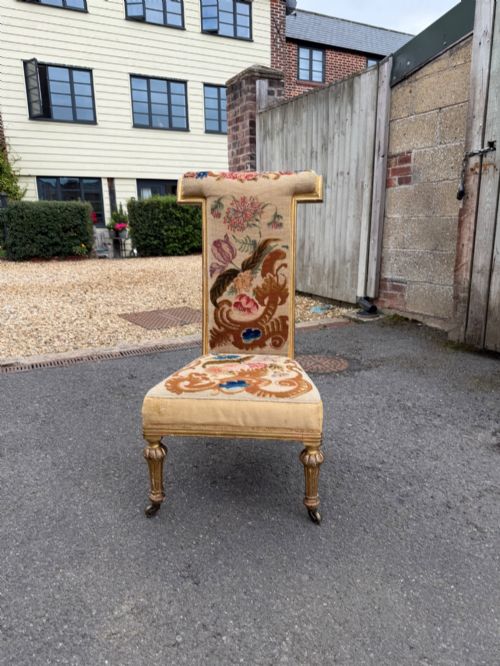
- Prie Dieu
- A nineteenth-century devotional chair featuring a low seat and an elevated top rail designed for kneeling and prayer.
- Slipper chair
- A low-framed upholstered chair originally used in bedrooms for putting on shoes.
Victorian Low Chair: Frequently Asked Questions
What is a low chair used for?
These low seats served practical domestic purposes in bedrooms, nurseries, and dressing rooms where relaxed posture was preferred. Their reduced height made them convenient for intimate gatherings and personal grooming.
Over time, these versatile seats transitioned into drawing rooms and libraries as comfortable occasional chairs. Today, they function effectively as decorative accent pieces in modern living spaces.
How do I identify a Victorian chair?
Identification relies on observing characteristic nineteenth-century timber choices such as mahogany and walnut, alongside traditional upholstery foundations. Stylistic clues often include button-backed padding, ebonised surfaces, or aesthetic movement carved details.
Makers' stamps, paper labels, or brass castors can provide further chronological context. Comparing construction methods against documented workshop practices helps confirm the era.
Are low chairs comfortable to sit in?
Their deep seats and supportive upholstered backs were originally engineered for prolonged relaxation. Many examples retain generous padding that offers a welcoming seating experience.
Because comfort depends on the internal webbing and stuffing condition, pieces may vary. Re-upholstered examples often provide modern levels of physical support while retaining antique character.
What wood types should I expect?
Nineteenth-century makers frequently employed dark hardwoods like mahogany, walnut, and rosewood for formal parlour and salon seating. Beech, oak, and birch served standard framing requirements.
Vernacular seating such as Windsor chairs typically combined elm seats with yew or ash spindles. Exotic accents like birds-eye maple also appear on specialised side and bedroom chairs.