
Antique Upholstery Project
An antique upholstery project offers a framework of history ready for custom cloth, turning sturdy frames into bespoke seating.
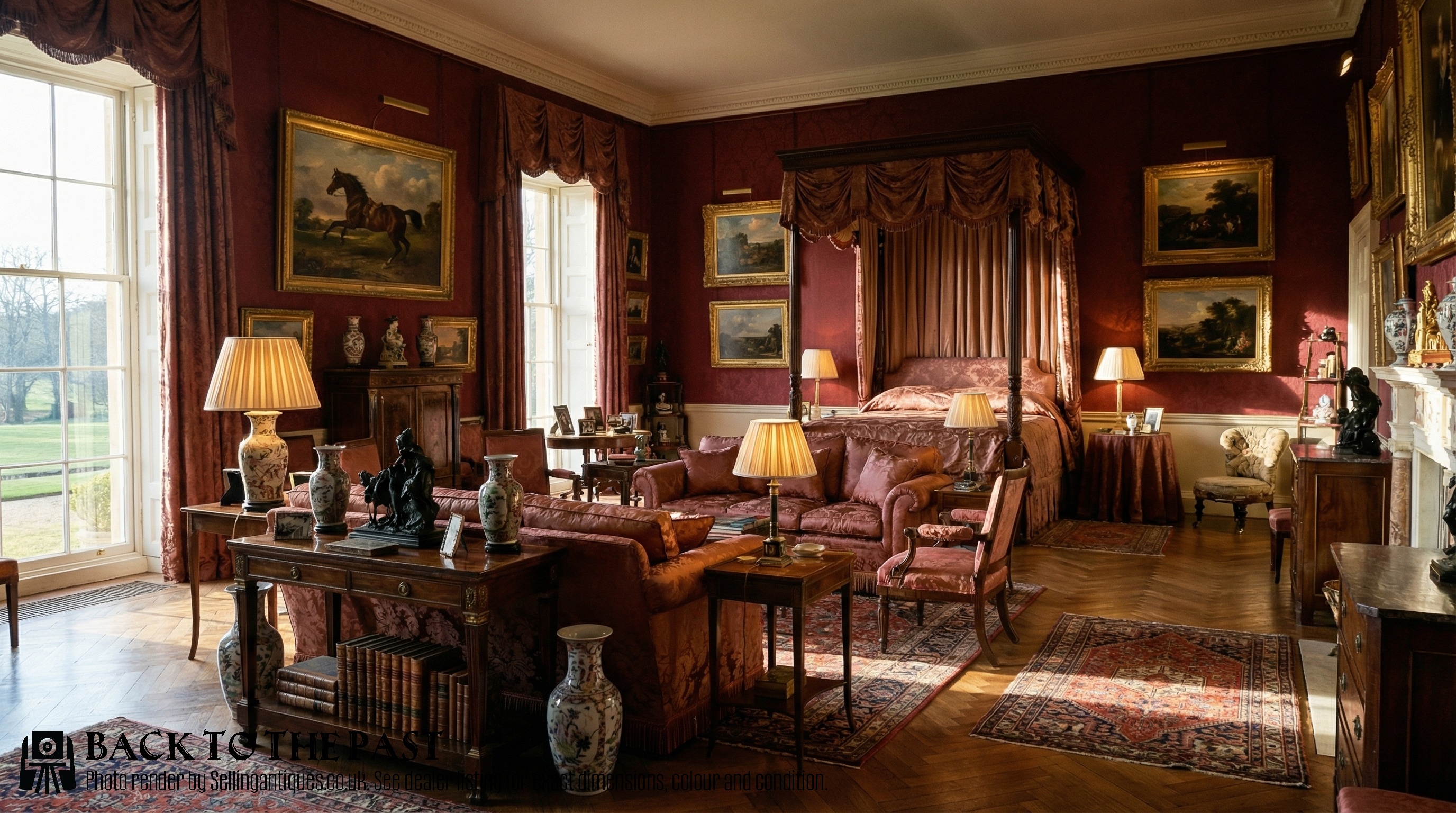
Antique Upholstery Project
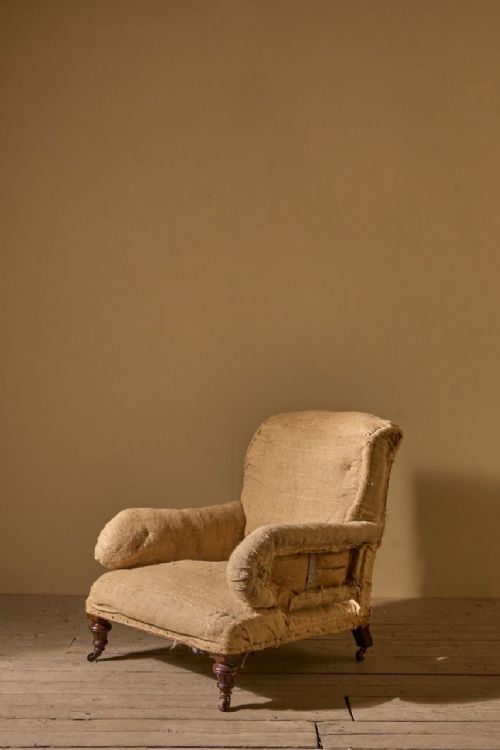
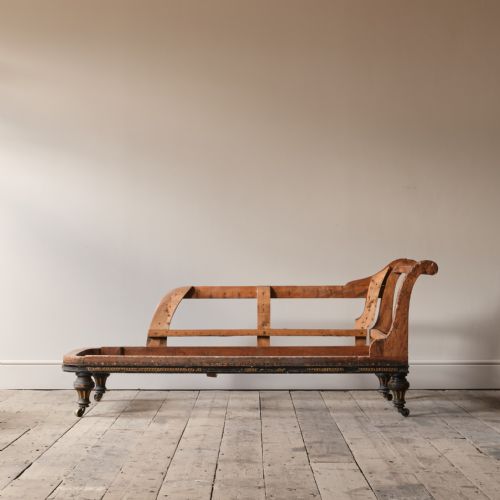
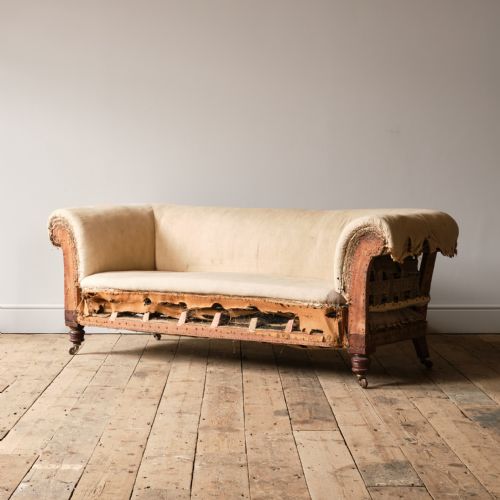
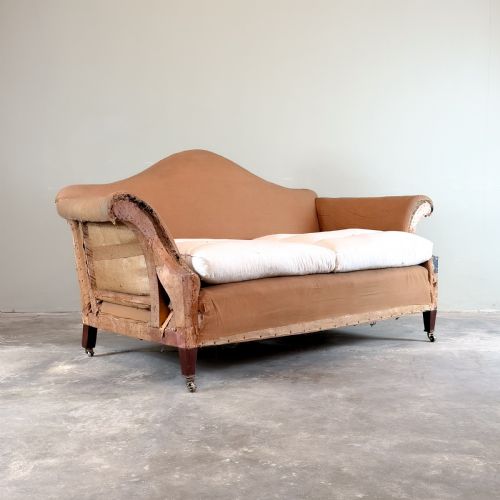
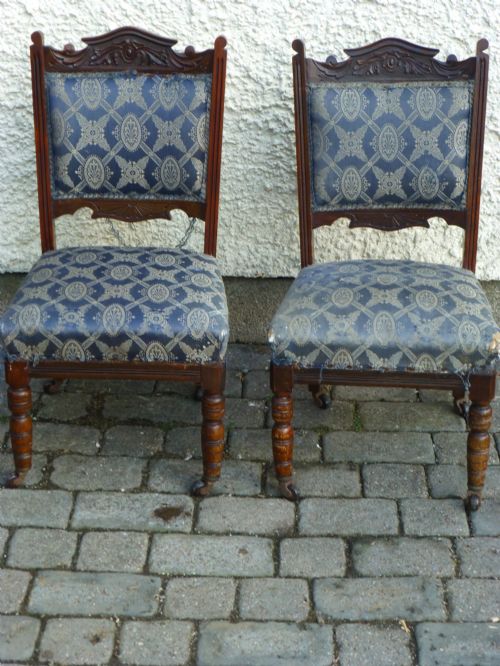
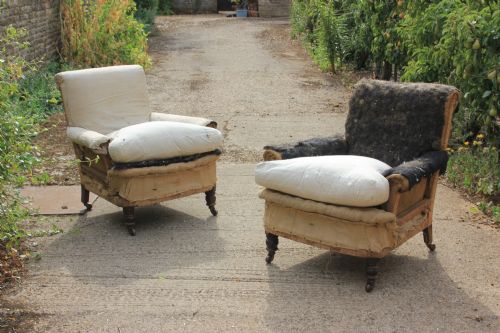
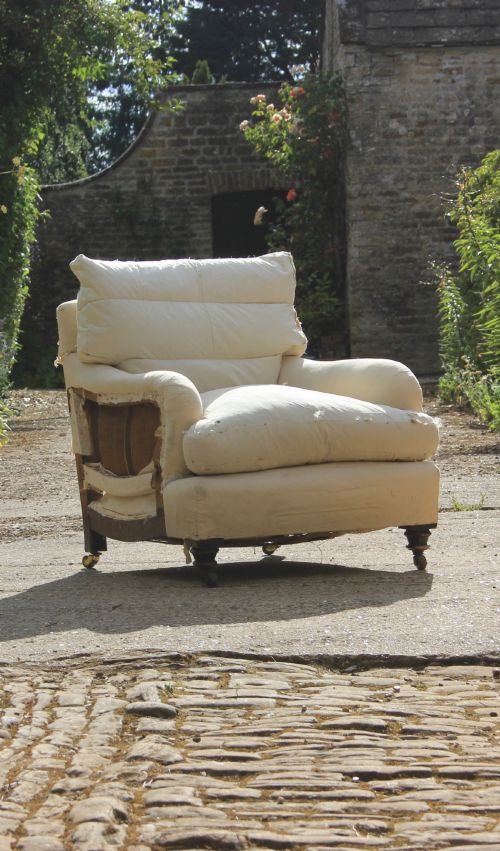
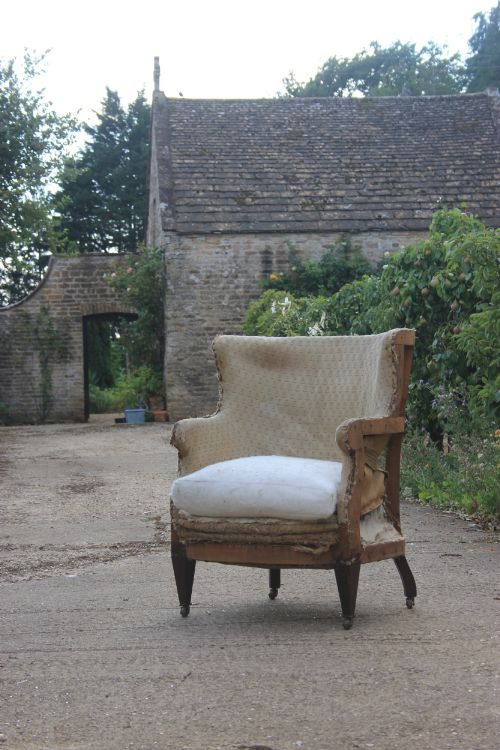
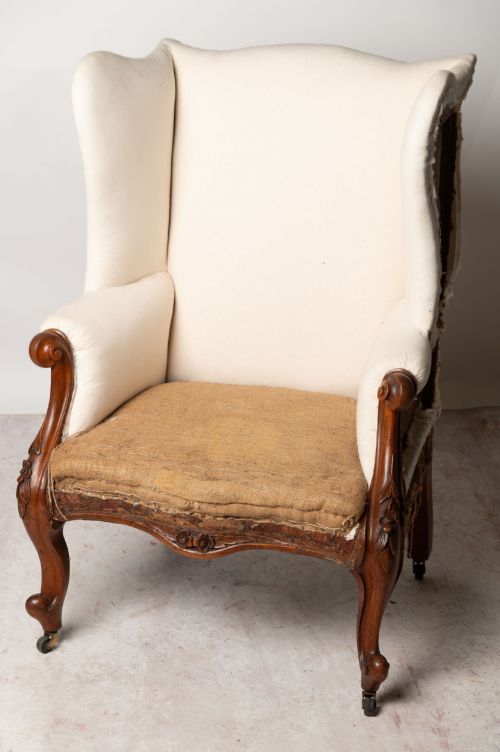
An antique upholstery project brings together bare frames and partially finished seating awaiting complete recovery. You are looking at structural pieces sourced from the 18th century, the Regency era, the Victorian period, and the Edwardian years.
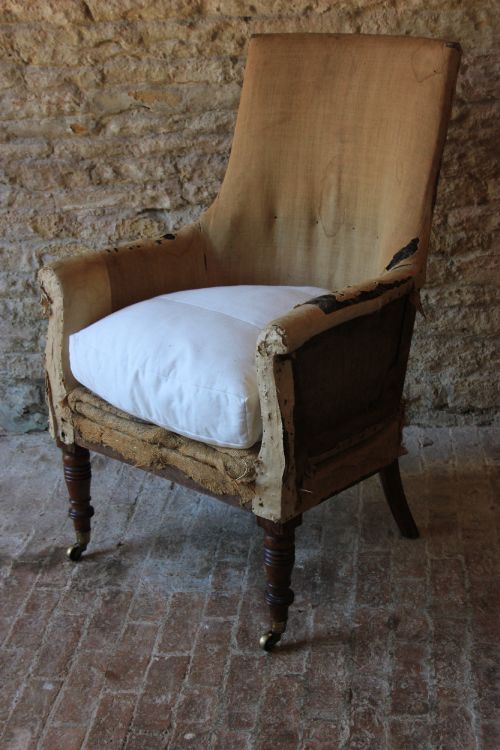
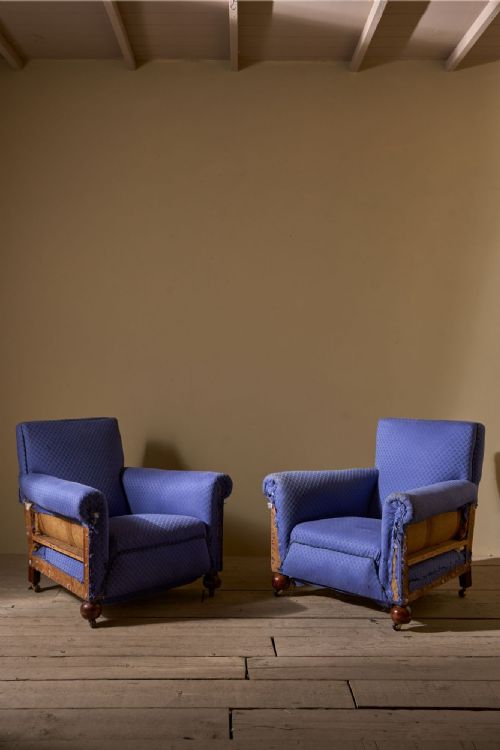
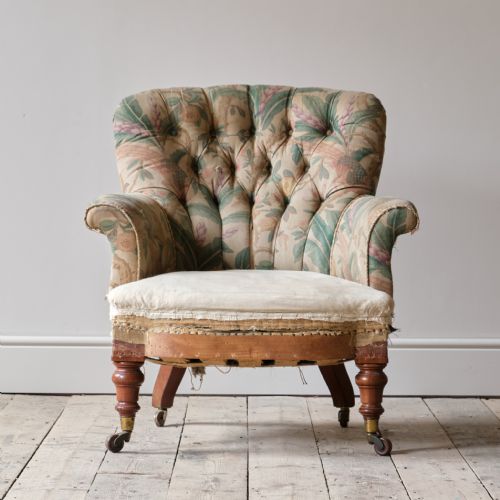
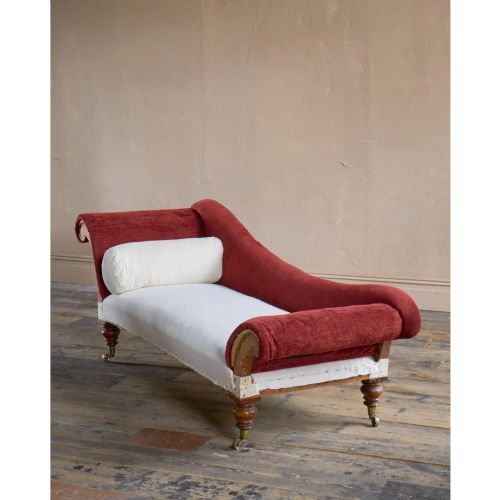
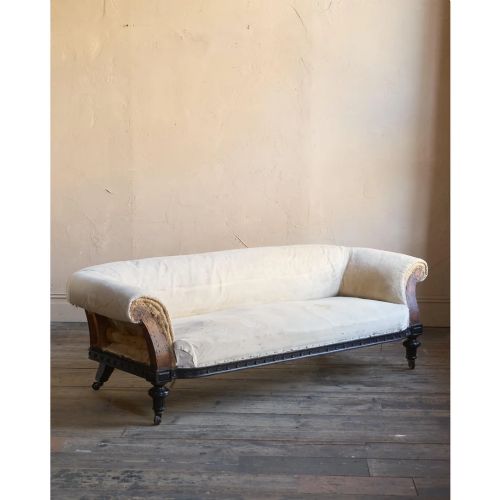
The selections span grand country house armchairs, deep Chesterfield sofas, chaise longues, and intimate nursing chairs. Many arrive stripped to the webbing or sitting at the calico stage, exposing the underlying architecture.
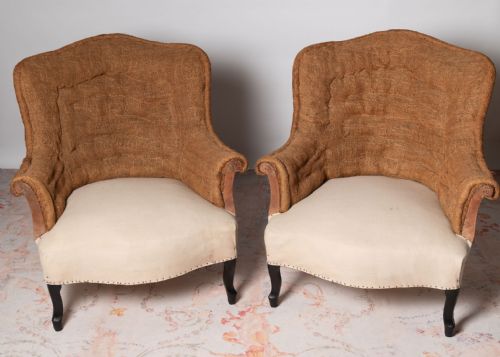
You will encounter distinct regional influences, including English walnut frameworks and French Napoleon III designs. Each piece provides the raw geometry for a personal textile vision.
Materials and Construction
The foundational frames rely on dense timbers such as mahogany, walnut, and rosewood, joined to endure generations of sitting. Brass castors and hardware frequently support the heavier feet and legs.
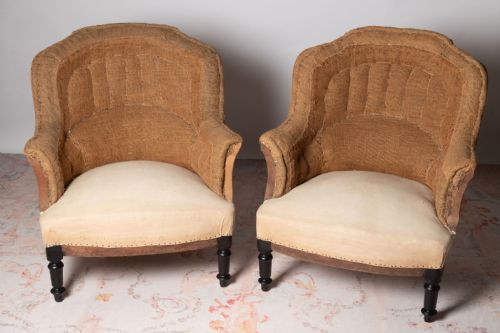
Traditional internal building uses natural textiles like hessian, cotton, and calico to build up the supportive stuffing before the final outer cover goes on. This layered approach creates the deep seating comfort characteristic of period frames.
Antique Upholstery Project Retail Price Guide 2026
Typical asking prices for upholstery project among the pieces listed under this phrase on Sellingantiques today, from the lower quarter to the upper quarter. They describe what is for sale here now, not the wider market.
Listings span the 18th century through the Edwardian era, incorporating mahogany, walnut, brass, calico, and hessian.
Judging the Framework
Quality rests entirely in the original joinery, timber selection, and the integrity of the bare wooden skeleton. A superior frame maintains rigid joints and balanced proportions without relying on the upholstery for stability.
The distinction between ordinary and exceptional pieces lies in the subtlety of the carved details and the generosity of the original proportions. A heavy, deep-seated country house frame with intact structural lines holds far more presence than a simpler utility build.
Holland and Sons·Gillows·Howard and Sons·Hampton and Sons
The Antique Upholstery Project Glossary
- Calico stage
- An intermediate phase where unbleached cotton cloth is tacked tightly over the internal stuffing of a chair before the decorative outer fabric is applied. This reveals the precise shaping of the seat.
- Hessian
- A coarse woven fabric, typically made from jute fibres, utilised as the foundational webbing and inner support layer beneath the stuffing. It provides breathability and tensile strength.
- Nursing chair
- A low-seated Victorian chair designed originally to allow a mother to feed an infant comfortably. The compact proportions make them versatile for modern bedrooms.
- Chesterfield sofa
- A deep-buttoned upholstered couch characterised by arms and back of the exact same height. They offer a formal yet enveloping sit.
- Chaise longue
- An elongated upholstered chair designed for reclining, featuring a single raised backrest at one end. They derive from French seating traditions of the 19th century.
Antique Upholstery Project: Frequently Asked Questions
What is the calico stage on these chairs?
The calico stage means the interior stuffing, springs, and hessian are fully built and covered in plain cotton. This allows you to test the comfort and shape before choosing the final decorative fabric.
It provides a clean, neutral baseline for any textile choice.
Are these frames structurally sound to use?
Most period frames are constructed from dense hardwoods like mahogany and walnut that remain exceptionally durable. Stripping away old upholstery often reveals the true integrity of the wooden joinery.
Minor tightening of joints is standard practice during restoration.
How do I identify Victorian nursing chairs?
Victorian nursing chairs feature unusually low seats combined with high, supportive backs designed for domestic tasks. They frequently appear in pairs and utilise walnut or rosewood frames.
Their compact footprint suits smaller modern spaces.