


Antique Ebonised Furniture
Antique ebonised furniture brings dark, dramatic surfaces and striking contrasts to a room, offering the appeal of nineteenth-century craftsmanship.
Antique Ebonised Furniture
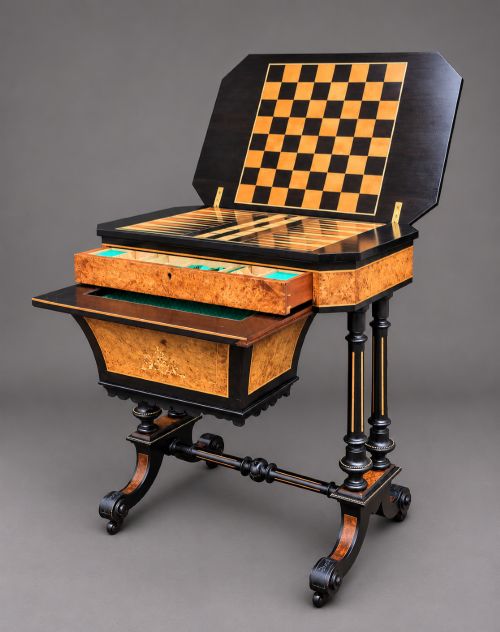
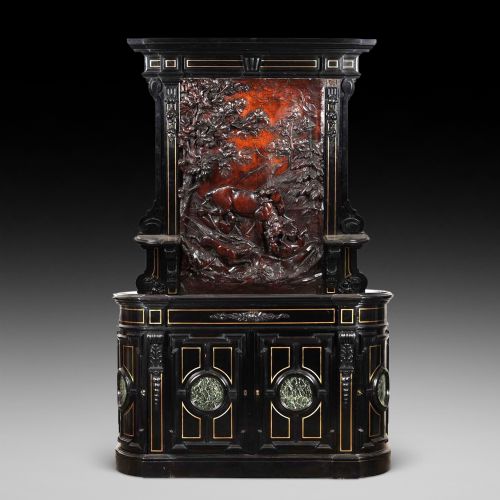
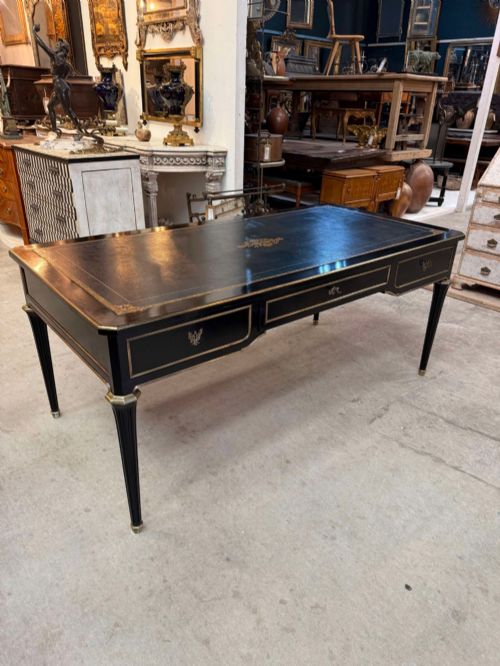
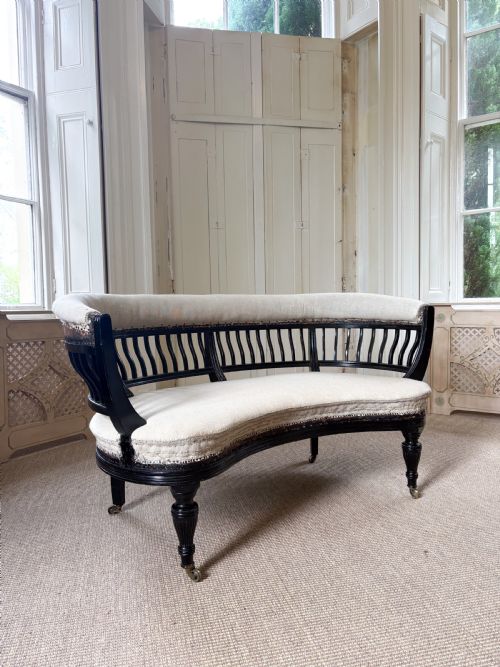
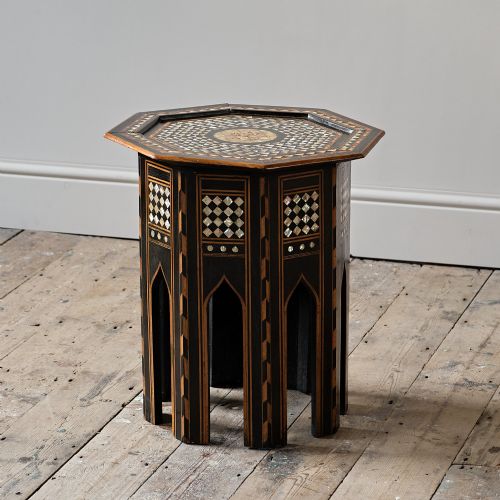
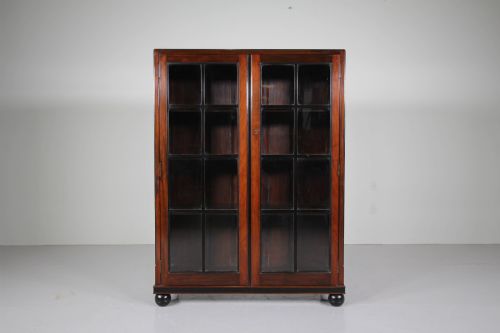
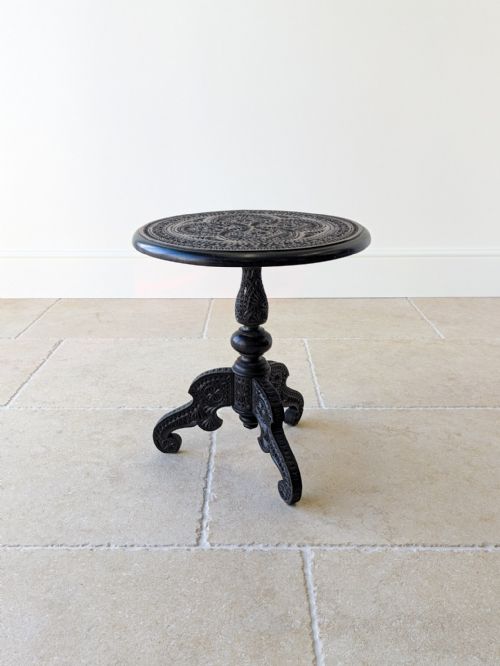
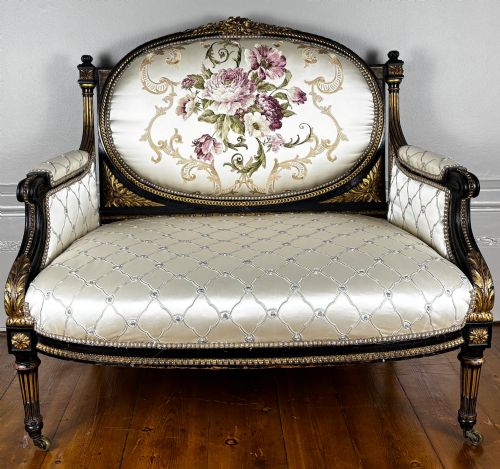
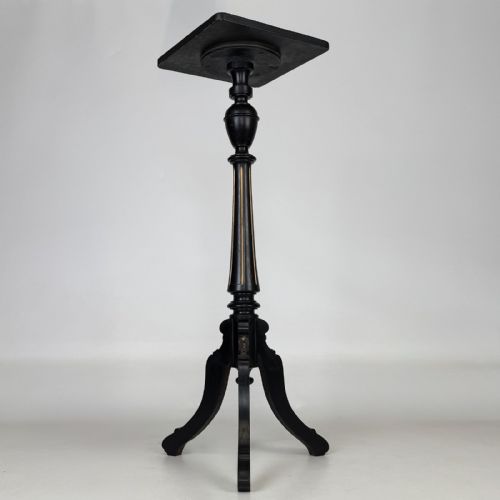
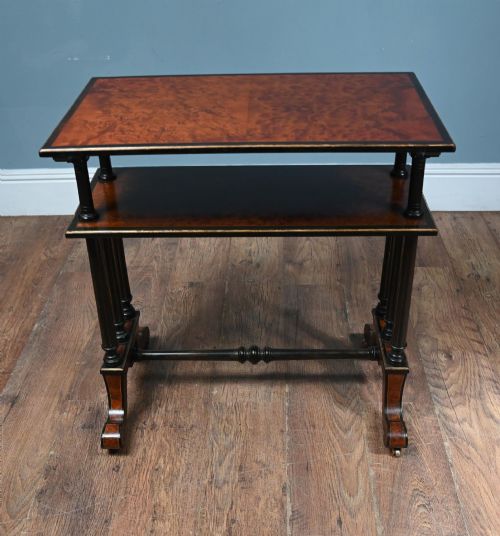
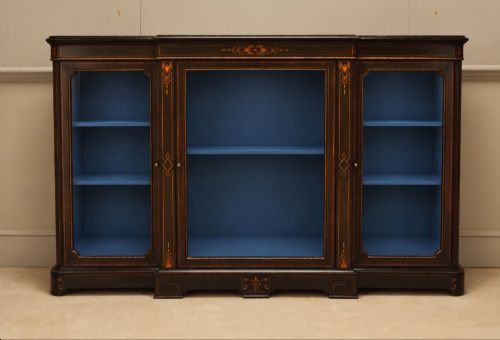
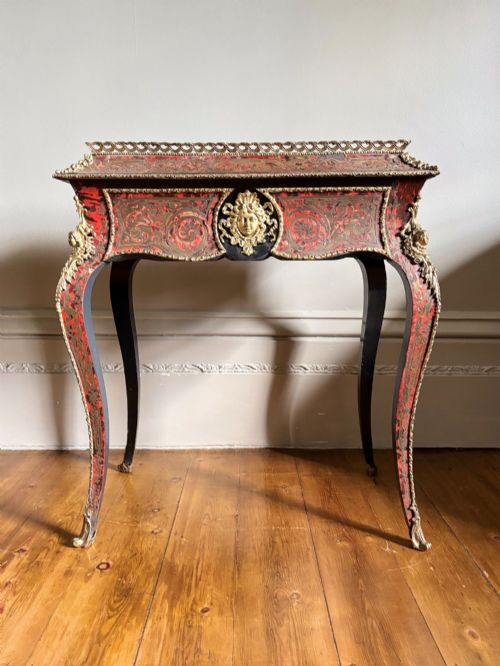
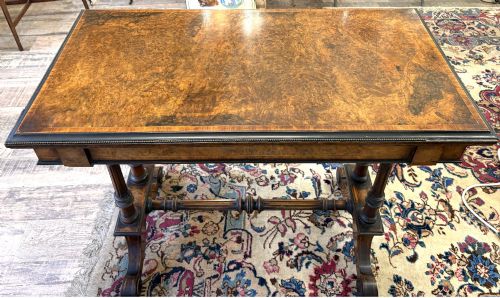
When you search for antique ebonised furniture, you encounter pieces finished to imitate expensive ebony, spanning the eighteenth, nineteenth, and early twentieth centuries. These include side tables, occasional tables, centre tables, bookcases, desks, and chests of drawers produced during periods such as the Regency and Victorian eras. The selection draws heavily upon nineteenth-century craftsmanship, including specific iterations from the Aesthetic Movement, Napoleon III, and Regency styles.
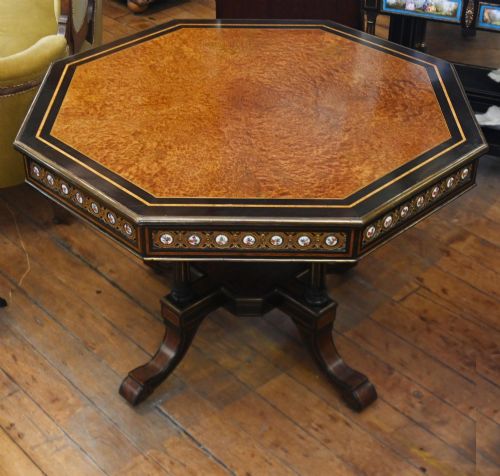
You are most likely to meet smaller occasional tables, side tables, and writing desks finished with this dark coating, alongside seating and bookcases. These items range from plain, utilitarian forms to highly decorative variants incorporating brass, ivory, or ceramic elements. The origin of these pieces stretches across English workshops, French ateliers, and Austrian makers, reflecting diverse aesthetic movements.
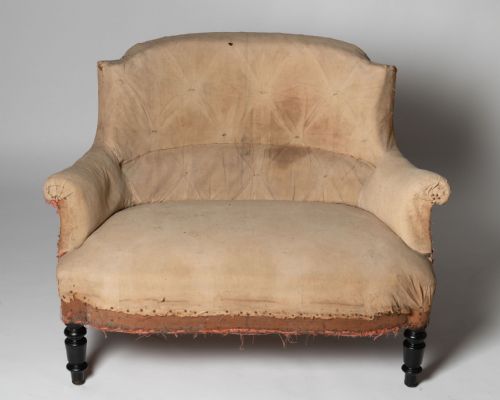
The category encompasses both formal library tables and domestic seating, showing how dark finishes suited various domestic settings. Pieces often integrate contrasting details like parcel gilding or inlay to break the dark surface. Through these variations, the category provides functional items that double as visual statements within an interior.
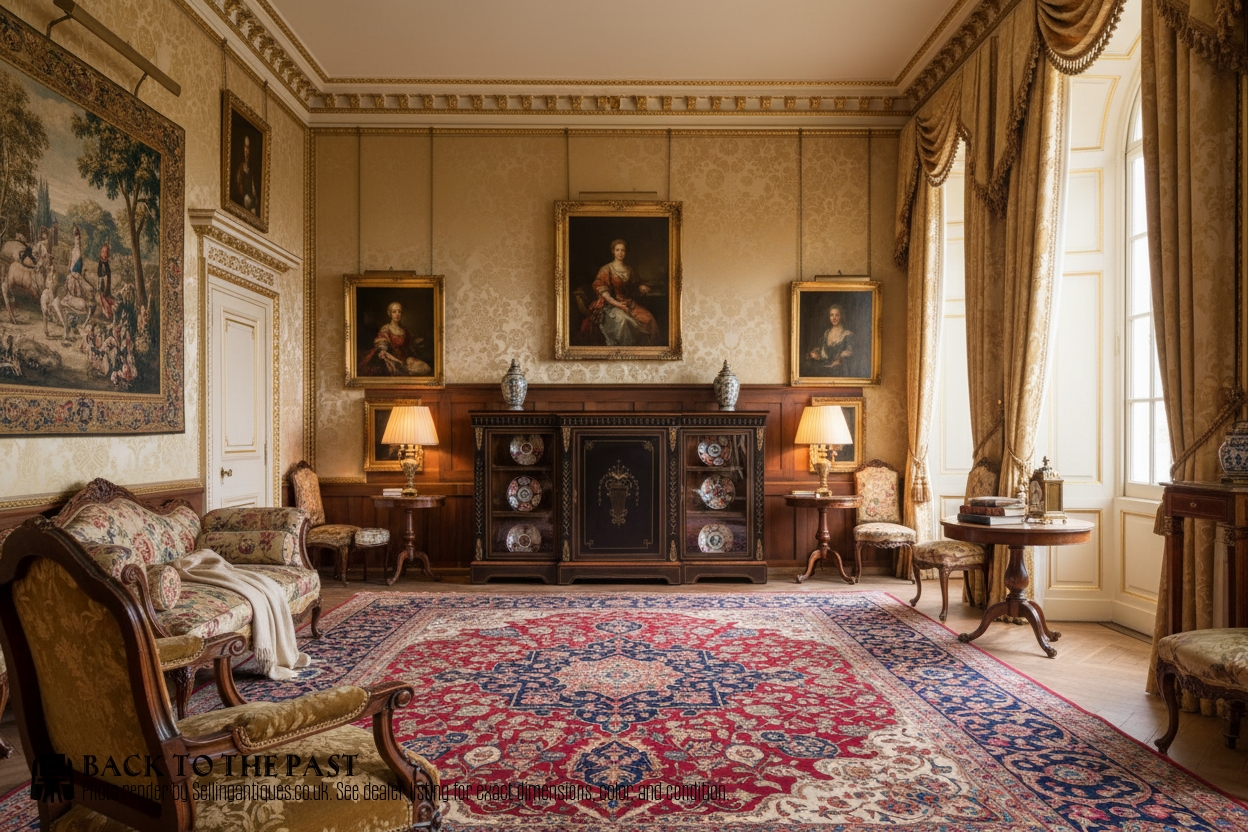
What varies in quality
Quality rests in the precision of the underlying woodwork and the durability of the ebonised finish against handling and age. Superior examples display crisp carving, tight joints, and stable secondary timbers that do not warp or split beneath the coating.
The refinement of decorative additions, such as precise brass inlay, hand-painted porcelain, or intricate parquetry, separates standard workshop production from high-end cabinet work. Original surfaces that retain their depth of tone without excessive over-painting command greater appreciation.
Antique Ebonised Furniture Retail Price Guide 2026
Typical asking prices for ebonised furniture among the pieces listed under this phrase on Sellingantiques today, from the lower quarter to the upper quarter. They describe what is for sale here now, not the wider market.
Keep an eye out for elephants with painted wooden tusks holding up your books.
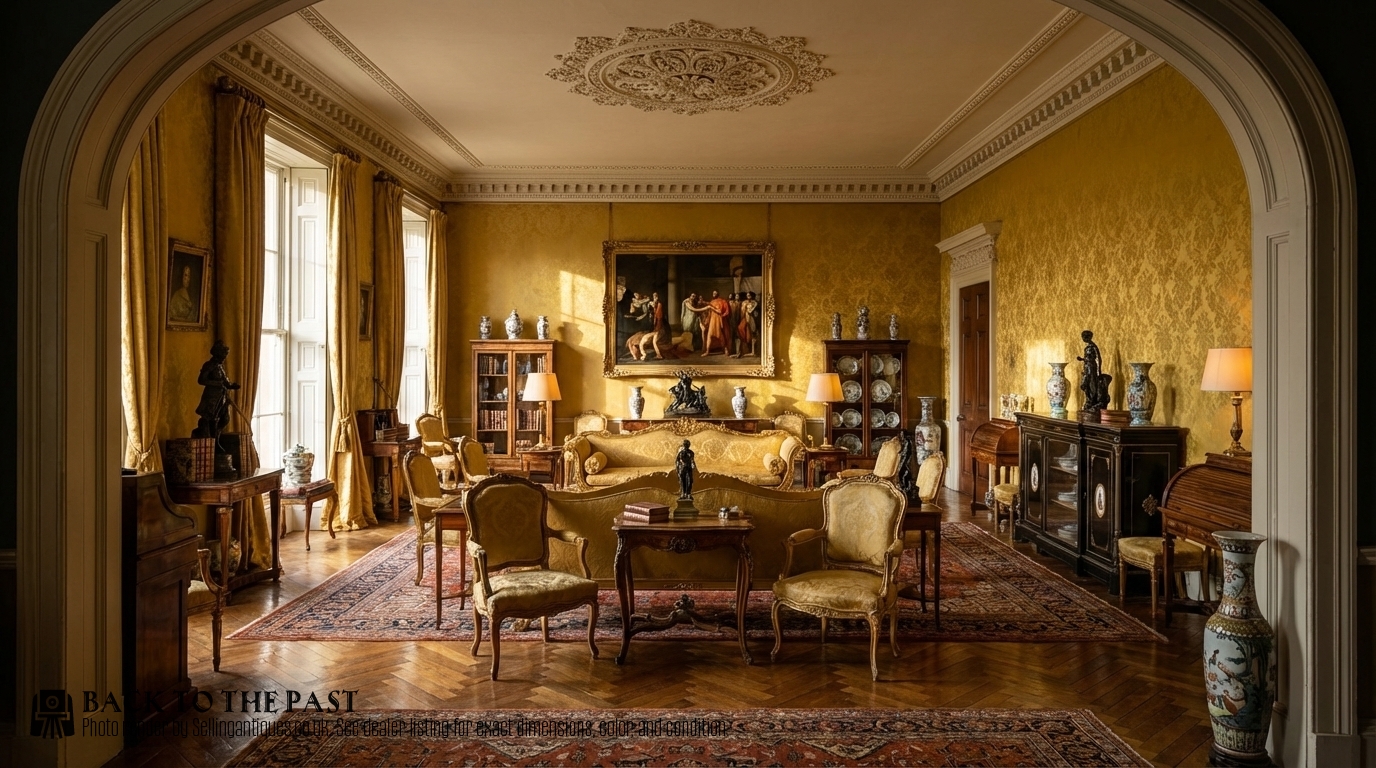
Holland and Sons·JAS Shoolbred·Edward and Roberts·Jackson and Graham·Liberty and Co·Hindley and Sons·Lamb of Manchester
The Antique Ebonised Furniture Glossary
- Ebonised
- Wood treated with stain, paint, or chemical processes to simulate solid ebony. This technique gained immense popularity during the nineteenth century for furniture and decorative objects.
- Parcel Gilded
- Partially gilded with gold leaf or powder, usually highlighting carved details or edges against a dark ground. This method creates a sharp visual contrast on ebonised surfaces.
- Aesthetic Movement
- A late nineteenth-century design style focusing on art for art's sake, often featuring ebonised surfaces, Japanese influences, and simplified geometric forms. It rejected heavy Victorian ornamentation in favour of leaner lines.
- Ormolu
- Gilded bronze mounts applied to furniture edges, corners, and feet. French cabinet makers frequently used these decorative metal elements on luxury pieces.
- Inlay
- Material embedded into the surface of a piece to form a decorative pattern. Common insertions include brass, ivory, and contrasting woods.
Antique Ebonised Furniture: Frequently Asked Questions
What is ebonised wood?
Ebonised wood is timber treated to look like genuine ebony, which was scarce and expensive.
Craftsmen used stains, paints, and polishing techniques on more common hardwoods to achieve the dark, lustrous finish.
How do I clean ebonised furniture?
Dust surfaces gently with a soft, dry cloth to prevent scratching the dark finish.
Avoid harsh chemical cleaners and excessive moisture, which can dull or lift the ebonisation over time.
Which periods produced ebonised furniture?
While examples exist from the seventeenth and eighteenth centuries, the vast majority originate from the nineteenth century.
Victorian and Regency makers embraced the finish enthusiastically, particularly during the height of the Aesthetic Movement.
How do I identify an Aesthetic Movement piece?
Look for clean structural lines, ebonised surfaces, and subtle details like incised decoration or Japanese-inspired motifs.
These items often avoid heavy revivalist carving in favour of flat planes and contrasting metal or ceramic inlays.
Is ebonised furniture fragile?
The wood beneath is typically sturdy, but the dark surface can show chips, scuffs, and scratches more readily than natural grain.
Careful placement away from direct sunlight and heavy impact helps preserve the original finish.