

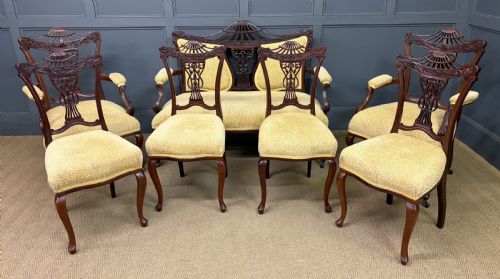
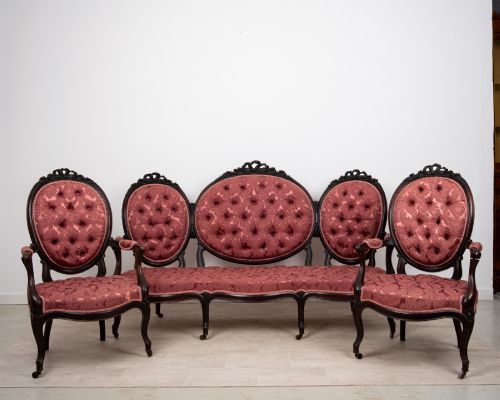
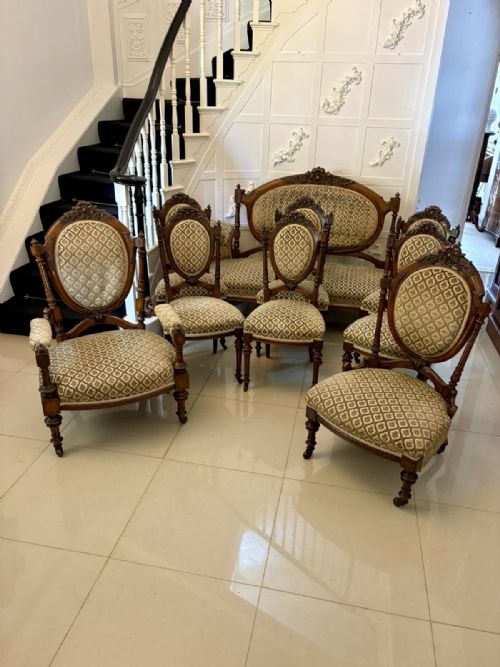
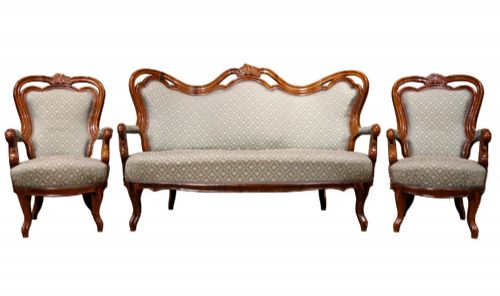
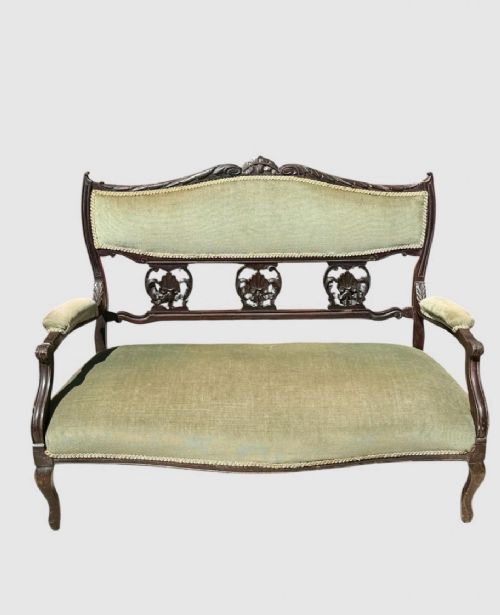


Victorian Salon Sofa
A victorian salon sofa brings refined seating and elegant nineteenth-century presence to a room.
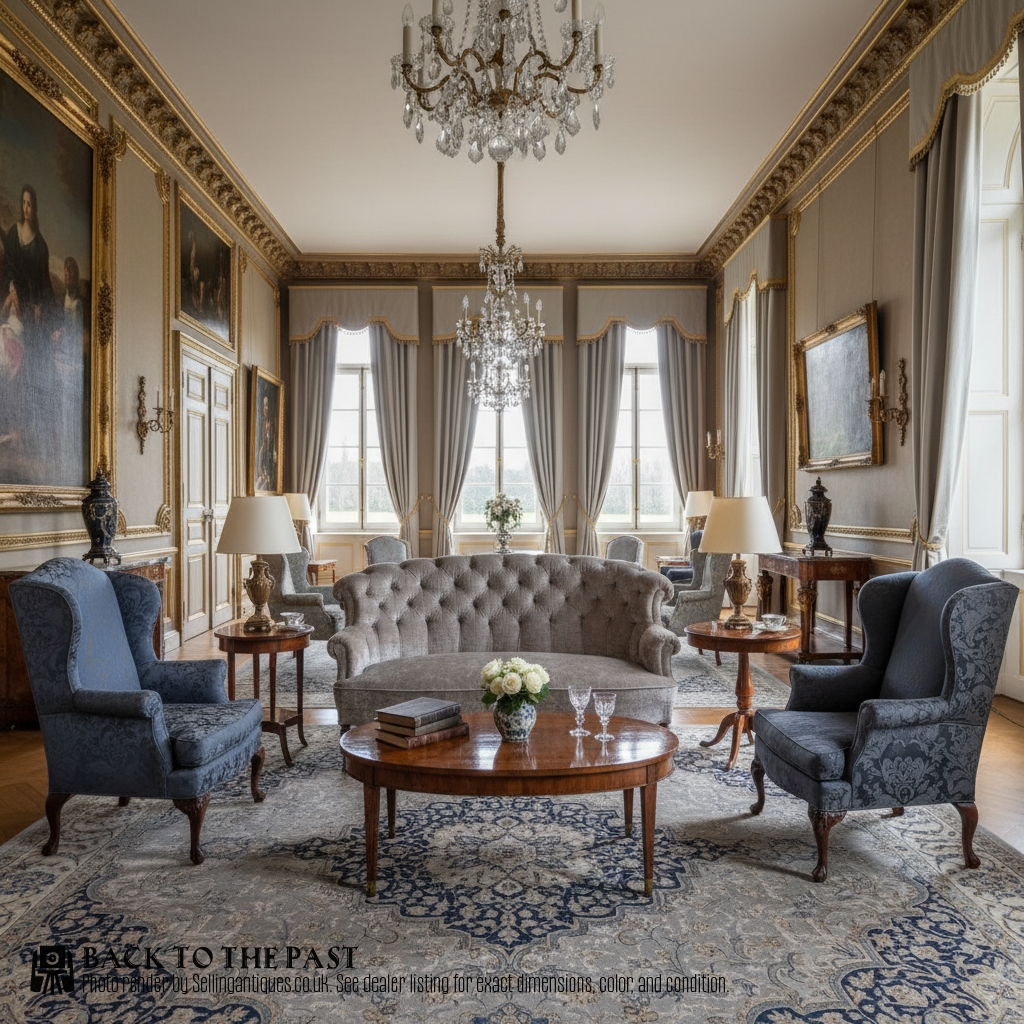
What these pieces are
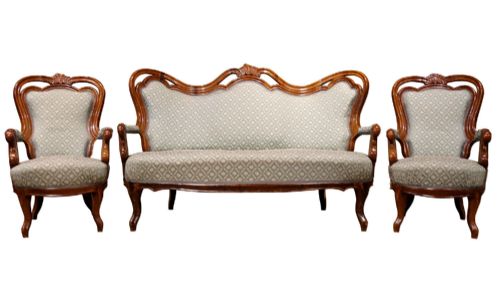
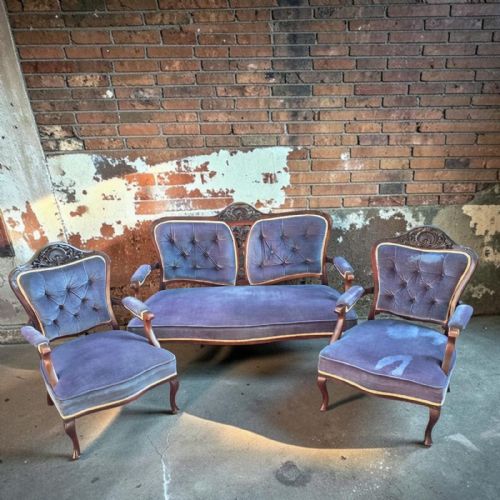
A victorian salon sofa is an upholstered seat designed for reception rooms and parlours during the nineteenth century. These pieces appear as settees, couches, and larger suites alongside matching chairs.
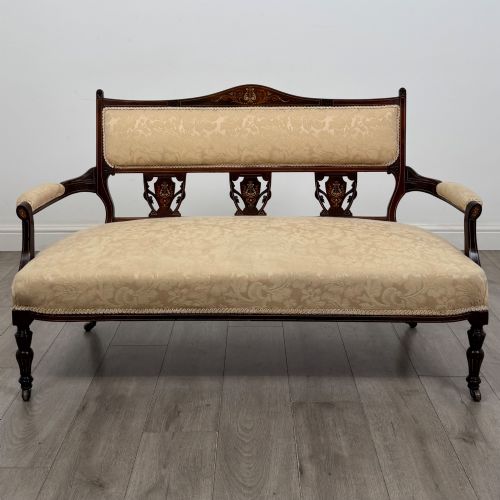
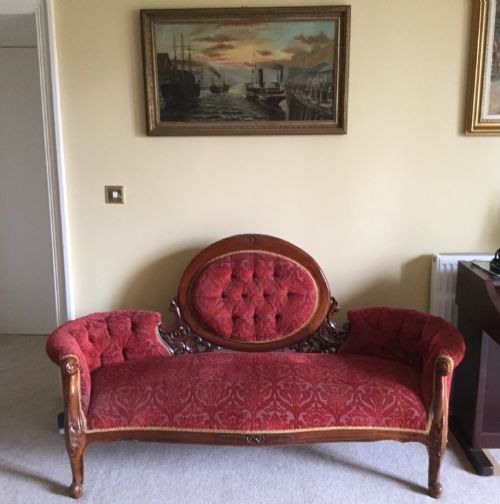
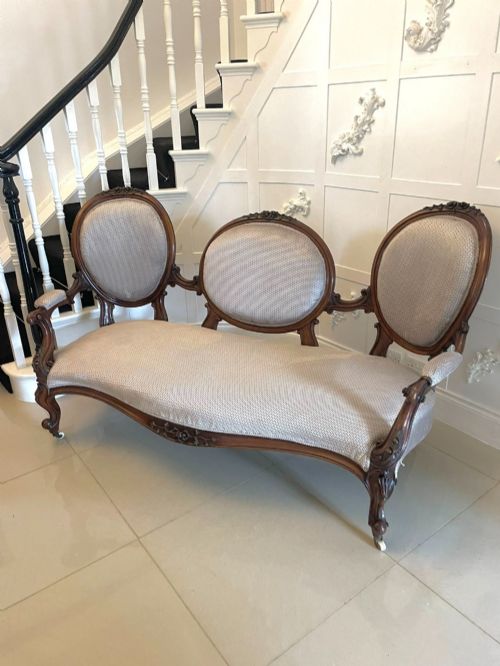
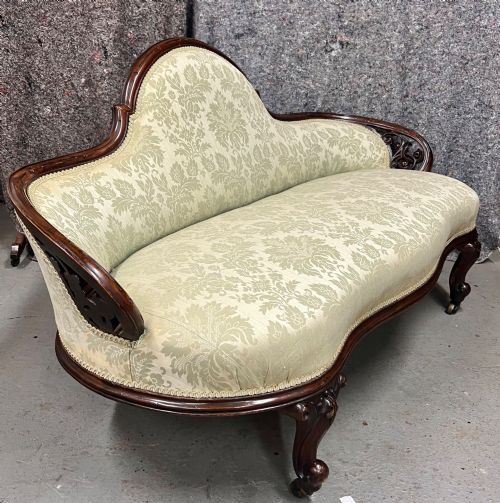
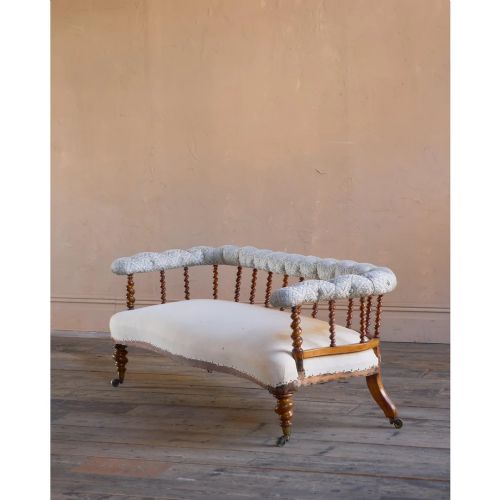
The most frequent examples found here are walnut or mahogany frames with upholstered seats and backs. Variations include double-ended shapes, spindle backs, and marquetry inlaid frames.
Design influences range from the Rococo Revival to Arts and Crafts, Aesthetic Period, and Art Nouveau styles. Pieces date across the nineteenth century, including specific years like eighteen-fifty and nineteen-hundred.
How they were made
Frames are constructed from hardwoods such as walnut, mahogany, oak, and satinwood. Metal components like brass and wood elements provide structural support.
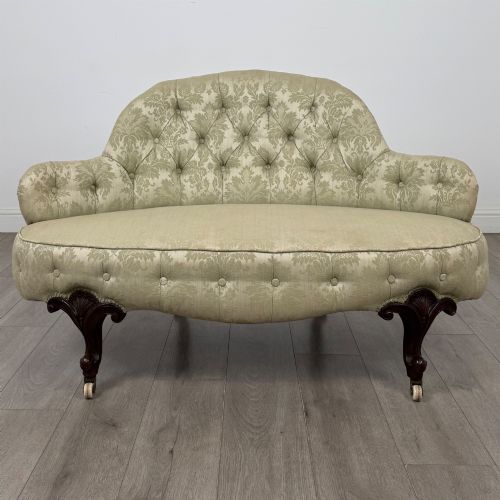
Upholstery relies on fabric, velvet, and deep-pile brocade over sprung settee bases. Decoration includes marquetry inlay and ebonised finishes.
Retail Price Guide 2026
Typical UK retail prices for victorian salon sofa, calculated from the Sellingantiques database of over a million retail prices indexed since 2003. This retail price guide relies exclusively on Sellingantiques data; no external sources or auction records are used, so the figures do not describe the wider market.
Styles recorded across the archive include Victorian, Rococo Revival, Arts and Crafts, Aesthetic Period, and Art Nouveau.
What varies in quality
Quality rests in the choice of timber and the complexity of the frame construction. Richly figured walnut or detailed satinwood marquetry elevate a piece above plain wooden frames.
The refinement of the carving and the upholstery choice define the character of the seating. Original design styles, from Rococo Revival curves to Arts and Crafts lines, show distinct craftsmanship.
C. Hindley & Sons
The Victorian Salon Sofa Glossary
- Salon sofa
- A formal settee designed for nineteenth-century reception rooms and parlours. These seats often feature exposed wooden frames and decorative upholstery.
- Rococo Revival
- A nineteenth-century design style drawing on eighteenth-century French motifs. It is characterised by curved wooden frames and ornate carved details.
- Brocade
- A rich shuttle-woven fabric featuring raised patterns. It often appears in deep piles on nineteenth-century upholstery.
- Marquetry
- Decorative woodwork formed by fitting thin pieces of veneer into a base structure. This technique creates intricate patterns using contrasting timbers like mahogany and satinwood.
- Double-ended sofa
- A settee with raised scrolls at both ends rather than a single headboard or arm. This balanced form allows reclining from either direction.
Frequently Asked Questions
Where did people use a salon sofa?
These settees served in formal reception rooms, parlours, and drawing rooms during the nineteenth century. They provided elegant seating for entertaining guests.
Today, they function as statement pieces in living spaces, hallways, or bedrooms, adding historic character to an interior.
How do I identify a Victorian salon sofa?
Look for nineteenth-century timber frames in walnut, mahogany, or oak combined with period upholstery like velvet or brocade. Stylistic clues include Rococo Revival curves or Aesthetic Period lines.
Check for construction methods typical of the era, such as sprung bases and hand-carved wooden details.
Can I reupholster a Victorian settee?
Reupholstering allows you to preserve historic frames while updating the fabric to suit your interior. Many surviving pieces have been re-covered in modern or traditional textiles.
Retaining or matching the traditional sprung base ensures the seat maintains its correct profile and comfort.
What is the difference between a sofa and a settee?
In nineteenth-century terminology, the terms often overlap to describe upholstered seating for multiple people. Settees frequently denote lighter, more formal parlor seating.
Both forms appear across Victorian periods with varied back designs, from spindle backs to fully upholstered frames.