



Victorian Walnut Settee
A victorian walnut settee brings warmth and carved elegance to a drawing room, offering curved frames and rich upholstery.
What a victorian walnut settee is
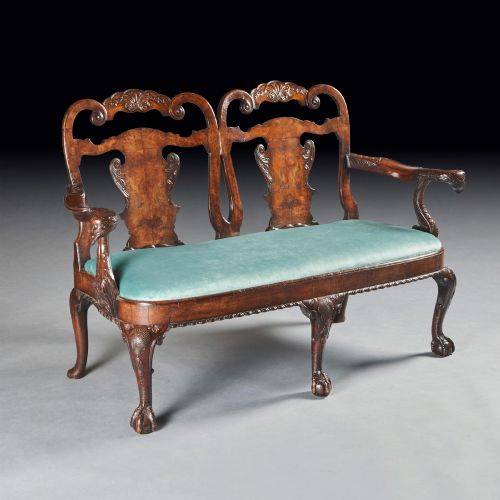
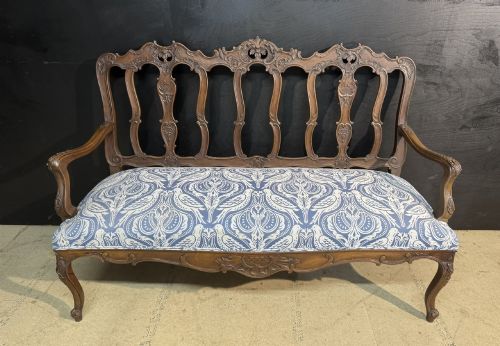
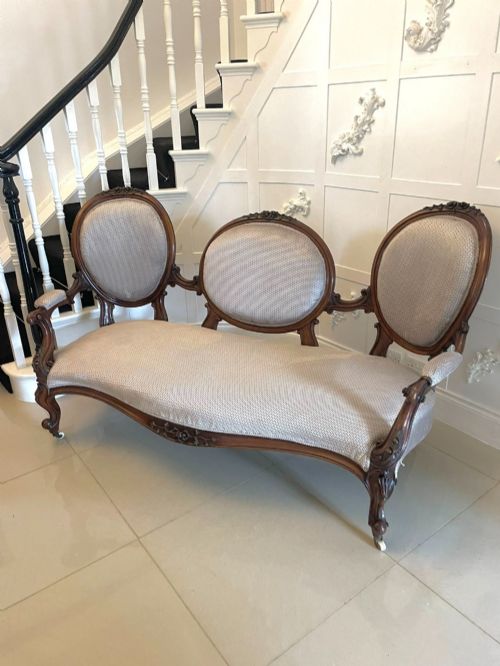
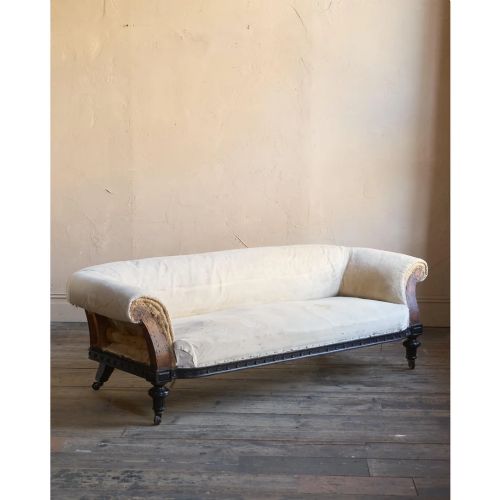
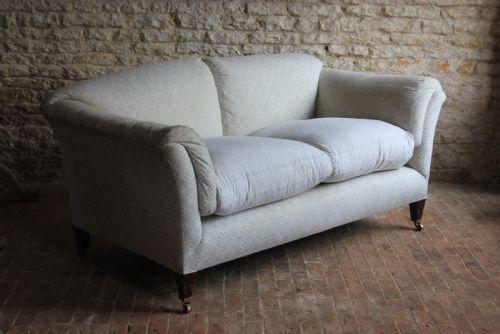
A victorian walnut settee is a two-seater or multi-seat upholstered resting place framed in rich timber, designed for formal reception rooms and intimate conversation corners.
Buyers meet pieces spanning the mid-nineteenth century through to the early twentieth century, incorporating styles from straightforward Victorian forms to Rococo Revival and Georgian Revival interpretations.
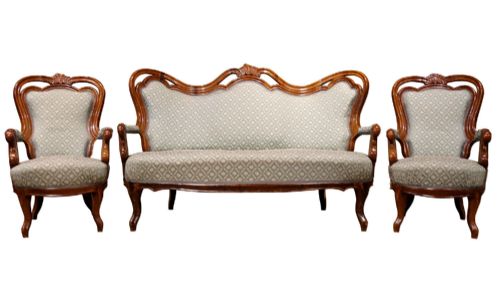
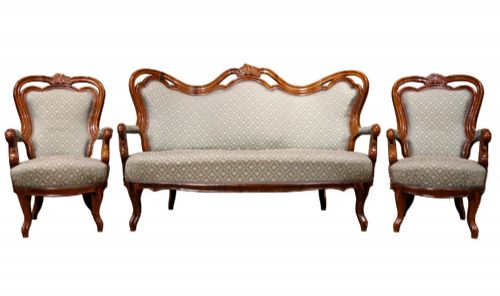
Common variants range from compact love seats and twin chair back sofas to large salon suites complete with matching armchairs and footstools.
How they were made
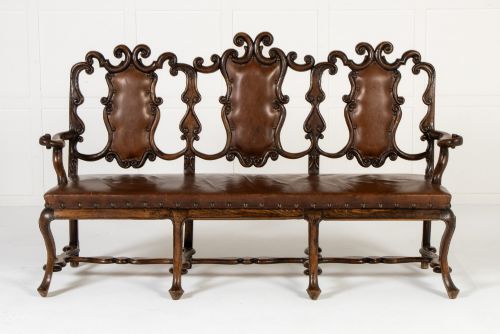
Craftsmen built the structural frames using solid walnut, shaping the timber with elaborate hand-carved motifs, serpentine rails, and exposed wooden contours.
Upholstery techniques combined traditional stuffing with quality textile coverings such as velvet, secured with brass detailing or decorative trims across buttoned backs and sprung seats.
Retail Price Guide 2026
Typical UK retail prices for victorian walnut settee, calculated from the Sellingantiques database of over a million retail prices indexed since 2003. This retail price guide relies exclusively on Sellingantiques data; no external sources or auction records are used, so the figures do not describe the wider market.
Listings feature walnut timber combined with various upholstery fabrics, velvet, brass, and textile elements across several nineteenth-century periods.
What varies in quality
The distinction between ordinary production and finer examples lies in the depth and crispness of the hand-carving upon the walnut frame, alongside the harmonious balance of the curves.
Superior construction shows in the integrity of the timber joinery and the selection of premium upholstery fabrics that complement the period design without overwhelming the woodwork.
The Victorian Walnut Settee Glossary
- Walnut
- A dense, dark timber prized for its rich grain and suitability for intricate carving. It forms the primary structural frame of these settees.
- Button back
- An upholstery style where depressions are created by pulling buttons tight through the padding in a diamond pattern. This method adds both structural tension and visual texture.
- Rococo Revival
- A decorative style popular in the nineteenth century featuring asymmetrical scrolls, floral carvings, and flowing organic lines. It heavily influences many parlour furniture designs.
- Chaise longue
- An elongated upholstered seat intended for reclining, combining the backrest of a settee with an extended foot area. Several examples appear alongside standard sofas.
- Salon suite
- A matching set of seating furniture, including settees, armchairs, and sometimes footstools, designed to furnish a formal drawing room uniformly.
Frequently Asked Questions
Where did these settees stand?
These pieces traditionally occupied the formal drawing room, parlour, or boudoir of a nineteenth-century home. They provided comfortable seating for receiving visitors or engaging in quiet conversation.
Today, they function well as statement pieces in living spaces, hallways, or bedrooms where their timber frames and upholstery can be appreciated.
How do I identify a revival style?
Revival styles borrow specific design vocabulary from earlier centuries, such as the eighteenth-century elements seen in Georgian Revival pieces. Makers adapted these historical motifs to suit nineteenth-century proportions and manufacturing techniques.
Examining the carving style and the treatment of the walnut frame helps distinguish between a strict period piece and a later revival interpretation.
What is a love seat?
A love seat is a compact two-seater settee designed specifically for intimate conversation. These smaller pieces often feature curved frames or specialised configurations like conversation seats.
Their reduced scale makes them versatile for placement in tighter interior spaces where a full-sized sofa would prove too large.
How should I care for the wood?
Walnut frames require gentle dusting with a soft, dry cloth to preserve the polished surface of the timber. Avoid placing the furniture in direct sunlight or near heat sources to prevent the wood from drying out.
Maintaining stable indoor humidity protects both the structural joints of the frame and the integrity of the applied upholstery fabrics.