



Antique Double Chair
An antique double chair brings joined seating and historic presence to a room, offering twin backs or shared wooden frames.
Antique Double Chair
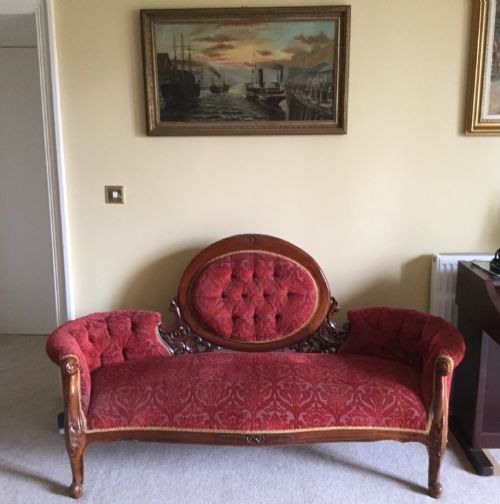
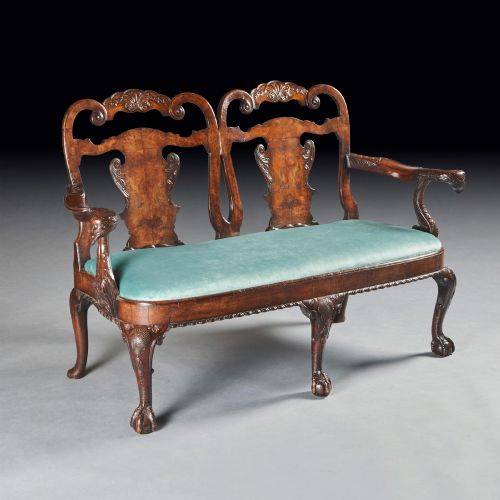
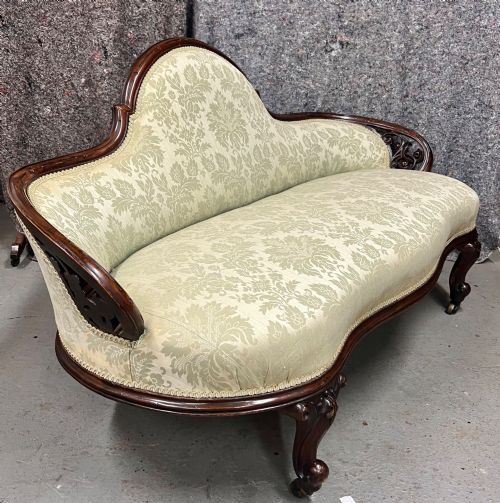
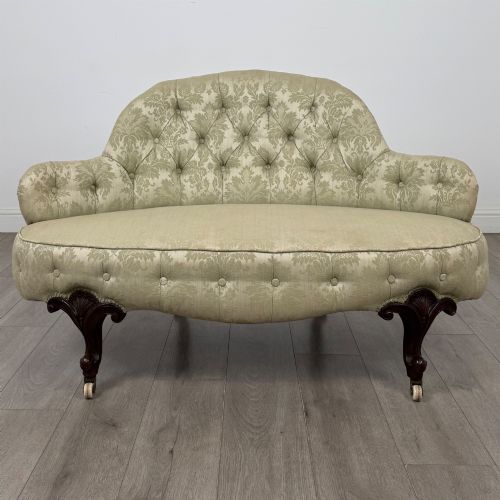
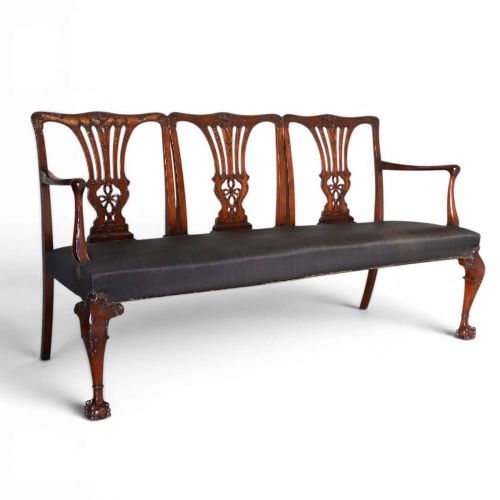
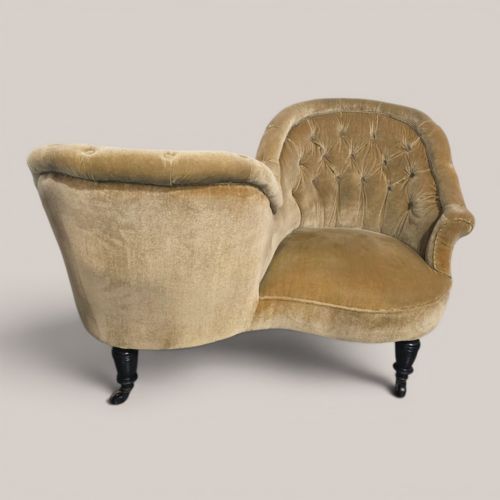
When you search for an antique double chair, you encounter twin-back settees, double-ended sofas, and multi-seat wooden benches originating from the eighteenth century onward. The selection spans walnut and mahogany frames built to Georgian, Victorian, and Edwardian designs, including chair-back settees and conversation seats.
You meet Victorian walnut pieces alongside earlier eighteenth-century mahogany examples and revival pieces from the late nineteenth and early twentieth centuries. These take the form of twin chair backs, double bow armchairs, and carved settees intended for formal reception rooms and parlours.
The category encompasses both upholstered settees covered in damask, velvet, or fabric and open wooden frames showcasing carved mahogany, oak, or birch. Each piece provides dual seating through interconnected chair backs or extended bench forms.
Materials and construction
Joiners and cabinet makers built these frames using dense timbers like mahogany, walnut, oak, and elm, often applying hand-carved details to the crest rails and splats. Brass hardware and structural stretchers added stability to the hardwood frames.
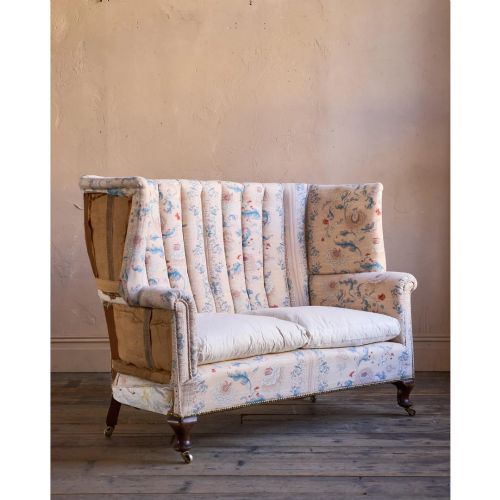
Upholstered variants rely on traditional stuffing and sprung settee bases covered in fabrics such as damask, velvet, and ticking. Showwood frames expose polished hardwood around padded seating sections.
Evaluating craftsmanship
The standard of a double chair rests upon the crispness of its hand carving, particularly along the chair backs, splats, and cabriole legs. Superior examples display precise joinery and well-figured timber grain that remains integral to the frame.
Finer pieces maintain original framing elements and period upholstery methods rather than unsympathetic modern replacements. The balance of proportion between the twin backs and the supporting legs dictates the visual weight of the settee.
Howard & Sons·Boston Chair Company
The Antique Double Chair Glossary
- Chair-back settee
- A form of seating where two or more chair backs join side by side to create a unified settee frame. This design reflects eighteenth-century inspiration adopted by later revival makers.
- Twin-back sofa
- A sofa featuring two distinct backrests united over a single seat base. These typically display matching carved splats or upholstered panels.
- Showwood
- Timber framing left visible around upholstered sections of a sofa or settee. Walnut and mahogany showwood frames often feature moulded edges.
- Conversation seat
- A specialised multi-seat arrangement allowing occupants to sit facing different directions. Victorian examples frequently incorporate turned barley twist supports.
- Double bow armchair
- An armchair constructed with two arched bow-shaped wooden rails supporting the backrest and arm structure. Elm and yew woods commonly form these regional Windsor designs.
Antique Double Chair: Frequently Asked Questions
Where were antique double chairs placed?
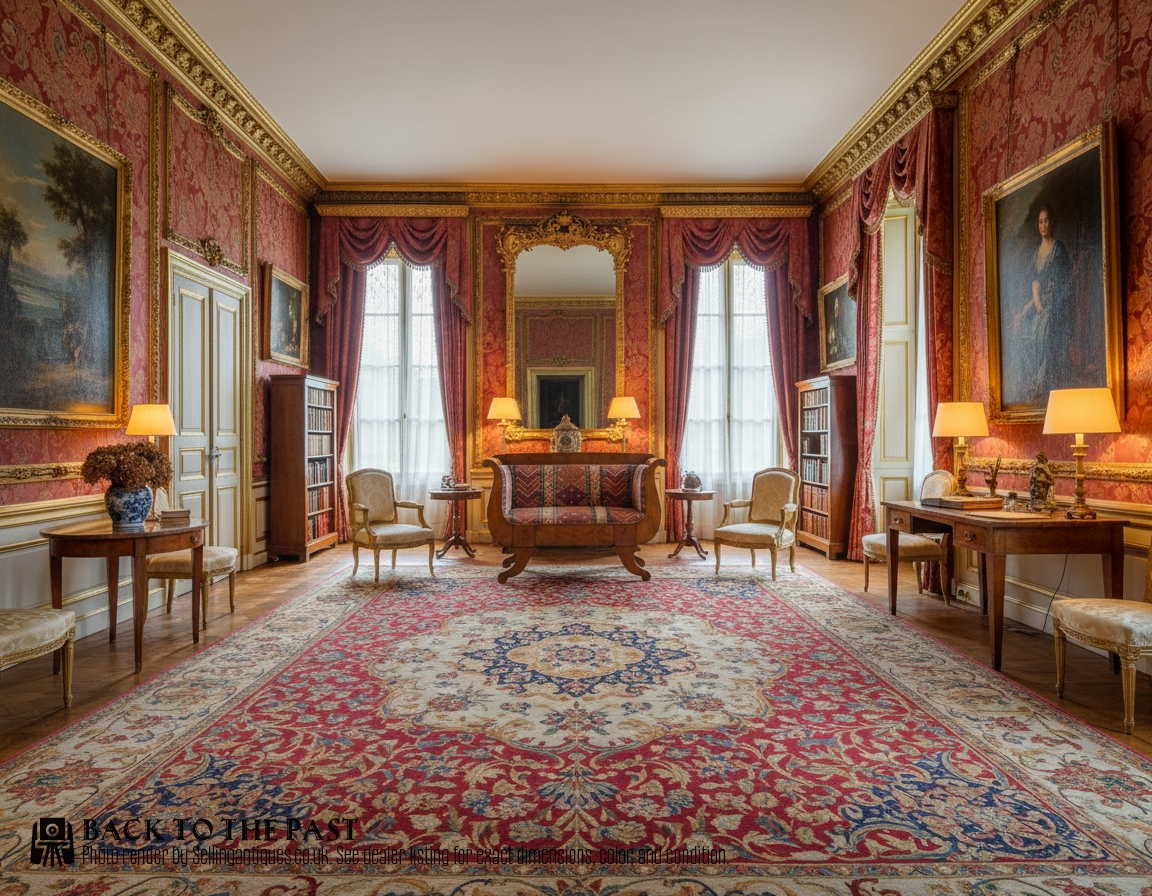
These pieces sat in drawing rooms, parlours, and large reception halls where dual seating accommodated social gatherings. Their elongated proportions suited placement against principal walls or beneath tall windows.
Smaller variants also served in intimate sitting rooms or as centrepieces for conversation areas within larger domestic interiors.
How do I distinguish revival styles from earlier periods?
Revival pieces from the late nineteenth and early twentieth centuries often employ machine assistance alongside traditional hand tools, yielding cleaner wood surfaces and standardised joinery. Examining the timber patination, wear patterns, and internal construction methods clarifies the true age.
Earlier eighteenth-century and early nineteenth-century pieces display tool marks and structural idiosyncrasies consistent with period workshop practices.
What fabrics appear on upholstered examples?
Upholstery ranges from deep pile brocade and damask to velvet and traditional ticking fabric. Many pieces have undergone re-upholstering using period-appropriate textiles to preserve their visual character.
Original fabric survivals are scarce due to natural wear over the decades.
Are these seats comfortable for daily use?
Many double chairs and settees feature sprung bases and padded backs designed for upright sitting rather than deep lounging. Their ergonomic design reflects the formal posture requirements of the Victorian and Georgian eras.
Placing scatter cushions can adjust the lumbar support to suit contemporary sitting preferences.