





Italian Rococo Furniture
Italian rococo furniture brings dynamic carved forms and rich gilding into a room, offering theatrical presence and centuries of craftsmanship.
What Italian rococo furniture is
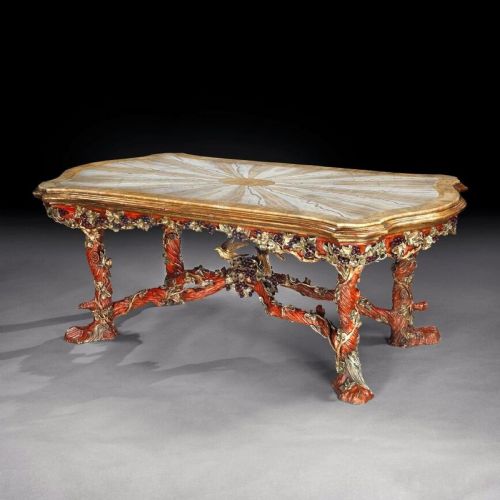
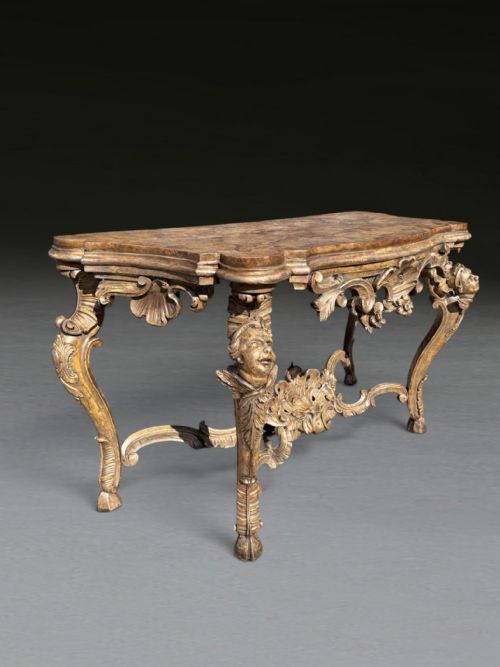
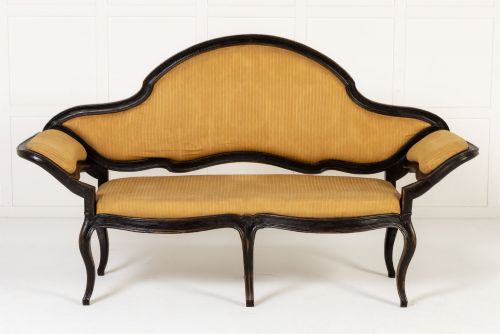
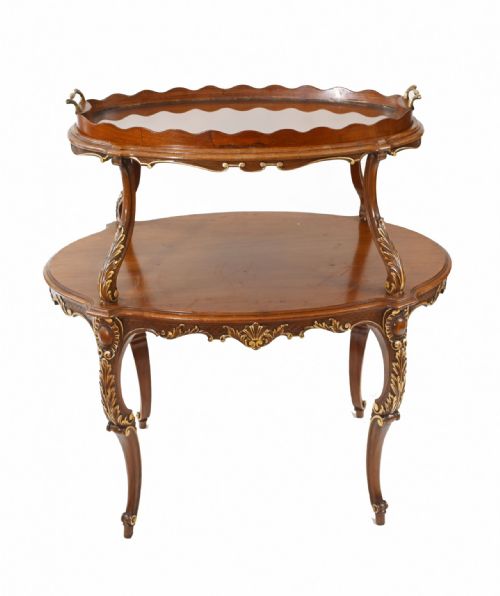
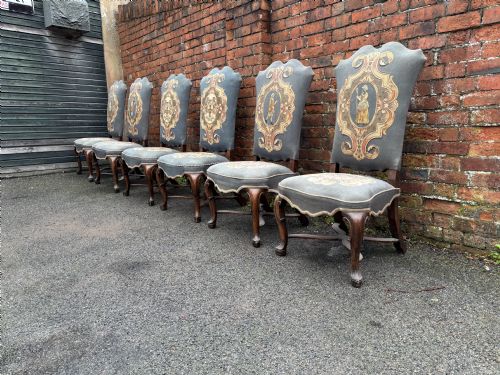
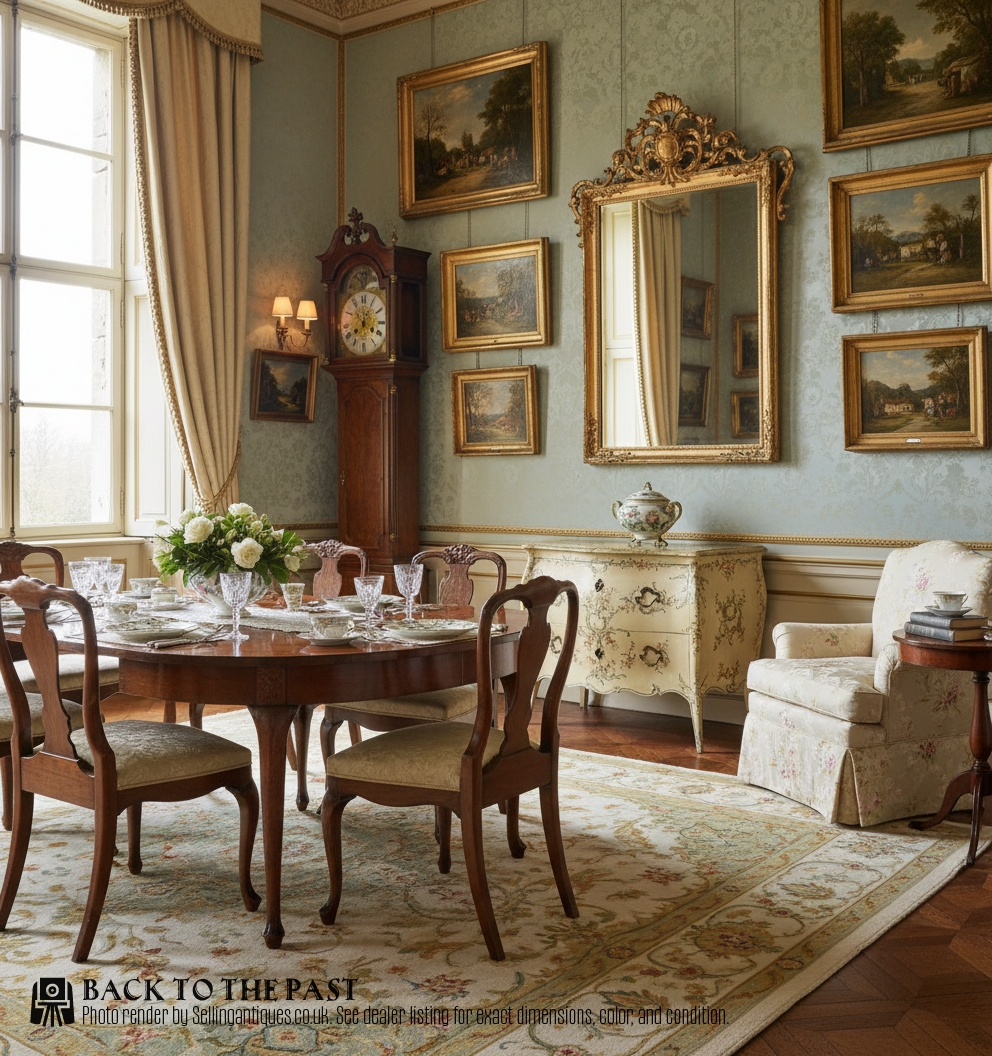
Italian rococo furniture encompasses sculptural seating, case furniture, and decorative tables shaped by the exuberant artistic movements of the eighteenth century. When you search for italian rococo furniture, you encounter pieces designed to create dramatic focal points in grand interiors through asymmetrical lines and elaborate ornamentation.
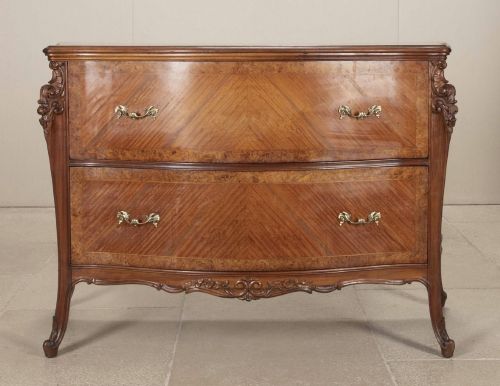
The selections on this page span several forms and centuries, ranging from eighteenth-century originals to later nineteenth-century interpretations. You will find practical items such as bureau bookcases and commodes alongside decorative console tables, book troughs, sofas, and armchairs.
Origins represented in the current selection include Venetian workshops and broader Italian traditions. These pieces reflect regional tastes, utilising local timbers and distinct finishing techniques that define the domestic architecture of the period.
How they were made
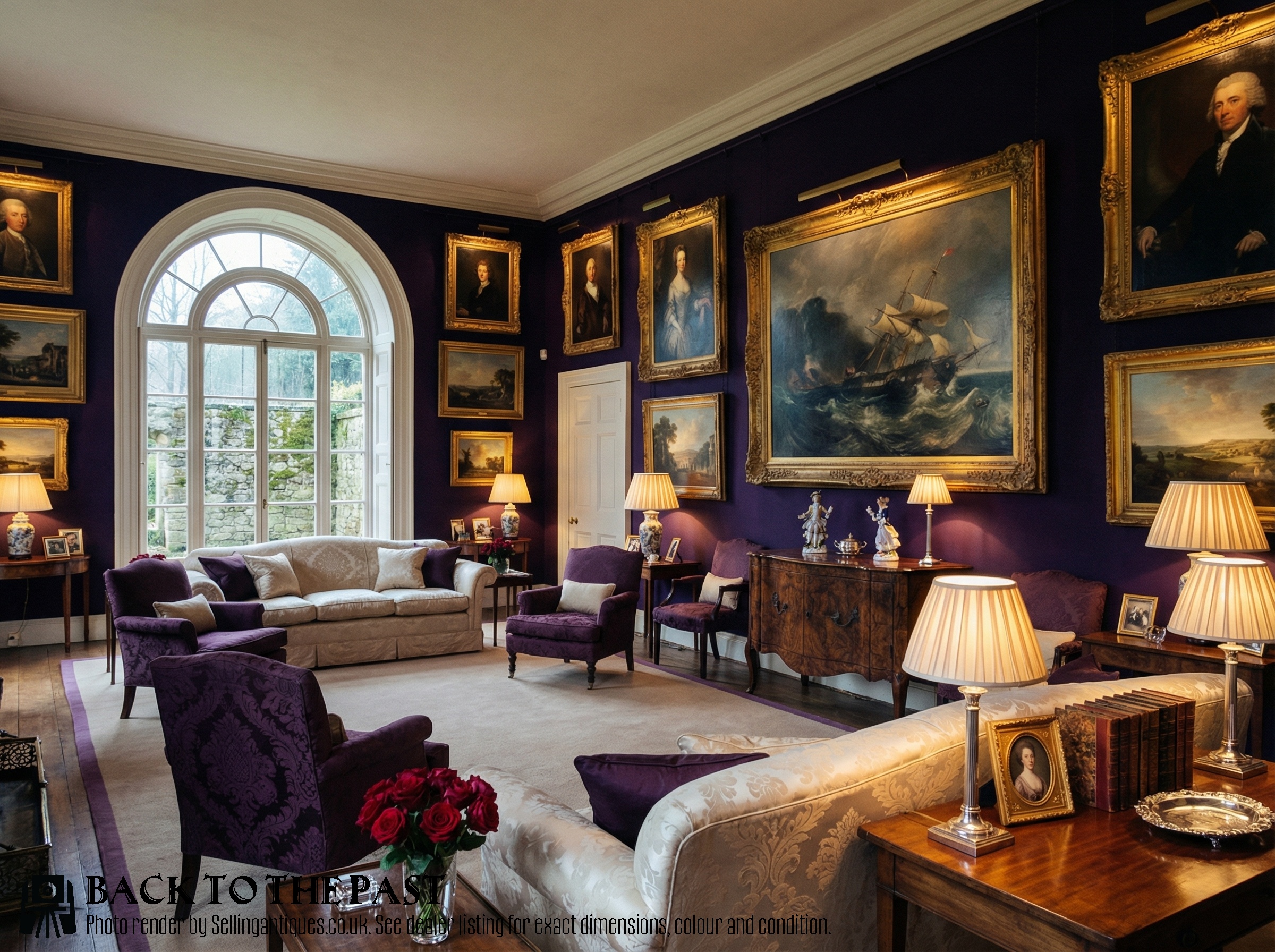
Cabinetmakers and carvers utilised traditional timbers such as walnut for structural integrity and fine surface grain. These woods were shaped using hand tools to create the characteristic curved outlines and cabriole legs associated with the style.
Giltwood and gilded wood finishes required applying thin layers of gold leaf over prepared grounds on carved wooden foundations. Painted surfaces and fabric or velvet upholstery completed the decorative scheme, adding tactile richness to armchairs, sofas, and commodes.
Retail Price Guide 2026
Typical UK retail prices for italian rococo furniture, calculated from the Sellingantiques database of over a million retail prices indexed since 2003. This retail price guide relies exclusively on Sellingantiques data; no external sources or auction records are used, so the figures do not describe the wider market.
Object forms include book troughs, bureau bookcases, commodes, console tables, sofas, and armchairs.
What varies in quality
The refinement of the hand carving separates standard examples from exceptional pieces, as skilled artisans achieved deeper relief and more fluid movement in wood and giltwood. The sharpness of detail in scrollwork and foliage indicates the level of care invested by the original maker.
Proportion and structural harmony define the upper tier of these items, where balance remains intact despite the exuberant ornamentation. Material selection, from the choice of walnut timber to the quality of the applied gilding and glass elements, further establishes the standing of an individual piece.
The Italian Rococo Furniture Glossary
- Giltwood
- Wood that has been coated with gold leaf or gold paint. This finish creates a reflective, luminous surface on console tables and seating frames.
- Commode
- A decorative chest of drawers designed during the eighteenth century. These pieces often feature serpentine fronts and elaborate carving.
- Bureau bookcase
- A combination of a sloping desk and a shelved upper cabinet. These functional case pieces provide enclosed storage and writing space.
- Console table
- A table designed to stand against a wall, frequently supported by sculpted brackets or legs. They often feature marble tops or intricate giltwood frames.
Frequently Asked Questions
What is Italian rococo furniture?
It refers to decorative furnishings produced in Italy during the eighteenth century and later revivals, characterised by asymmetrical carved forms and ornate finishes.
These pieces include seating, tables, and storage cabinets designed to display status and artistic flair within domestic spaces.
How do I use a console table?
Console tables function well against walls in hallways, living rooms, or dining areas. They provide a surface for decorative objects or lighting.
Because many feature elaborate carved frames and giltwood, placing them where they catch natural light enhances their visual impact.
How do I care for giltwood?
Giltwood surfaces require gentle dusting with a soft, dry cloth to prevent accumulation without disturbing the delicate gold leaf. Avoid moisture and direct sunlight to preserve the finish.
Keeping these pieces in stable indoor environments protects the underlying gesso and wood from movement.
Are these pieces from the eighteenth century?
The inventory includes items created in the eighteenth century alongside nineteenth-century interpretations. Each listing specifies the period or estimated date of manufacture.
Examining the construction methods and materials helps identify whether a piece originates from the primary period or later revivals.