

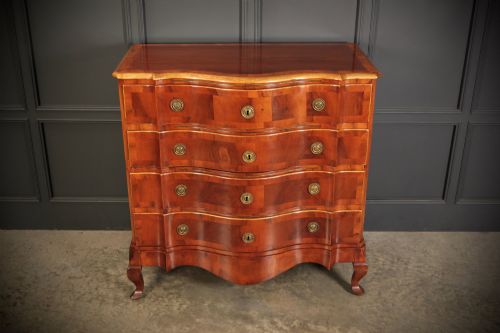
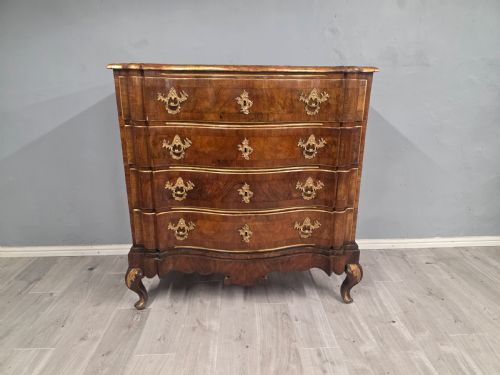
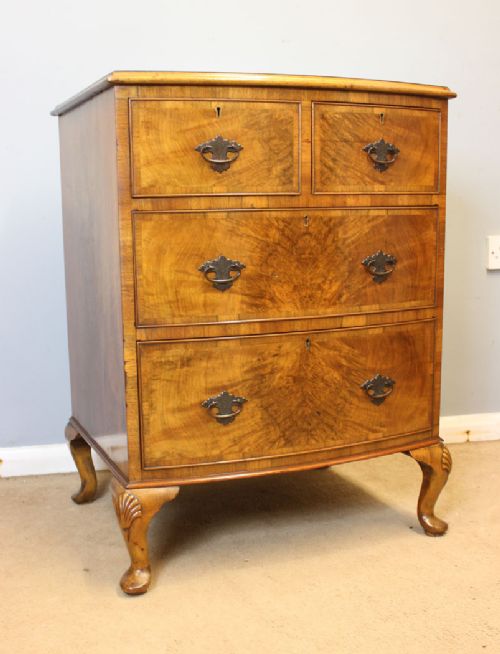
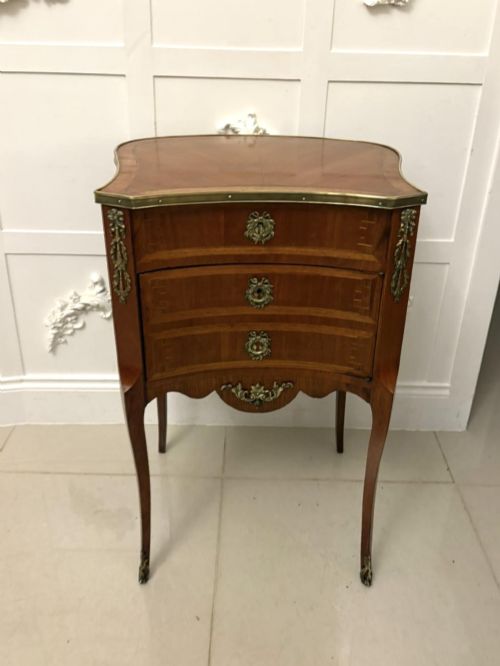
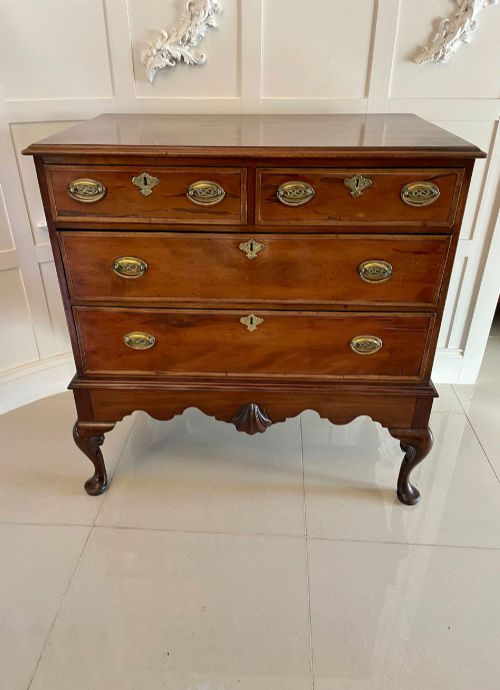
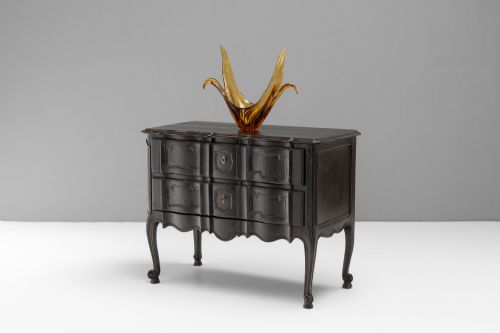
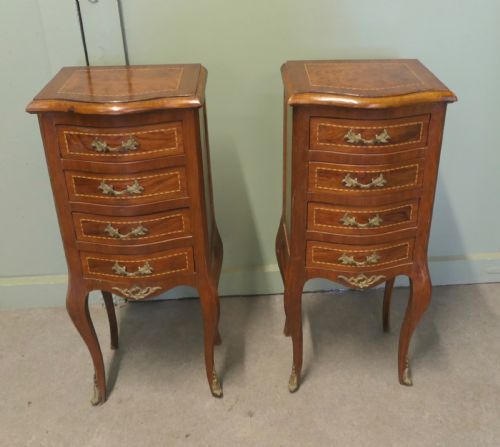
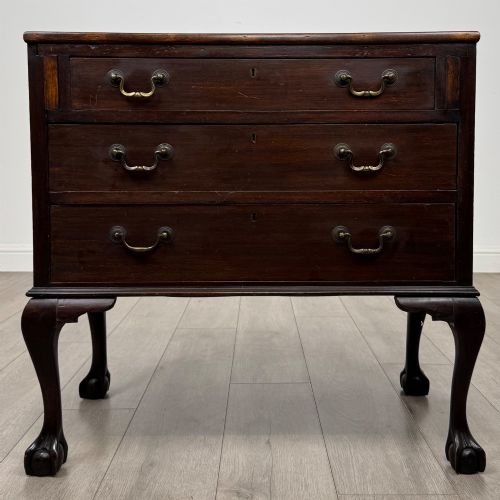
Cabriole Leg Commode
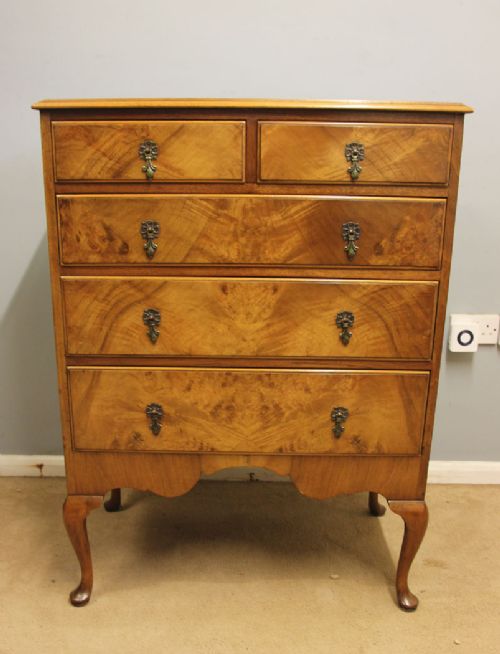
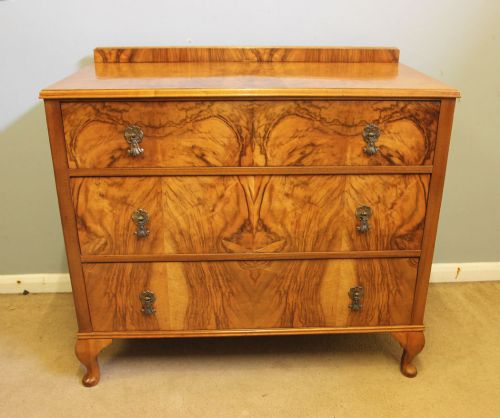
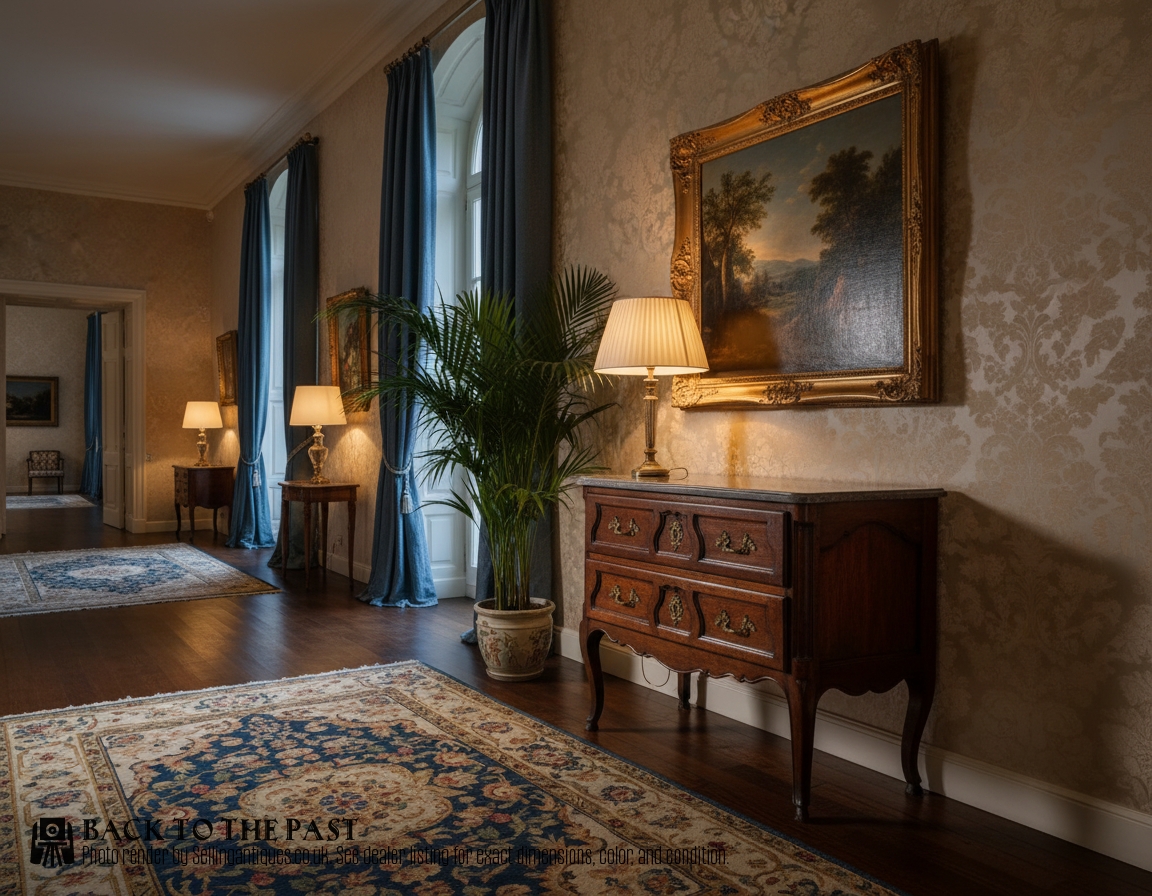
These pieces stand on graceful curved supports and offer deep storage, making a cabriole leg commode a striking focal point for any bedroom.
Cabriole Leg Commode
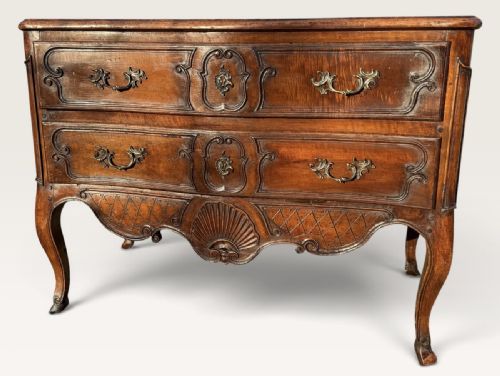
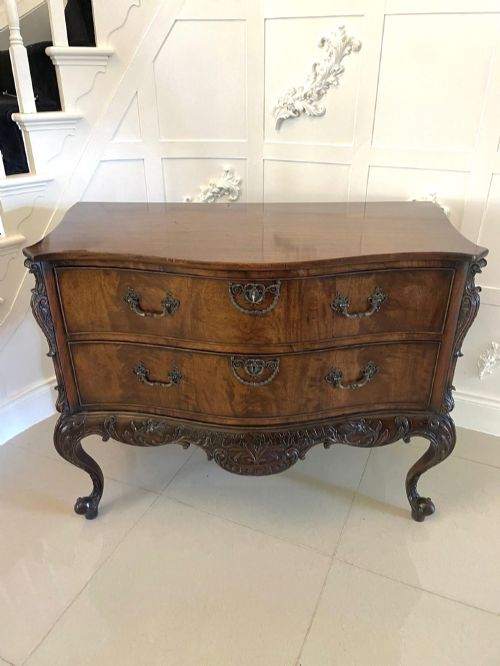
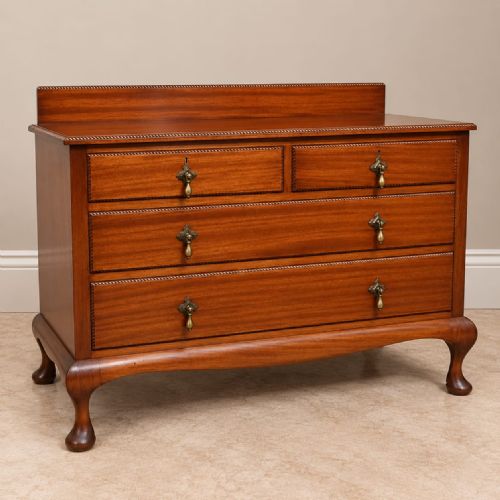
When you search for a cabriole leg commode, you encounter a variety of storage furniture resting on distinctive curved legs. The selection spans formal 18th century examples to revival pieces from the Edwardian era and the early decades of the twentieth century.
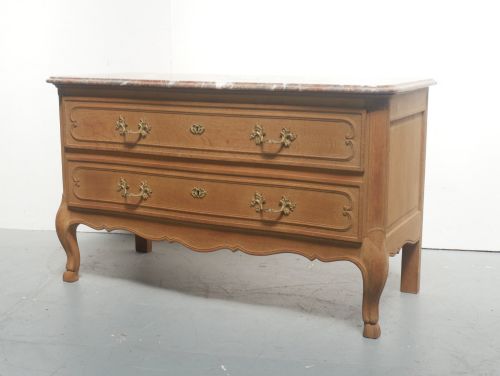
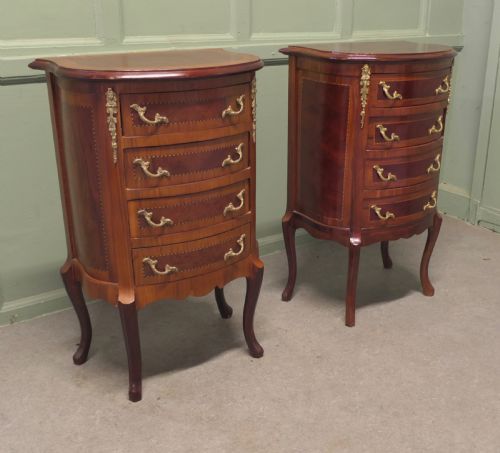
The form stretches from substantial walnut serpentine chests to smaller bedside cabinets, side tables, and French provincial commodes. Walnut, mahogany, and cherrywood provide the primary structures for these low drawer units.
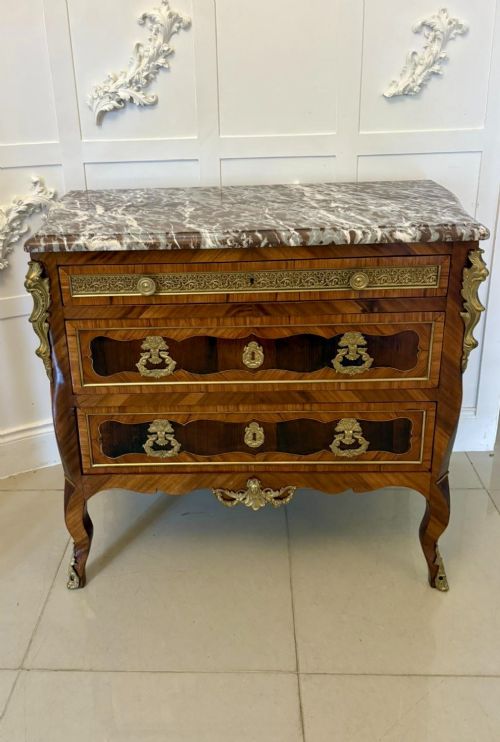
Continental influences dominate the selection, with numerous French Louis XV style and marquetry inlaid pieces appearing alongside traditional British designs. Marble tops and ornate ormolu mounts frequently accompany the woodwork on these continental forms.

Materials and construction methods
Cabinetmakers utilised rich timber veneers including burr walnut, kingwood, and figured mahogany applied over solid oak or pine carcases. Marquetry inlay adds intricate floral and geometric detail to the surfaces of many continental pieces.
Marble slabs rest atop numerous French commodes and bedside cabinets, providing a durable and decorative working surface. Ormolu mounts and brass hardware accent the corners, drawer pulls, and locks of finer examples.
Cabriole Leg Commode Retail Price Guide 2026
Typical asking prices for cabriole leg commode among the pieces listed under this phrase on Sellingantiques today, from the lower quarter to the upper quarter. They describe what is for sale here now, not the wider market.
Some bedside cabinets arrived in matched pairs, proving that even eighteenth-century nobility appreciated symmetry when waking up.
Distinctions in craftsmanship
The fineness of the carving on the knee and foot of the cabriole support separates standard production from superior cabinetwork. Crisp lines in the marquetry inlay and well-fitted drawer linings indicate greater skill in the workshop.
Selected veneer matching across drawer fronts creates a coherent visual rhythm that lesser pieces lack. The integration of heavy marble tops and substantial cast ormolu mounts points to higher status commissions.
The Cabriole Leg Commode Glossary
- Cabriole leg
- A furniture support that curves outward at the knee and tapers inward to an ankle, mimicking an animal's limb. This design originated in antiquity and gained widespread popularity during the eighteenth century.
- Marquetry
- Decorative patterns formed by fitting together thin slices of various coloured woods and veneers onto a carcase. Craftsmen utilise this technique to create elaborate floral or pictorial scenes.
- Ormolu
- Gilt bronze ornamentation applied to the mounts, handles, and feet of fine furniture. The technique involves coating bronze with a finely ground mercury and gold amalgam before heating.
- Serpentine front
- A furniture facade shaped with a convex centre flanked by two concave curves. This undulating line requires precise woodworking skill to execute properly.
- Commode
- A low chest of drawers or cabinet designed for domestic storage. The term derives from the French word for convenient.
Cabriole Leg Commode: Frequently Asked Questions
What is a cabriole leg commode?
A cabriole leg commode is a low storage chest or cabinet that rests upon curved, animal-inspired supports. These pieces range from grand eighteenth-century walnut examples to smaller twentieth-century bedside tables.
They serve primarily as decorative storage units in bedrooms, hallways, and living spaces, offering surface display areas alongside enclosed drawer space.
How do I date a wooden commode?
Dating relies on examining the timber species, construction joints, hardware, and decorative styles present on the piece. Eighteenth-century examples often display hand-cut dovetails and native timbers like walnut or mahogany, while later revival pieces from the Edwardian period or the twentieth century utilise different secondary woods and machine-cut elements.
Comparing the overarching design to known stylistic periods, such as Louis XV or Queen Anne, provides a reliable framework for determining age.
Are marble tops original to these cabinets?
Marble tops frequently accompany French commodes and bedside cabinets dating from the nineteenth and early twentieth centuries. These stone slabs were chosen for their durability and decorative contrast against woods like kingwood, walnut, and mahogany.
Inspecting the seating of the marble within the wooden frame helps confirm whether the top belongs to the original construction.
How do I care for antique walnut furniture?
Antique walnut requires consistent indoor humidity levels and protection from direct sunlight to prevent the timber and veneers from drying out or fading. Gentle dusting with a soft, dry cloth preserves the finish without building up heavy chemical residues.
Occasional application of appropriate wax feeds the wood and maintains the natural lustre of the polished surface.