
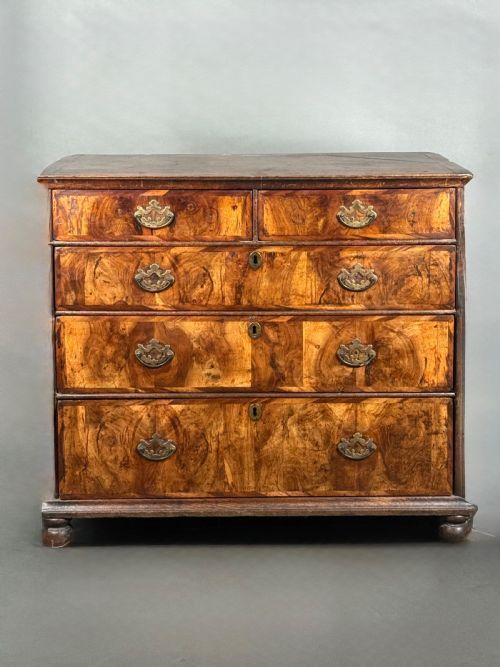
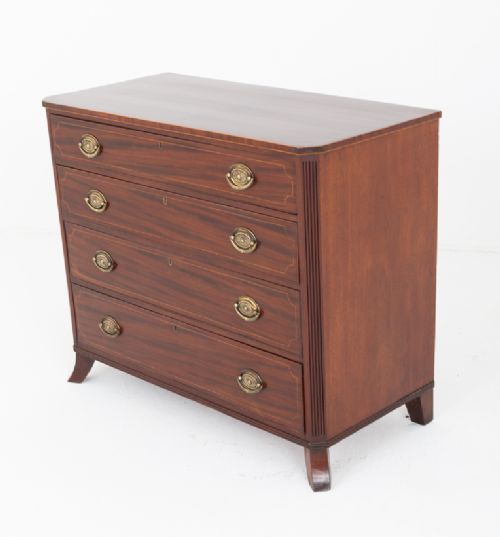
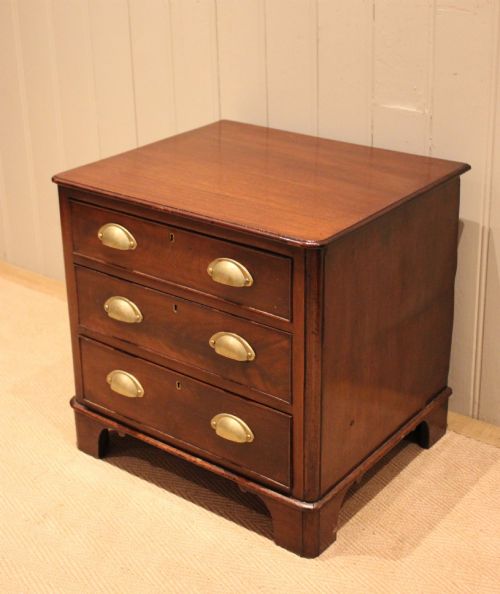
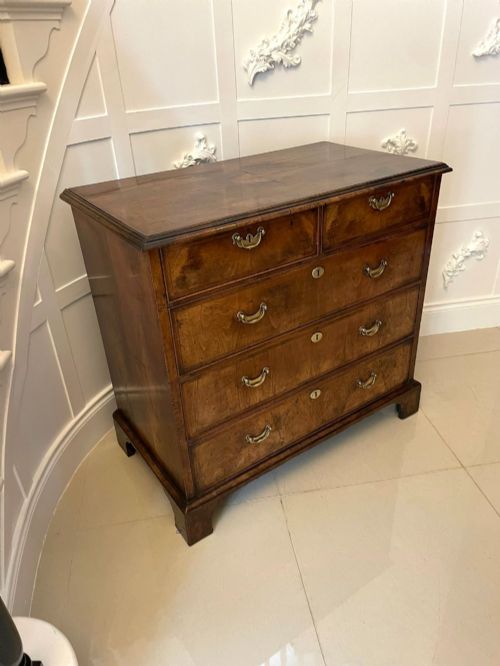


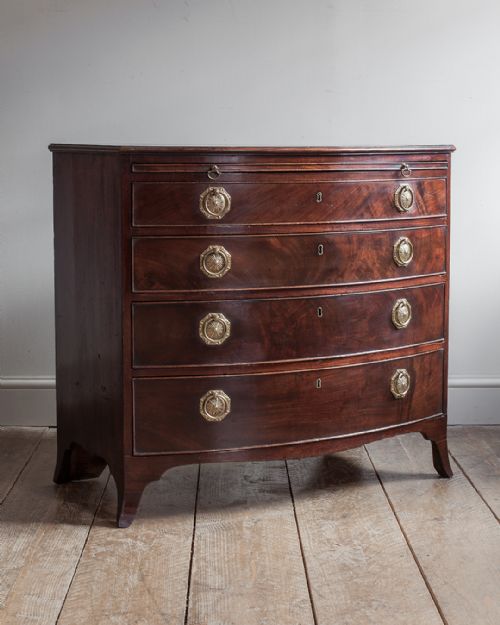
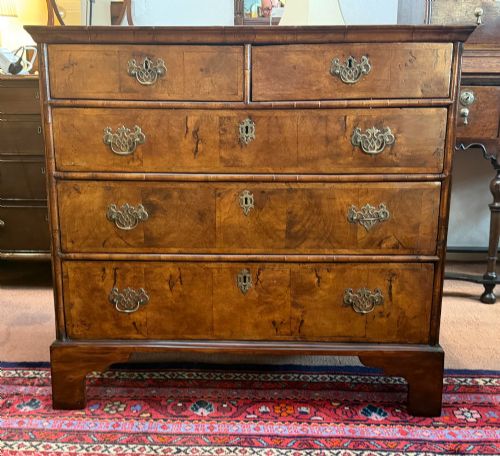
Brass Handle Commode
A brass handle commode offers substantial storage topped with distinctive hardware, bringing period presence and practical utility to any room.
What these pieces are
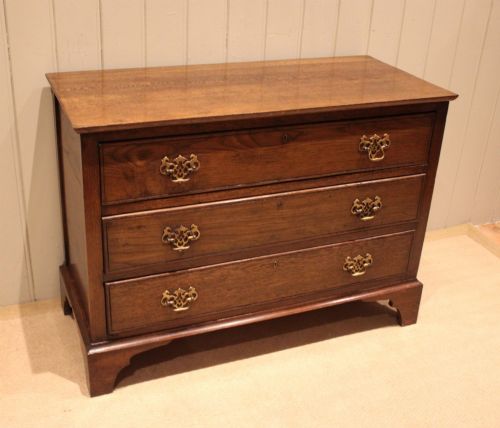
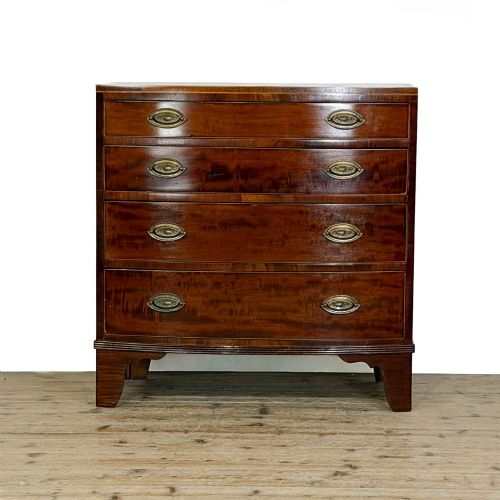
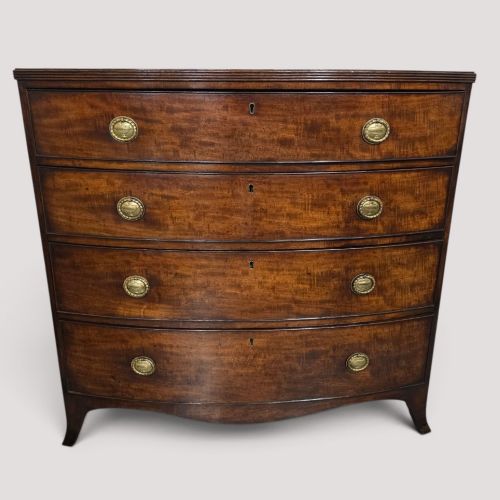
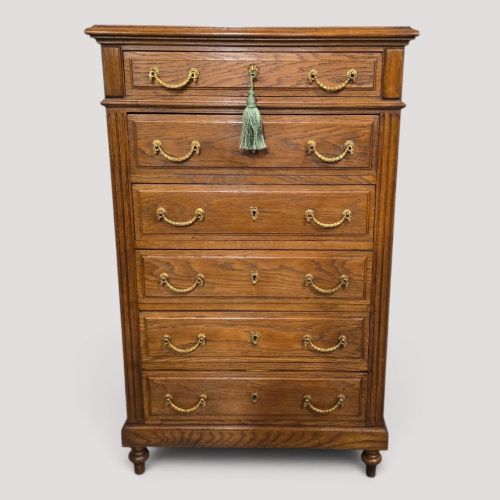
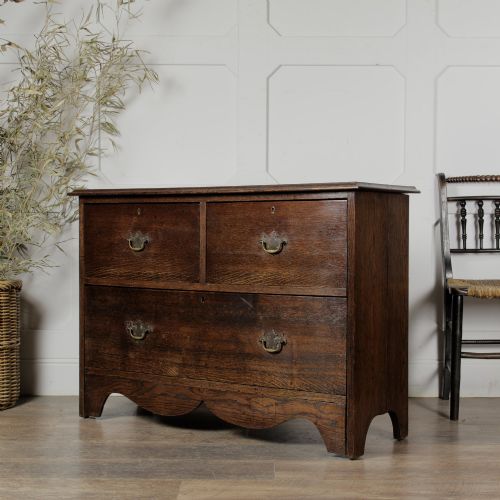
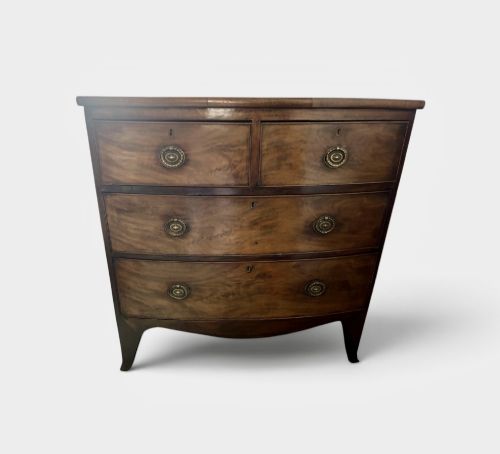
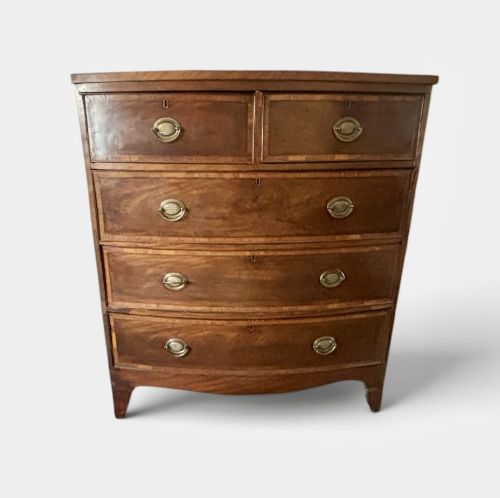
A brass handle commode is a chest of drawers or commode featuring prominent brass handles, appearing primarily in 18th century, 19th century, 1900, and 1920 forms. These pieces serve as functional storage units with deep drawers and decorative silhouettes.
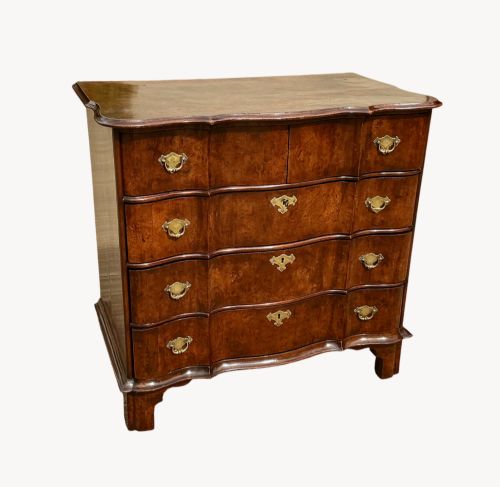
The selections span French Provincial, Dutch Provincial, Queen Anne Style, French Neoclassical, Portuguese Rococo, and George III styles. Buyers encounter serpentine fronts, marble tops, and compact decorative painted examples.
Originating largely from European workshops, these chests range from robust oak and walnut to flame mahogany and painted timber. Each piece reflects regional cabinetry traditions from France, Holland, Portugal, and Britain.
How they were made
Cabinetmakers constructed these chests using solid oak, walnut, mahogany, burr walnut, and painted timber. Panels and frames were joined using traditional woodworking techniques suited to each regional style.
Surfaces received various treatments, from polished flame mahogany and figured walnut to decorative painted wood and paint finishes. Marble slabs were fitted accurately to the tops of specific neoclassical and French models.
Hardware consists of brass handles and mounts secured through the drawer fronts and cabinet doors. Metalwork was cast and chased to complement the timber grain and carved details.
Retail Price Guide 2026
Typical UK retail prices for brass handle commode, calculated from the Sellingantiques database of over a million retail prices indexed since 2003. This retail price guide relies exclusively on Sellingantiques data; no external sources or auction records are used, so the figures do not describe the wider market.
Some provincial drawers open with a satisfying woody creak that has survived three centuries of daily use.
What varies in quality
Quality rests in the selection of timbers, such as figured burr walnut and flame mahogany, paired with the sophistication of the carving and serpentine shaping. Superior examples display harmonious proportions and precise joinery across drawer construction.
The integration of original brass hardware and fitted marble tops elevates a piece. Finer commodes maintain crisp detailing in their provincial or neoclassical ornamentation without relying on later replacements.

The Brass Handle Commode Glossary
- Serpentine
- A curved furniture front featuring a convex centre flanked by concave ends. This undulating shape requires advanced woodworking skill.
- Commode
- A low chest of drawers or cabinet used for storage. The term frequently applies to continental European drawer units.
- Flame mahogany
- A veneer cut from mahogany logs where the grain creates a flamy, flickering pattern. It appears on polished neoclassical and 19th century pieces.
- Burr walnut
- Timber taken from a walnut tree growth, producing intricate swirling patterns. It is highly valued for high-end decorative veneering.
- Marble top
- A stone slab fitted to the upper surface of a chest. It provides a durable, cool work or display surface.
Frequently Asked Questions
What is a brass handle commode?
A brass handle commode is a drawer chest featuring prominent metal hardware, functioning as a primary storage piece in bedrooms and living spaces.
These units appear in styles ranging from French Provincial to George III, utilising oak, mahogany, walnut, and painted timber.
How do I style a commode?
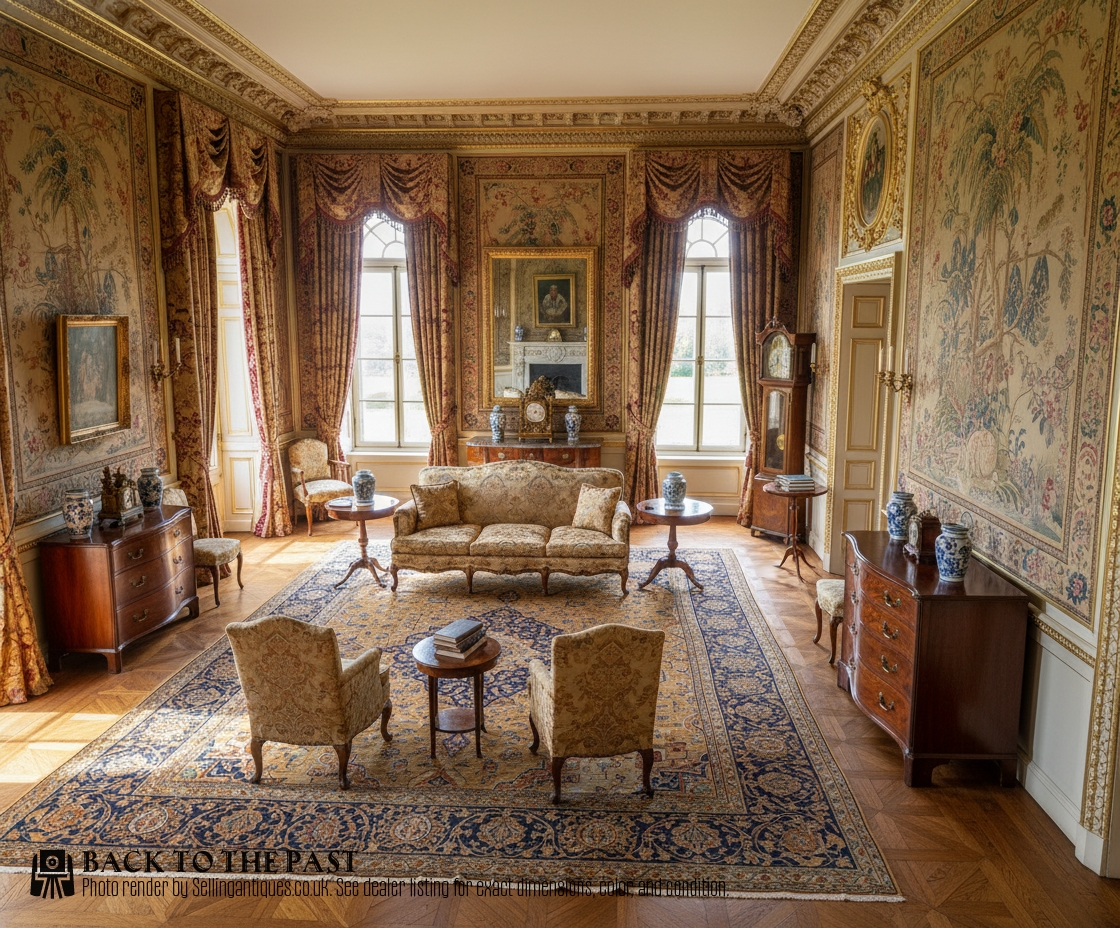
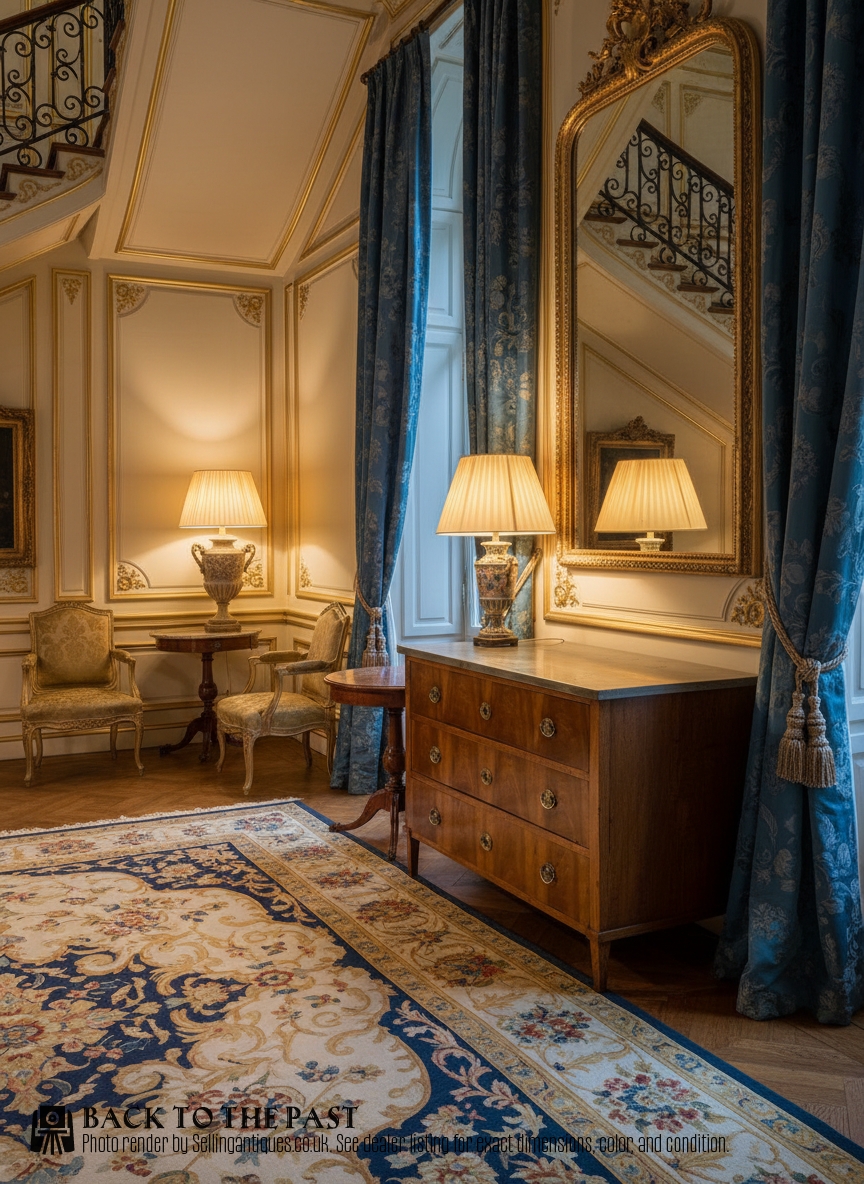
Place a commode against a principal wall in a hallway, bedroom, or living room to anchor the space. The flat top accommodates lamps, mirrors, or decorative objects.
Ensure the surrounding furniture complements the period style and wood tone of the specific chest.
Are these commodes French or English?
The selection includes pieces from various European origins, prominently featuring French, Dutch, and Portuguese provincial and neoclassical designs alongside British George III examples.
Regional differences appear in the carved motifs, leg shapes, and choice of primary timbers.
What woods were used?
Cabinetmakers utilised oak, walnut, mahogany, burr walnut, and painted timber. Some examples feature decorative painted surfaces rather than exposed grain.
Selection depended on the period and the regional workshop traditions of the maker.
Do all commodes have marble tops?
Only specific French and neoclassical models feature fitted marble tops. Many other examples display solid timber tops matching the primary construction wood.
The presence of marble generally indicates a continental origin, particularly from 19th century France.