
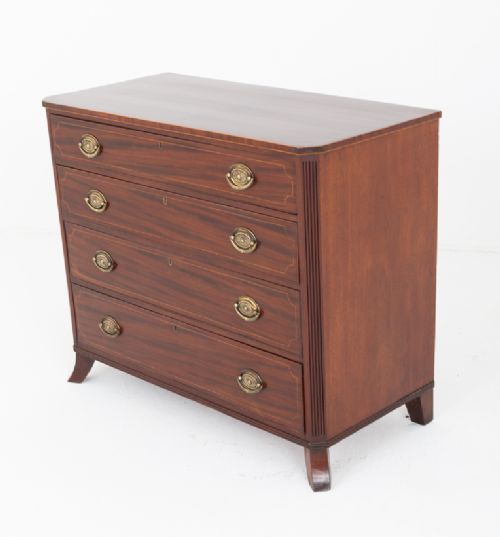
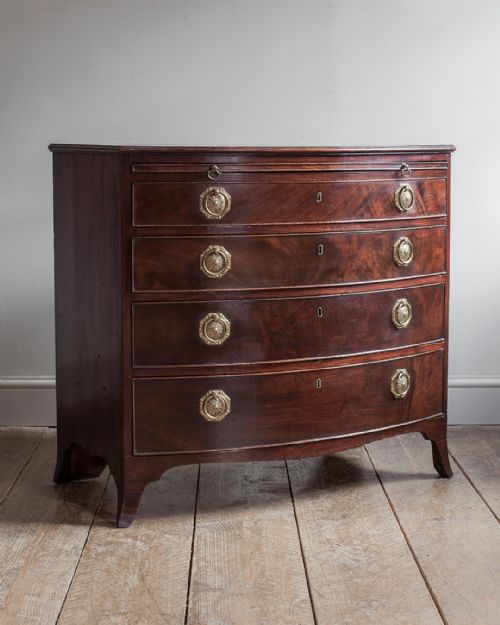
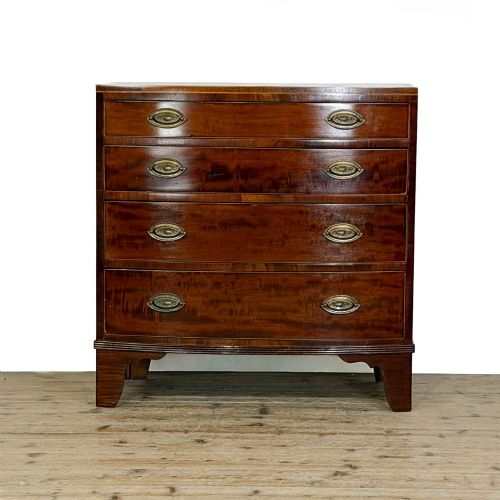
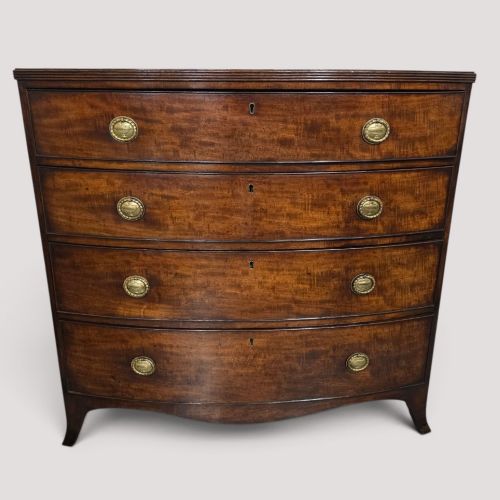

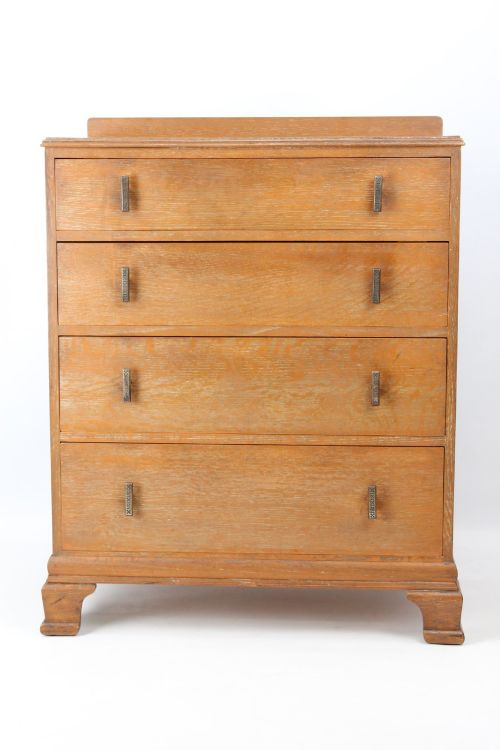
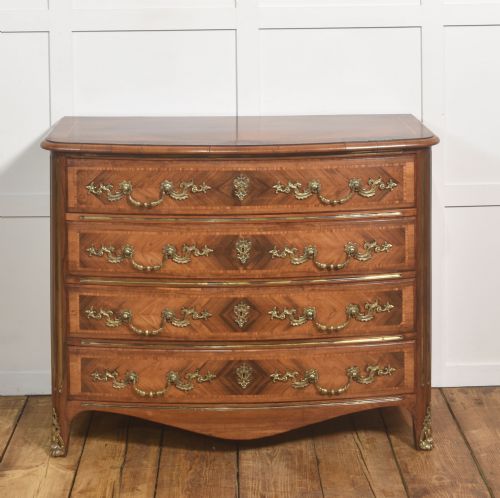
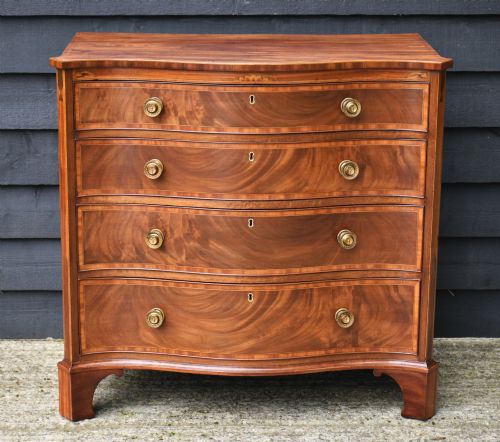
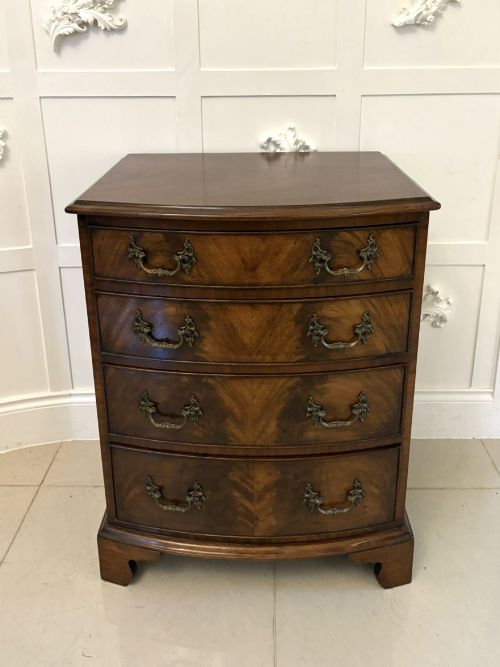
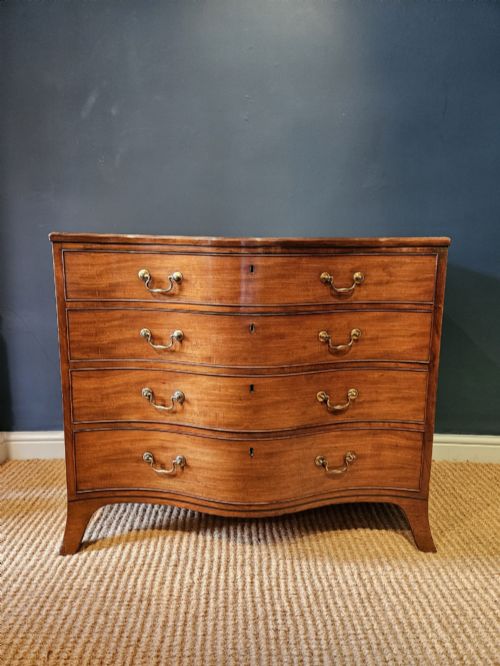
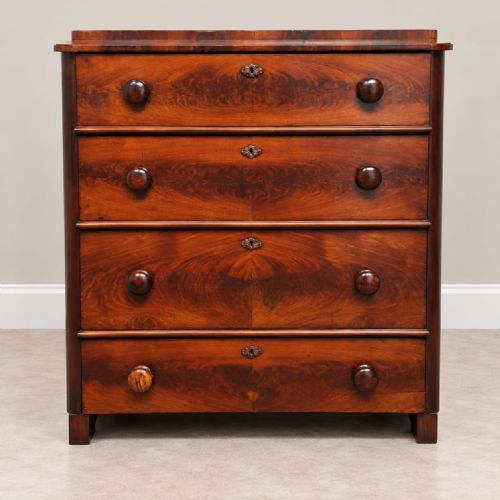
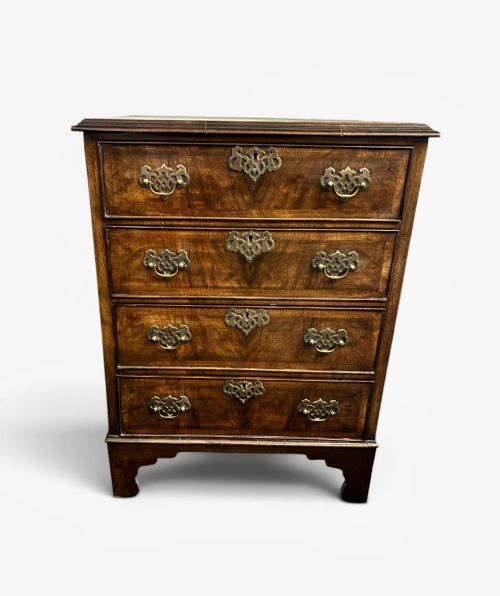
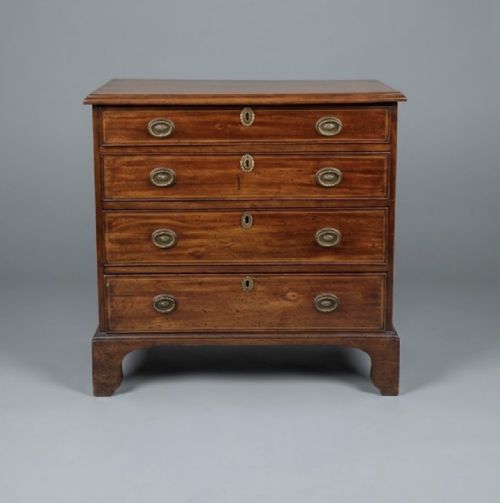
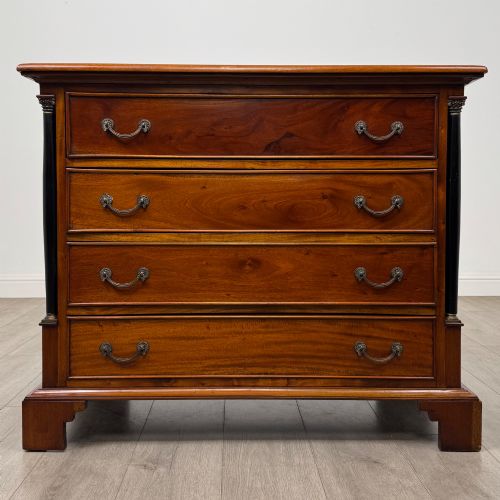
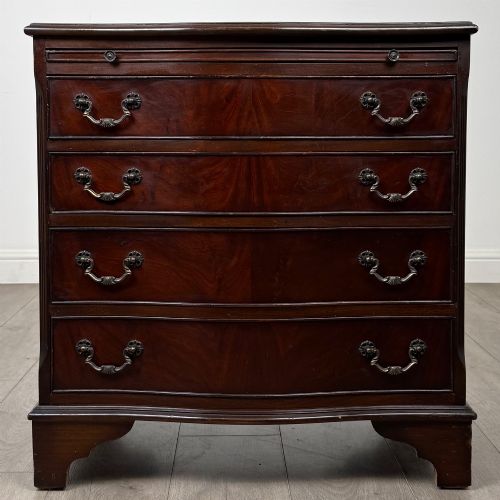
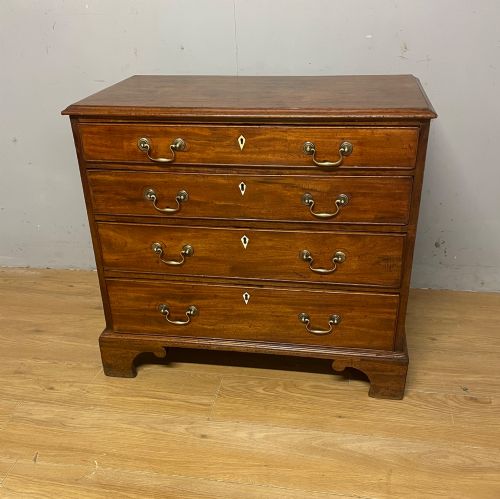
Four Drawer Commode
A four drawer commode brings formal storage into a room, offering the structured capacity of a traditional chest.
Four Drawer Commode
A four drawer commode provides domestic storage through graduated tiers of drawers, forming a substantial case piece for bedrooms and reception rooms. When searching for a four drawer commode, buyers encounter designs spanning the eighteenth, nineteenth and early twentieth centuries.
The material record shows a strong presence of mahogany alongside walnut, oak, pine, and painted surfaces. Forms range from straight-fronted carcases to curved bow fronts, serpentine shapes, and occasional miniature sizes.
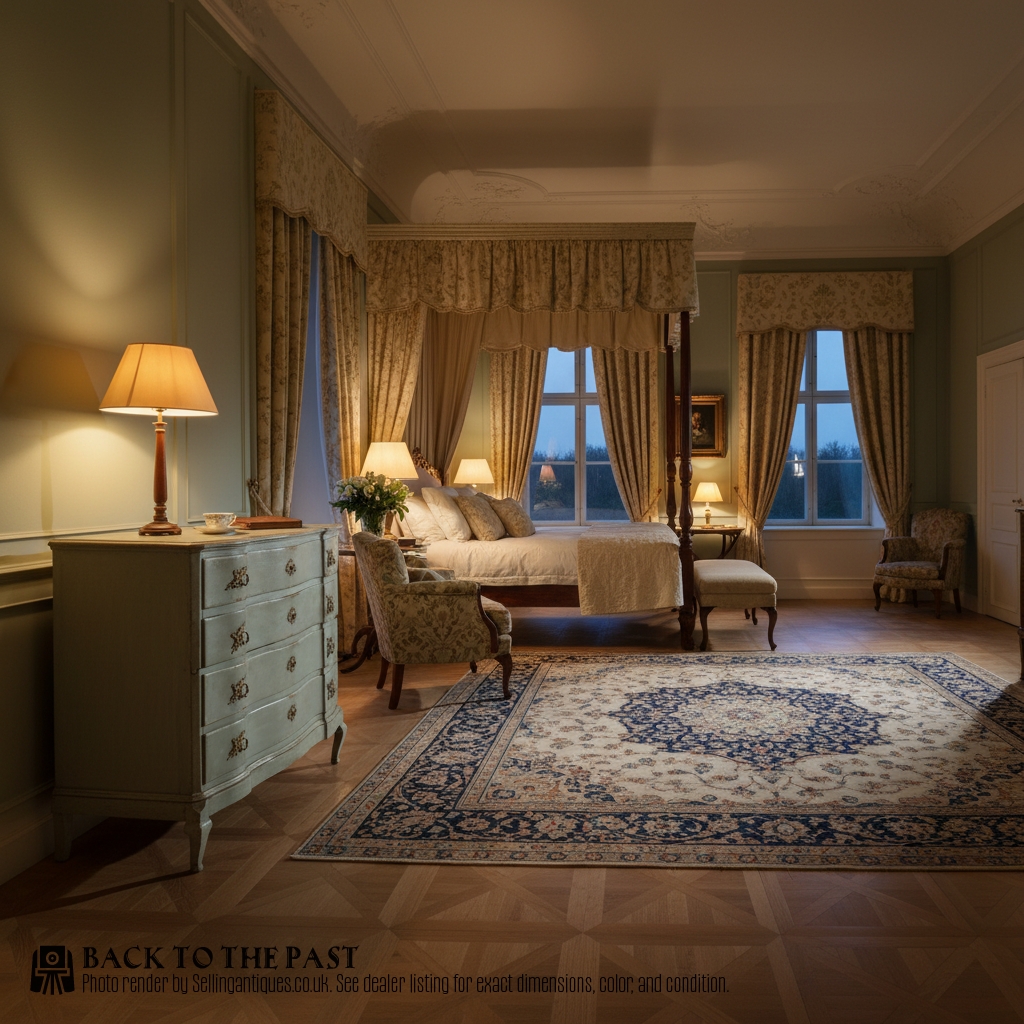
Judging Quality and Execution
Distinctions in quality rest upon the crispness of the timber figuring, the precision of the dovetail joinery in the drawer construction, and the integrity of the original hardware. Superior examples display thoughtful proportions, balanced grain matching on drawer fronts, and careful shaping to serpentine or bow front profiles.
Lesser pieces exhibit simpler construction, replaced handles, or heavy alterations to the original timber surfaces.
Four Drawer Commode Retail Price Guide 2026
Typical asking prices for four drawer commode among the pieces listed under this phrase on Sellingantiques today, from the lower quarter to the upper quarter. They describe what is for sale here now, not the wider market.
Listings feature periods from the Georgian era through the Victorian, Edwardian, and Art Deco years.
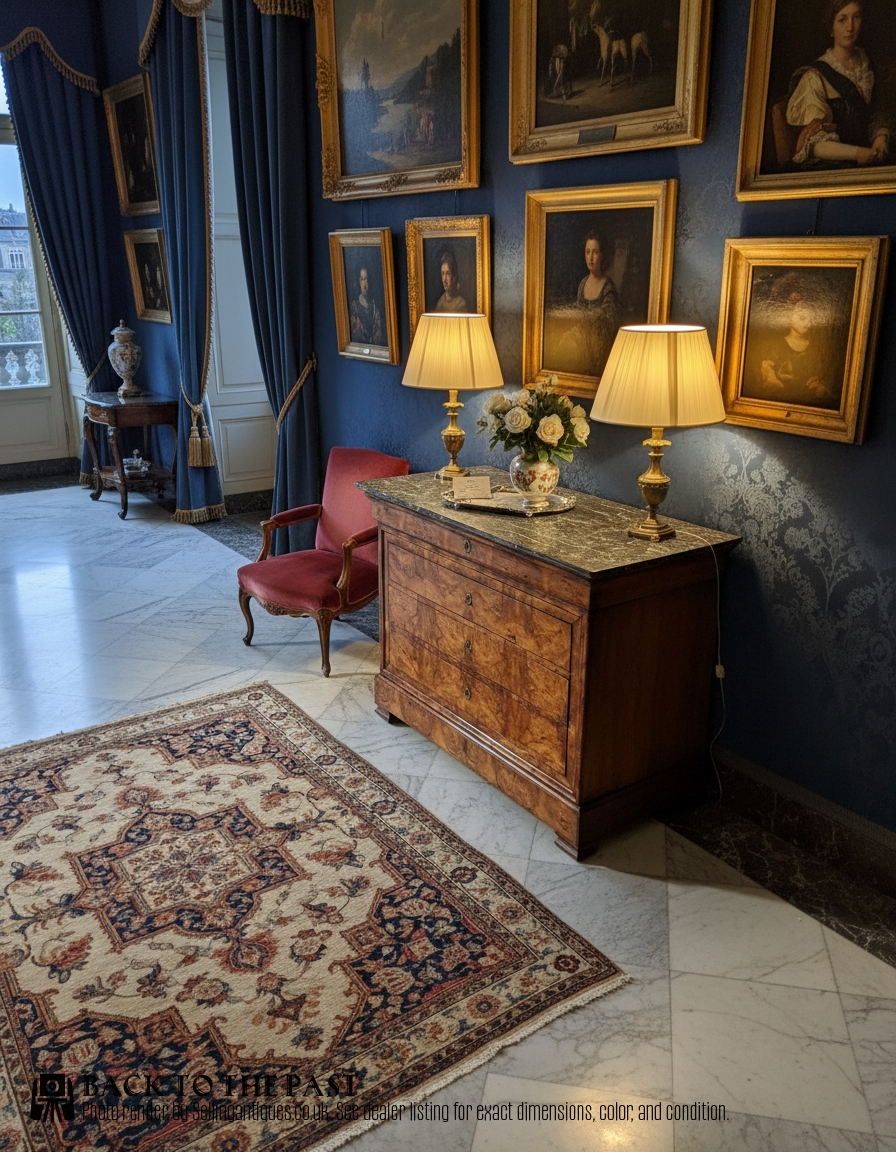
Heal & Son·Druce & Co
The Four Drawer Commode Glossary
- Bow front
- A convex curved front profile popular in Georgian and later case furniture. This shape softens the rectangular outline of the piece.
- Serpentine
- A wave-like front featuring a central convex curve flanked by concave sections. It requires advanced cabinet-making skill to execute.
- Brushing slide
- A pull-out shelf integrated above the top drawer for writing or dusting objects. It sits flush within the frame when closed.
- Dovetail
- An interlocking joint utilised at the corners of drawers for structural strength. Hand-cut variations indicate earlier periods of manufacture.
Four Drawer Commode: Frequently Asked Questions
What is a four drawer commode used for?
These pieces provide domestic storage for clothing and linens within bedrooms or hallways. Their stacked drawer configuration accommodates folded garments while maintaining a compact footprint against a wall.
Historically, such chests served similar organizational purposes in private chambers and formal entertaining spaces alike.
How do I style a commode in a modern room?
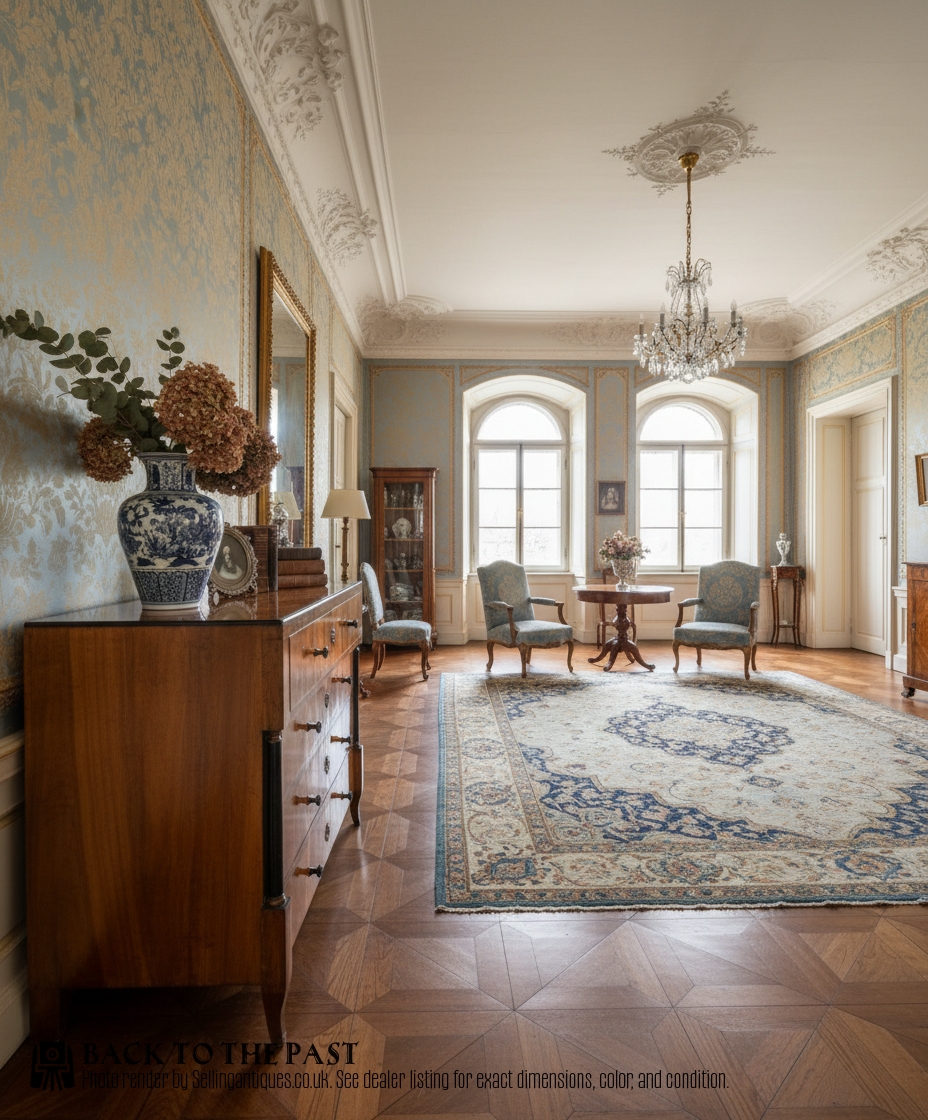
A wooden chest acts as a focal anchor against neutral walls, providing surface area for lamps, mirrors, or decorative objects. The rich grain of mahogany or walnut contrasts effectively with contemporary interior finishes.
Positioning the piece in a bedroom or living area brings traditional craft into everyday use.
How do I identify a Georgian commode?
Georgian pieces typically employ solid mahogany or oak with hand-cut dovetails on the drawer interiors. Look for proportions, traditional bracket feet or stubby legs, and period brass drop handles.
Interior construction details often reveal regional British or continental workshop traditions from the eighteenth century.
What is the difference between a chest and a commode?
While both terms describe drawer storage, commode frequently denotes continental European styling, serpentine fronts, or pieces incorporating marble tops and ormolu. British pieces are often catalogued interchangeably as chests of drawers.
Regional terminology shifts across the eighteenth and nineteenth centuries depending on the workshop origin.