






Gustavian Style Commode
A gustavian style commode brings restrained Nordic elegance to a room through pale painted surfaces and classic neoclassical proportions.
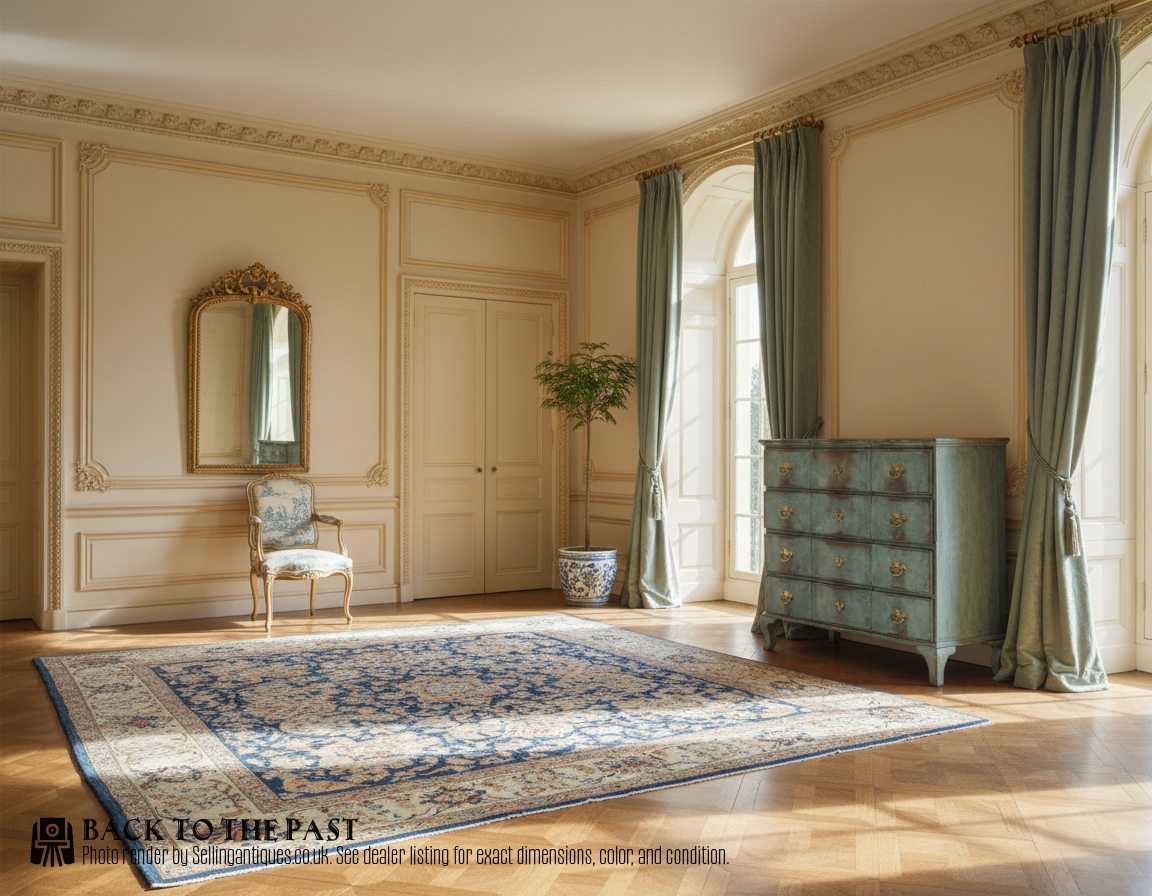
Gustavian Style Commode
A gustavian style commode functions primarily as a storage chest of drawers while serving as a decorative anchor in a room. These pieces typically take the form of chests with multiple drawers, occasionally appearing as cupboards or cabinets.
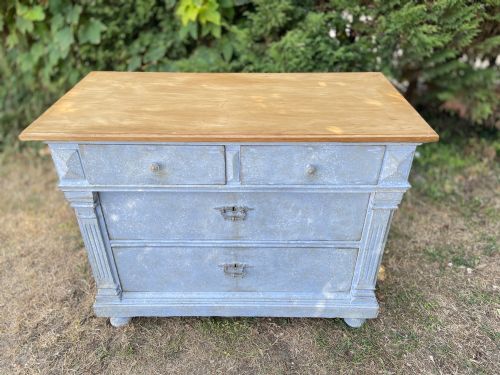
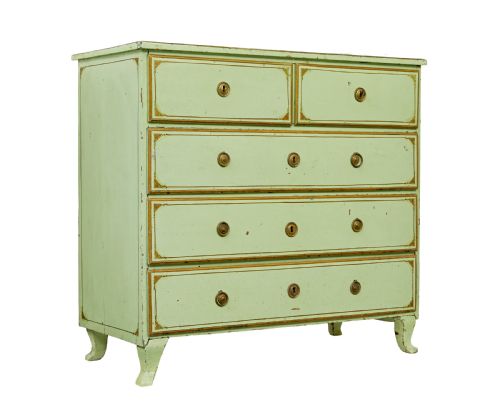
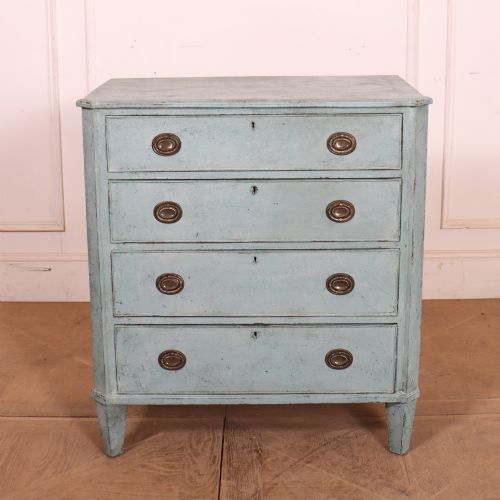
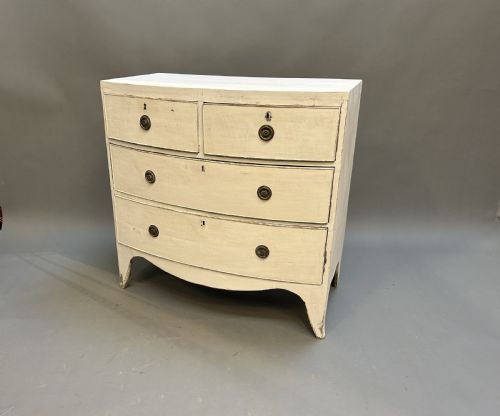
Buyers searching for a gustavian style commode encounter items originating predominantly from nineteenth-century and eighteenth-century Scandinavia, alongside related continental pieces. The nineteenth-century painted pine or birch chest of drawers stands as the most common variant on this page.
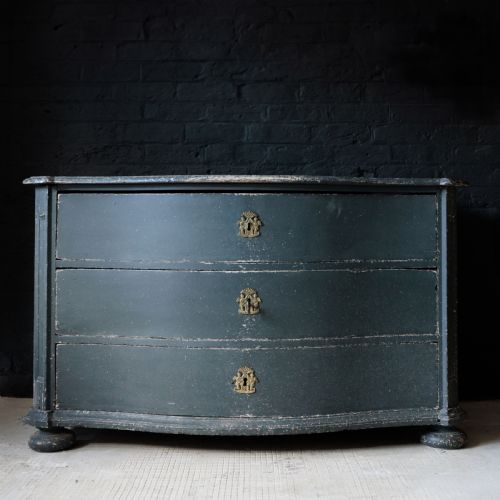
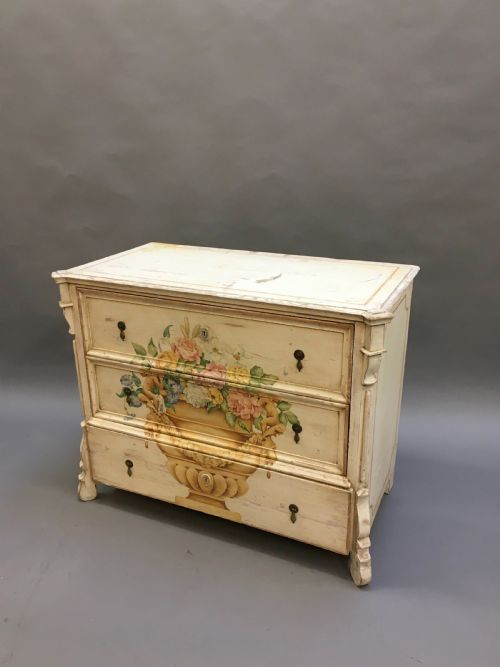
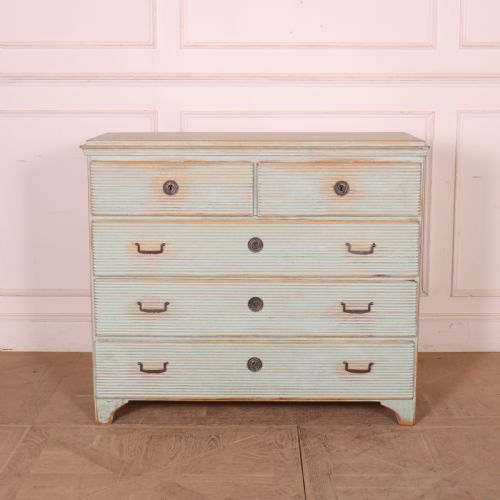
The aesthetic draws heavily on Swedish neoclassical and baroque revival influences, creating storage furniture that combines utility with light colour palettes. Many examples display serpentine fronts, fluted drawer fronts, or hand-painted finishes characteristic of Scandinavian country workshops.
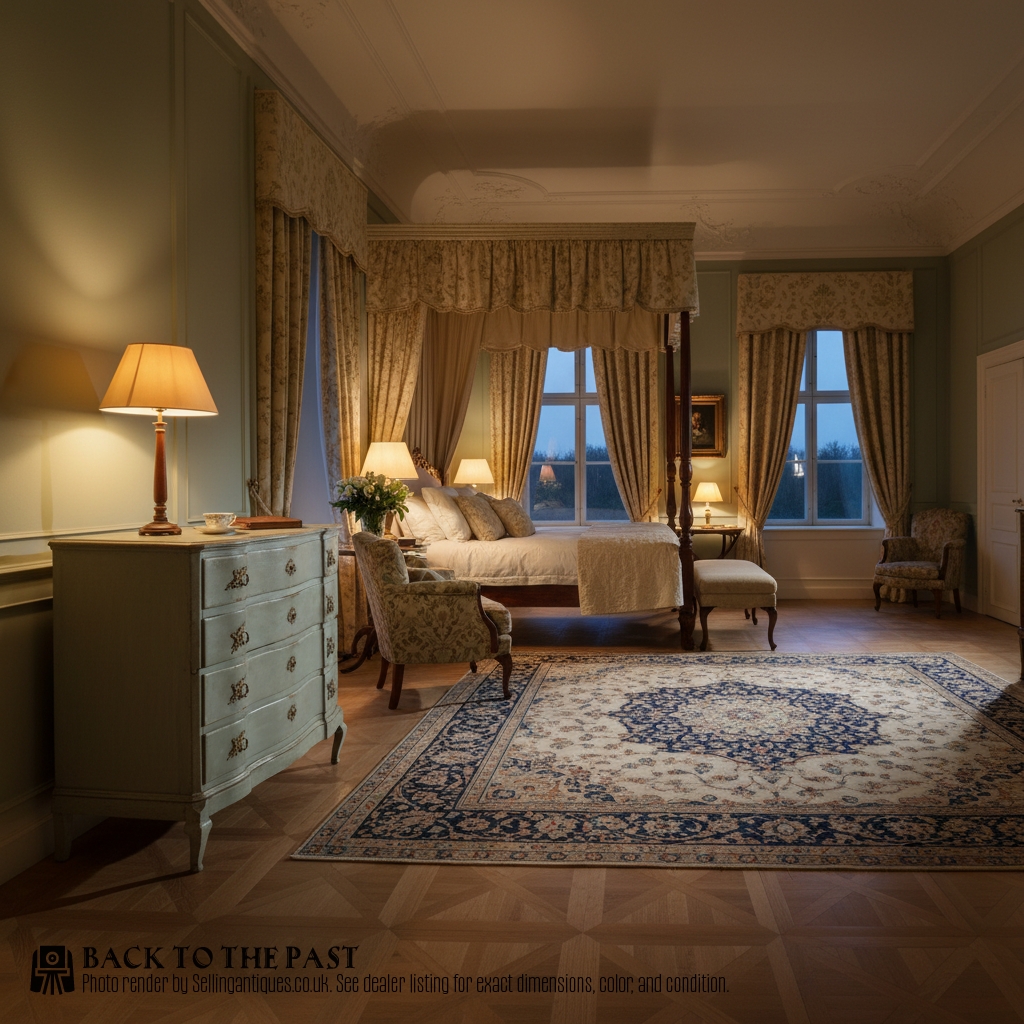
How They Were Made
Carpenters constructed the carcases of these commodes using regional softwoods and hardwoods like pine, birch, and oak. Solid timber construction forms the basis, with drawers and panels fitted by hand.
Surface finish defines much of the construction character, involving layers of paint applied over wood. Many pieces utilise original scraped paint or hand-applied decorative finishes in muted tones, complemented by brass or metal hardware.
Gustavian Style Commode Retail Price Guide 2026
Typical asking prices for gustavian style commode among the pieces listed under this phrase on Sellingantiques today, from the lower quarter to the upper quarter. They describe what is for sale here now, not the wider market.
Several chests arrive wearing faux marble tops painted by hands that clearly wanted to live in a grander palace.
What Varies in Quality
The integrity of the painted surface significantly influences the standing of a piece, distinguishing items with original scraped paint or untouched period decoration from those with later redecoration. Originality of finish preserves the tactile history of the wood beneath.
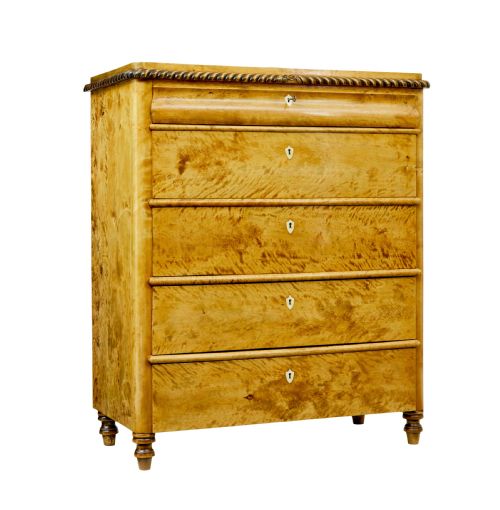
Joinery execution and timber selection set apart different examples. Pieces fashioned from figured birch or solid oak with carved detailing and harmonious proportions demonstrate superior cabinet-making compared to simpler utilitarian pine variants.
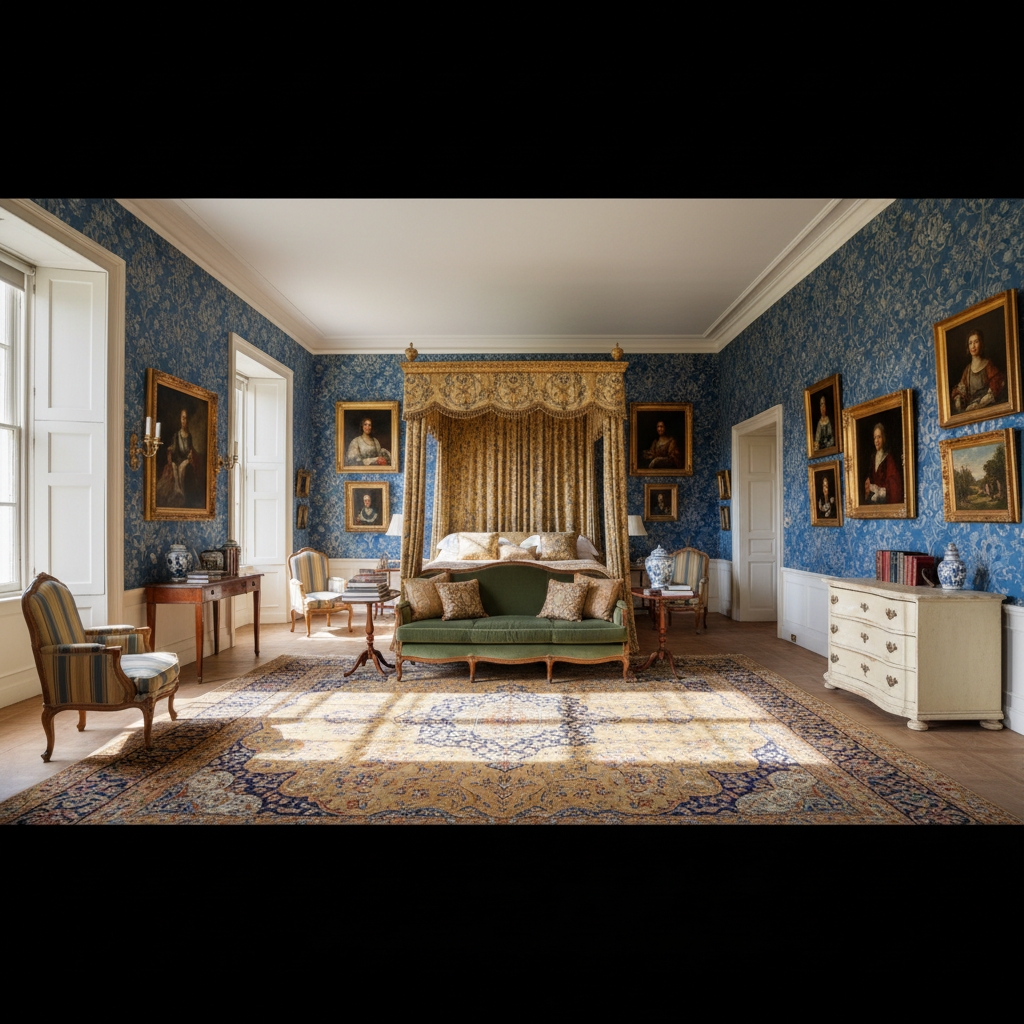
The Gustavian Style Commode Glossary
- Commode
- A chest of drawers or cabinet designed for domestic storage. These furniture pieces typically stand at waist height and feature multiple drawer tiers.
- Serpentine
- A curved furniture front characterised by a convex central section flanked by concave curves. This contour adds visual movement to the chest profile.
- Gustavian
- The Swedish neoclassical design movement spanning the late eighteenth century under King Gustav III. It is known for clean lines, restrained carving, and pale painted finishes.
- Caddy top
- A raised or stepped tabletop design with moulded edges. This profile is frequently encountered on nineteenth-century Scandinavian drawer chests.
- Fluted
- Shallow, parallel vertical grooves carved into wood surfaces. This neoclassical decorative detail often appears on drawer fronts or vertical pilasters.
Gustavian Style Commode: Frequently Asked Questions
Where were gustavian style commodes made?
These commodes originate primarily from Sweden, with additional examples coming from Denmark and the Netherlands. Regional workshops produced them during the eighteenth and nineteenth centuries.
Craftsmen adapted neoclassical and baroque revival trends to local preferences, resulting in distinct Scandinavian country interpretations.
How do I care for a painted wooden commode?
Keep painted wooden furniture away from direct sunlight and heat sources to prevent the wood and paint from drying out. Dust regularly with a dry cloth.
Avoid chemical cleaning products that might damage the historic painted surfaces or wax finishes.
Are these commodes suitable for everyday bedroom use?
These chests of drawers provide practical storage capacity for clothing and household items while serving as a focal point. The multiple drawer configurations accommodate daily organisational needs.
Ensure drawers are opened evenly to maintain the smooth operation of period runners.
How can I tell an eighteenth-century piece from a nineteenth-century one?
Eighteenth-century examples often display earlier neoclassical or baroque revival characteristics and deeply weathered timber. Construction methods visible inside the drawers provide clues to the period.
Nineteenth-century pieces frequently utilise pine or birch with characteristic painted finishes and simplified hardware.