

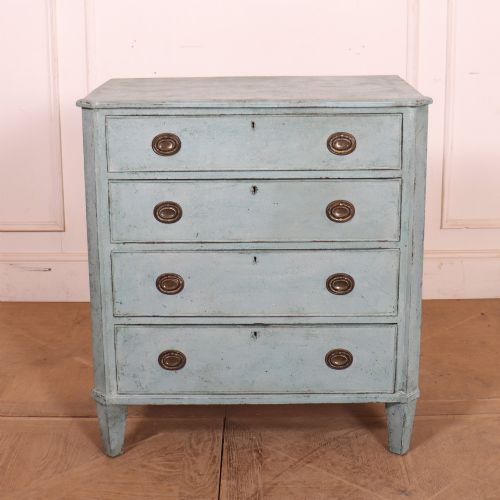
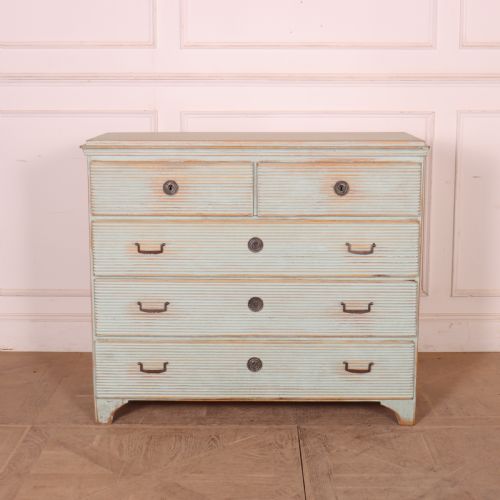


Scandinavian Painted Chest
A scandinavian painted chest brings functional storage and traditional folk art directly into a room.
Scandinavian Painted Chest
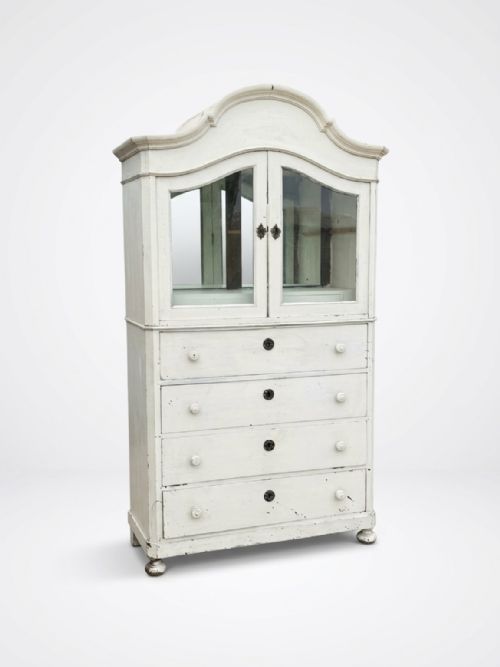
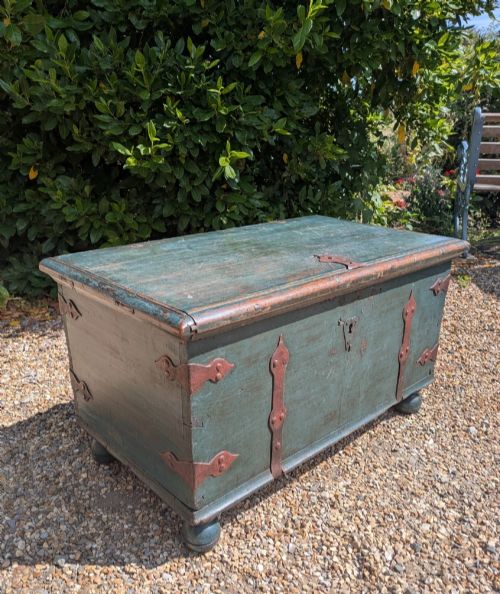
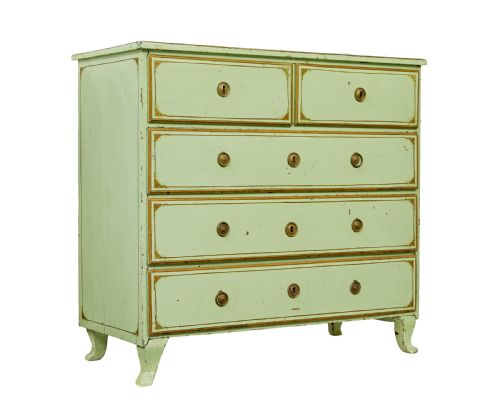
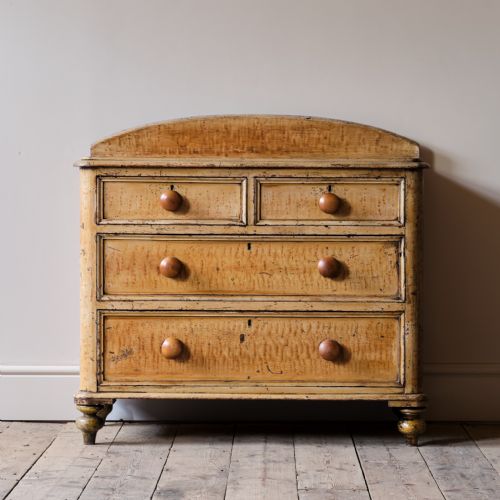
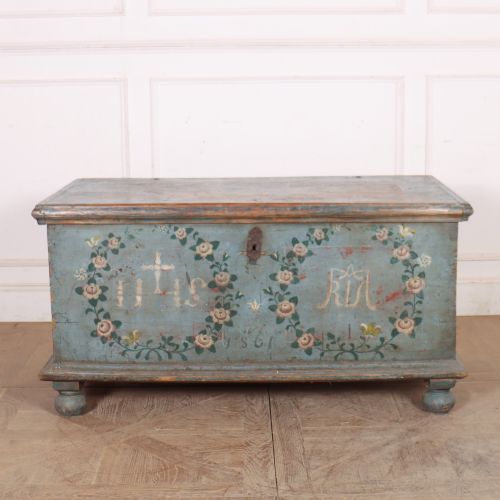
When searching for a scandinavian painted chest, buyers encounter a variety of practical storage furniture originating primarily from Sweden and wider Scandinavia. These pieces span the eighteenth and nineteenth centuries, taking the form of chests of drawers, marriage chests, blanket boxes, and commodes.
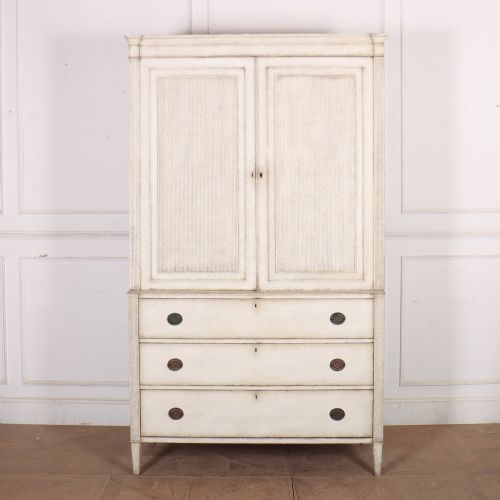
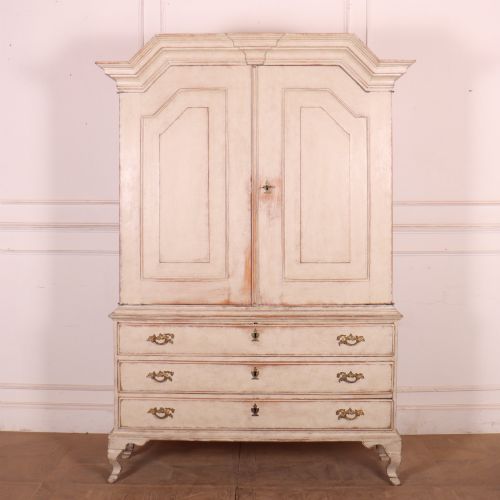
The selection ranges from smaller folk art boxes and strong boxes to larger linen cupboards and bonnet top cabinets. Many examples reflect specific regional styles such as Gustavian neoclassicism or rustic country traditions.
Materials and Technique
Makers constructed these pieces principally from pine, utilising painted wood surfaces finished with various pigments to create solid functional furniture. Original paint finishes, graining, and simulated birch effects appear frequently across the inventory.
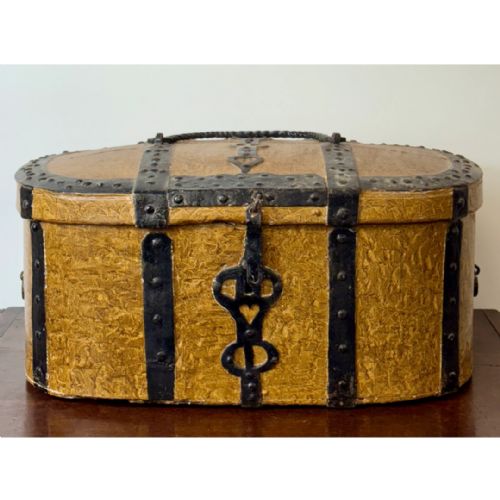
Hardware details typically include hand-forged iron strapwork and brass fittings. Construction methods support the everyday utility of strong boxes, commodes, and multi-drawer chests.
Scandinavian Painted Chest Retail Price Guide 2026
Typical asking prices for scandinavian painted chest among the pieces listed under this phrase on Sellingantiques today, from the lower quarter to the upper quarter. They describe what is for sale here now, not the wider market.
Several survival strong boxes retain heavy iron strapwork designed to outwit highwaymen and stubborn domestic locks alike.
Grading Quality
Quality in these pieces rests upon the integrity of the original paint surface and the clarity of regional decorative motifs. Finer examples display accomplished hand-painted folk art or sophisticated Gustavian shaping rather than routine utility finishes.
Structural execution also distinguishes the range, particularly in the handling of serpentine fronts, fluted drawer details, and integrated iron strapwork. The survival of an untouched surface layer largely determines the character of an individual piece.
Gemla Fabrikers
The Scandinavian Painted Chest Glossary
- Commode
- A low chest of drawers, often featuring shaped fronts or decorative painted schemes. These pieces served primarily in domestic bedrooms and reception spaces.
- Gustavian
- The Swedish neoclassical style spanning the late eighteenth and early nineteenth centuries. It combines restrained classical proportions with lighter painted palettes.
- Dowry chest
- A large storage box created to hold household linens and personal property for a marriage. Families often inscribed these trunks with dates and initials.
- Strapwork
- Decorative metal bands, usually of hand-forged iron, fastened across the exterior of boxes and chests for reinforcement. This technique provided both structural strength and visual contrast.
Scandinavian Painted Chest: Frequently Asked Questions
How do I identify a Gustavian piece?
Gustavian pieces display neoclassical restraint, lighter paint colours, and symmetrical lines influenced by French styles of the period. They often feature fluted details or subtle carving rather than heavy folk motifs.
By contrast, country folk art variants embrace bolder pigments and freehand decorative painting. Examining the surface design and structural proportions generally clarifies the specific regional influence.
Where were these chests used?
These pieces served practical storage functions in Scandinavian homes, holding textiles, garments, and valuables. Marriage chests and dowry boxes were central to domestic life and family heritage.
Larger commodes and cupboards provided everyday storage in bedrooms and living quarters. Their robust pine construction ensured durability through generations of household use.
What is original paint?
Original paint refers to the earliest surviving decorative or protective coating applied to the pine surface during the eighteenth or nineteenth century. This layer shows natural wear and patination accumulated over decades.
Collectors value untouched surfaces because they preserve the authentic palette and character intended by the maker. Later repainting alters the historical integrity of the object.
How should I clean a painted surface?
Cleaning requires gentle methods that protect fragile historic pigments from moisture and harsh agents. Soft, dry dusting is generally sufficient for regular maintenance.
Avoid chemical solvents or abrasive cloths which can strip vulnerable paint layers. Professional advice should be sought if deeper cleaning becomes necessary.