
Pair of Commodes
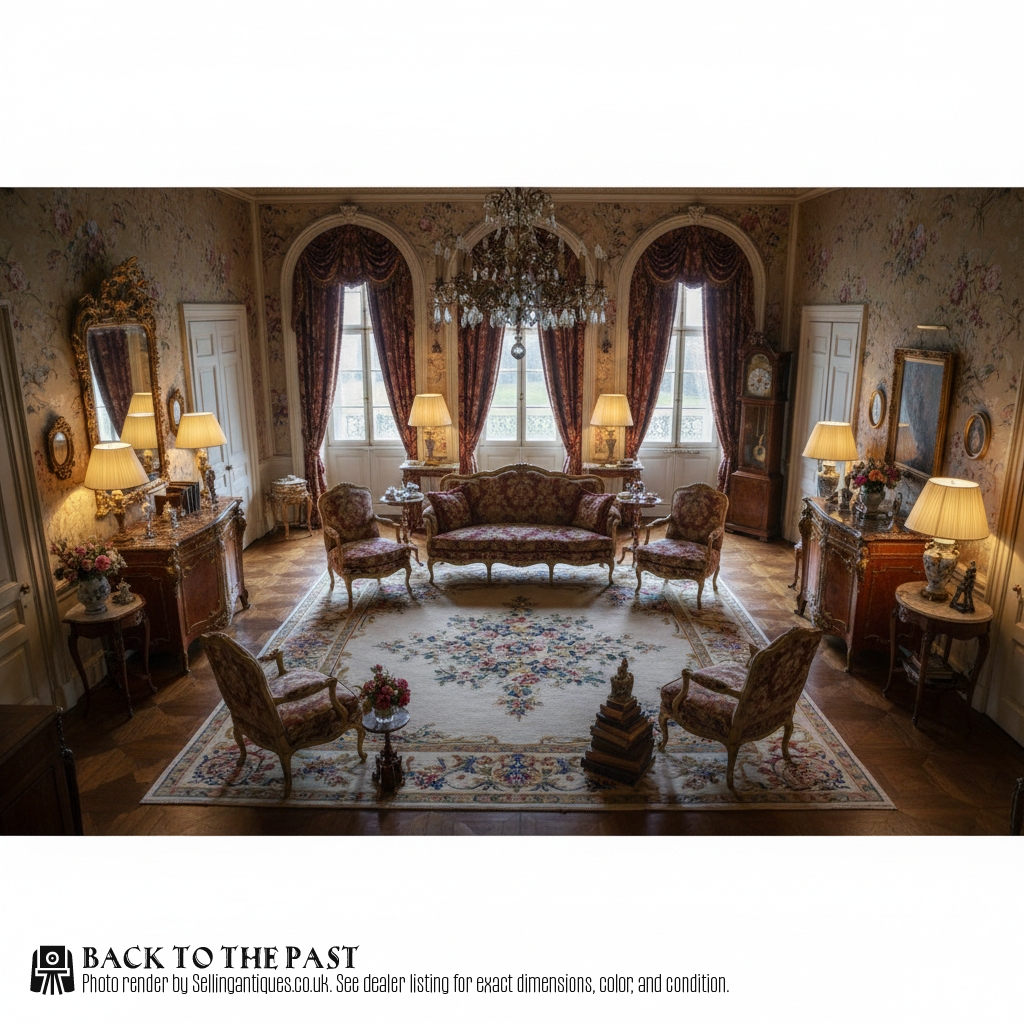
A matched pair of commodes brings symmetry and storage to a room, offering the twin presence of low drawer units or side cabinets.
What a pair of commodes represents
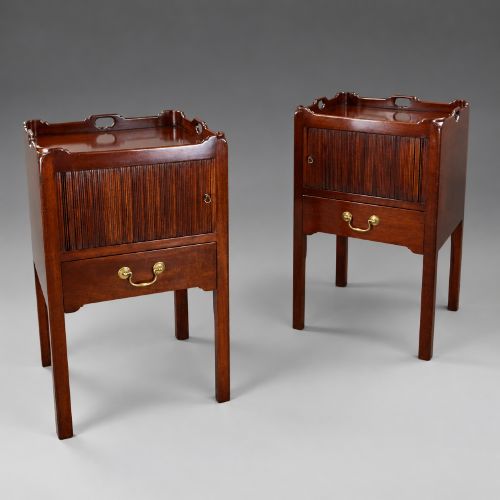
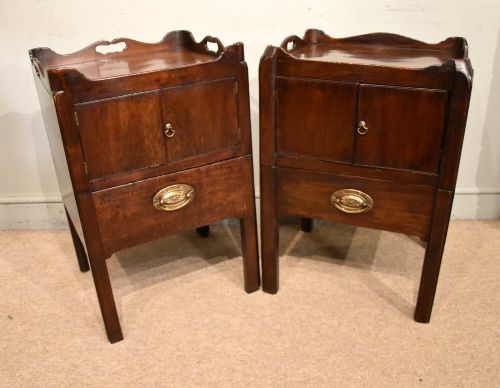
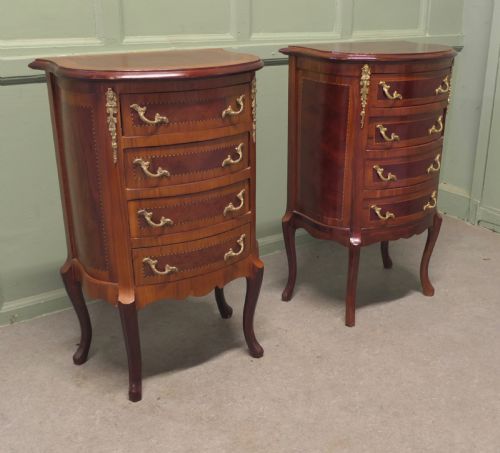
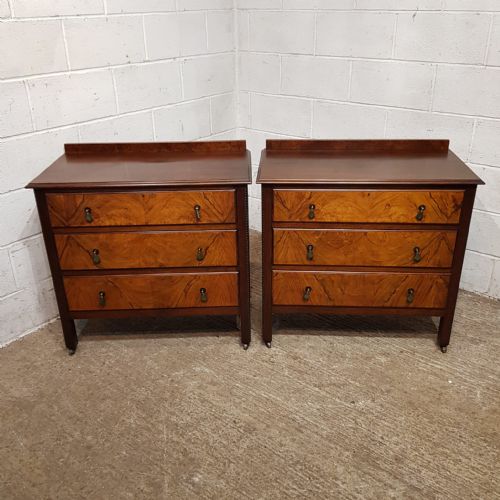
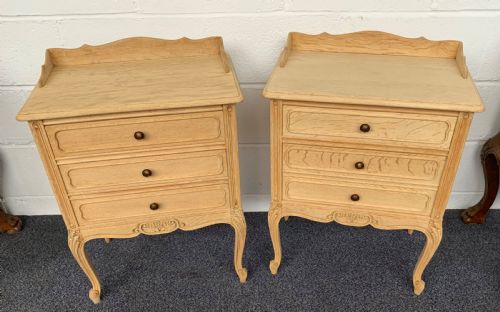
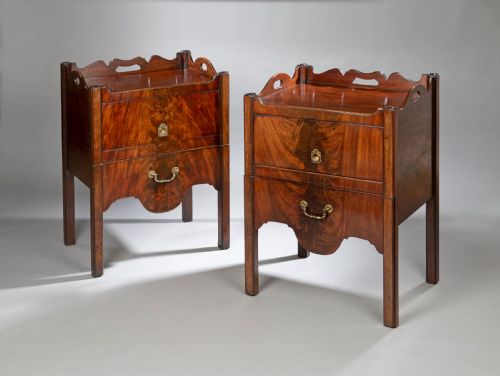
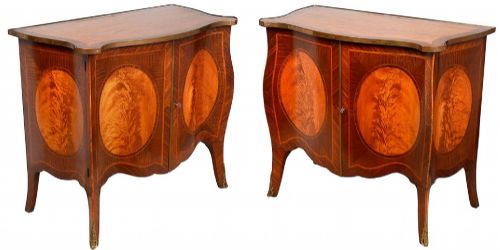
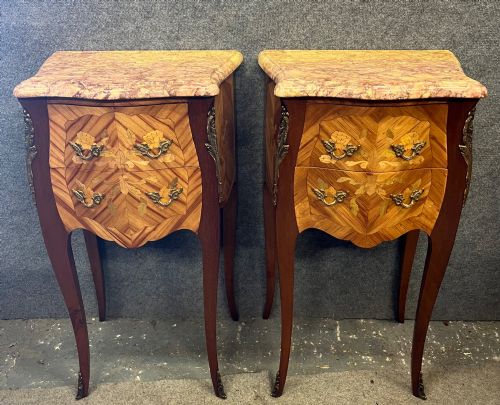
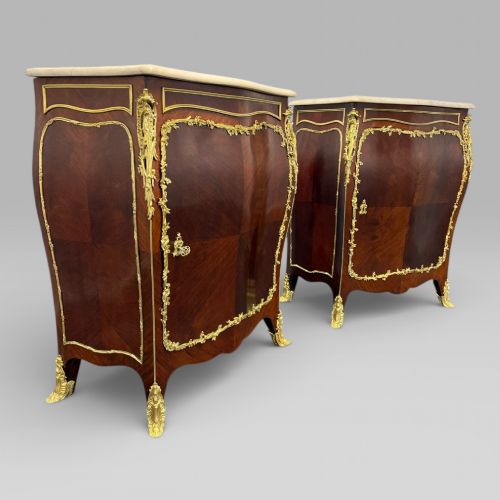
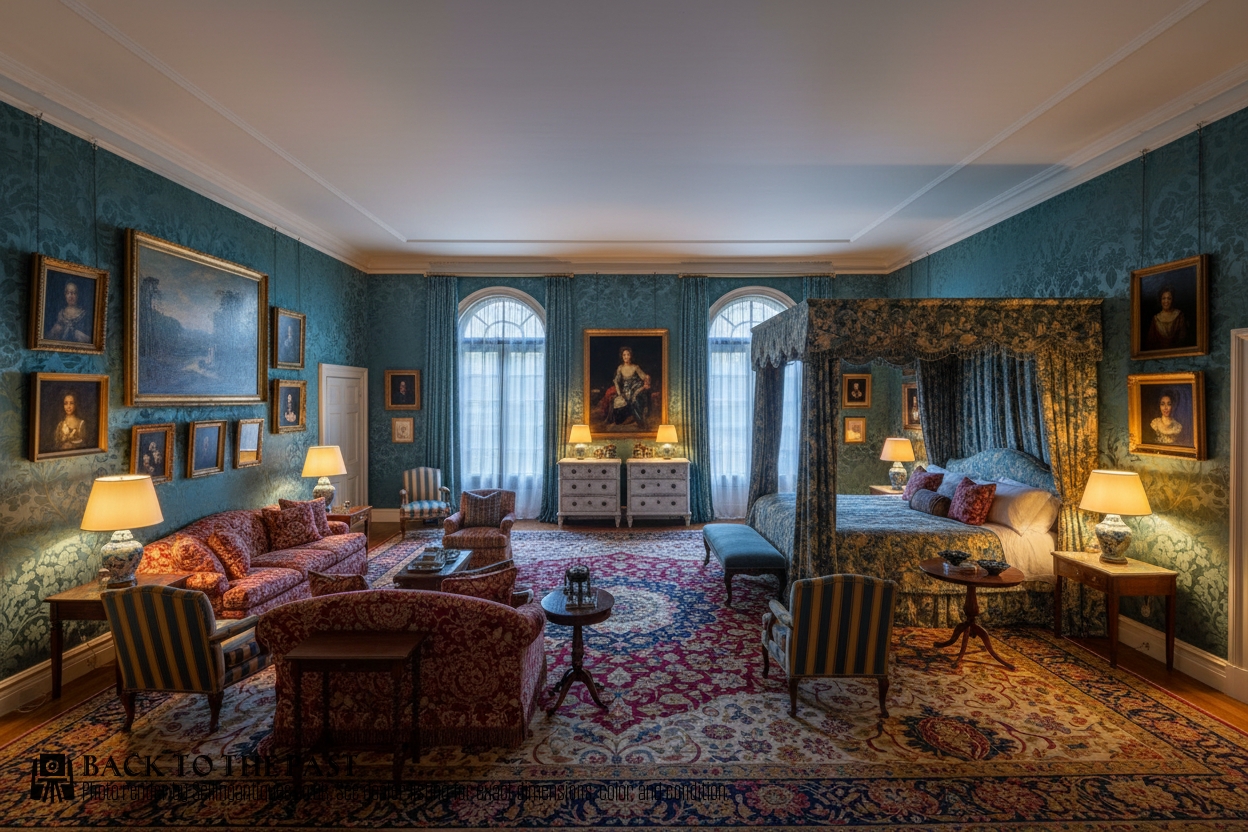
A pair of commodes provides matched low storage in the form of chests of drawers, side cabinets, and bedside cupboards. These twin pieces establish visual balance when placed in a bedroom, hallway, or salon.
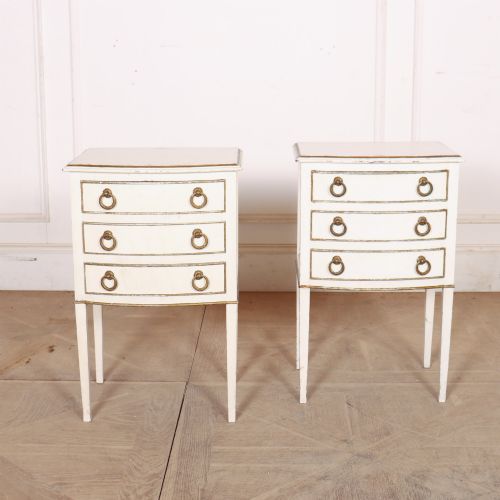
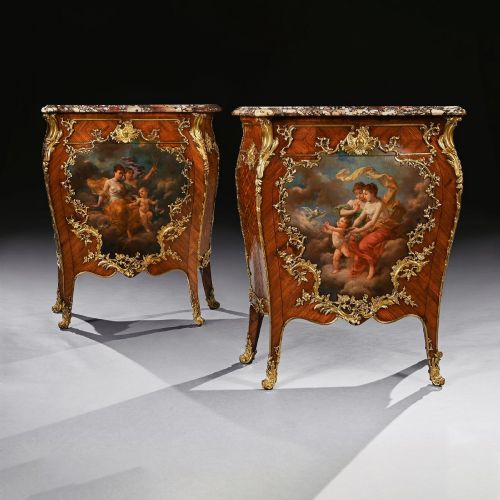
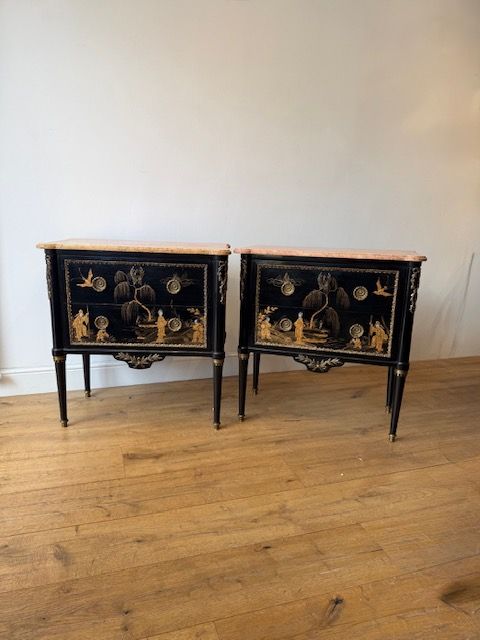
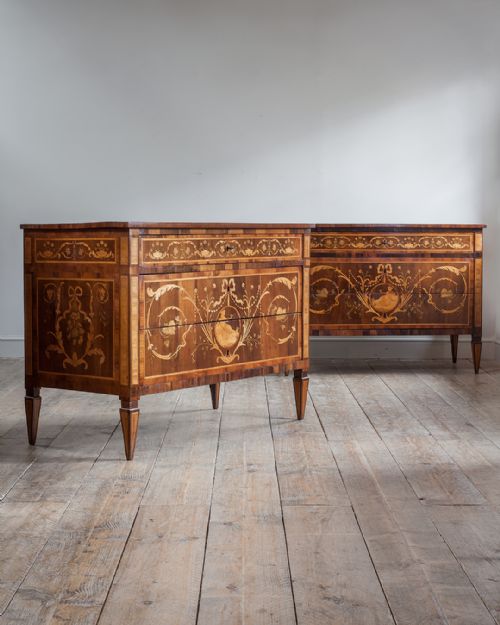
The selections span European workshops from the eighteenth, nineteenth, and early twentieth centuries. Swedish painted examples appear frequently alongside French Louis-style designs and Italian walnut pieces.
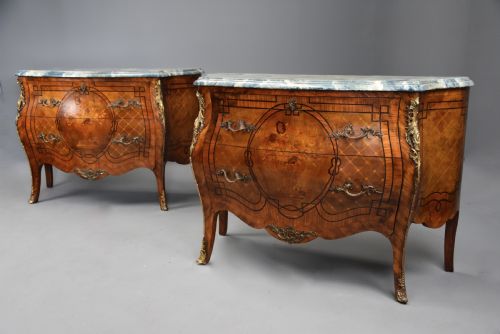
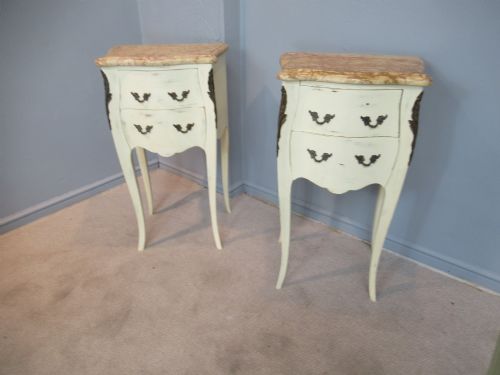
Forms range from grand breakfront chests to compact bedside commodes and demi-lune shapes. Regional variations include Scandinavian country paintwork, Venetian giltwood, and English satinwood or mahogany craftsmanship.
Construction and materials
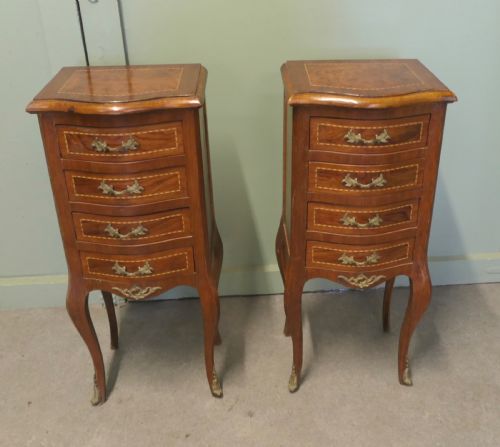
Cabinet makers utilised a variety of timbers including walnut, kingwood, mahogany, satinwood, cherry, yew, and pine. Veneers and parquetry create patterned grain surfaces across drawer fronts and tops.
Decorative finishes involve oil paint, giltwood accents, and applied brass or gilt bronze mounts. Marble tops frequently cap the wooden carcases, providing a durable and polished upper surface.
Retail Price Guide 2026
Typical UK retail prices for pair of commodes, calculated from the Sellingantiques database of over a million retail prices indexed since 2003. This retail price guide relies exclusively on Sellingantiques data; no external sources or auction records are used, so the figures do not describe the wider market.
Listings feature extensive examples of Swedish painted commodes alongside French Louis XVI style chests and Italian walnut cabinets.
Distinctions in standard
The refinement of the timber selection and the precision of veneer matching dictate the visual depth of the piece. Subtle details in the carving of wooden elements or cast bronze mounts separate standard workshop production from master cabinet work.
Original painted surfaces and untouched patination hold greater appeal than later re-decoration. The structural integrity of the drawers and the alignment of the matching pair determine the overall harmony.
Joseph Zwiener
The Pair of Commodes Glossary
- Commode
- A low chest of drawers or cabinet designed for domestic storage. Originating in France, the form evolved from enclosed cupboards into multi-drawer chests.
- Breakfront
- A cabinet front where the central section projects forward from the flanking sides. This architectural shaping adds depth to larger chests and side cabinets.
- Demi-lune
- A half-moon shape with a curved front and a flat back designed to sit flush against a wall. Such profiles soften the corners of a room.
- Parquetry
- Geometric patterns formed by small pieces of wood veneer fitted together on a surface. It appears on sophisticated cabinet work across various European periods.
- Gilt bronze
- Copper alloy cast and finished with gold or metallic gilding to form decorative mounts and handles. It enhances the ornamentation of formal French styles.
Frequently Asked Questions
How do I style a pair of commodes?
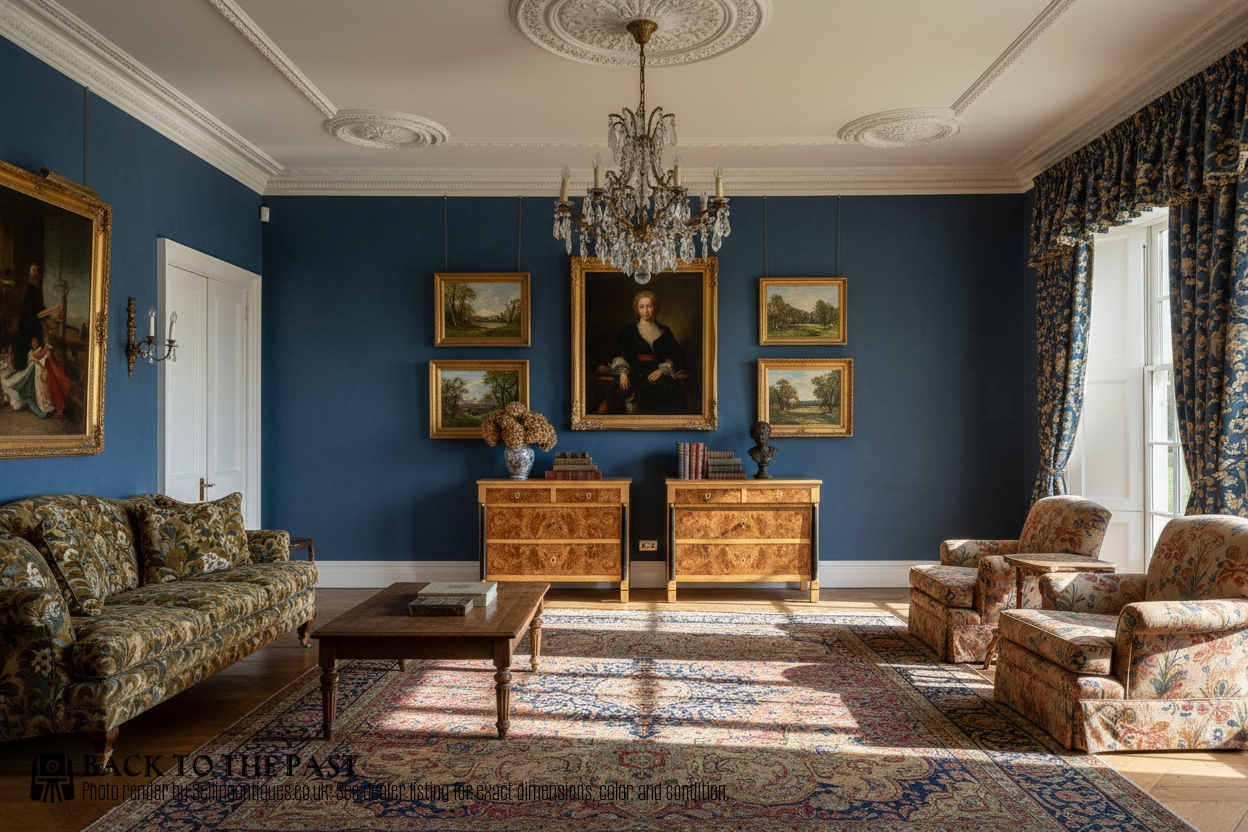
Place matching commodes on either side of a bed, fireplace, or large doorway to establish symmetry in a room.
Top them with corresponding lamps or mirrors to reinforce the balanced aesthetic.
What is the difference between a commode and a chest of drawers?
A commode is historically a low decorative cabinet or chest, often featuring more ornate mounts or shaped fronts than a standard utility chest.
Many examples function as bedside tables or sophisticated side cabinets in reception rooms.
Are painted commodes original?
Many Swedish and continental examples feature period painted finishes in white, black, or soft hues applied during the nineteenth century or earlier.
Examination of the underlying wood and paint degradation helps determine the age of the surface layer.
Where were these commodes made?
The pieces originate across Europe, with strong representation from Swedish country workshops, French cabinet makers, and Italian studios.
English revival pieces also contribute to the diverse regional styles available.