

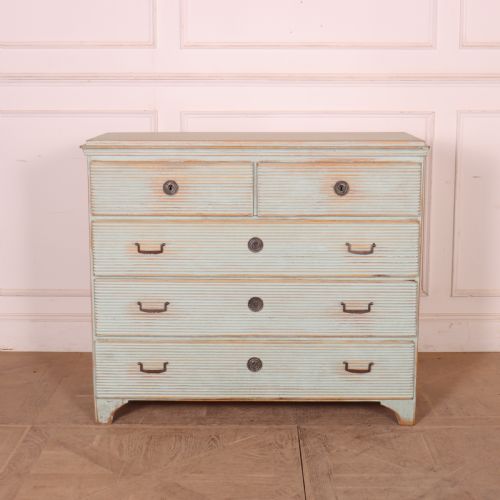


Swedish Chest of Drawers
When choosing a Swedish chest of drawers, buyers secure practical storage grounded in centuries of Scandinavian design traditions.
Swedish Chest of Drawers
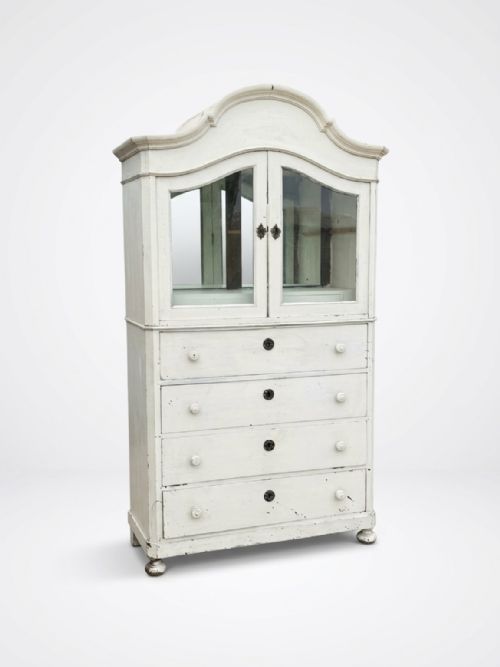
A Swedish chest of drawers combines utility with distinct regional aesthetics, appearing across various forms including commodes, secretaire chests, and tall cabinets.
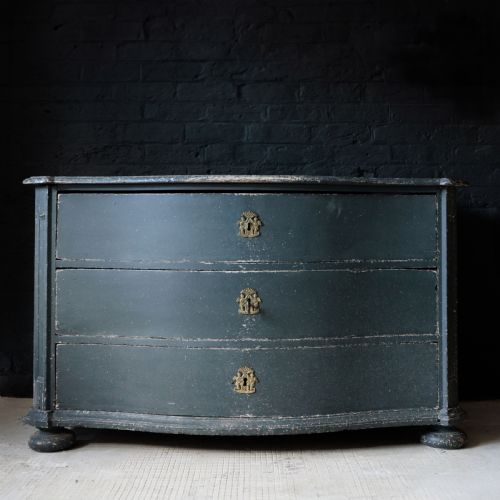
The pieces on this page span several centuries, with the nineteenth century heavily represented alongside eighteenth-century rococo and neoclassical examples.
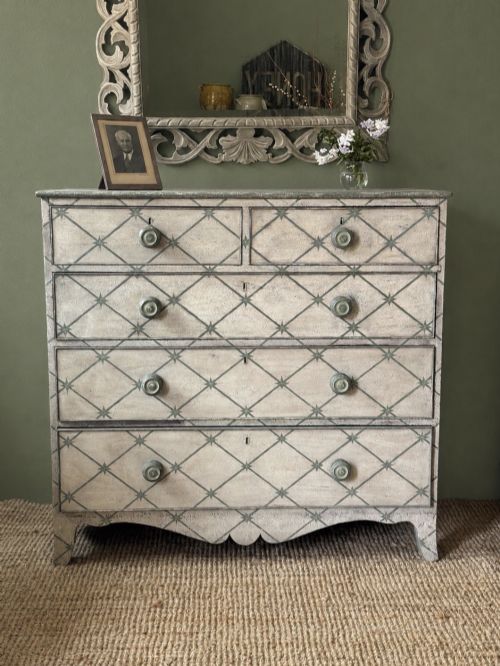
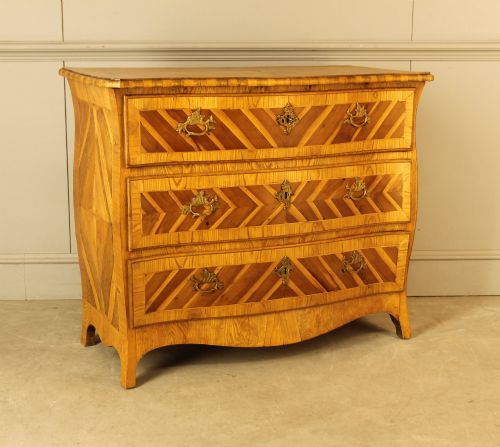
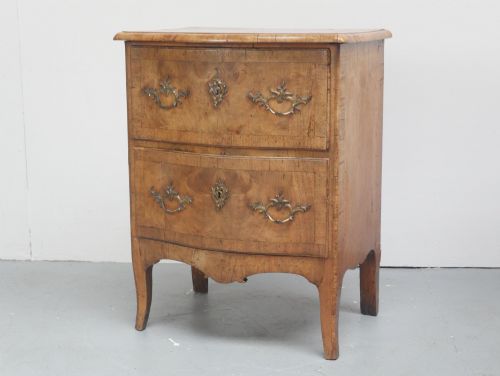
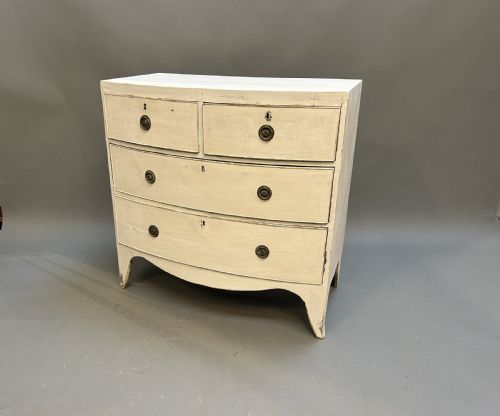
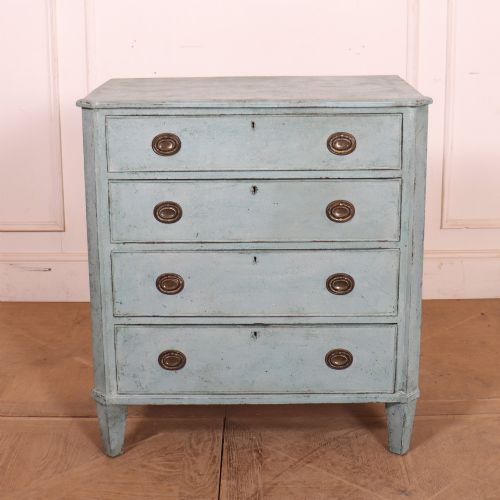
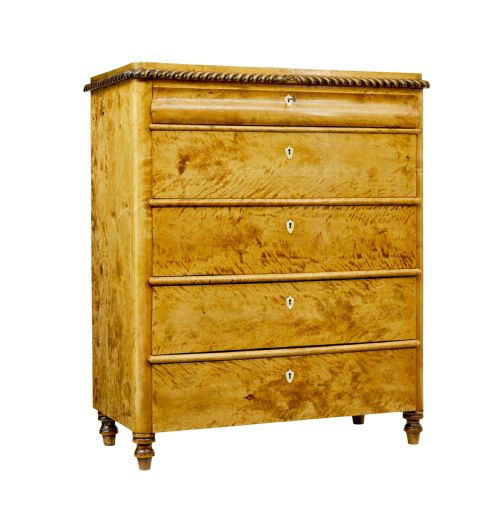
Buyers encounter everything from painted pine country pieces to sophisticated veneered hardwoods like birch, walnut, and mahogany.
How They Were Made
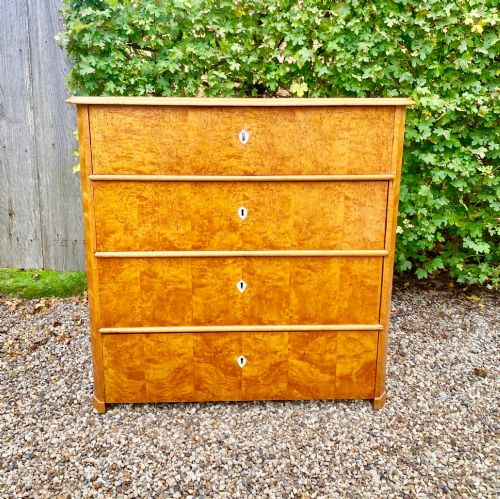
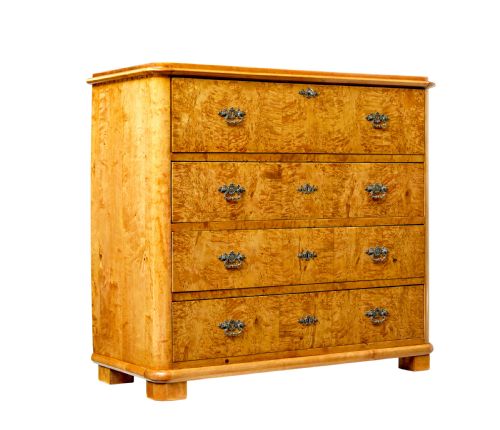
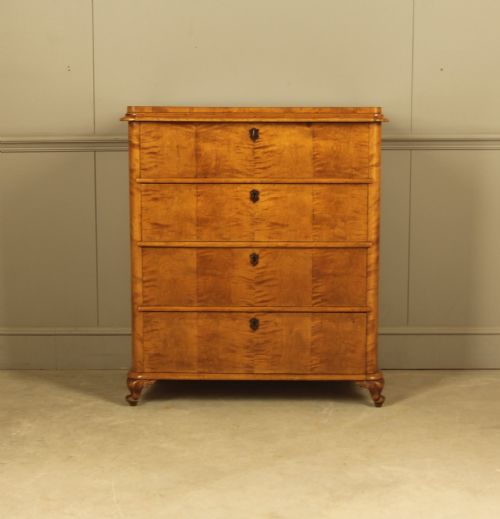
Cabinetmakers utilised native timbers such as pine, birch, and elm, often applying figured veneers including flame birch, burr walnut, and curl mahogany to primary display surfaces.
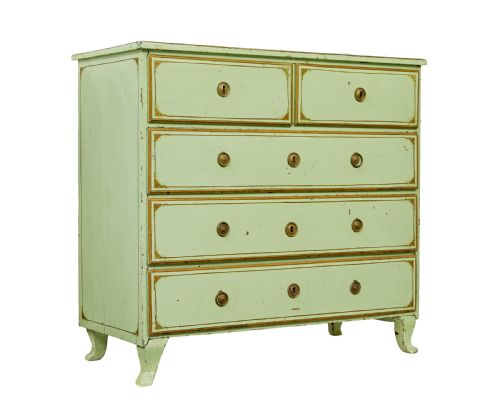
Many examples rely on hand-mixed paint finishes, sometimes featuring simulated graining or faux marble tops, whilst others showcase intricate marquetry inlay and carved details.
Swedish Chest of Drawers Retail Price Guide 2026
Typical asking prices for swedish chest of drawers among the pieces listed under this phrase on Sellingantiques today, from the lower quarter to the upper quarter. They describe what is for sale here now, not the wider market.
Several pieces arrive with faux marble tops, proving past owners enjoyed a clever visual trick just as much as modern collectors do.
What Varies in Quality
The grade of timber selection and the complexity of the cabinet construction largely determine the standing of an individual piece.
Original painted surfaces and untouched patination elevate examples significantly compared to later re-paintings or heavily altered carcases.
Gemla Fabrikers
The Swedish Chest of Drawers Glossary
- Commode
- A low chest of drawers or cabinet, often featuring serpentine or bombe shaping. This form became particularly popular in eighteenth- and nineteenth-century Scandinavian interiors.
- Secretaire chest of drawers
- A chest incorporating a fitted writing drawer with a drop-front or sliding surface. These pieces combine desk functionality with multi-drawer storage.
- Gustavian
- The Swedish neoclassical style spanning the late eighteenth century, characterised by restrained symmetry, fluted details, and pale painted finishes.
- Biedermeier
- A Central European and Scandinavian style from the nineteenth century focusing on clean lines, minimal ornamentation, and the natural beauty of veneers like birch and satin birch.
- Bombe
- A swelling, convex curved commode shape associated with rococo designs. This undulating profile requires advanced timber-bending and carpentry skill.
Swedish Chest of Drawers: Frequently Asked Questions
What is a secretaire chest of drawers?
A secretaire chest of drawers integrates a dedicated writing compartment into the upper drawer tier, often revealing small pigeonholes and inner compartments when opened.
This clever dual-purpose design allowed owners to write letters and manage correspondence without needing a separate standalone desk in the room.
How do I identify Gustavian pieces?
Gustavian pieces typically display neoclassical motifs such as fluted columns, urns, and restrained carvings, usually finished in pale or neutral painted coats.
Originating in the late eighteenth century, this style takes direct inspiration from French and Italian classical forms but maintains a distinctly lighter Scandinavian restraint.
Where were these chests placed?
These chests served primarily as bedroom storage or elegant commodes in reception rooms and hallways to display decorative objects on top.
Their substantial surface areas and deep drawers made them versatile additions to both formal townhouses and rural country homes.
What distinguishes Biedermeier furniture?
Biedermeier furniture focuses on domestic comfort and utility through smooth expanses of unadorned wood veneers like birch, walnut, and mahogany.
Rather than relying on heavy carving or gilding, cabinetmakers let the natural grain patterns and architectural proportions define the aesthetic.