



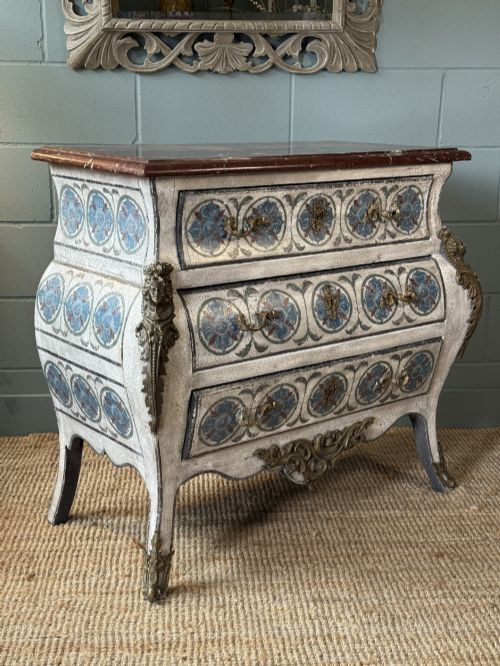


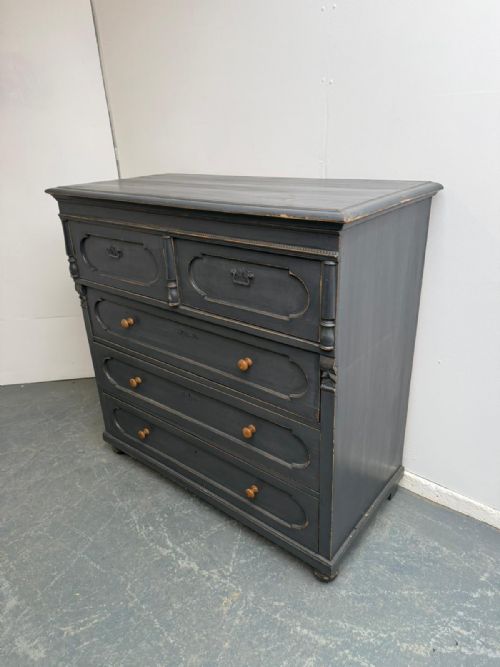


Grey Painted Commode
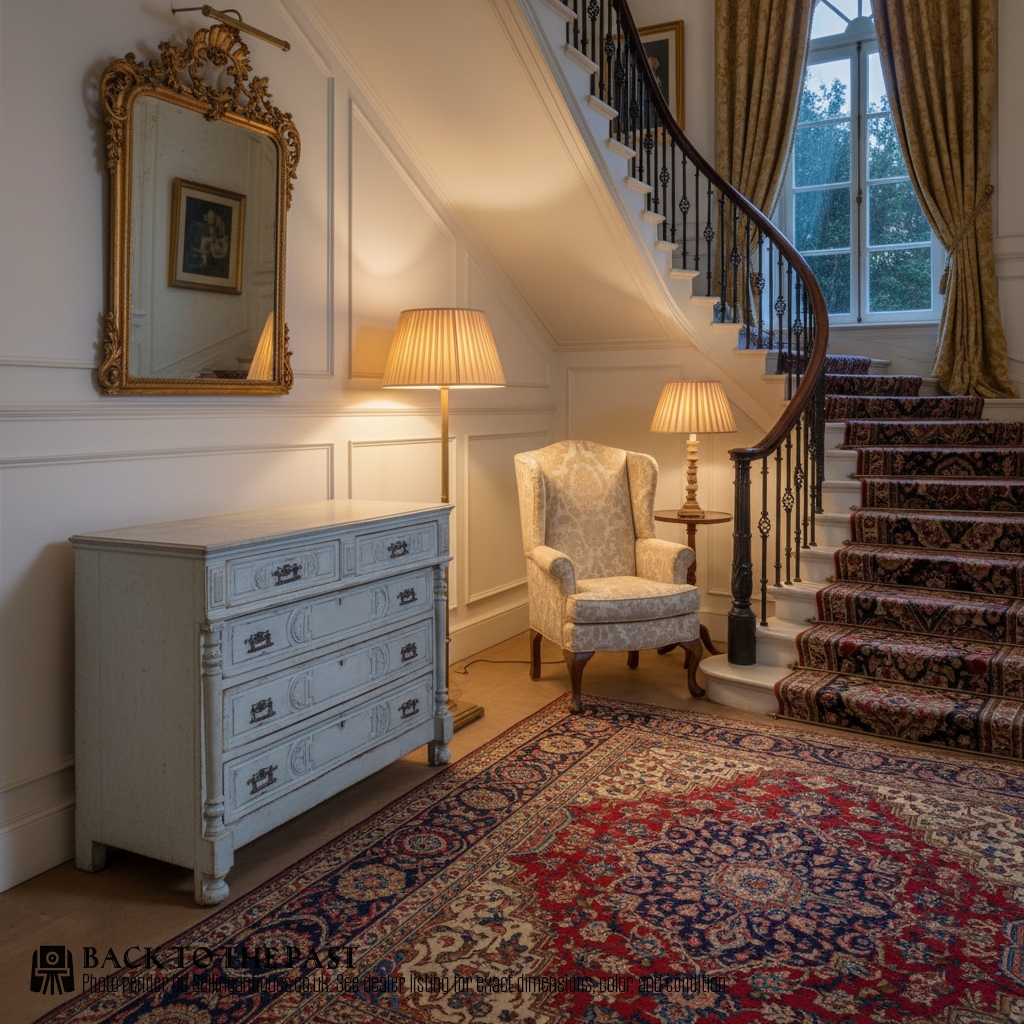
A grey painted commode brings subtle continental elegance to a room, offering practical storage disguised in soft, muted tones.
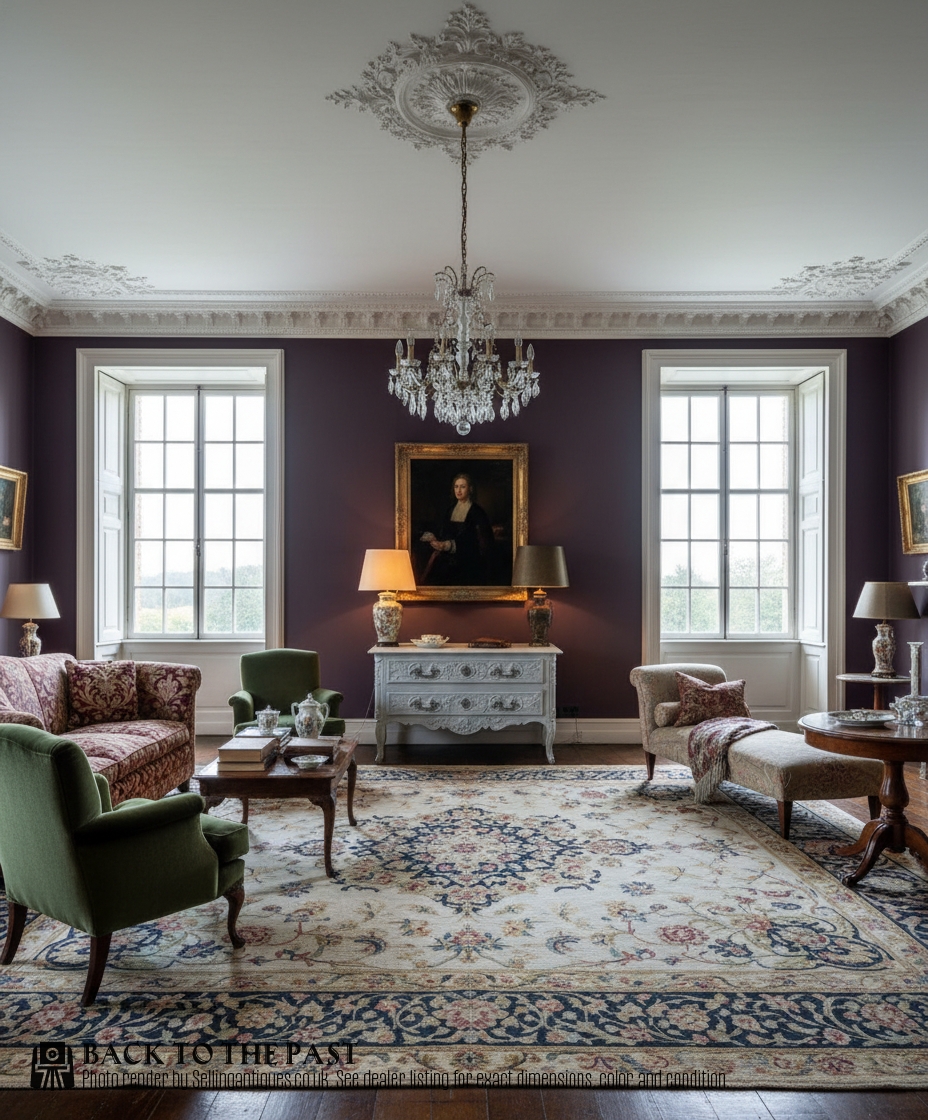
Grey Painted Commode
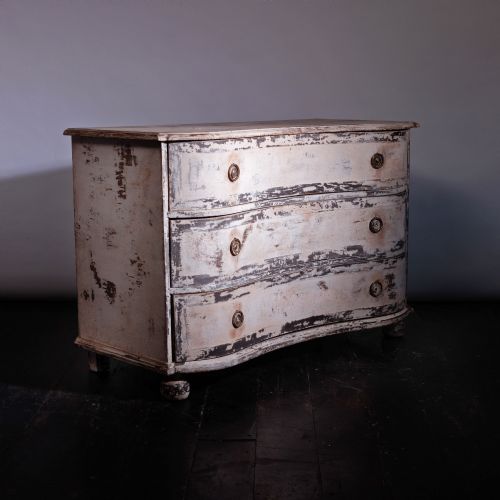
A grey painted commode serves as a functional storage chest, commonly taking the form of a low drawer unit or a bedside cabinet. These pieces trace their origins to 18th-century, 19th-century and early 20th-century workshops across Europe.
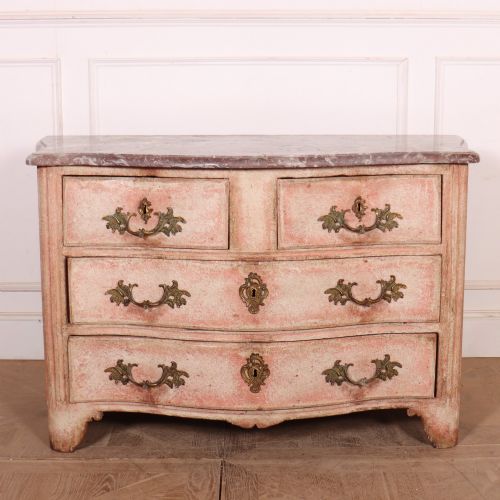
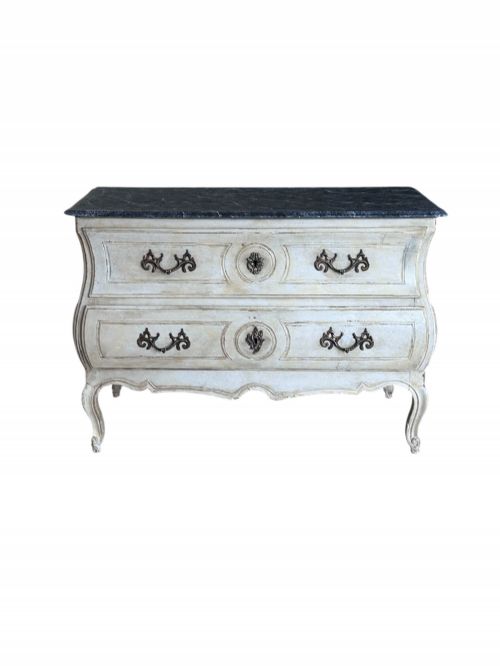
Continental examples dominate the selection, with Swedish Gustavian pieces, French provincial designs and Dutch bombe shapes appearing frequently. Buyers encounter both original historical paint finishes and later decorative surface treatments applied to older carcases.
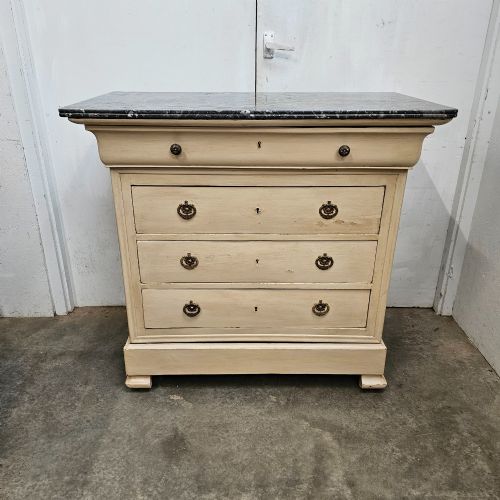
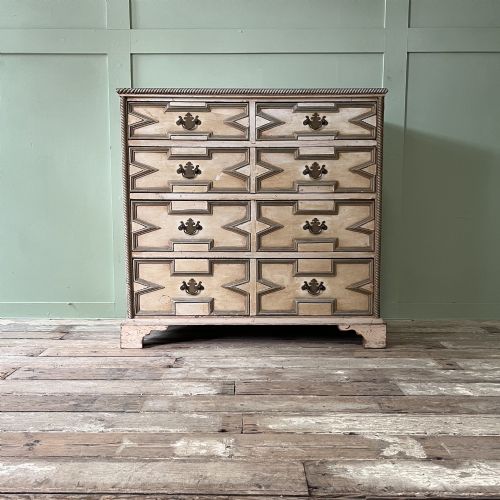
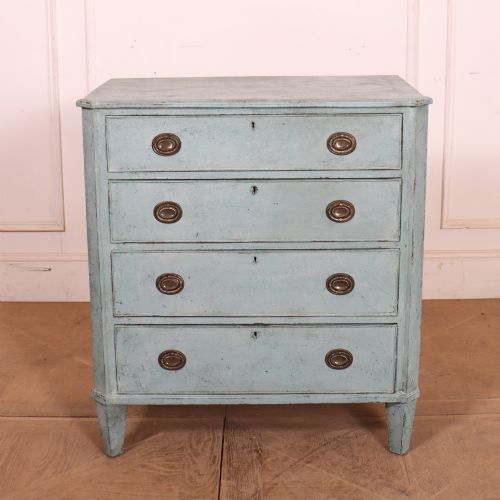
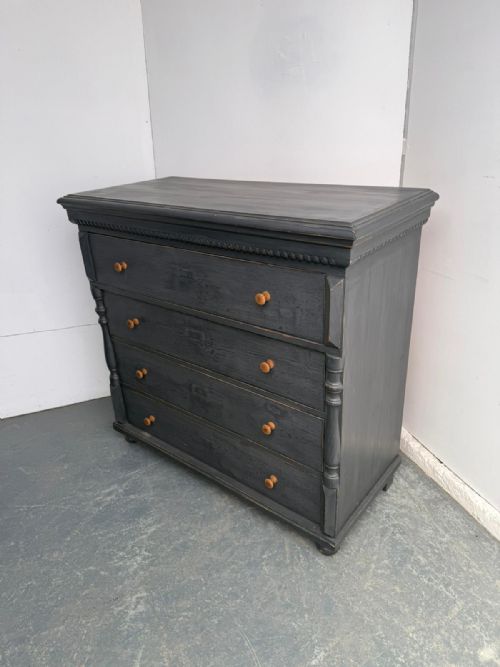
The aesthetic leans towards softened neutral palettes, ranging from pale stone shades to deeper slate tones. Drawers range from two-tier compact commodes to tall five-drawer pine chests built for domestic utility.
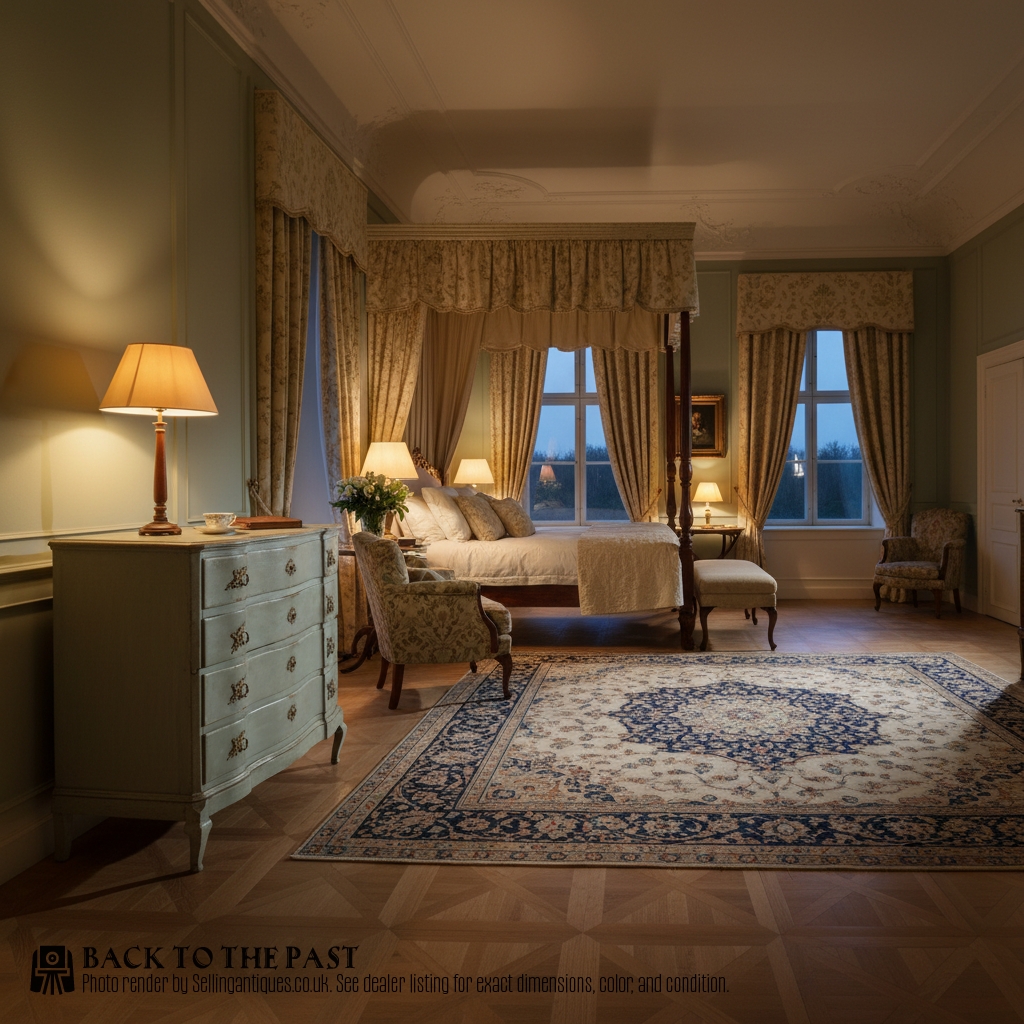
How they were made
Carpenters constructed the underlying carcases using solid timbers such as pine, oak, ash and walnut. Dovetail joints typically secure the drawer boxes, reflecting standard period cabinetmaking practices.
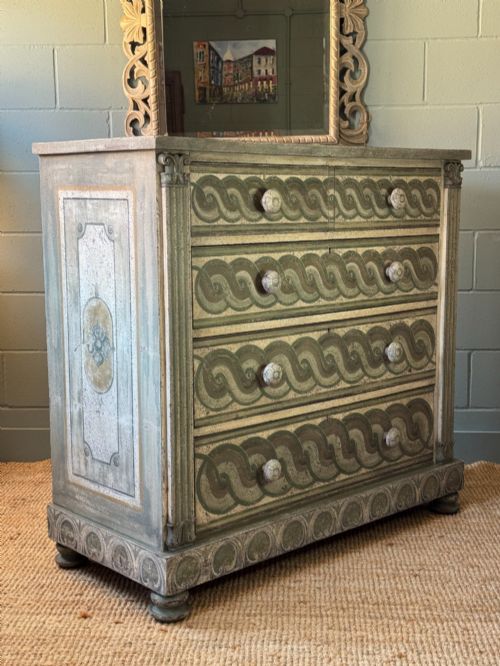
Surfaces received multiple layers of lead- or oil-based paint, sometimes finished with delicate hand-painted motifs or gilt highlights. Marble tops appear on several French and continental examples, providing a durable and decorative upper surface.
Grey Painted Commode Retail Price Guide 2026
Typical asking prices for grey painted commode among the pieces listed under this phrase on Sellingantiques today, from the lower quarter to the upper quarter. They describe what is for sale here now, not the wider market.
Pine and oak serve as the primary timber substrates across the 18th-century and 19th-century listings.
What varies in quality
The integrity of the structural timber dictates the foundational standard of the commode. Sound joints, straight drawer runners and well-preserved carcases distinguish robust furniture from pieces weakened by woodworm or damp.
The character of the paint surface separates ordinary conversions from distinguished items. Original scraped paint and untouched period finishes hold greater appeal than heavy modern re-paintings that obscure the underlying woodwork.
Sir Clough Williams-Ellis·Edwards and Roberts
The Grey Painted Commode Glossary
- Commode
- A low chest of drawers or cabinet designed for domestic storage. Originating in France, the term applies broadly to antique drawer units found across Europe.
- Gustavian
- The Swedish neoclassical style spanning the late 18th century, characterised by restrained symmetry and pale grey or cream painted finishes.
- Bombe
- A swelling, convex furniture shape characteristic of continental European commodes from the 18th and 19th centuries. This curved profile requires skilled timber shaping.
- Serpentine
- A furniture front featuring a concave centre flanked by two convex ends, creating a gentle undulating wave. Cabinetmakers used this technique to add visual movement to chests.
- Dovetail
- A traditional wood joint formed by interlocking wedge-shaped fingers. This construction method secures drawer corners with high tensile strength.
Grey Painted Commode: Frequently Asked Questions
How do I date a grey painted commode?
Examine the construction methods inside the drawers, such as hand-cut dovetails and timber thickness, alongside the style of the hardware and feet.
Paint analysis also helps determine whether the grey finish dates to the original period or represents a later decorative application.
Are marble top commodes heavy?
Marble slabs add considerable weight to the upper section of these chests. The stone sits unattached or bedded on the wooden carcase for easy removal during transport.
Take care when moving these pieces to lift the wooden base rather than relying on the marble slab for leverage.
Where should I place a commode at home?
These chests function well in hallways, living rooms and bedrooms as statement storage pieces. Their neutral painted finishes allow them to complement both traditional interiors and modern minimalist spaces.
Ensure the floor is level so the drawers open and close smoothly without jamming.
How do I care for antique painted wood?
Dust the surface regularly with a soft, dry cloth to prevent dirt accumulation. Avoid harsh chemical cleaners and excessive moisture that might damage fragile historic paint layers.
Maintain a stable room temperature to protect the underlying pine or oak carcase from shrinking or warping.