



19th Century Swedish Chest
A 19th century Swedish chest brings domestic history into a modern room through honest carpentry and regional form.
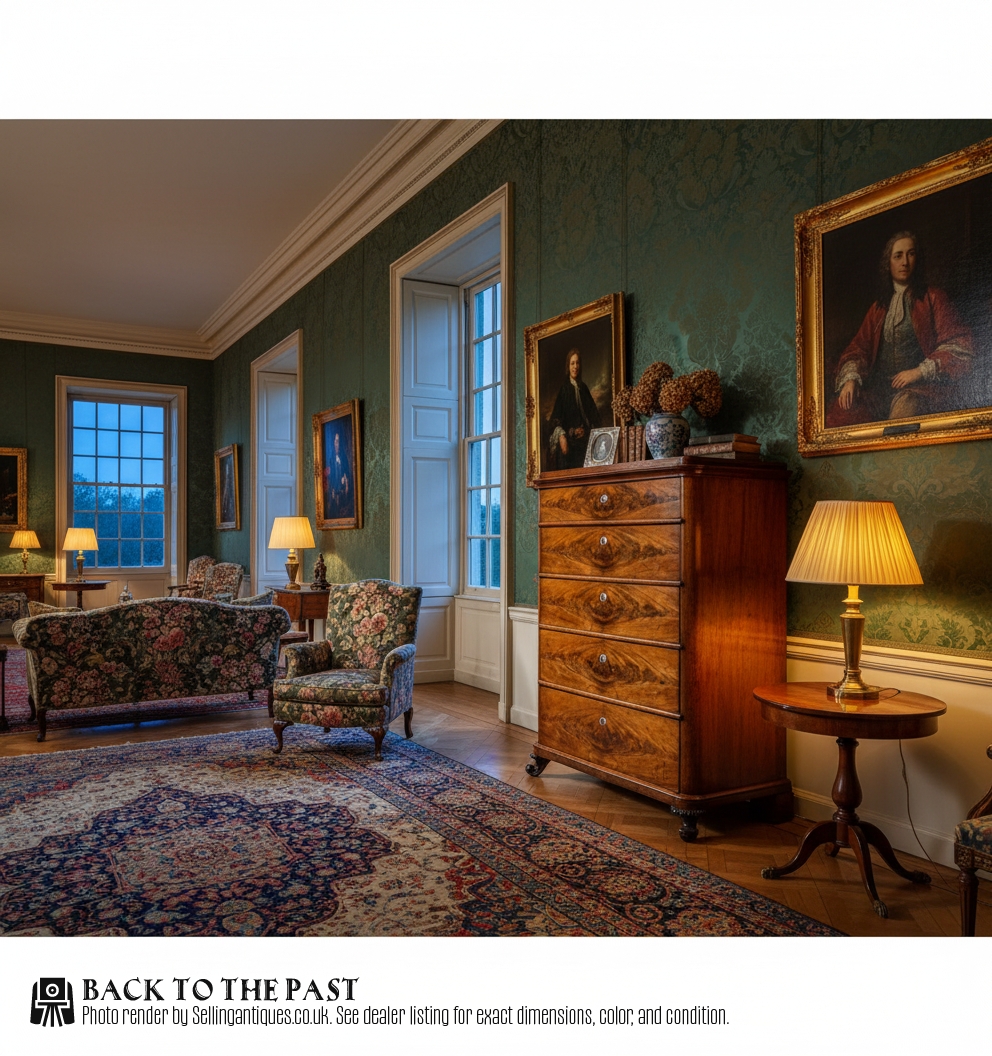
19th Century Swedish Chest
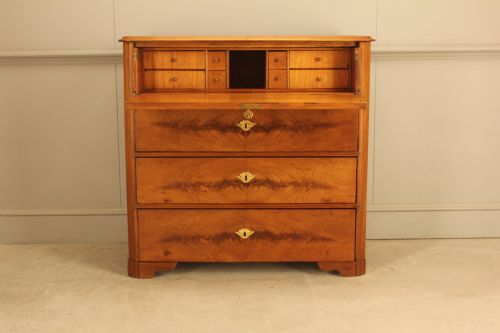
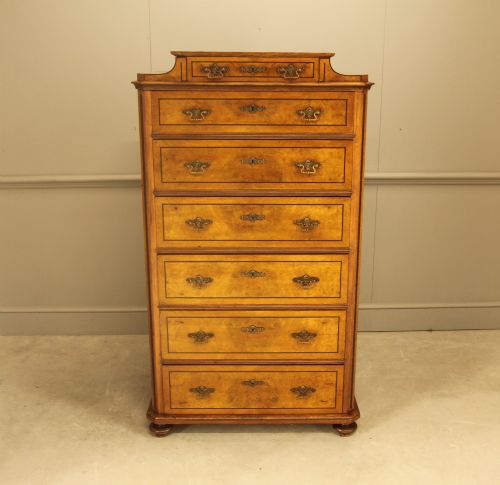
A 19th century Swedish chest encompasses a diverse group of storage furniture, ranging from heavy marriage trunks and strong boxes to sophisticated drawer units and secretaires. Buyers exploring this category encounter sturdy utilitarian pieces alongside refined commodes influenced by Gustavian and Biedermeier design.
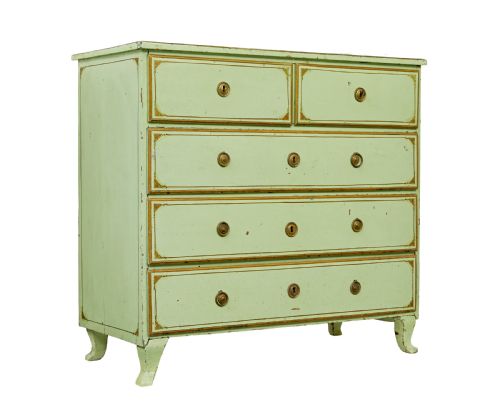
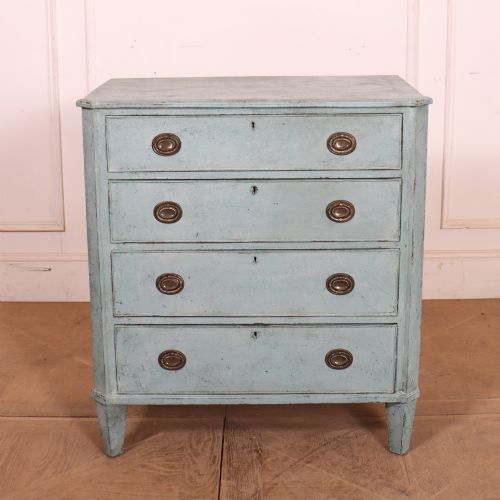
The most prevalent examples on this page are upright chests of drawers and painted commodes. These items reflect both the rural folk traditions and the urban cabinet-making standards of nineteenth-century Scandinavia.
Beyond standard drawer units, the selection frequently includes specialised forms such as bonnet top cabinets, wall cupboards, and shaped strong boxes. Each type serves a distinct storage function rooted in period domestic life.
Materials and Construction
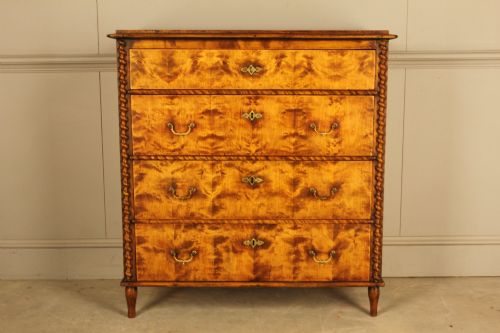
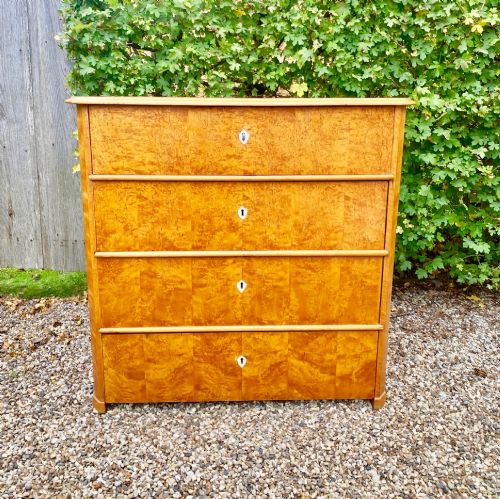
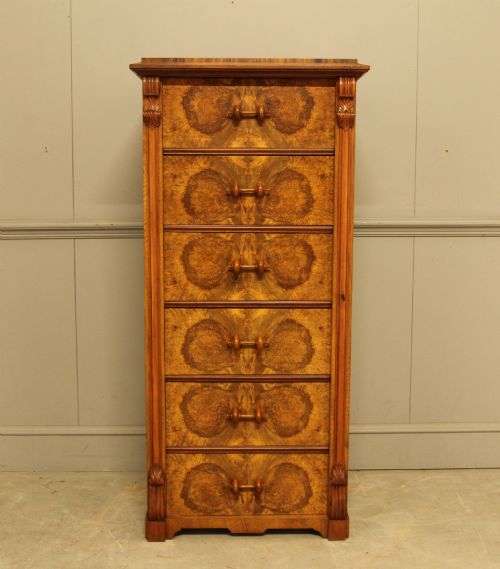
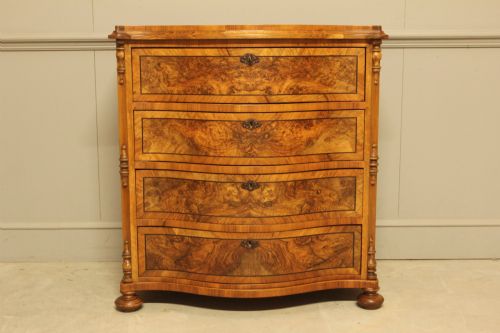
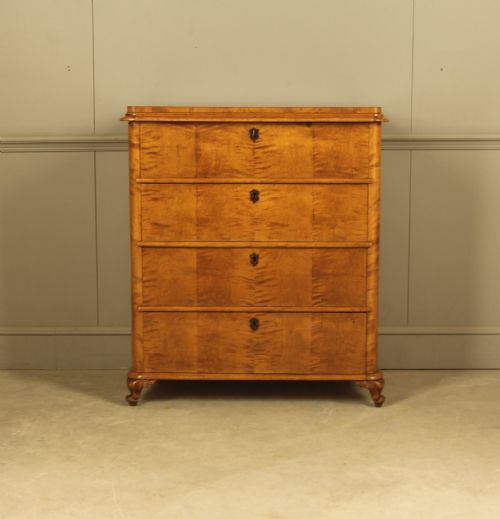
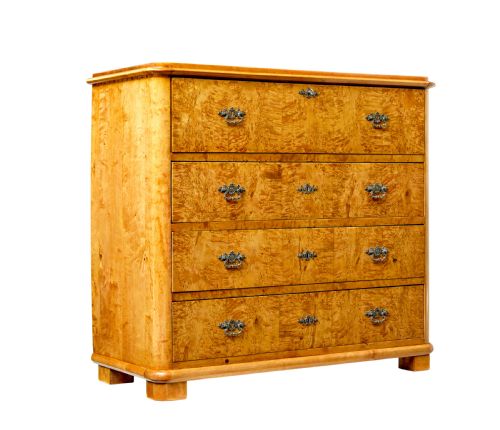
Carpenters relied heavily on native softwoods and hardwoods, constructing carcases primarily from pine while utilising birch, burr birch, flame birch, masur birch, and walnut for visible surfaces. Walnut and mahogany veneers also appear on high-status urban pieces, complemented by details in brass, iron, wrought iron, and bone.
Surface treatments define a large portion of the inventory, utilising layers of paint, hand-painted folk decorations, and faux marble finishes. Structural integrity relied on traditional joinery, dovetailing, and the careful selection of figured timber grains to enhance aesthetic appeal.
19th Century Swedish Chest Retail Price Guide 2026
Typical asking prices for 19th century swedish chest among the pieces listed under this phrase on Sellingantiques today, from the lower quarter to the upper quarter. They describe what is for sale here now, not the wider market.
Heavy iron drop handles kept fingers safely away from the paintwork when hauling strong boxes across cold floors.
Standards of Execution
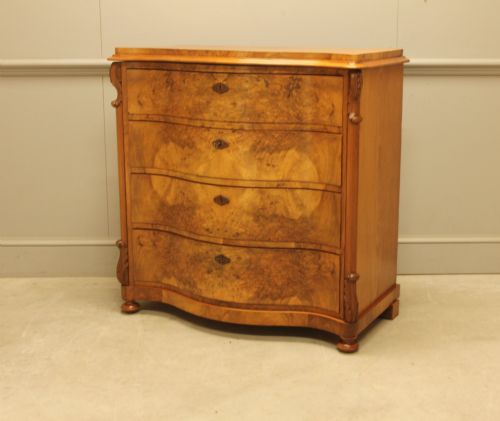
The distinction between standard domestic items and superior examples rests on timber selection and decorative execution. Pieces utilising highly figured burr, flame, or masur birch veneers represent a higher tier of cabinet-making compared to plain utilitarian pine.
Surface preservation significantly influences the standing of painted pieces. Original undisturbed paintwork and disciplined hand-painted folk motifs retain greater integrity than later repainting, while precision in drawer construction and shaped serpentine fronts mark superior workshop output.
The 19th Century Swedish Chest Glossary
- Commode
- A low chest of drawers or cabinet, typically standing on legs and designed for domestic storage. In nineteenth-century Swedish interiors, these often feature painted finishes or decorative wood veneers.
- Secretaire chest
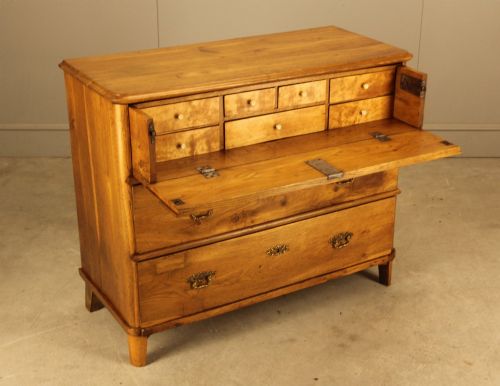
- A chest of drawers incorporating a fitted writing drawer that pulls down to reveal a desk surface and small compartments. This dual-purpose form was popular in urban Scandinavian households.
- Masur birch
- A decorative timber variant exhibiting distinctive swirling patterns and dark knots caused by localized tree growth. Cabinet-makers prized this wood for drawer fronts and primary decorative surfaces.
- Coffer
- A large heavy box used for storing valuables or household goods, often fitted with iron hardware. These trunk-like forms represent the older, more utilitarian branch of regional storage.
- Gustavian
- The Swedish neoclassical style spanning the late eighteenth and early nineteenth centuries, characterised by restrained proportions and classical symmetry. Later nineteenth-century pieces frequently show revived influences of this aesthetic.
19th Century Swedish Chest: Frequently Asked Questions
How were these chests used originally?
Nineteenth-century households utilised these pieces for storing clothing, household linens, and personal valuables. Large painted coffers held heavy textiles and marriage dowries, while drawer units served daily bedchamber needs.
Secretaire chests provided a dedicated writing space alongside general storage for household documents. Strong boxes protected smaller items of worth with iron fittings and locks.
How do I care for a painted Swedish chest?
Maintain painted surfaces by keeping the piece away from direct sunlight and fluctuating heat sources that cause timber to move. Dust gently with a dry, soft cloth and avoid chemical cleaning agents.
Wax or oil finishes require occasional treatment suitable for antique wood, but original paint layers should remain untouched by harsh solvents or abrasive materials.
What is the difference between Gustavian and Biedermeier styles?
Gustavian design derives from neoclassical restraint, featuring lighter proportions, pale paint finishes, and subtle classical carvings. It reflects an earlier aesthetic that continued to inspire nineteenth-century makers.
Biedermeier furniture emphasises comfort and domestic warmth through polished wood grains, clean lines, and minimal ornamentation. This later style showcases the natural beauty of birch and walnut veneers.
How can I tell if the paint is original?
Original nineteenth-century paint surfaces show consistent wear patterns, craquelure, and integration with the underlying timber substrate. Pigment analysis and close inspection around hardware reveal the age of the finish.
Later overpainting often obscures the texture of the wood beneath and lacks the subtle tonal variations accumulated through generations of domestic use.