





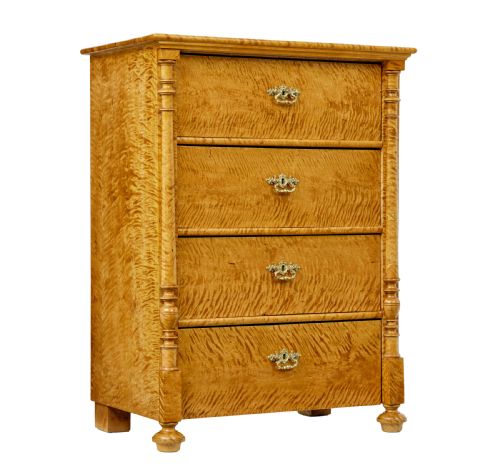


19th Century Birch Bureau
A 19th century birch bureau brings pale wood grain and clever folding writing surfaces into a room, offering both storage and a dedicated workspace.
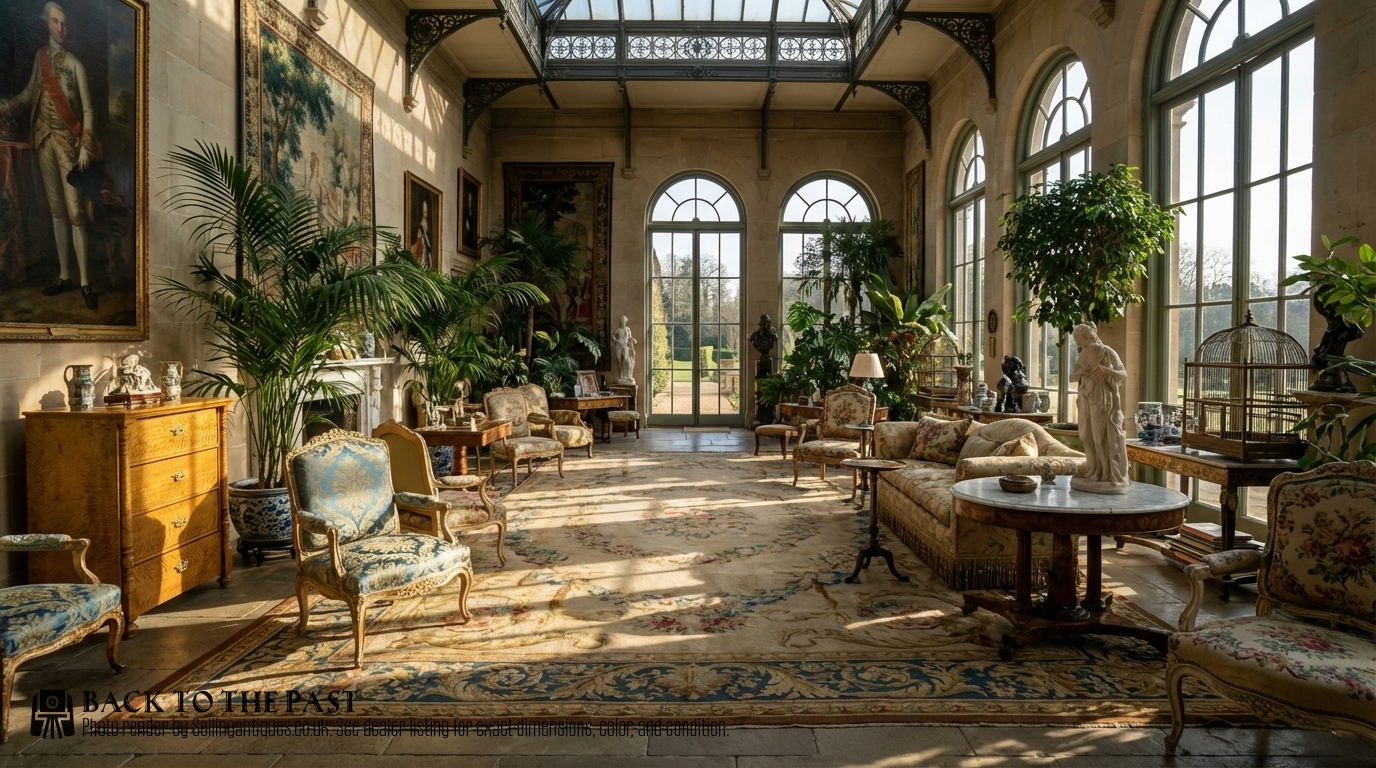
19th Century Birch Bureau
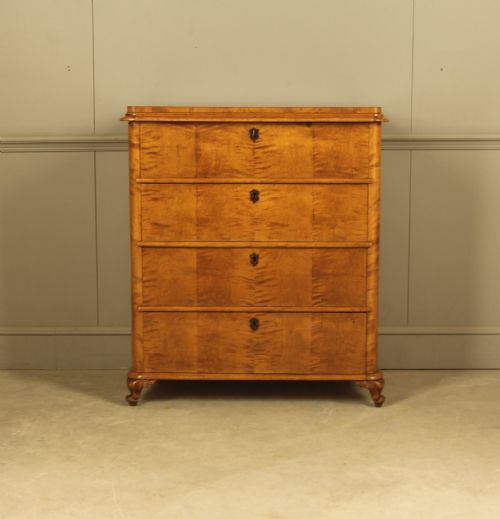
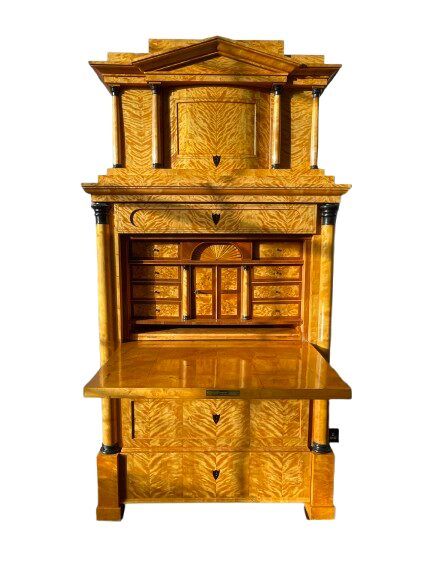
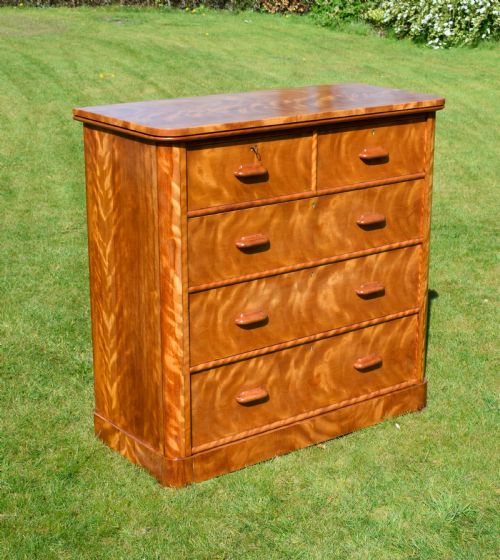
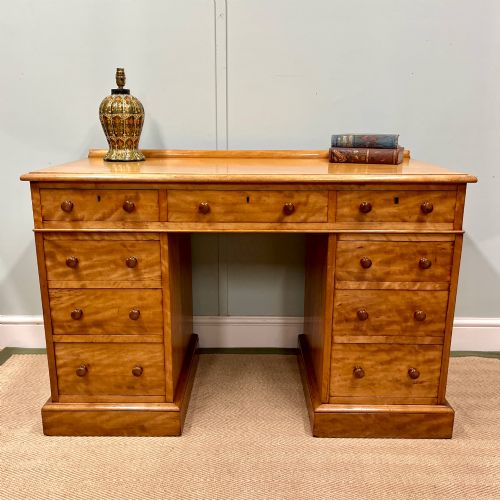
When you search for a 19th century birch bureau, you encounter handsome writing furniture alongside related forms like secretaires, escritoires, and chests of drawers. These pieces originate primarily from the nineteenth century, including specific dates such as 1880.
The selection on this page leans heavily toward Scandinavian origins, featuring numerous Swedish Biedermeier, Swedish Empire Revival, and Scandinavian Country examples. Alongside these distinct desks and bureaux, you will regularly find tall chests of drawers fitted with writing compartments.
The forms vary from imposing proportions down to domestic proportions, often integrating drop-front writing desks with internal drawers and pigeonholes. Buyers frequently seek out these items for their luminous wood tones and functional compartmentalised interiors.
Materials and construction methods
These items rely on timber such as plain birch, satin birch, masur birch, tiger birch, and birch veneer, often combined with secondary pine carcases. Ebonised wood provides sharp contrast on mouldings and details, while brass hardware finishes handles and escutcheons.
Cabinet makers utilised distinct grain patterns, notably flame and tiger figures, to decorate flat drawer fronts and sloping fall-fronts. Veneering techniques allowed workshops to display swirling timber patterns across wide surfaces while maintaining structural stability.
19th Century Birch Bureau Retail Price Guide 2026
Typical asking prices for 19th century birch bureau among the pieces listed under this phrase on Sellingantiques today, from the lower quarter to the upper quarter. They describe what is for sale here now, not the wider market.
The furniture spans Biedermeier, Victorian, Scandinavian Country, and Empire Revival styles from the nineteenth century.
What separates the finest pieces
Quality rests upon the selection and matching of the birch veneers, where continuous flame or masur figures across a drawer bank demonstrate superior craftsmanship. The richness of the natural grain dictates the visual impact of the piece far more than mere scale.
Construction integrity within the internal writing compartment, secret drawers, and primary structural joints marks the difference between standard cabinet work and exceptional regional design. Original brass fittings and restrained ebonised detailing further elevate the status of a bureau.
Heal and son
The 19th Century Birch Bureau Glossary
- Biedermeier
- A Central European style spanning the nineteenth century known for clean lines, utilitarian comfort, and emphasis on native wood grains. It rejected excessive ornamentation in favour of polished surfaces and architectural restraint.
- Secretaire
- A writing cabinet featuring a drop-front or sliding panel that conceals a fitted interior of small drawers and pigeonholes. These items combine the storage capacity of a chest with a fold-down desk surface.
- Masur Birch
- A decorative timber variation displaying swirling, flame-like disruptions in the growth rings. This figured wood was prized by Scandinavian cabinet makers for its distinctive dappled texture.
- Escritoire
- A small writing desk, often standing on tall legs or built into a chest frame with a hinged writing flap. The term denotes a refined piece designed primarily for correspondence.
- Ebonised Wood
- Timber treated with a dark stain or pigment to simulate expensive ebony. Makers utilised this technique to create striking contrasts against pale birch carcases.
19th Century Birch Bureau: Frequently Asked Questions
How do I use a birch bureau today?
A birch bureau functions well as a compact workspace in a sitting room or bedroom, keeping writing materials concealed behind the drop-front flap. The internal compartments help organise modern correspondence and small items.
When closed, the piece presents a clean wooden cabinet front that complements traditional and contemporary interiors alike.
How do I care for nineteenth-century birch wood?
Keep nineteenth-century birch furniture away from direct sunlight and strong heat sources to prevent the veneers from drying out or splitting. Dust the polished surfaces regularly with a dry cloth and apply a suitable wax polish sparingly when the wood appears dry.
Avoid using modern chemical sprays or excessive moisture on antique timber.
How can I tell Swedish Biedermeier pieces apart?
Swedish Biedermeier items display paler birch tones, restrained neoclassical proportions, and smooth, uncarved pillar supports compared to heavier German variants. The makers relied heavily on striking tiger or flame birch veneers rather than applied gilt ornamentation.
This Scandinavian interpretation prioritised light-filled domestic spaces and functional elegance.