

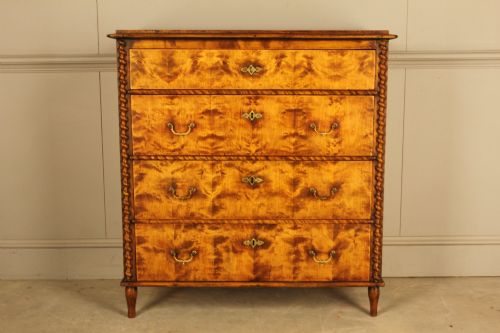
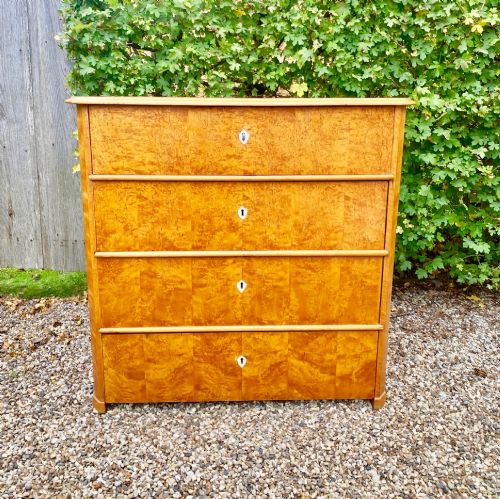
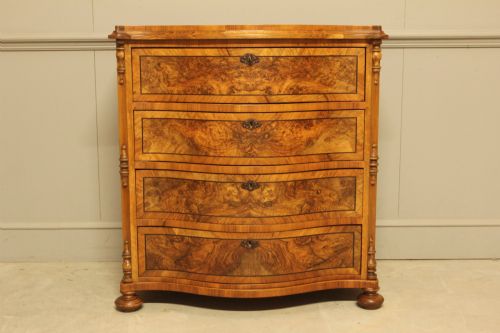
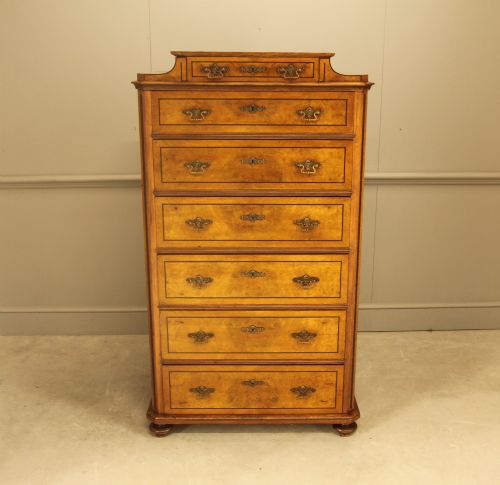


19th Century Swedish Dresser
These pieces combine everyday utility with northern proportion, offering a 19th century swedish dresser that anchors a room with quiet presence.
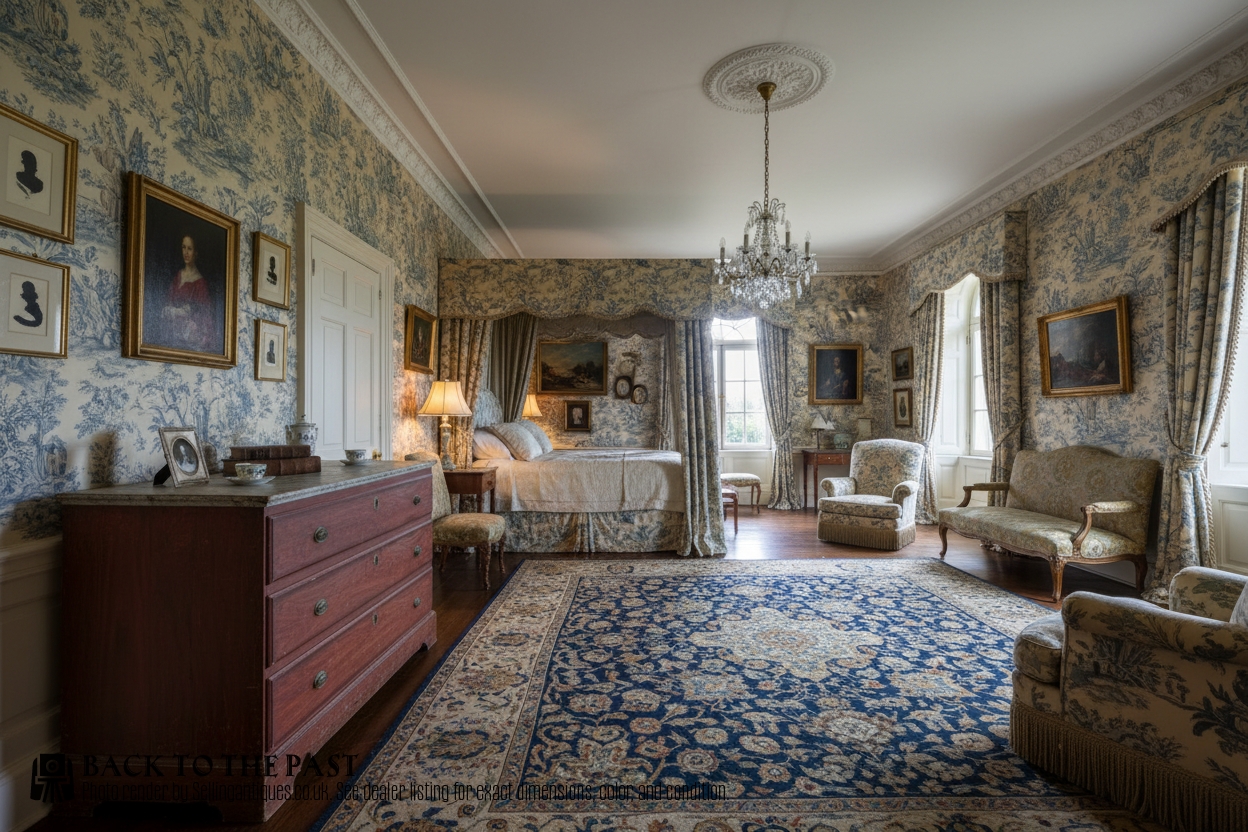
19th Century Swedish Dresser
A 19th century swedish dresser encompasses sturdy storage furniture built across the nineteenth century, ranging from simple kitchen cupboards to grand chests of drawers. Buyers encounter these primarily as birch or pine case pieces rooted in Scandinavian country or Gustavian traditions.
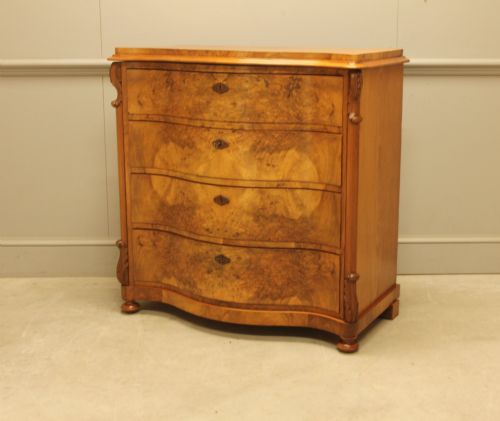
The inventory leans heavily towards chests of drawers alongside cupboards and display cabinets. Pieces reflect specific regional revivals, including Swedish Biedermeier and Empire Revival styles, bringing distinct architectural silhouettes into modern domestic spaces.
Materials and Construction
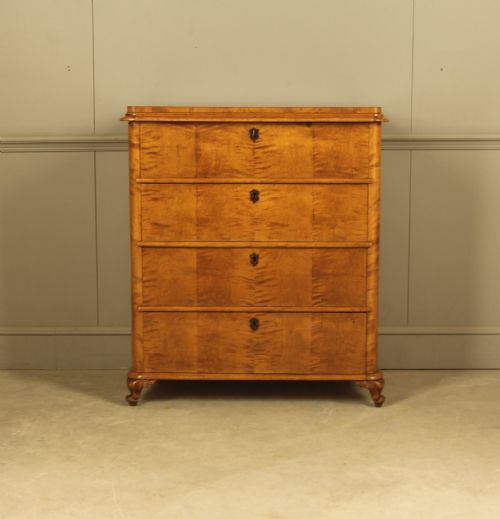
Craftsmen built these items predominantly using native timbers such as pine and birch, frequently selecting flame, masur, or tiger grain variations for decorative surfaces. Iron, brass, and bone fittings provide structural and visual contrast to the dense wooden carcases.
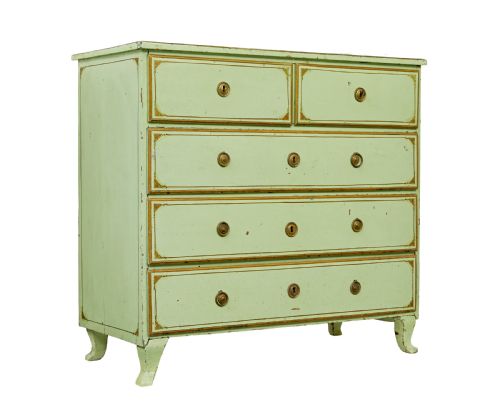
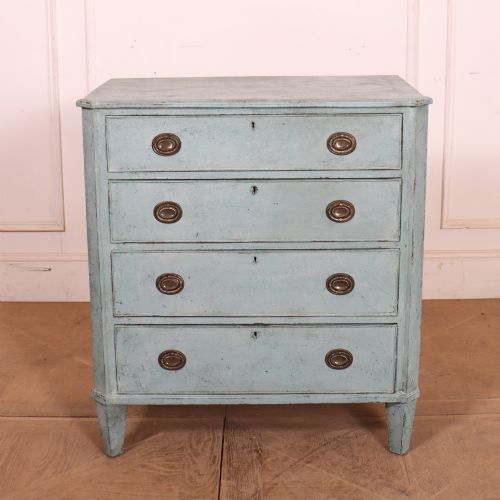
Many examples utilise hand-painted finishes, scraped paint, or faux marble tops rather than polished wood. Carved details and occasional inlay work define the stylistic vocabulary of the period without relying on excessive ornamentation.
19th Century Swedish Dresser Retail Price Guide 2026
Typical asking prices for 19th century swedish dresser among the pieces listed under this phrase on Sellingantiques today, from the lower quarter to the upper quarter. They describe what is for sale here now, not the wider market.
Several cupboards retain their original scraped paint, revealing unexpected layers of historic northern colour beneath.
Assessment of Quality
Quality rests upon the selection of timber figures, where dramatic flame or tiger birch veneers signal superior ambition by the maker. The integrity of original painted surfaces also distinguishes finer examples from later repainted items.
Proportion and restraint separate the better workshops from utilitarian output. Balanced drawer arrangements and well-executed mouldings indicate skilled regional joinery.
The 19th Century Swedish Dresser Glossary
- Commode
- A low chest of drawers or cabinet with doors, commonly associated with formal 19th-century interiors. These items typically feature decorative wood veneers or painted surfaces.
- Gustavian
- A Swedish neoclassical design style characterised by restrained symmetry and light colour palettes. This aesthetic developed during the late eighteenth century and influenced furniture production well into the nineteenth.
- Biedermeier
- A central European and Scandinavian style focusing on utilitarian comfort and clean lines. Swedish interpretations often employ striking birch veneers with minimal hardware.
- Bonnet top
- An arched or hooded upper section found on tall cabinets and cupboards. This architectural feature adds height and presence to storage furniture.
19th Century Swedish Dresser: Frequently Asked Questions
How do I clean a painted finish?
Dust surfaces regularly with a dry, soft cloth to prevent particulate accumulation. Avoid harsh chemical cleaners that strip aged oil or water-based paint.
Test any mild moisture on an inconspicuous area first. Preserving the original patina requires a gentle touch and minimal interference.
Where were these cupboards placed originally?
Kitchens and hallways housed the simpler pine cupboards for daily provisions and textiles. More formal parlours held polished birch chests and display cabinets.
Regional homes utilised every room for dual storage and display purposes. Their adaptable proportions suit similar functions in contemporary hallways and living spaces today.
Are faux marble tops made of stone?
Cabinetmakers painted wooden surfaces to imitate expensive stone varieties like marble. This decorative technique provided the visual weight of luxury materials without the excessive mass.
Close inspection reveals the grain executed entirely in paint. Such surfaces require careful handling to maintain the integrity of the brushwork.