

Swedish Furniture
Swedish furniture brings together painted rustic charm and polished neoclassical restraint, offering enduring utility across centuries of Nordic design.
Swedish Furniture
When you examine swedish furniture, you encounter a distinct blend of utility and regional style spanning from the eighteenth century into the twentieth century. The selection ranges from rustic folk art pieces to refined urban seating and storage.
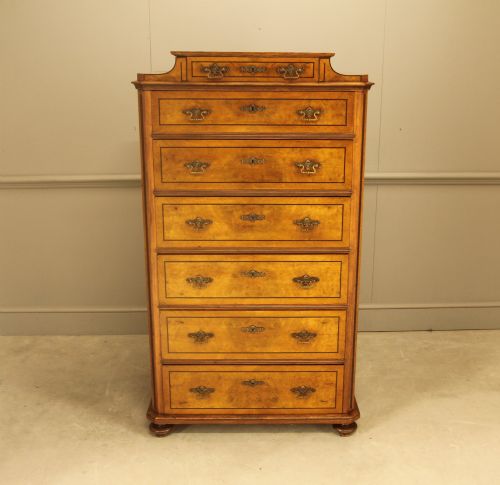
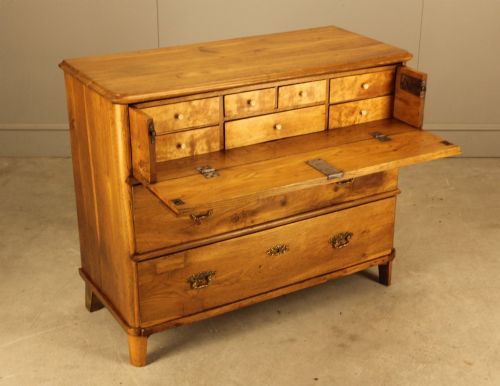
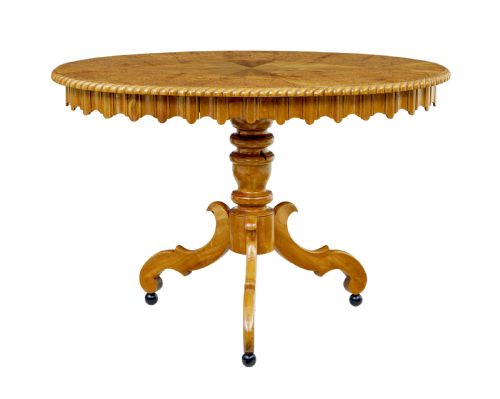
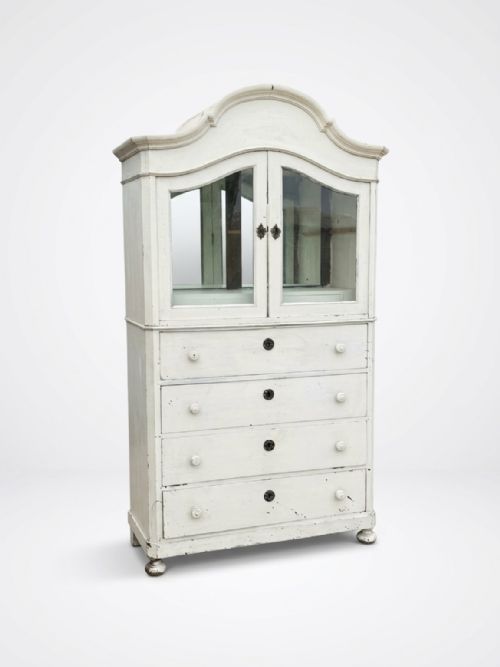
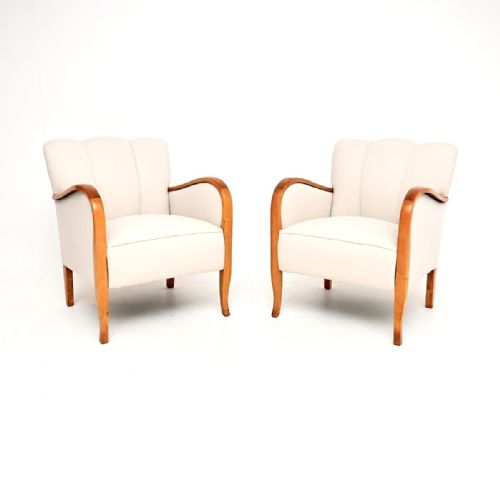
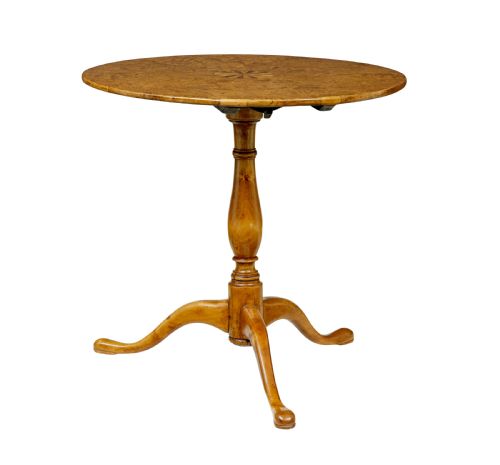
Chest of drawers and commodes form a substantial portion of what you find, alongside dining tables, armchairs, and occasional tables. These forms bridge the gap between simple country living and sophisticated city interiors.
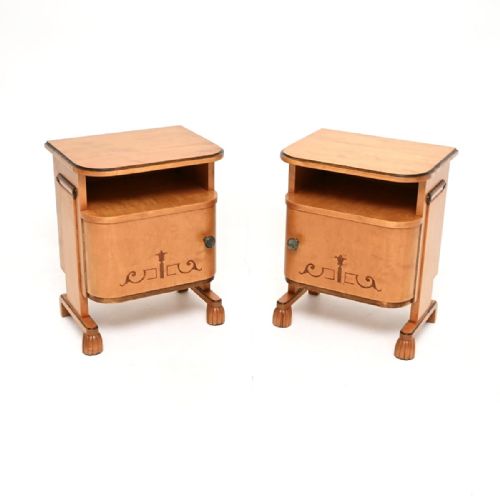
You meet pieces originating from various eras, including eighteenth-century Gustavian and Rococo periods, through nineteenth-century Victorian and Biedermeier, up to twentieth-century Swedish Art Deco and Swedish Grace designs.
Materials and construction
Makers utilised native timbers such as birch, flame birch, burr walnut, satin birch, elm, and pine, often combining solid woods with decorative veneers. Iron and brass hardware provide structural support and functional detail.
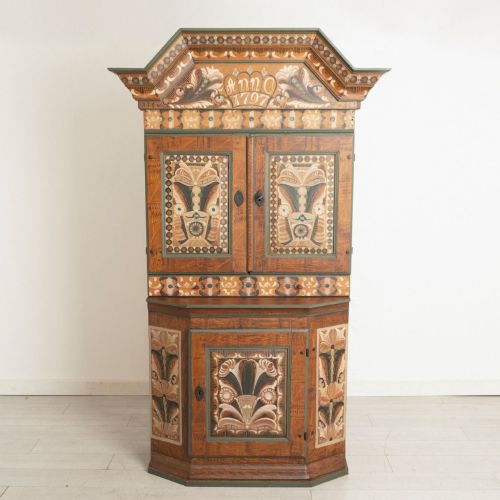
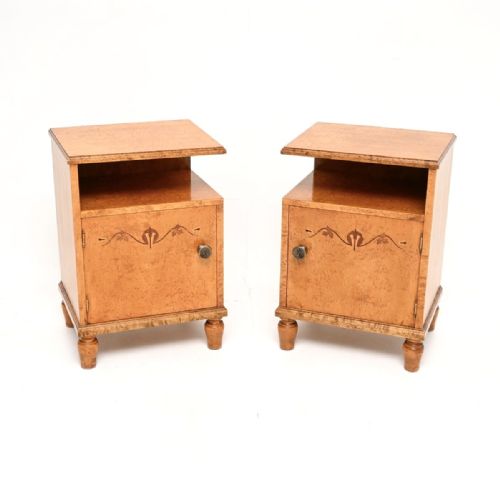
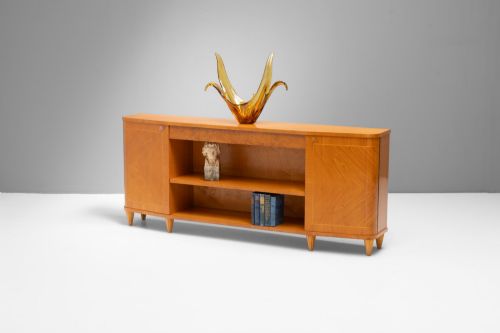
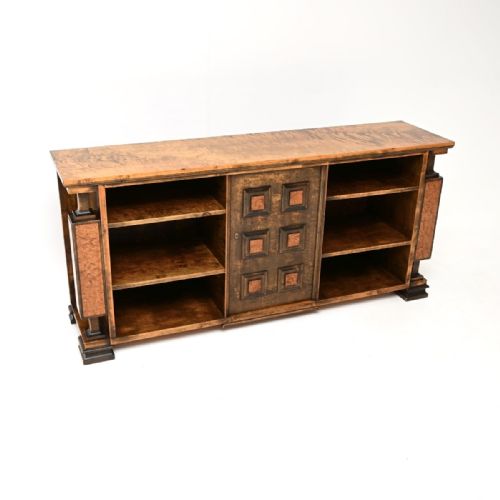
Surface treatment defines much of the visual character, shifting between hand-painted finishes on pine and highly polished, figured wood grains on neoclassical and art deco cabinets.
Joinery techniques reflect traditional cabinet-making standards, accommodating expansion in large chests, commodes, and dining tables while supporting upholstered seating like armchairs and stools.
Listings feature items spanning the eighteenth century, the Victorian era, and the 1930s, constructed from pine, birch, walnut, and iron.
Distinctions in quality
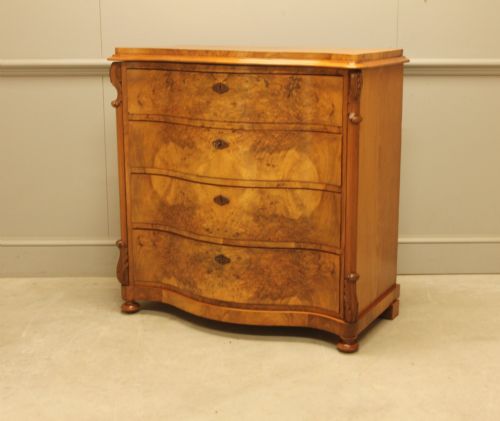
The degree of refinement in timber selection sets different examples apart, particularly in how burr, flame, and satin birch veneers are matched across drawer fronts and cabinet doors. Superior pieces display thoughtful grain alignment that frames the entire form.
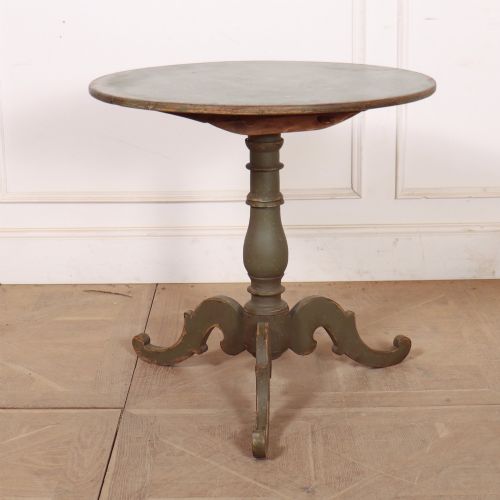
Painted finishes reveal different hands, where layered pigments, hand-painted details, and patination on folk art cupboards or Gustavian consoles demonstrate greater artistic execution than flat modern repainting.
Structural integrity and the preservation of original hardware, marble tops, and internal drawer construction distinguish well-maintained survivals from heavily altered or restored items.
The Swedish Furniture Glossary
- Gustavian
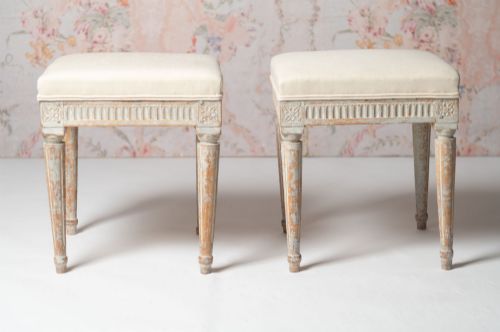
- The Swedish neoclassical style developed during the reign of Gustav III, characterised by restrained carving, fluted columns, and pale painted finishes.
- Biedermeier
- A central European and Scandinavian style popular in the nineteenth century, focusing on clean lines, comfort, and domestic utility without excessive ornamentation.
- Commode
- A low chest of drawers or cabinet designed for domestic storage, often featuring serpentine or bowfront shapes in Swedish interiors.
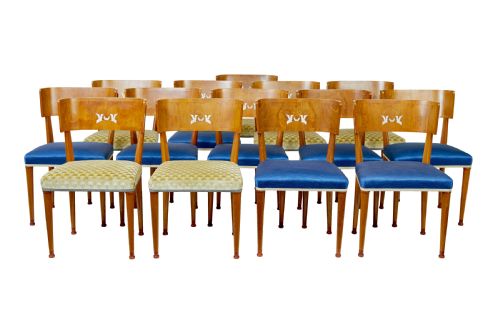
- Klismos
- An ancient Greek chair design revived during the neoclassical and art deco periods, known for its curved backrest and splayed legs.
- Burr birch
- Wood harvested from tree growths that produce intricate, swirling grain patterns, highly prized for veneering cabinet fronts and tabletops.
Swedish Furniture: Frequently Asked Questions
How do I identify Gustavian furniture?
Gustavian pieces draw inspiration from French neoclassical design but adopt a distinctly lighter, more restrained Swedish interpretation. Look for pale painted surfaces, fluted columns, and subtle carved motifs.
These items date predominantly from the late eighteenth century and emphasise symmetry, proportion, and understated elegance rather than heavy ornamentation.
What is Swedish Biedermeier?
Swedish Biedermeier furniture dates largely from the mid-nineteenth century and focuses on domestic comfort and clean architectural lines. These pieces highlight the natural warmth of birch and walnut veneers.
Artisans prioritized smooth surfaces and balanced proportions, allowing the figured wood grain to serve as the primary decoration.
How should I care for antique painted pine?
Painted pine surfaces require gentle cleaning with a dry or slightly damp soft cloth to preserve the historic pigment and underlying patination. Avoid harsh chemical cleaners and modern polishes.
Keeping the furniture away from direct sunlight and extreme humidity fluctuations will protect the wood and paint layers from cracking.
What distinguishes Swedish Art Deco?
Swedish Art Deco, emerging around 1930, combines sleek modernist geometry with luxurious Scandinavian materials like satin birch, elm, and rosewood. These cabinets, armchairs, and dining sets reject ornate past styles.
Instead, they rely on streamlined silhouettes, rich grain patterns, and expert craftsmanship to achieve a sophisticated modern aesthetic.