





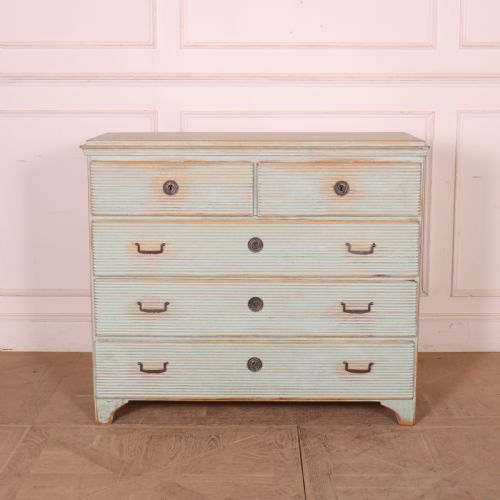


Gustavian Chest of Drawers
A gustavian chest of drawers brings restrained neoclassical proportion and bright painted surfaces into a room.
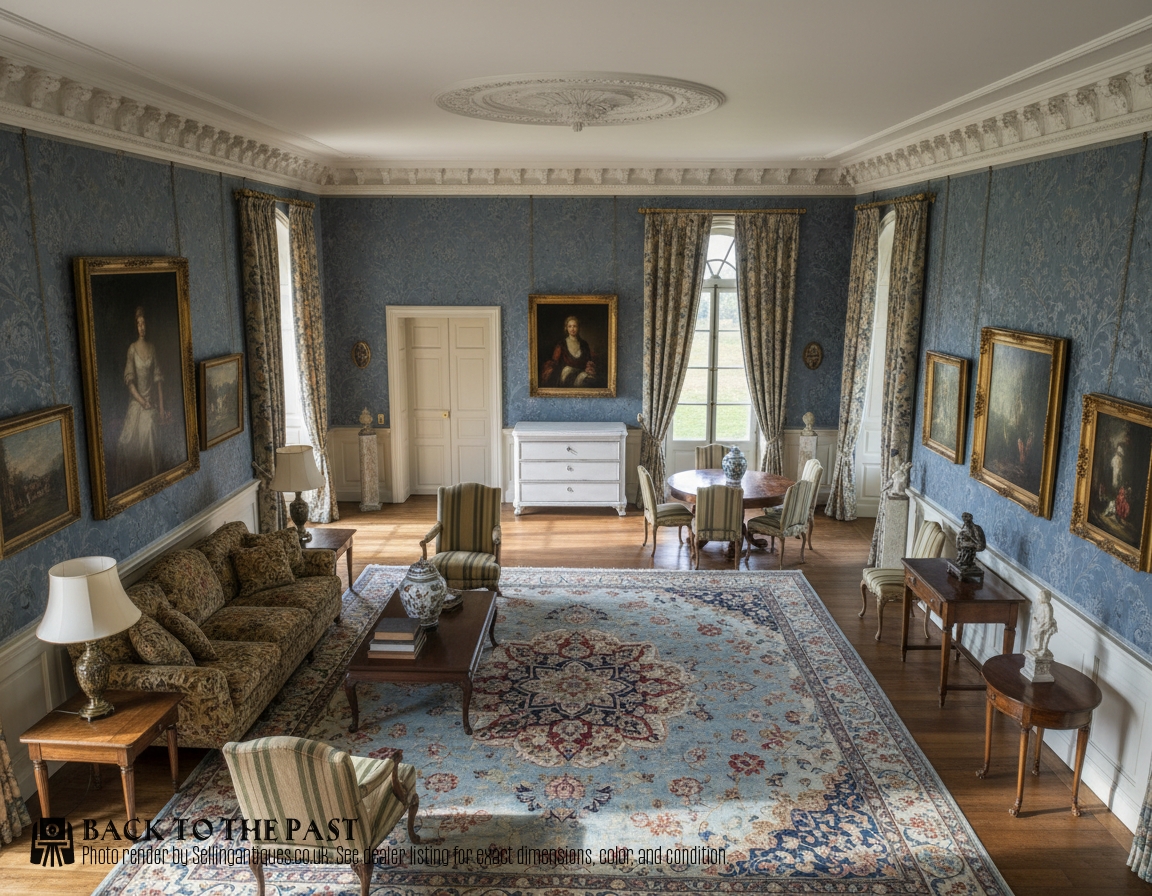
Gustavian Chest of Drawers
When you search for a gustavian chest of drawers, you find storage pieces originating mainly from Sweden during the eighteenth and nineteenth centuries. These items reflect Scandinavian interpretations of continental neoclassical design, often appearing as commodes or upright drawer units.
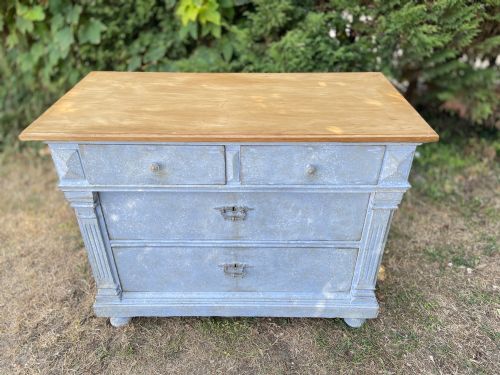
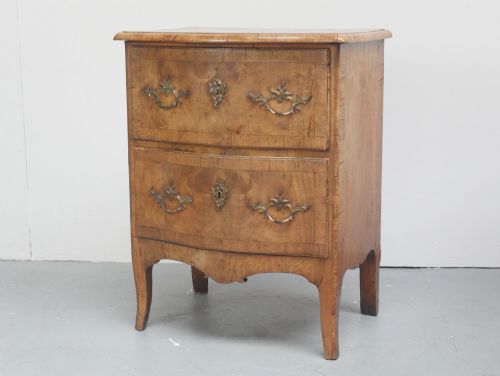
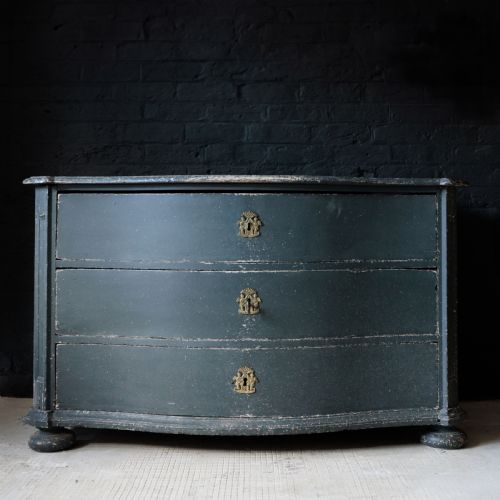
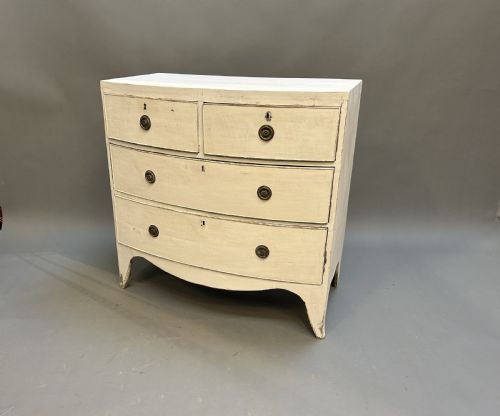
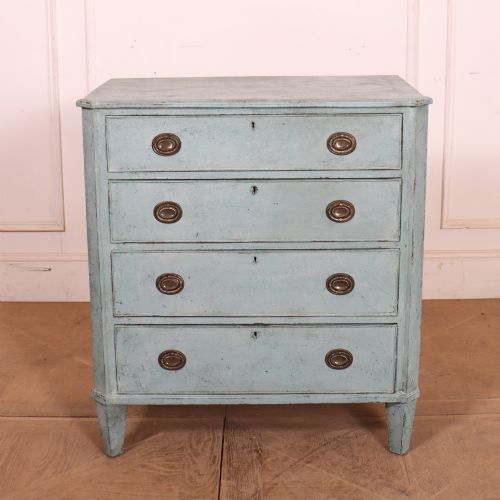
The pieces on this page are most frequently nineteenth-century examples, alongside select eighteenth-century items. Forms range from serpentine fronts and flat chests to pieces with fluted drawer fronts or faux marble tops.
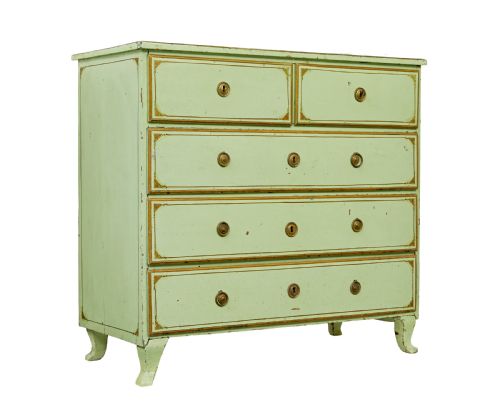
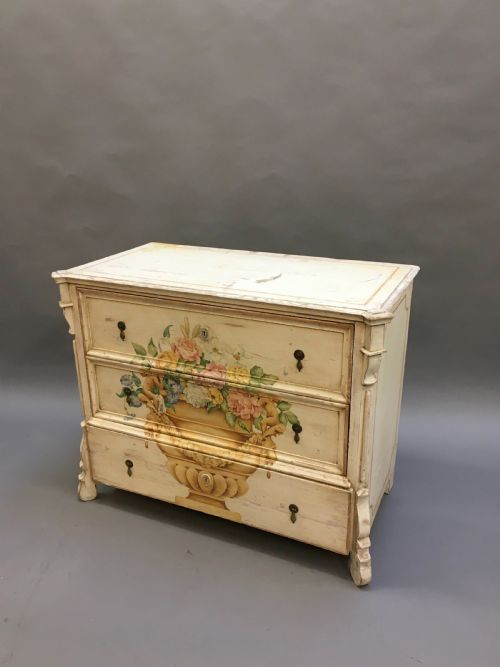
Origins span Swedish, Danish, and Dutch workshops, with Scandinavian country and Gustavian styles dominating the selection. Buyers encounter both unpainted timber surfaces and hand-painted finishes in muted tones.
How they were made
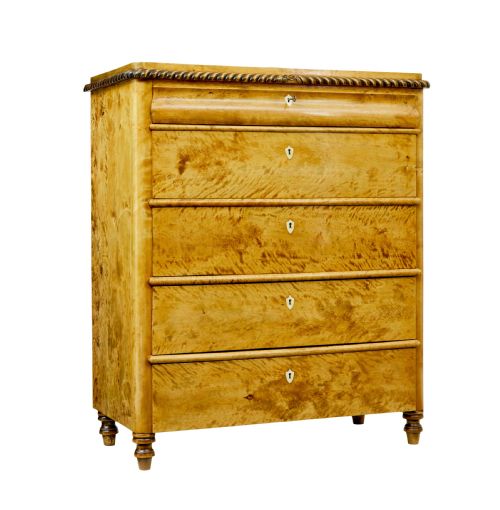
Carpenters constructed these chests primarily using pine, oak, and birch, employing solid timber alongside applied mouldings and carved details. Flame birch surfaces appear where cabinetmakers wished to highlight natural wood grain.
Painted finishes form a defining technique, applied to pine and other woods in layers of oil or water-based paint. Iron and brass hardware secure the drawer pulls and key escutcheons.
Gustavian Chest of Drawers Retail Price Guide 2026
Typical asking prices for gustavian chest of drawers among the pieces listed under this phrase on Sellingantiques today, from the lower quarter to the upper quarter. They describe what is for sale here now, not the wider market.
What varies in quality
Quality rests in the precision of the cabinetwork and the handling of the decorative surface. Sharply carved fluting, well-fitted drawers, and balanced proportions distinguish finer examples from standard utility pieces.
The integrity of the painted surface matters significantly, separating items retaining original historic paint from those with later redecoration. Subtle brushwork and thoughtful colour application elevate a commode above simpler provincial work.
The Gustavian Chest of Drawers Glossary
- Commode
- A low chest of drawers or cabinet originating from French furniture design. These pieces typically sit lower than standard tall chests and often feature decorative fronts.
- Serpentine
- A furniture front curving outward in the centre and inward at the sides. This shape demands advanced woodworking skill to execute properly.
- Gustavian
- The Swedish neoclassical style spanning the late eighteenth century. It takes its name from King Gustav III and balances French influence with Nordic restraint.
- Flame birch
- Timber cut to reveal a distinctive undulating grain pattern resembling flickering flames. Cabinetmakers used this veneer or solid wood on prominent drawer faces.
- Faux marble
- A painted finish imitating the veining and texture of natural stone. Artisans applied this technique to top surfaces to simulate costly marble slabs.
Gustavian Chest of Drawers: Frequently Asked Questions
Where did gustavian chests originate?
These pieces originated primarily in Sweden during the neoclassical period inspired by French royal tastes. Local craftsmen adapted continental styles to suit Scandinavian interiors.
Production extended through the nineteenth century, maintaining clean lines and pale painted finishes across various regional workshops.
How do I use a commode in a modern room?
A commode serves well as bedroom storage for folded clothing or linens. The flat top provides a surface for lamps, mirrors, or decorative objects.
In living areas or hallways, these chests function as sideboards or entry tables while keeping everyday items concealed.
Are these chests made of solid wood?
Makers constructed these pieces using solid timbers such as pine, oak, and birch. Structural elements and drawer boxes rely on sturdy wood construction.
Many examples feature layered paint over pine or exposed birch grain on the primary drawer fronts.
How do I distinguish eighteenth and nineteenth-century pieces?
Eighteenth-century examples often display earlier neoclassical proportions and hand-carved detailing associated with the height of the Gustavian period. Timber selection and construction methods also reflect the period of origin.
Nineteenth-century pieces frequently continue these design traditions while incorporating regional variations in paint colours and hardware.