






Swedish Painted Commode
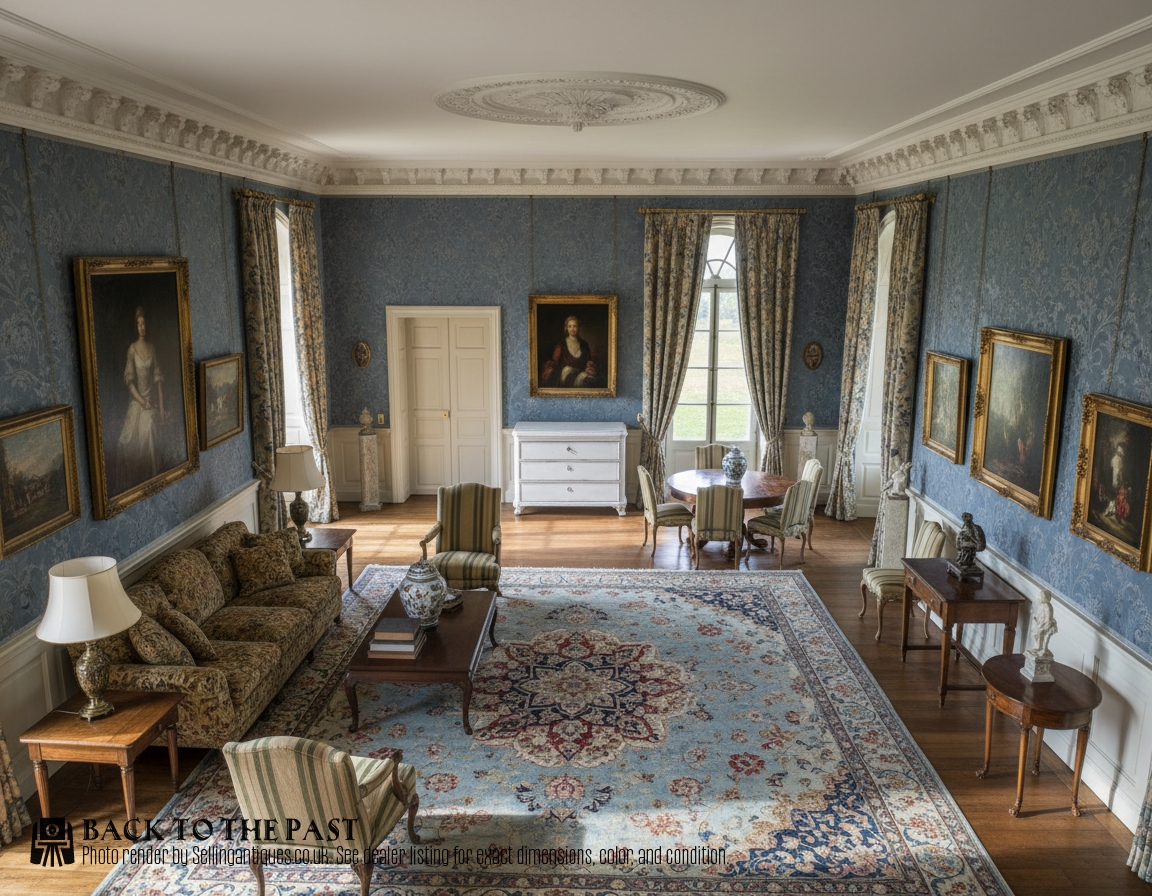
A Swedish painted commode brings architectural line and bright painted surface to a room, offering practical drawer storage with distinct Scandinavian character.
Understanding the Swedish painted commode
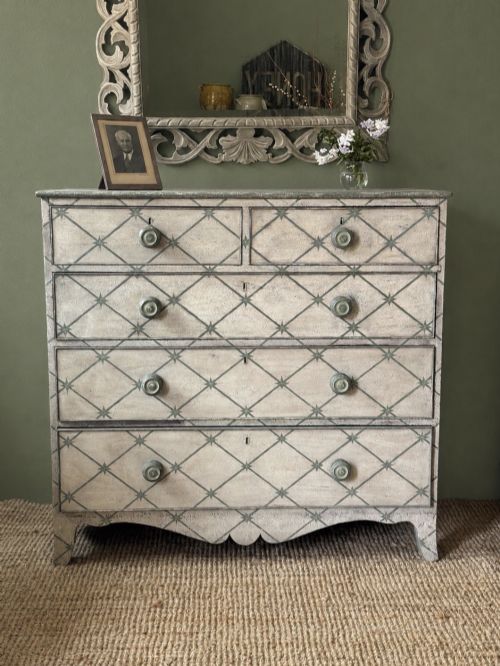
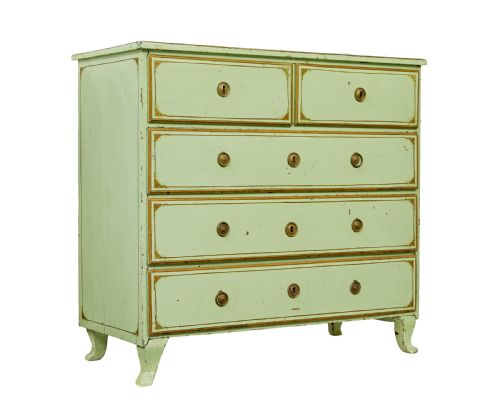
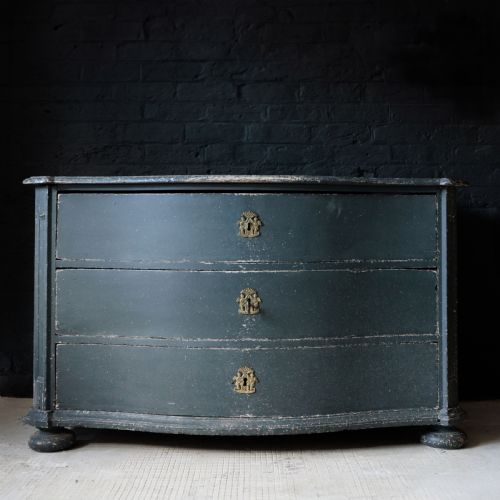
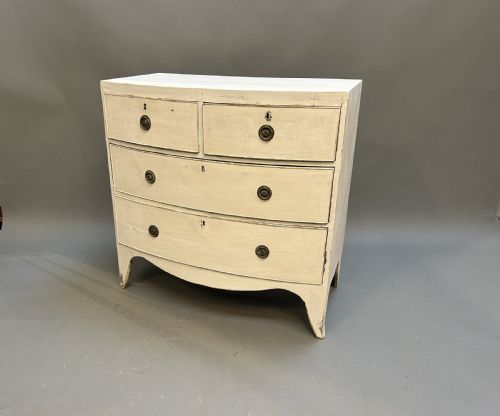
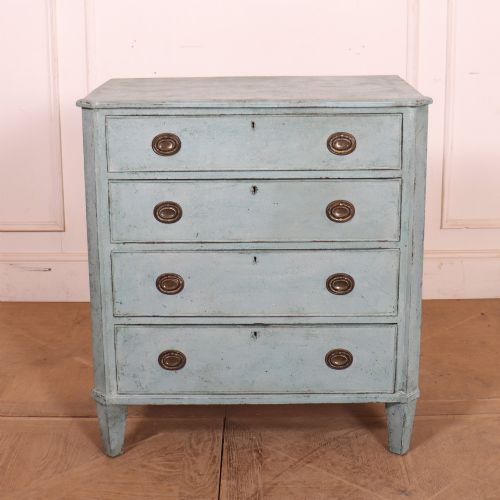
A Swedish painted commode provides storage through stacked drawers set within a case form, frequently recorded as chests of drawers, cupboards, and breakfront commodes. These pieces take shape primarily across the nineteenth century, alongside examples dated to nineteen-twenty, reflecting Scandinavian country, Gustavian, and continental folk art styles.
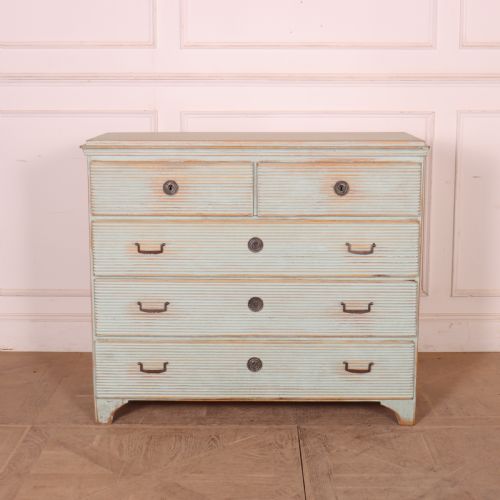
The most common examples on this page are nineteenth-century pine chests of drawers featuring original scraped paint, sometimes paired in sets or detailed with fluted drawer fronts. Buyers encounter pieces ranging from architectural forms to smaller pine chests, all carrying the characteristic painted finish of the region.
Materials and construction
Carpenters constructed these pieces using pine and oak as primary timbers, applying surface layers of paint over the wood substrate. Metal elements such as brass and iron appear in the hardware, including handles and drawer pulls.
Surfaces exhibit original scraped paint finishes that reveal underlying layers and historic tones. Structural details like fluted drawer fronts demonstrate the joinery techniques employed by period makers.
Retail Price Guide 2026
Typical UK retail prices for swedish painted commode, calculated from the Sellingantiques database of over a million retail prices indexed since 2003. This retail price guide relies exclusively on Sellingantiques data; no external sources or auction records are used, so the figures do not describe the wider market.
Listings feature pieces spanning the nineteenth century up to nineteen-twenty, constructed primarily in pine and oak with painted finishes.
Distinctions in quality
Quality rests in the survival of original painted surfaces, where untouched historic layers and scraped finishes distinguish superior pieces from later interventions. The crispness of carved details, such as fluted drawer fronts and architectural mouldings, further separates standard regional work from finer output.
Proportion and form dictate the visual impact of the piece, with balanced breakfront configurations and harmonious drawer arrangements commanding attention. The choice of primary timber, moving from basic pine to select oak, influences the structural integrity and weight of the commode.
The Swedish Painted Commode Glossary
- Commode
- A low cabinet or chest of drawers designed for domestic storage. These pieces typically feature multiple horizontal drawers below a flat top surface.
- Gustavian
- The neoclassical design style of late eighteenth-century Sweden, characterised by restrained classical motifs and light painted finishes. This aesthetic heavily influences later nineteenth-century furniture production.
- Scraped paint
- A surface condition where historic layers of paint are partially revealed through careful scraping of later coats. Collectors value this state for its authentic aged texture and colour variation.
- Breakfront
- A piece of furniture featuring a central section that projects forward from the flanking outer sections. This architectural arrangement adds depth and formal presence to case pieces.
- Fluted
- Surface decoration formed by parallel shallow concave grooves carved vertically into wood. This classical detail appears on drawer fronts and vertical stiles.
Frequently Asked Questions
How do I date a painted commode?
Dating relies on examining construction marks, timber types, and the composition of the paint layers. Nineteenth-century examples often display hand-sawn board marks and authentic scraped paint finishes.
Hardware fixtures and secondary woods inside the drawers also provide clear indicators of period origin. Comparing the stylistic traits to known Scandinavian country and Gustavian designs helps narrow the manufacturing era.
What is original scraped paint?
Original scraped paint refers to a surface treatment where subsequent decorative layers are carefully scraped back to expose the earliest historical paint finish. This technique reveals subtle tones and patination built up over decades of use.
Pieces with this surface retain a matte, chalky texture prized by collectors. It differs significantly from modern distressing because the wear patterns correspond to genuine age.
Where should I place a commode?
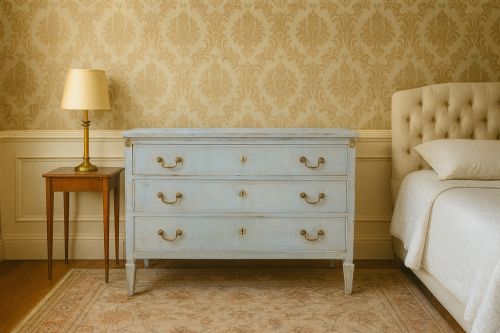
These pieces function well in hallways, living rooms, and bedrooms where surface space and drawer storage are both required. Their painted finishes allow them to act as focal points against neutral walls or to complement other wooden furniture.
Placing the commode away from direct heat sources protects the timber and preserves the historic paint layers. Adequate clearance around the piece ensures the drawers operate smoothly.
Are these pieces made of pine?
Pine serves as the primary structural timber for the vast majority of these Scandinavian chests and cupboards. Oak also appears in select examples, providing a denser substrate for particular forms.
The soft nature of pine meant makers relied on painted finishes to protect the wood and provide decorative colour. This combination defines the traditional appearance of country furniture from the region.