


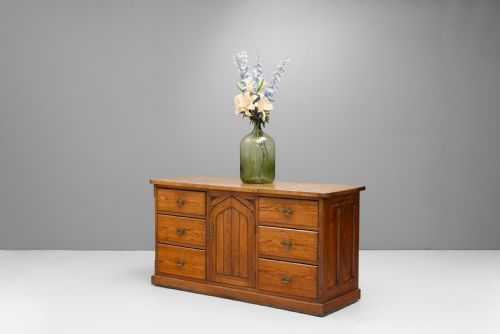
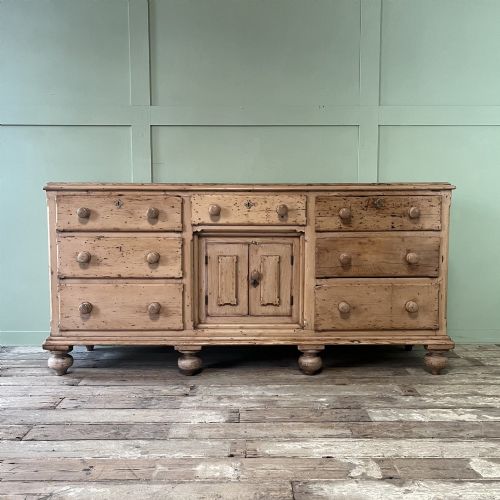
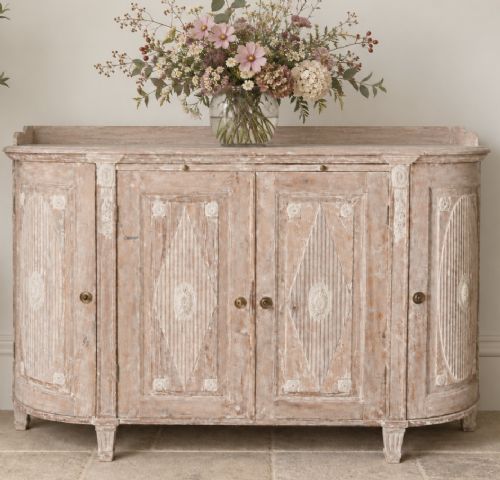

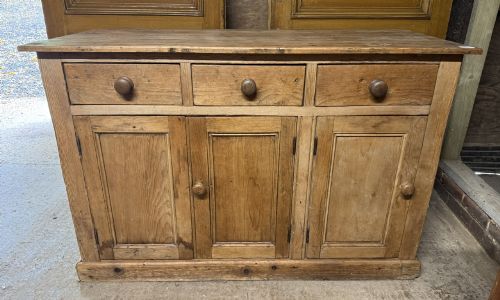



Antique Pine Buffet
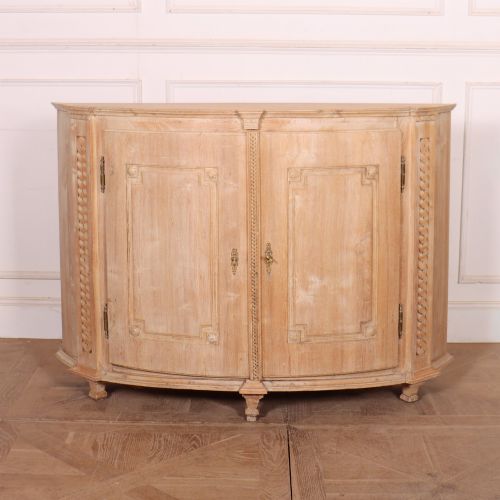
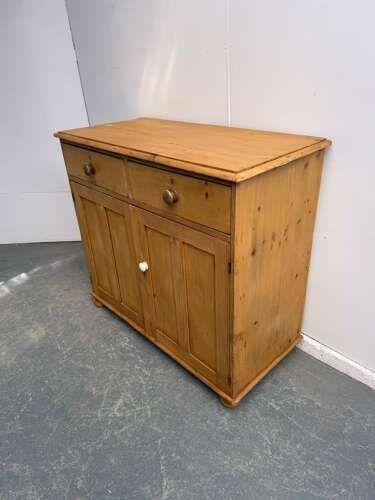
An antique pine buffet brings honest utility and warm grain to a room, offering robust storage built for daily service.
Antique Pine Buffet
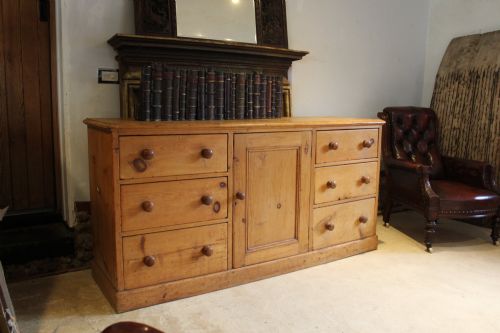
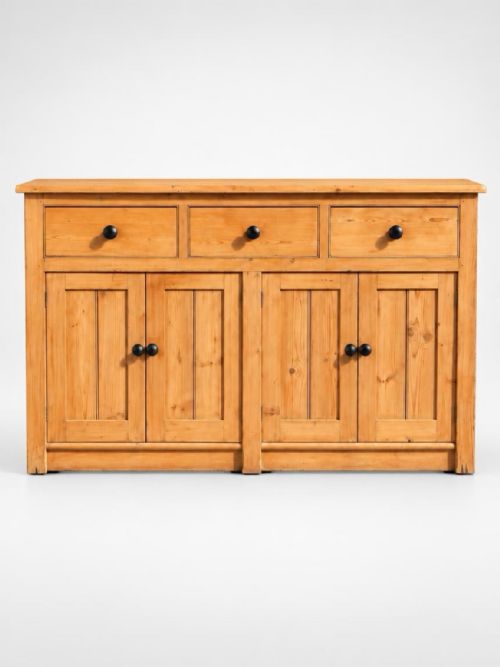
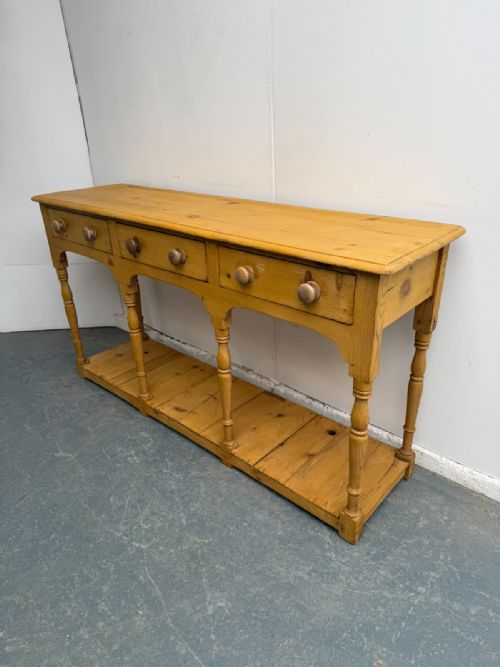
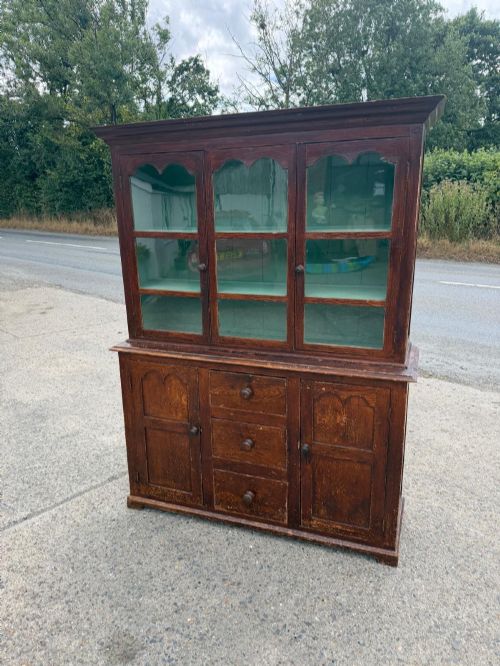
An antique pine buffet or dresser base provides heavy wooden storage with a surface for display or service. These pieces usually feature combinations of drawers and cupboards designed for domestic use in kitchens, dairies, and country houses.
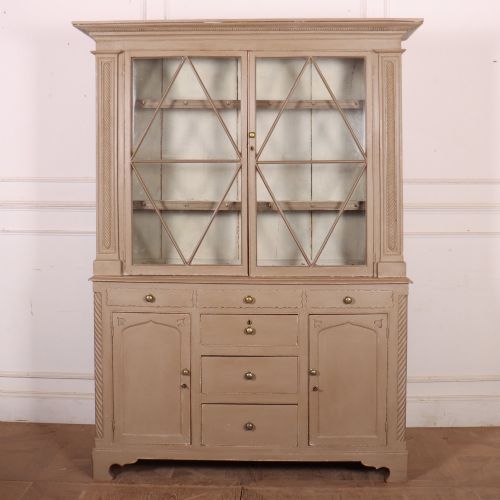
The pieces listed here date from the nineteenth century and the Victorian era, spanning English, Scottish, Hungarian, Swedish, and French origins. Buyers most frequently meet large two-door or three-door cupboard bases and kitchen dressers finished in waxed wood or original paint.
Regional styles dictate the proportions and details, ranging from strict Scandinavian painted cupboards to robust Scottish and English country dresser bases. Each piece reflects the utilitarian demands of its original provincial setting.
Materials and construction
Makers built these pieces primarily from solid pine and painted timber, reinforced with iron hinges, latches, and brass details. Carpenters relied on sturdy board construction to withstand heavy domestic service in farmhouses and provincial kitchens.
Surfaces received either a protective wax polish to highlight the natural grain or coats of paint that survived from the period. Original scraped paint finishes preserve the working history of Swedish and Victorian cupboards.
Antique Pine Buffet Retail Price Guide 2026
Typical asking prices for pine buffet among the pieces listed under this phrase on Sellingantiques today, from the lower quarter to the upper quarter. They describe what is for sale here now, not the wider market.
The listings span nineteenth-century and Victorian periods, featuring pine, painted timber, iron, and brass across British and continental origins.
Judging quality
Quality rests in the survival of original surfaces, whether through a deep waxed patina on the timber or untouched historic paint layers. Pieces with original hardware and uncompromised structural timbers stand above those altered by modern restorations.
Proportion and regional character separate standard utility furniture from exceptional provincial pieces. Hungarian and Scandinavian examples show distinctive joinery and scale that elevate their presence in a room.
The Antique Pine Buffet Glossary
- Dresser base
- The lower section of a kitchen dresser, typically fitted with drawers above cupboard doors, functioning independently as a sideboard.
- Scraped paint
- A historic painted finish partially revealed through careful removal of later decorative layers, exposing earlier colour.
- Waxed pine
- Timber treated with natural wax to nourish the grain and produce a soft, protective sheen over decades of handling.
- Dairy dresser
- A utilitarian storage piece traditionally used in agricultural settings for processing and storing dairy equipment.
- Cornice
- The moulded projection crowning the top of a large cupboard or dresser, defining its architectural silhouette.
Antique Pine Buffet: Frequently Asked Questions
What is an antique pine buffet used for?
These pieces serve as substantial sideboards or storage cabinets in dining rooms, kitchens, and hallways. Their deep drawers and enclosed cupboards accommodate tableware, linens, and household supplies.
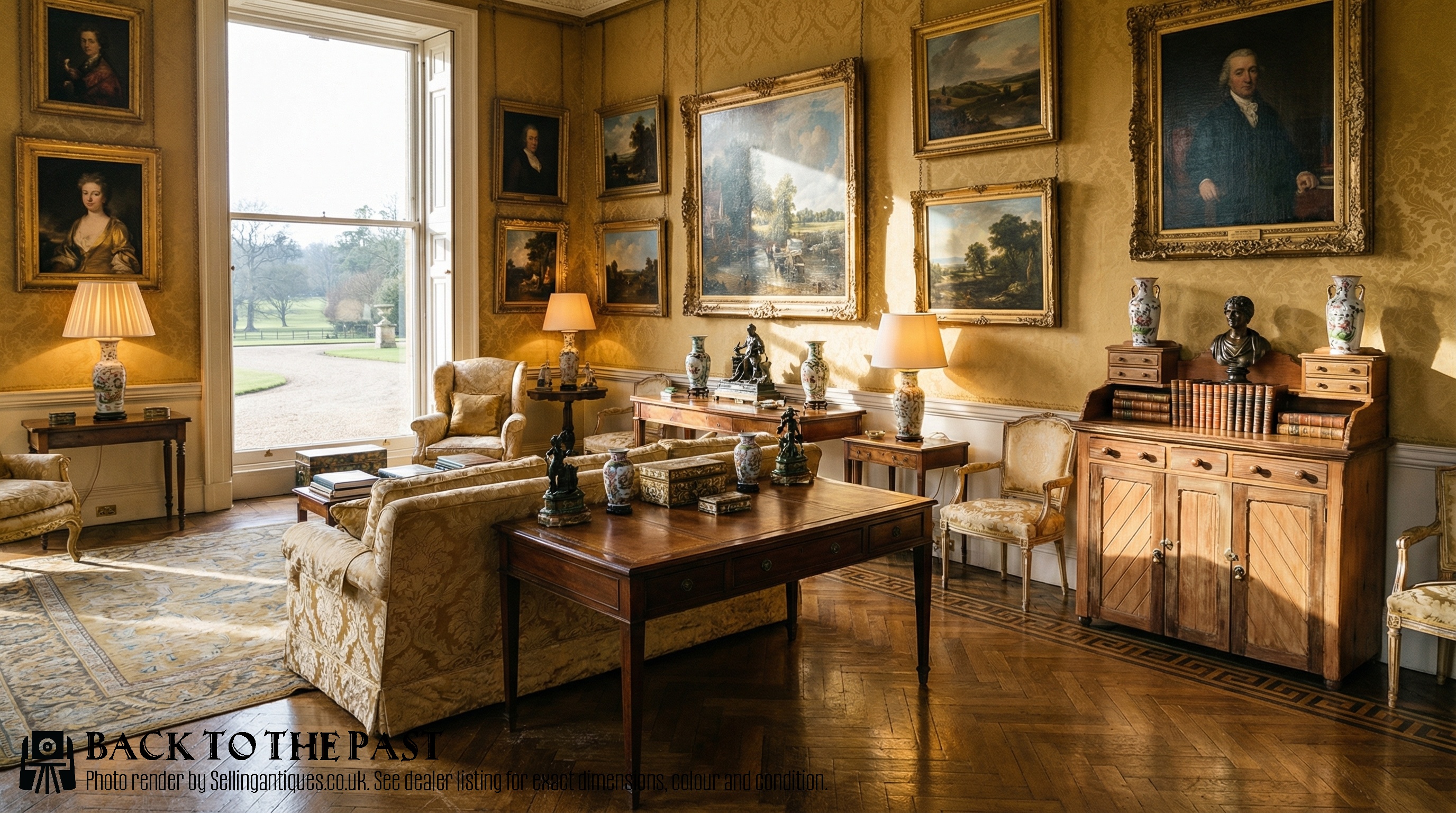
The flat top surface provides ample space for serving food or displaying ceramics and lamps. Their utilitarian origins make them exceptionally practical for modern storage needs.
How do I care for a waxed pine buffet?
Maintain waxed pine surfaces by applying a quality natural beeswax polish twice a year to nourish the timber. Avoid placing the wood in direct sunlight or near heat sources to prevent drying and splitting.
Clean the surface regularly with a soft, dry cloth rather than wet cleaners. Gentle care preserves the historical patina developed over the nineteenth century.
Are these pieces English or continental?
The inventory includes both British examples from England and Scotland alongside continental pieces from Sweden, France, and Hungary. Each region imparted distinct proportions and construction methods to the furniture.
Swedish and Hungarian pieces often feature painted finishes and unique panel details, while British examples lean towards waxed timber and traditional country dresser forms.
What is the difference between a sideboard and a buffet?
While both terms describe low storage furniture with flat tops, antique buffets frequently lean towards heavier country utility. They often incorporate deeper cupboards designed for practical kitchen or dairy storage rather than formal dining rooms.
Sideboards historically served dining spaces for presenting food, whereas nineteenth-century pine buffets originated largely in farmhouses and provincial workrooms.