
Victorian Painted Furniture
Victorian painted furniture brings hand-decorated surfaces and period practicality into modern rooms, offering genuine nineteenth-century character through painted pine and mahogany forms.
Understanding Victorian painted furniture
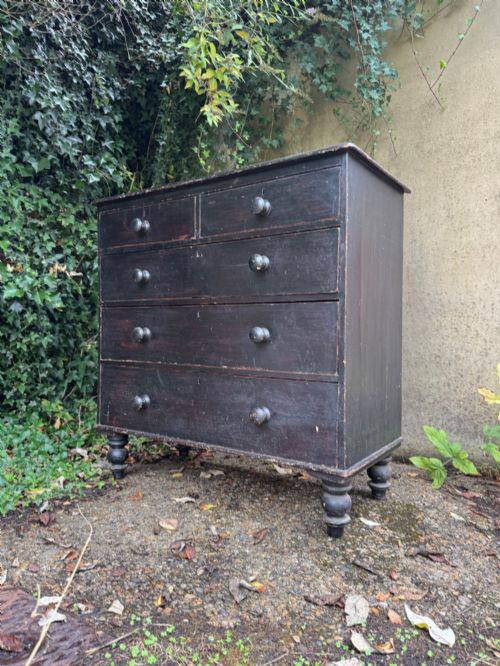
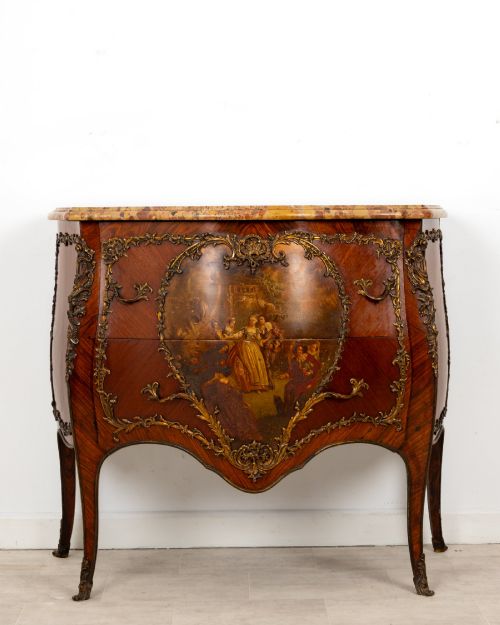
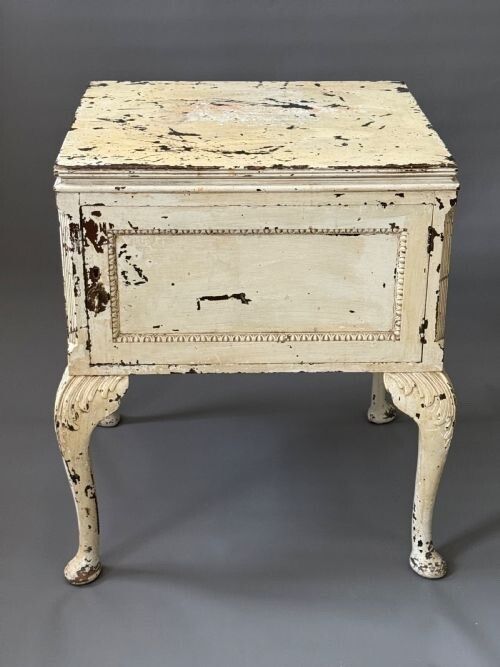
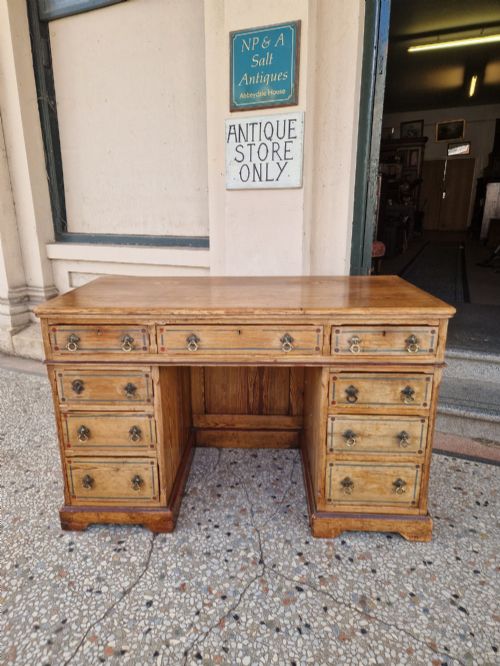
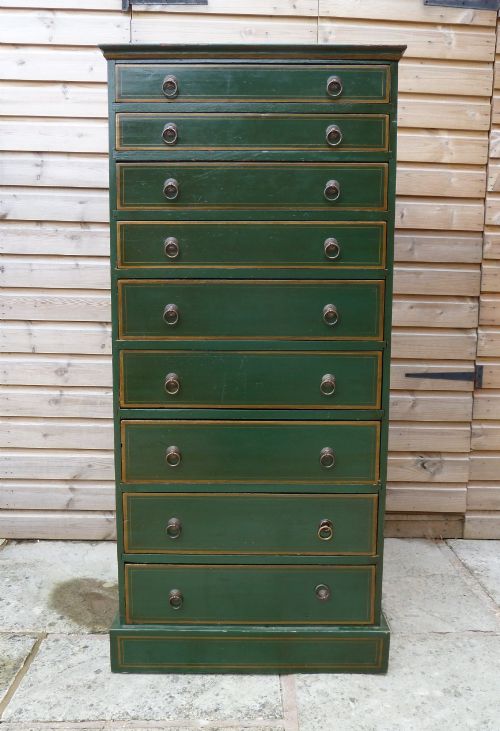
Victorian painted furniture encompasses storage pieces, desks, and cabinets produced during the nineteenth century featuring decorative paintwork rather than plain polished wood. Buyers searching for victorian painted furniture encounter diverse functional forms ranging from large wardrobes and linen presses to compact side cabinets and display units.
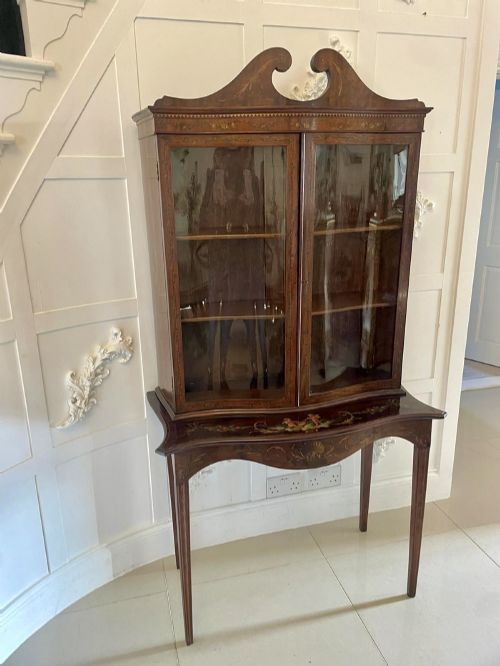
The selection includes specific regional and institutional pieces alongside refined revival styles. Surviving examples incorporate vernacular items such as painted pine kitchen cupboards and school chests alongside more formal mahogany and serpentine display pieces.
Materials and construction
Constructed primarily from solid timber foundations such as pine and mahogany, these pieces utilise traditional joinery suited to heavy domestic service. Structural integrity relies on sturdy timber carcasses combined with applied brass, iron, or glass hardware.
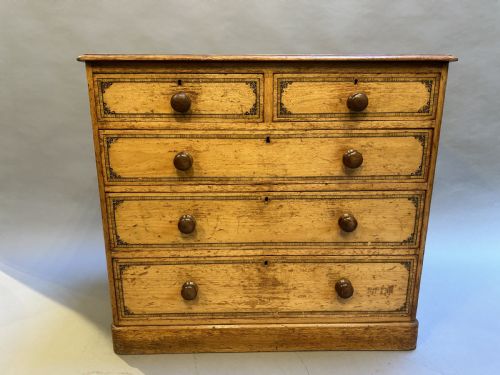
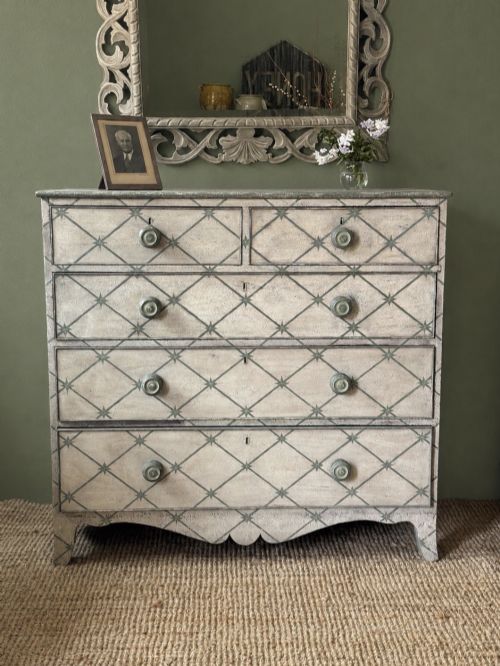
Surface decoration involves hand-painted finishes, sometimes featuring original painted ornamentation or deliberate sign-writing directly onto the wood. The application of paint served both to protect cheaper timbers like pine and to elevate the decorative ambition of finer pieces.
Retail Price Guide 2026
Typical UK retail prices for victorian painted furniture, calculated from the Sellingantiques database of over a million retail prices indexed since 2003. This retail price guide relies exclusively on Sellingantiques data; no external sources or auction records are used, so the figures do not describe the wider market.
One exceptional pine chest bears authentic hand sign-writing from the Bluecoat School in Liverpool.
Distinguishing quality
Quality reveals itself in the fidelity of the construction and the preservation of the original decorative scheme. Pieces retaining their initial hand-painted ornamentation and authentic surface wear demonstrate a higher degree of historical integrity than later repainted examples.
The choice of primary timber also dictates the tier of the piece, with dense mahogany framing and serpentine cabinetry representing a more formal workshop tradition than utilitarian pine storage. Refined stylistic movements like Sheraton Revival demonstrate greater design ambition than simple country utility items.
The Victorian Painted Furniture Glossary
- Serpentine
- A curved shape curving outward at the ends and inward in the middle, frequently seen on the fronts of finer cabinets and sideboards.
- Linen Press
- A tall storage cupboard historically used for storing folded linens, typically featuring upper sliding trays or shelves above drawer sections.
- Sheraton Revival
- A late nineteenth-century design style drawing inspiration from eighteenth-century neoclassical furniture, often lighter in proportion and delicately decorated.
- Dresser Base
- A low kitchen or dining room sideboard featuring surface workspace and lower cupboards or drawers for household storage.
Frequently Asked Questions
What periods do these pieces date from?
The items originate from the nineteenth century, spanning the broader Victorian era with specific examples dated around eighteen seventy and eighteen eighty.
Such dating derives from construction methods, stylistic markers, and recorded historical details associated with each individual piece.
How do I care for painted surfaces?
Preserving the painted finish requires gentle dusting with a dry microfibre cloth and avoiding harsh chemical cleaning agents or excessive moisture.
Keep pieces away from direct sunlight and dramatic temperature shifts to protect both the underlying timber and the historic paint layer.
Are these pieces suitable for daily use?
Most items are robustly built from solid pine or mahogany and serve well for contemporary storage, writing, or display.
Careful placement in stable indoor environments ensures that drawers, doors, and original hardware continue to function smoothly.
What is the difference between country and revival styles?
Victorian country pieces focus on utilitarian practicality, often executed in painted pine for domestic or institutional settings. Revival styles lean into historical aesthetics like Sheraton designs, utilising finer woods and more elaborate decorative schemes.