
Vintage Linen Cupboard
These vintage linen cupboard pieces offer substantial storage and timeless craftsmanship, making them a practical addition to any traditional or period bedroom.
What these pieces are
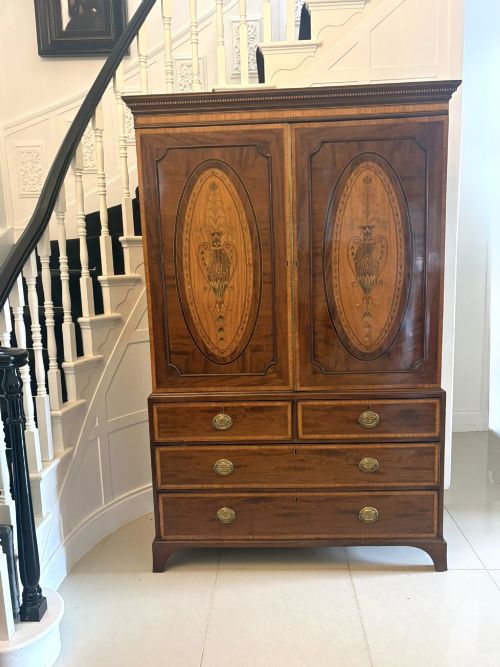
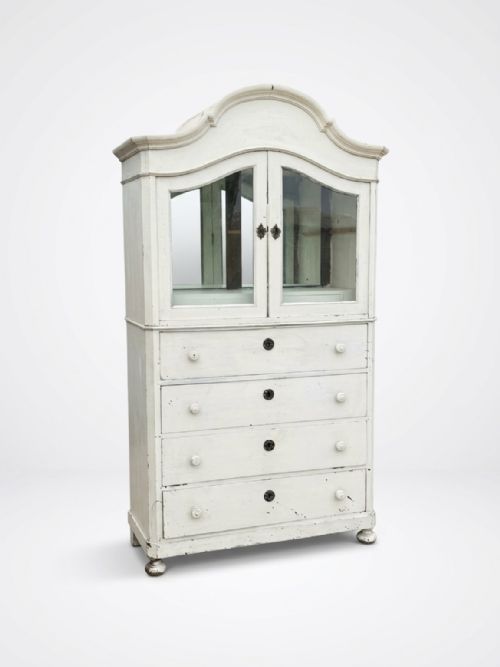
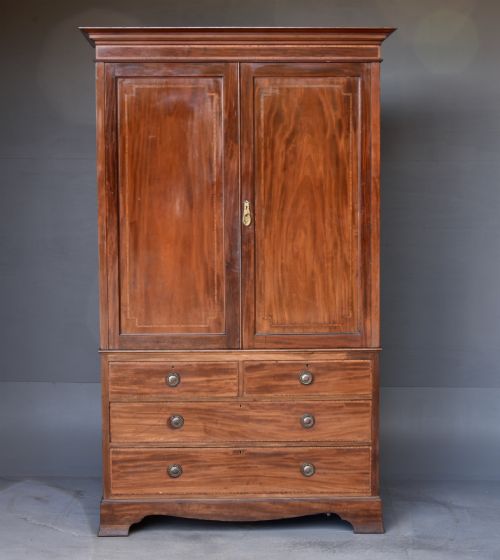
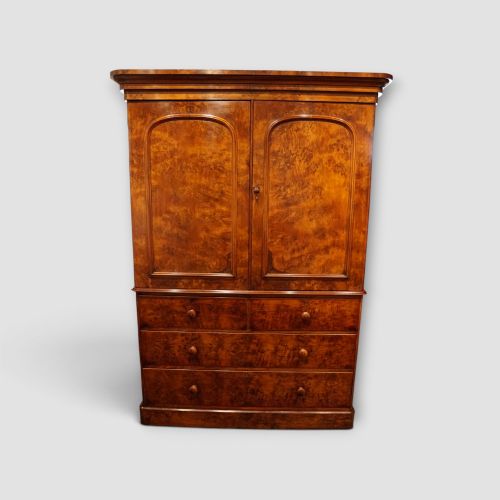
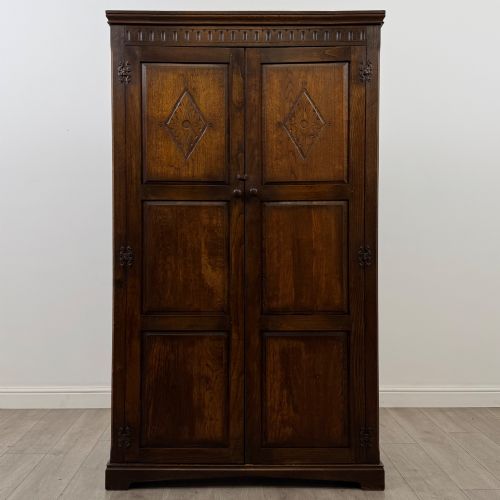
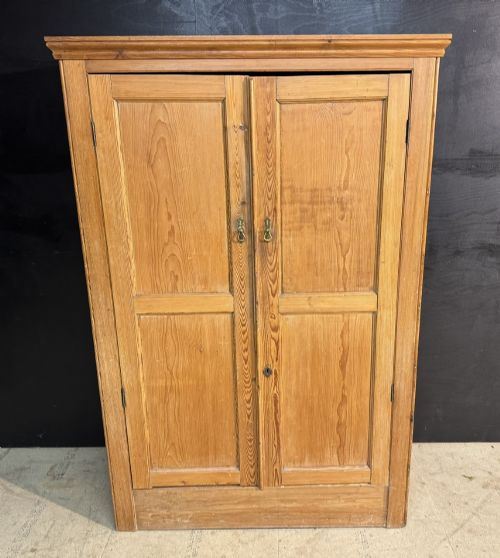
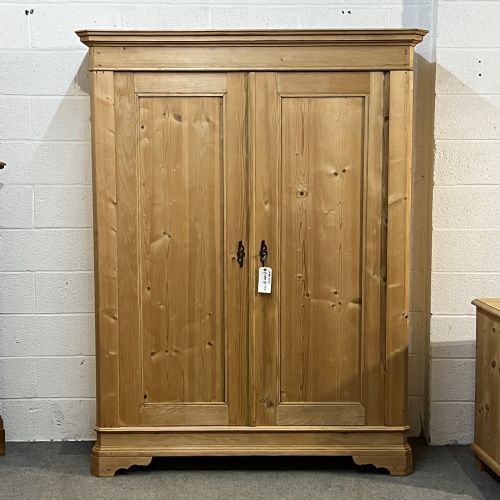
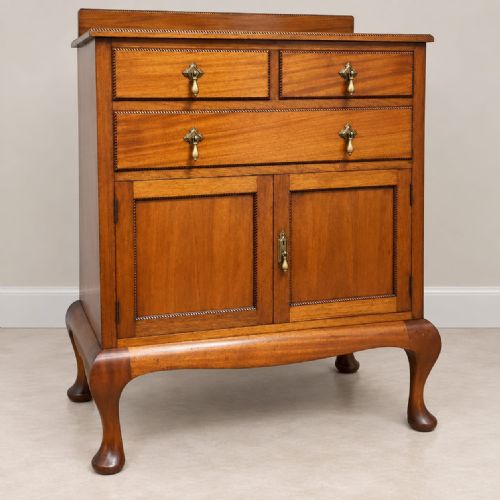
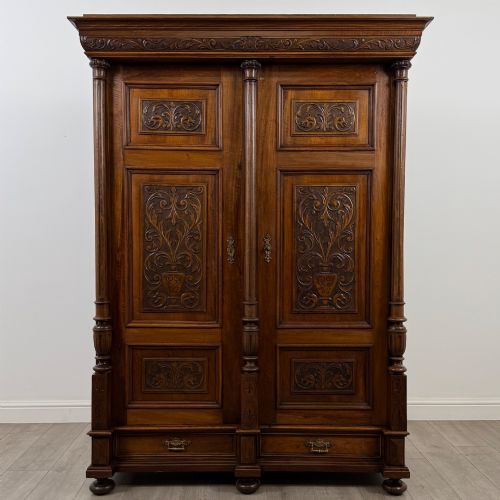
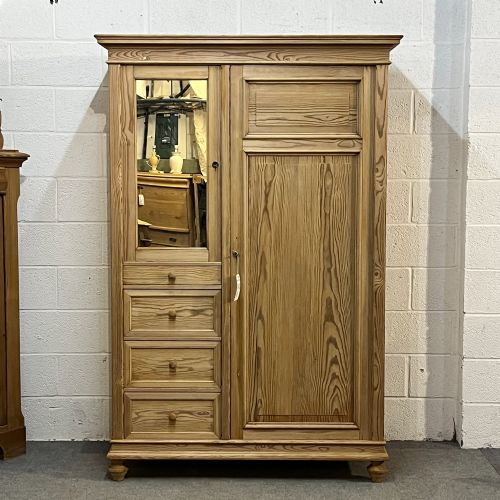
A vintage linen cupboard provides deep storage for household textiles, garments and bedroom essentials within traditional cabinetry forms. These pieces frequently appear as linen presses, wardrobes and cabinets across this selection.
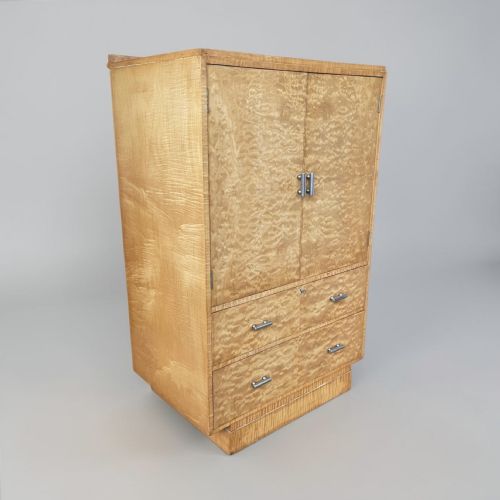
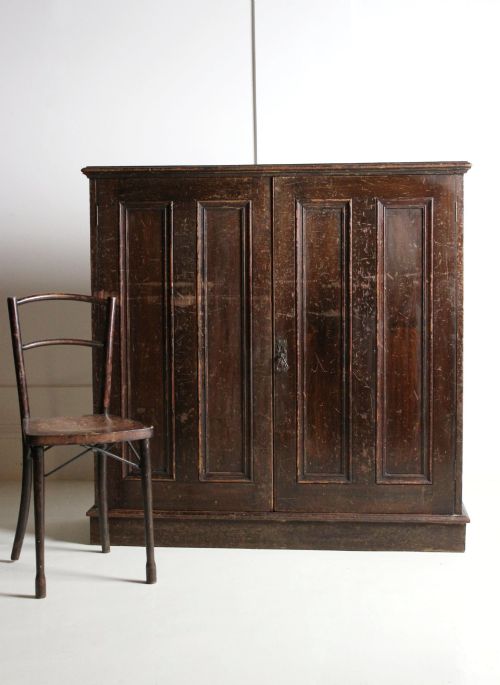
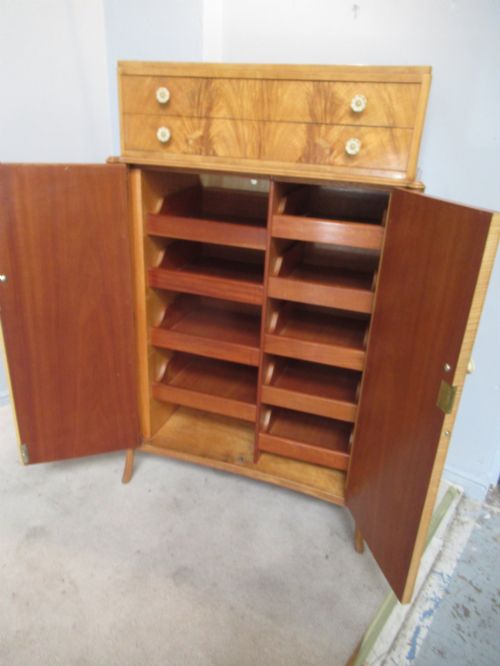
The objects recorded here span several distinct periods including the Victorian era, the nineteenth century, the Regency and George IV periods, alongside the nineteen-twenties and nineteen-thirty Art Deco style. Buyers meeting this search phrase are most likely to encounter mahogany and pine constructions from the nineteenth century or figured walnut and blonde cabinets from the nineteen-thirties.
Makers and designers produced these items in various styles encompassing Queen Anne revival details, geometric Art Deco patterns and classic Regency lines. Each piece fulfils a primary storage function while displaying the distinct aesthetic priorities of its original era.

How they were made
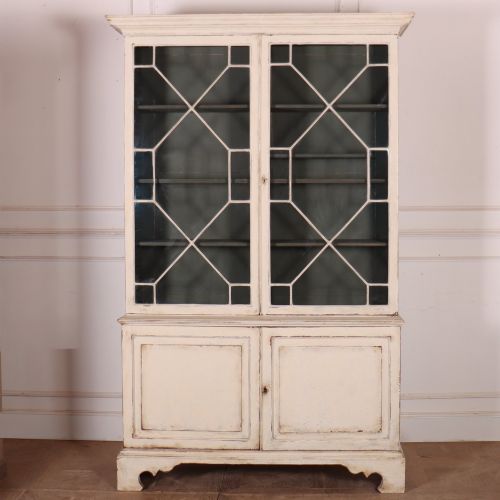
Cabinet makers utilised solid timber veneers and applied construction techniques suited to the prevailing period style. Materials recorded across these listings include mahogany, burr walnut, standard walnut, pine, satinwood and paint finishes.
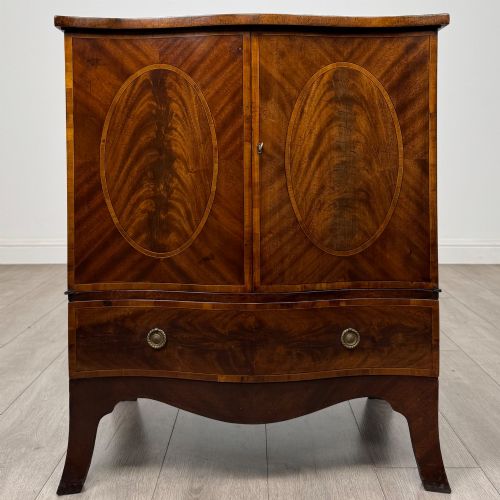
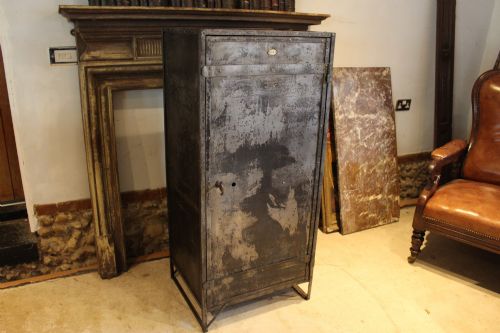
Hardware and decorative elements incorporate brass and iron components to secure doors and drawers. Inlaid details and figured wood veneers demonstrate the specific surface treatments applied during the George IV and Art Deco periods.
Retail Price Guide 2026
Typical UK retail prices for vintage linen cupboard, calculated from the Sellingantiques database of over a million retail prices indexed since 2003. This retail price guide relies exclusively on Sellingantiques data; no external sources or auction records are used, so the figures do not describe the wider market.
Materials recorded across the current listings comprise mahogany, burr walnut, walnut, pine, satinwood, paint, brass and iron.
What varies in quality
Quality differences emerge through the choice of timber figure, such as the selection of burr walnut or figured walnut veneers compared to simpler pine surfaces. Finer examples display meticulous inlay work and balanced grain patterns across the primary doors and drawers.
The integration of period hardware, including brass fittings and iron mechanisms, contributes to the overall standard of the piece. Construction depth and the preservation of original painted or polished finishes further distinguish superior specimens from standard utilitarian storage.
The Vintage Linen Cupboard Glossary
- Linen Press
- A tall storage cabinet traditionally designed for folding and storing household linen, typically featuring upper cupboard doors and lower drawers.
- Inlay
- A decorative technique where contrasting pieces of wood or other materials are inserted into the primary surface to create patterns.
- Veneer
- A thin layer of figured wood applied over a secondary timber base to provide a decorative exterior appearance.
- Regency
- An English design period spanning the early nineteenth century characterised by classical influences and refined proportions.
Frequently Asked Questions
What is a linen press?
A linen press is a tall storage furniture piece traditionally used to store folded linen, sheets and garments. These items combine upper shelving compartments with lower drawer storage.
Historical examples frequently feature panelled doors enclosing sliding trays or shelves designed to keep textiles organised.
How do I date a cupboard?
Dating a cupboard involves examining the timber species, construction methods and stylistic ornaments present on the piece. Periods range from nineteenth-century mahogany to nineteen-thirty Art Deco walnut.
Specific design indicators such as geometric veneers or classical inlay help attribute pieces to eras like the Regency or George IV periods.
What materials are used?
These storage pieces utilise a variety of woods including mahogany, burr walnut, walnut, pine and satinwood. Painted finishes also appear across the selection.
Metal components such as brass and iron provide structural fittings, handles and locking mechanisms for the doors and drawers.
Where should I place it?
A vintage linen cupboard suits bedrooms, hallways or dressing rooms where substantial vertical storage is required. The deep proportions accommodate folded textiles and clothing effectively.
Placing the cabinet away from direct heat sources helps protect sensitive wood veneers and solid timber surfaces over time.